When planning a trip to Malatya, you are stepping into a land where the dawn of civilization meets breathtaking natural landscapes. From the UNESCO World Heritage Arslantepe Höyüğü—home to some of the oldest palace ruins in human history—to the adrenaline-pumping Glass Terrace of Levent Vadisi, Malatya is a treasure trove of discovery. Whether you are wandering through the Seljuk and Ottoman streets of Battalgazi or strolling through sun-drenched apricot orchards, this gateway to Eastern Anatolia blends the fertility of the Euphrates basin with rich gastronomy and outdoor adventure.
At Travel Tour Shop, we operate on the ground across Eastern Anatolia, personally vetting everything from ancient excavation sites to canyon transfers to ensure the highest quality experience. To help you plan your visit—including the best times for the apricot harvest and the most scenic canyon routes—we have organized the city's highlights in the summary table and detailed guides below.
Quick Travel Facts
| Detail | Information |
|---|---|
| Province | Malatya (Eastern Anatolia Region) |
| Best Time to Visit | May - October; July for the apricot harvest |
| Recommended Duration | 2 - 3 Days |
| Top Highlights | Arslantepe Höyüğü, Levent Vadisi, Battalgazi, Apricot Orchards |
| Getting There | Malatya Erhaç Airport (MLX), Highway, Railway |
Top 10 Things to Do in Malatya
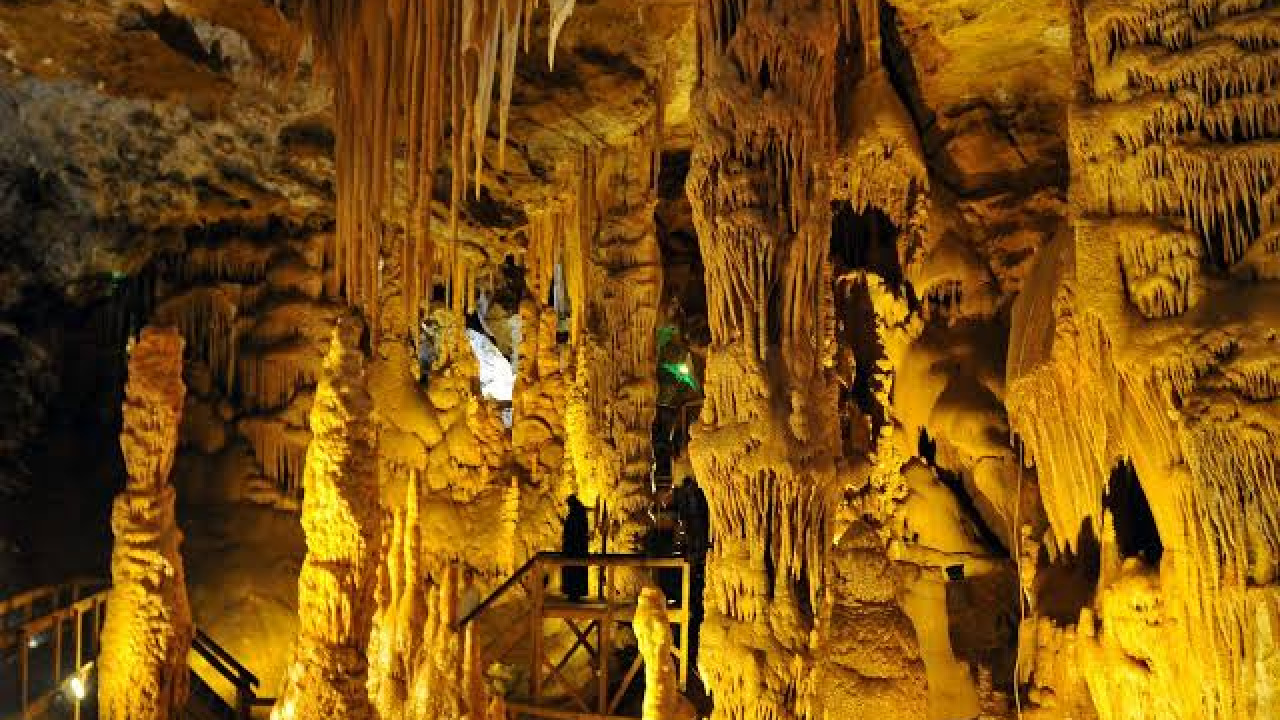
A Malatya itinerary is a diverse journey that spans from the world's first organized state structures to massive river-carved valleys and historic Silk Road caravanserais. For travelers passionate about history, nature, and food, these are the must-visit spots: Arslantepe Höyüğü, the Levent Vadisi Glass Terrace, Battalgazi (Old Malatya) and the Silahtar Mustafa Paşa Caravanserai, Malatya Ulu Camii, Şire Pazarı, Tohma Kanyonu, Somuncu Baba Complex, Günpınar Şelalesi, Turgut Özal Nature Park, and the city's boutique museums. Let's dive into these highlights by theme.
Arslantepe Höyüğü (UNESCO World Heritage Site)
The crown jewel of any Malatya trip is undoubtedly Arslantepe Höyüğü in the Battalgazi district. With a history stretching back 7,000 years, this mound provides a window into the transition from hunter-gatherer societies to the first organized state structures. Here, you can explore one of the oldest known palace complexes (dating back to 3300 BC), where early metal swords and clay tablets used for tax records were discovered. Walking through the palace corridors, you can almost feel the birth of early governance. Named after the lion statues found on site, this location was a critical junction on the Silk Road. The open-air museum is expertly laid out to show the different layers of royal architecture, while the most precious finds are displayed at the city museum. For curated experiences including Arslantepe, explore our cultural tours category.
Levent Vadisi and the Glass Terrace
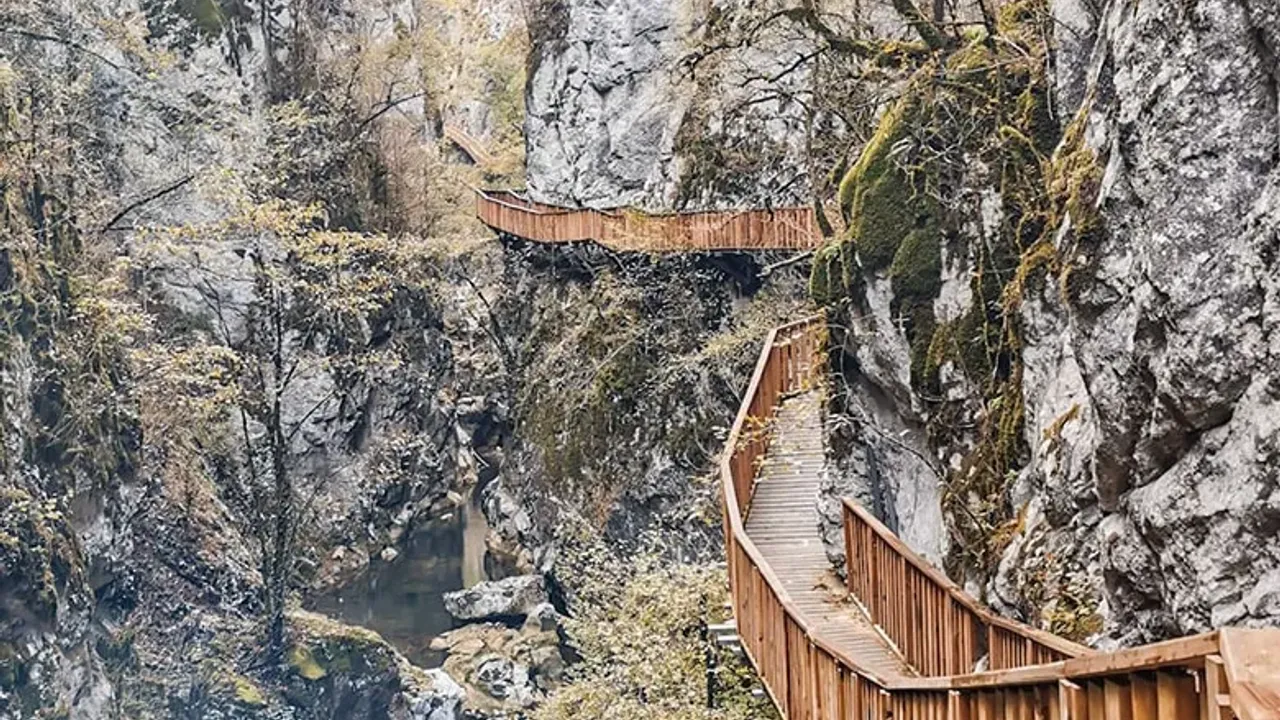
For nature lovers, Levent Vadisi in the Akçadağ district is the ultimate destination. This 28-kilometer valley, formed by neotectonic shifts, is famous for its towering cliffs, Neolithic caves, and surreal rock formations. The highlight is the Glass Terrace, perched 240 meters above the canyon floor. Stepping onto the transparent floor offers a thrilling perspective of the depths below. For those who prefer to stay on solid ground, the valley offers excellent trekking paths. You can find our canyon and valley-focused itineraries in the nature and adventure tours section.
Battalgazi (Old Malatya) and Silahtar Mustafa Paşa Caravanserai
Battalgazi, the original settlement of the city, is a living museum of Seljuk and Ottoman architecture. The Silahtar Mustafa Paşa Caravanserai, built in the 17th century by the Ottoman Grand Vizier, reflects the grandeur of Silk Road trade with its vast courtyard and traveler rooms. Wandering the narrow streets surrounding the caravanserai allows you to immerse yourself in the city's mercantile past. Combined with the Old Malatya City Walls and historic fountains, Battalgazi makes for a perfect half-day cultural excursion.
Malatya Ulu Camii
Located in Battalgazi, the Malatya Ulu Camii dates back to the 13th century and is a stunning example of Anatolian Seljuk architecture with strong Persian influences. The turquoise tile work in the courtyard and the mihrab section showcases the exquisite artistry of the era. The harmony of brick and tile makes it one of the rarest early mosque examples in Anatolia. Since it is located right next to the caravanserai, it is a natural stop on any Battalgazi tour.
Tohma Kanyonu and Somuncu Baba Complex (Darende)
The district of Darende is where nature meets spirituality. Tohma Kanyonu, carved by the Tohma Stream, is a paradise for nature photographers with its steep cliffs and scenic walking trails. At the foot of the canyon lies the Somuncu Baba Complex, a serene sanctuary featuring a mosque, tomb, and natural springs. This site, particularly in the Sütlüce area, is a place of deep peace and reflection. Darende is the ideal choice for those wanting to combine breathtaking landscapes with spiritual tourism in a single day.
City Center, Şire Pazarı, and Museums
The city center is the best place to experience the local rhythm of life. Şire Pazarı is a vibrant hub where you can buy dried apricots, mulberry molasses, and local delicacies—making it perfect for both shopping and street photography. The Malatya Museum and Ethnography Museum house the treasures of Arslantepe and local cultural artifacts. For a unique twist, visit the Camera Museum or the Radio-Gramophone Museum. If you need a break, Kernek Park, Hürriyet Park, and Turgut Özal Nature Park offer lush green escapes within the city.
What is Malatya Famous For? Apricots and Gastronomy
If you ask what makes Malatya famous, the answer is simple: its world-renowned apricots and a rich, hearty regional cuisine. The city blends the agricultural abundance of the Euphrates basin with the meat-centric traditions of Eastern Anatolia, specializing in bulgur and various types of meatballs (köfte).
The Certified Malatya Apricot and Harvest Season
Malatya is the global heart of dried apricot production. The apricot is more than just a fruit here; it is the city's identity. If you visit in July during the harvest, you can pick fresh apricots straight from the trees and witness the traditional sulfur-drying (islim) process and sun-drying squares. Seeing the golden orchards spread across the landscape is a visual treat. Beyond the dried fruit, don't forget to try apricot kernels, jams, and apricot-based desserts. Şire Pazarı is the best place to source these authentic treats.
Local Delicacies: Kağıt Kebabı, Analı Kızlı, and Cherry Leaf Wraps
The Malatya Kağıt Kebabı (Paper Kebab) is a must-try: lamb seasoned with garlic and spices, wrapped in parchment paper, and slow-cooked in a stone oven on a copper tray until tender, served on traditional pide bread. Analı Kızlı is a regional classic—a sour sumac-based soup featuring large meat-filled meatballs and smaller bulgur meatballs with chickpeas. For something more delicate, try the Kiraz Yaprağı Sarması (Cherry Leaf Wraps), where bulgur is wrapped in fresh cherry leaves and cooked with a yogurt and onion sauce.
Exploring the Districts of Malatya
Each district of Malatya offers a different travel theme. Battalgazi (Old Malatya) is the hub for history buffs with Arslantepe and the Ulu Camii. Akçadağ is the center for adventure seekers, thanks to Levent Vadisi. Darende combines nature and faith with Tohma Kanyonu and the Somuncu Baba Complex. To the north, Arapgir offers a slower pace of life with its stone mansions, vineyards, and "köftür" (a traditional mulberry molasses treat). Hekimhan is another hidden gem, featuring the Girmana Kanyonu. Depending on your interests, picking one or two districts to pair with the city center will maximize your experience.
Nature and Canyon Map: The Great Outdoors
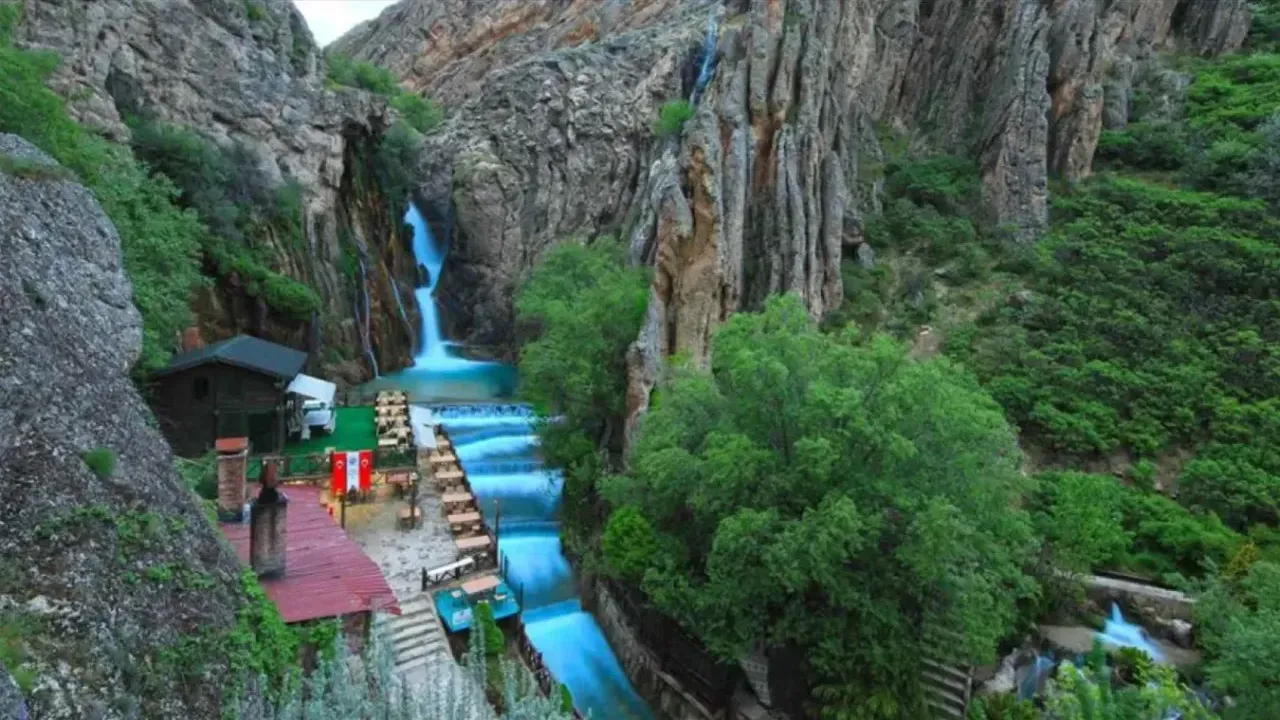
Once you leave the city center, Malatya's wild side emerges. Günpınar Şelalesi Nature Park in Darende is a favorite for cooling off with its tiered waterfalls and picnic areas. The Karakaya Dam Lake offers stunning vistas of the Euphrates, perfect for photography. While Levent Vadisi and Tohma Kanyonu are the geological stars, Malatya also serves as a practical gateway for those heading to Mount Nemrut in neighboring Adıyaman to see the giant statues. For more water-based activities, Girmana Kanyonu in Hekimhan offers rafting and other adventure sports. We recommend checking water levels and seasonal weather before heading to these remote spots.
When and How to Visit Malatya
The ideal window for hiking in Levent Vadisi and exploring Arslantepe is between May and October. However, if you want to witness the golden apricot harvest in full swing, plan your trip for July. Spring and autumn provide the most comfortable temperatures for outdoor archaeological sites.
Regarding transportation, Malatya is easily accessible via Malatya Erhaç Airport (MLX), with frequent flights from Istanbul, Ankara, and Izmir. The city is also well-connected by highway and railway. While Arslantepe, Battalgazi, and Şire Pazarı can be visited in a single day, Levent Vadisi, Darende, and the Nemrut route each require a full day. Because these sites are spread out, guided programs are highly recommended for seamless transfers and time management. To compare itineraries and find the perfect theme for your trip, browse all our tour options.
Frequently Asked Questions 6
What are the top 10 things to do in Malatya?
The must-visit spots are Arslantepe Höyüğü, Levent Vadisi Glass Terrace, Battalgazi (Old Malatya) and the Silahtar Mustafa Paşa Caravanserai, Malatya Ulu Camii, Şire Pazarı, Tohma Kanyonu, Somuncu Baba Complex, Günpınar Şelalesi, Turgut Özal Nature Park, and the city center museums.
What is Malatya famous for?
Malatya is most famous for its certified apricots, supplying a huge portion of the world's dried apricot demand. It is also renowned for the UNESCO World Heritage Arslantepe Mound, the stunning canyon views of Levent Vadisi, and its unique regional cuisine.
What is the most famous dish in Malatya?
The most iconic dish is Malatya Kağıt Kebabı, where lamb is slow-cooked in parchment paper in a stone oven. Other highlights include the sour Analı Kızlı soup, Kiraz Yaprağı Sarması (Cherry Leaf Wraps), and various apricot desserts.
How many days are enough to visit Malatya?
You can cover the city center, Arslantepe, and Battalgazi in one day. However, adding Levent Vadisi, Darende (Tohma Canyon and Somuncu Baba), and the route to Nemrut makes for a more relaxed 2 to 3-day itinerary.
How do I get to Malatya?
You can fly into Malatya Erhaç Airport (MLX) from major cities like Istanbul, Ankara, and Izmir. The city is also accessible via a strong network of roads and railways.
Is the Levent Vadisi Glass Terrace safe for children?
Yes, the Glass Terrace is built with steel consoles and multi-layered tempered glass, surrounded by high safety railings. It is safe for children and seniors.