When you think of Kastamonu, the first images that come to mind are the dramatic depths of the Küre Mountains, the timeless elegance of historic wooden mansions in the city center, and the lush, evergreen forests of Ilgaz Mountain. This ancient province in the Western Black Sea region is a rare destination where you can experience the raw power of Horma and Valla Canyons, the strategic heights of Kastamonu Castle, and the architectural marvel of the Mahmut Bey Mosque all in one journey. Whether you are an avid hiker, a history buff, or a foodie seeking authentic Anatolian flavors, Kastamonu offers everything from quick weekend escapes to immersive multi-day expeditions.
At Travel Tour Shop, we provide on-the-ground expertise to help you navigate the region. From optimizing canyon routes and managing logistics to picking the perfect season for your visit, we ensure your itinerary matches your expectations. The true beauty of Kastamonu lies in its versatility: history lovers can wander through ancient mosques and mansions, nature enthusiasts can lose themselves in deep gorges and forests, and winter sports fans can hit the slopes of Ilgaz. Below, you will find a quick overview of the region, followed by a detailed guide to the must-visit spots and practical travel tips.
Quick Facts
| Information | Details |
|---|---|
| Province | Kastamonu (Western Black Sea Region) |
| Best Time to Visit | May-October for nature/canyons; December-March for skiing |
| Recommended Duration | 2-4 days |
| Top Highlights | Horma Canyon, Valla Canyon, Kastamonu Castle, Ilgaz Mountain, Kasaba Village |
| Getting There | Kastamonu Airport (KFS); approx. 3 hours by road from Ankara |
Canyons and Nature Trails: Pınarbaşı and the Küre Mountains
The heart of nature tourism in Kastamonu is the Pınarbaşı district and the surrounding Küre Mountains National Park. Characterized by towering cliffs and dense forests, this area is recognized as one of Europe's most protected panoramic landscapes—a perfect sanctuary for those looking to escape the urban grind.
Horma Canyon and the Wooden Walkway
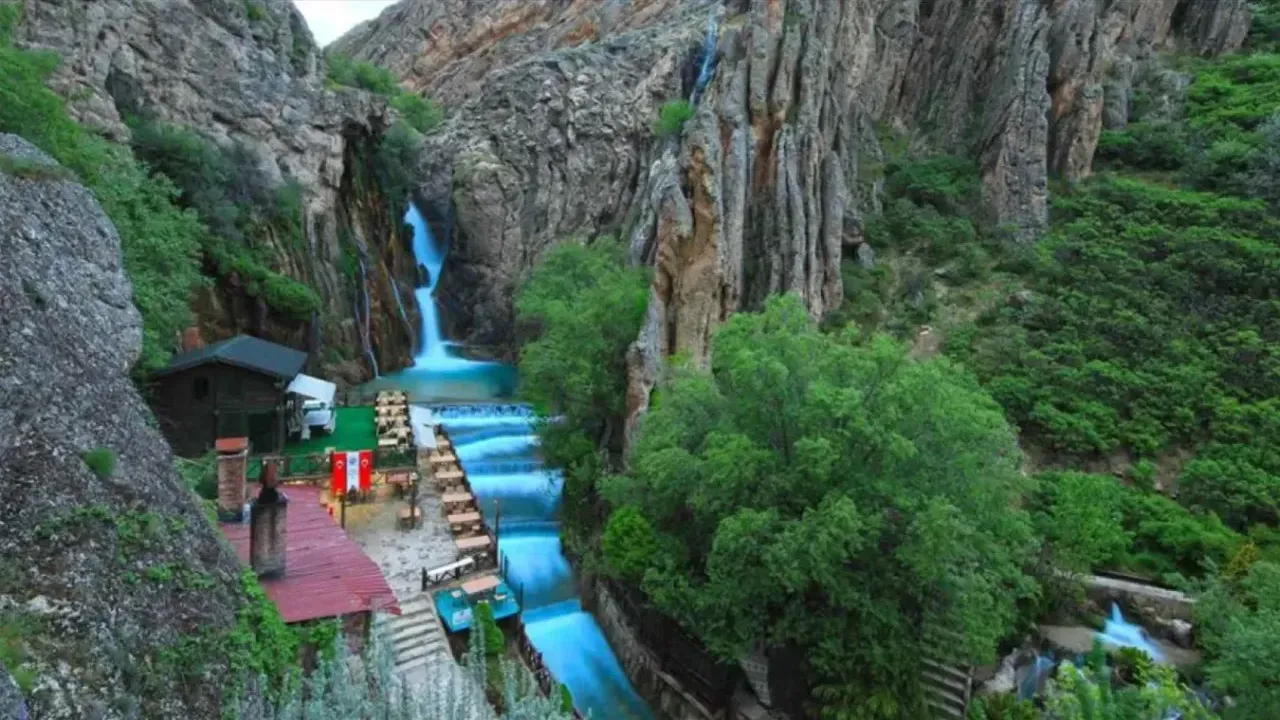
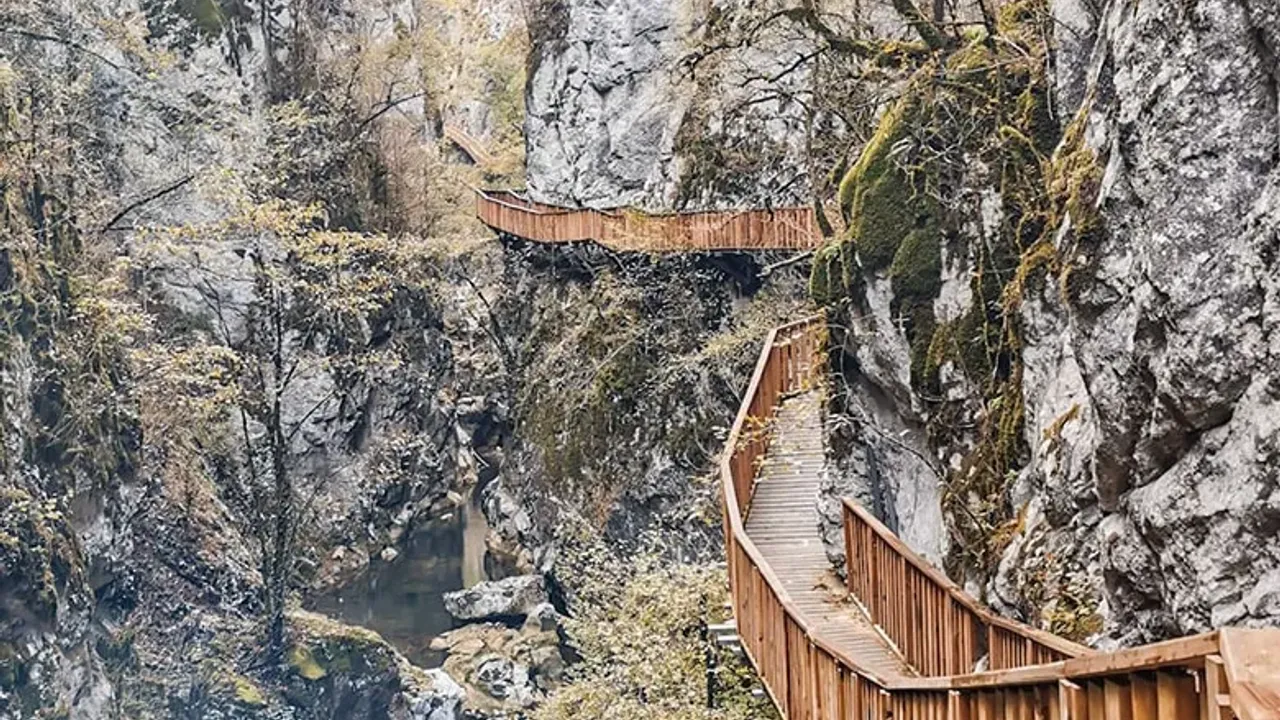
Horma Canyon is famous for its stunning 3-kilometer wooden walkway bolted directly into the cliff walls. This elevated path allows you to glide over emerald waters, natural basins, and cascading waterfalls without the need for strenuous trekking. The journey culminates at the breathtaking Ilıca Waterfall. Taking a tea break at the cozy wooden cabins surrounding the falls is a highlight of the trip. Thanks to its accessibility, this route is ideal for families and travelers of all ages.
Valla Canyon Observation Deck
Valla Canyon is regarded as one of the deepest canyons in the world, stretching 12 kilometers with walls that plunge hundreds of meters. Descending into the canyon is a high-adrenaline activity that requires professional gear and expert guides; therefore, solo entry is strictly prohibited for safety. Most visitors head to the steel observation deck located at the edge of the canyon. Looking down into the dizzying abyss and following the canyon's winding path is one of the most memorable vistas in all of Turkey.
Ilıca Waterfall and the Horma-Ersizlerdere Route
Located within the Küre Mountains, Ilıca Waterfall serves as the natural finale to the Horma Canyon trek, offering a serene spot surrounded by every shade of green. The falls are most powerful in spring and after heavy rains. For those seeking a more rugged experience, the Horma-Ersizlerdere line provides longer trekking paths through the heart of the forest. The Küre Mountains National Park is a biodiversity hotspot; the wildlife and flora you encounter here explain why this region is under strict protection. For photographers and nature watchers, early morning is the best time to visit for the perfect light and absolute silence. You can explore our nature and adventure tours for curated packages covering these routes.
Kastamonu City Center: Castles, Mosques, and Historic Mansions
The center of Kastamonu is a living museum of Turkish civil architecture. A day dedicated to culture and history can be easily filled by visiting the city's most iconic landmarks.
Kastamonu Castle
Perched atop the city's highest point, Kastamonu Castle offers the best panoramic views of the region. With roots stretching back to early civilizations and renovated over subsequent centuries, the fortress is a testament to the city's defensive history. From the ramparts, you can see the urban fabric of the city spreading across the plain toward the surrounding hills. The castle is easily accessible by foot or car, and a short break at the summit is the best way to get your bearings. It is also a prime spot for sunset photography.
Nasrullah Mosque and the Clock Tower
The Nasrullah Mosque, bearing the marks of the Candaroğulları period, and its surrounding square form the cultural heartbeat of the city. The courtyard and fountain are bustling meeting points throughout the day. The square, flanked by historic inns (hans) and bazaars, reflects the traditional commercial life of Kastamonu. Walking through the shops selling local crafts and produce allows you to feel the city's daily rhythm. Nearby, the Clock Tower completes the city's classic silhouette and offers another lovely vantage point after a short climb.
Historic Mansions and Rock-Cut Tombs
The 19th-century wooden mansions of Kastamonu, with their ornate bay windows and handcrafted ceiling decorations, possess an elegance similar to the famous houses of Safranbolu. Some of these have been converted into museums; the Liva Paşa Mansion Ethnography Museum and the Kastamonu City Museum provide deep insights into local life. For a touch of antiquity, the Rock-Cut Tombs carved directly into the cliffs near the center offer a fascinating archaeological detour. You can find our cultural tours that cover these historic city routes.
Kasaba Village and Mahmut Bey Mosque
Located in Kasaba Village, just a short drive from the center, the Mahmut Bey Mosque is an architectural marvel known as the "nail-less mosque" because it was constructed using intricate wooden interlocking joints without a single nail. Dating back to the 14th century, the interior features exquisite woodwork and colorful calligraphy that showcase the craftsmanship of the era. The texture of the wooden pillars and the gallery has been preserved for centuries. This small but impactful site is a must for architecture enthusiasts. The village itself, with its quiet rural atmosphere and traditional stone houses, provides a peaceful contrast to the city tour.
Ilgaz Mountain and Winter Tourism
Spanning the border between Kastamonu and Çankırı, Ilgaz Mountain National Park changes its face with every season. In the summer, it attracts nature lovers with its Scots pine forests, crisp air, and hiking trails. In the winter, it becomes a haven for ski enthusiasts. From December to March, the Ilgaz Ski Center is a premier destination for winter sports, offering slopes for beginners as well as sledding and snowshoeing activities. Cozy mountain lodges provide the perfect base for a winter getaway. In the warmer months, the picnic areas and forest paths make it an ideal spot for a family day trip.
The Black Sea Coast: Cide and Gideros Bay
Kastamonu is not just about mountains and canyons; it also boasts a stunning coastline. The district of Cide, with its long sandy beaches and where the deep green of the forest meets the blue of the sea, is a tranquil summer retreat. For those seeking a beach away from the crowds, Cide is a refreshing choice. Nearby, Gideros Bay looks like a natural harbor protected by two headlands. With its fishing boats, small seaside restaurants, and crystal-clear still waters, it is the ultimate spot for relaxation. Because of the distance from the city center, the coast is usually planned as a separate leg of the trip.
What is Kastamonu Famous For? Local Delicacies
Kastamonu's cuisine is a blend of mountain herbs, local agricultural products, and deep-rooted culinary traditions. The fertile soil and cool climate have given rise to unique products, including ancient grains like Siyez wheat. To complete your visit, don't miss these local flavors:
- Etli Ekmek: A savory, thin-crust bread topped with minced meat, a staple of Kastamonu street food.
- Kastamonu Pastırma: Cured beef dried naturally in the Ilgaz breeze, known for its mild spice and thin slices.
- Banduma: A hearty main course featuring thin dough soaked in meat broth, layered with butter and walnuts, and topped with shredded turkey.
- Kuyu Kebabı (Pit Kebab): Traditional meat slow-cooked for hours in deep pits over oak wood embers.
- Çekme Helva: A famous local sweet, often bought as a gift for friends and family.
The eateries around the historic bazaar and inns in the city center are the best places to sample these authentic tastes.
When and How to Visit Kastamonu?
The ideal window for visiting the canyons and waterfalls is between May and October when the weather is mild. Walking the wooden paths of Horma Canyon and relaxing by Ilıca Waterfall is most enjoyable during these months. October is particularly stunning for photographers looking to capture the vibrant reds and yellows of autumn. If you plan to ski on Ilgaz Mountain, target the December-March period. The Cide and Gideros coastlines are most vibrant during the summer.
Regarding transportation, Kastamonu Airport (KFS) offers convenient flights, primarily from Istanbul. By road, it is approximately a 3-hour drive from Ankara; the journey from Istanbul is longer. Since the canyons, Ilgaz, and Cide are spread across the province, we recommend planning your route and accommodation in advance. Arranging transfers for nature spots like Valla and Horma is highly recommended to avoid delays on rugged roads. To compare different themes and find the best package for your needs, feel free to browse all our tour options.
A short weekend is enough to see the city center and the nearby canyons, but if you wish to include the coast and Ilgaz Mountain, a 3-4 day itinerary is more comfortable. Defining your primary interest—whether it's history, nature, or winter sports—will help you get the most out of your Kastamonu experience.
Frequently Asked Questions 6
What are the must-see places in Kastamonu?
The top highlights include Horma Canyon and its wooden walkway, the Valla Canyon observation deck, Ilıca Waterfall, Kastamonu Castle, Nasrullah Mosque, Ilgaz Mountain National Park, and the Mahmut Bey Mosque in Kasaba Village.
How many days should I spend in Kastamonu?
Two days are usually sufficient for the city center and immediate surroundings. However, if you add the canyons, Ilgaz Mountain, and the Cide coast to your itinerary, a 3-4 day trip allows for a more relaxed pace.
When is the best time to visit Kastamonu?
Visit between May and October for canyons and waterfalls, October for autumn foliage, and December to March for skiing at Ilgaz Mountain. The coast is best visited during the summer.
What is Kastamonu famous for?
It is renowned for its local delicacies like Etli Ekmek, Pastırma, Banduma, and Çekme Helva, as well as the dramatic canyons of the Küre Mountains, the forests of Ilgaz, and its historic wooden mansions.
Can you enter Valla Canyon?
Descending into Valla Canyon is a challenging activity that requires professional equipment and expert guidance. Most visitors safely admire the canyon from the steel observation deck in the Pınarbaşı direction.
How do I get to Kastamonu?
You can fly into Kastamonu Airport (KFS) from Istanbul. Alternatively, it is about a 3-hour drive from Ankara. For multi-stop trips, we recommend arranging transfers in advance.