
The Marmara RV routes offer a fantastic escape from the big city hustle, leading you to lush floodplain forests, dramatic coastal cliffs, and expansive sandy beaches, all just a few hours' drive away. What truly sets this region apart for RV travelers is the incredible diversity of landscapes, all connected by relatively short drives: windswept slopes along the Thracian coast, unique floodplain forests (longoz) to the north, islands accessible by ferry in the middle of the sea, and forest-fringed lakes inland. First-time RVers often wonder: Where are the best camping spots in the Marmara Region? How many nights should I spend at each stop? And what are the local regulations? This guide divides the region into two main arms, detailing each stop sequentially, and combining insights on regulations, essential gear, and seasonal preferences into one comprehensive plan.
Thracian Coast vs. Anatolian Coast: Which Way to Go?
The first decision for any RV traveler setting out in the Marmara region is which side of Istanbul to head towards. The Thracian arm stretches from the Tekirdağ coast up to İğneada in northern Kırklareli; here, drives are short, and the scenery is dominated by slopes and forests. The Anatolian arm progresses via Karasu on the Sakarya coast and opens up to the lake basins in Bolu; camping spots on this side are predominantly nestled within forests.
The island route, however, stands apart from both, as it operates on a ferry schedule for vehicles and requires fixing your return plan in advance.
Quick Facts
| Topic | Information |
|---|---|
| Region | Marmara Region and surrounding Bolu area |
| Key Stops | İğneada, Uçmakdere, Avşa Adası, Karasu, Yedigöller |
| Best Time to Visit | Late Spring and Early Autumn |
| Terrain & Roads | Asphalt main roads, partially unpaved at park entrances |
| Accommodation Type | RV park, forest campsite, municipal area |
Top Stops for Your Marmara RV Adventure
İğneada and its Floodplain Forests (Longoz)
İğneada, located in the Demirköy district of Kırklareli, is a Black Sea coastal town renowned for its unique floodplain forests, locally known as "longoz." This area was declared the İğneada Longoz Forests National Park in 2007. A longoz is a rare ecosystem in Turkey where the forest floor is periodically submerged when the Erikli, Mert, Deniz, and Saka lakes, cut off from the sea by coastal dunes, overflow.
Within the national park, you'll find hiking trails, designated camping areas, lakeside observation points, and a sandy beach running parallel to the coast. Behind the town, the forested elevations of the Yıldız (Istranca) Mountains stretch out. Birdwatching is one of the prominent activities in the region. A practical tip: mosquito density increases in mid-summer, so mosquito nets and door screens will be very useful here. Morning hours are ideal for visits, offering both optimal light and tranquility.
Uçmakdere and the Tekirdağ Coast
Uçmakdere, part of Tekirdağ's Şarköy district, is a small coastal settlement nestled where the Ganos (Işıklar) Mountains' ridges dramatically plunge into the sea. At the foot of this mass, which reaches approximately 945 meters, are launch pads for paragliding pilots at 250 and 600 meters altitude, chosen according to wind conditions.
The road descending to the village is narrow and winding; maneuvering space for long motorhomes is limited, so it's common practice to leave travel trailers at a higher point and descend with the towing vehicle. On windy days, it's safer to stay in a closed setup rather than opening your awning. For coastal stays, late spring to October offers more stable weather.
Avşa Island and the Marmara Islands
Avşa Adası, part of Balıkesir's Marmara district, is the most visited island in the archipelago. Its viticulture tradition, based on the Adakarası grape, and its sandy beaches are well-known features. Those wishing to incorporate the island's vineyard and culinary culture into their program can explore culinary tours offered by Travel Tour Shop. RV access is via car ferry; vehicle-carrying services primarily depart from Erdek and Tekirdağ ports, while lines from Istanbul mostly carry passengers, and service frequency decreases outside the main season.
Booking your return ticket before heading to the island can help avoid long vehicle queues during busy weeks. Since island roads are narrow, it's often more practical to stay in coastal areas rather than driving large RVs into the center. Ferry frequency increases in summer, but cancellations due to weather conditions can occur in winter.
Karasu Beach
Karasu, a district on Sakarya's Black Sea coast, is a well-known stop for RV travelers, boasting a flat sandy beach stretching for approximately 20 kilometers, with its Sahil Park section proudly flying a Blue Flag since 2016. The road running along the coast connects to various beach entrances over short distances; Karasu camping areas are distributed along this stretch, between beachfront plots and businesses set back from the shore.
Camping facilities in the region vary in terms of electricity and water hookups, so arriving with full tanks ensures greater comfort. As waves and currents can change rapidly in the Black Sea, it's advisable to choose sections with lifeguards for swimming.
Yedigöller and the Bolu Extension
At the eastern end of the route, in the Mengen district north of Bolu, lies Yedigöller National Park. Declared a national park in 1965, it is administratively part of the Western Black Sea region. Formed by landslides blocking the valley, Büyükgöl, Seringöl, Deringöl, Nazlıgöl, Küçükgöl, İncegöl, and Sazlıgöl are connected by short walking paths and are famous for their vibrant autumn leaf colors.
A section of the road leading to the park is narrow and partially unpaved; it can be challenging for longer vehicles on rainy days. Accommodation is available in designated areas within the forest, and it's essential to arrive early during peak seasons to secure a spot. Those looking to build a nature-focused program can consider complementary options from Travel Tour Shop's nature adventure tours.
A 5-Stop Marmara RV Itinerary
- Stock up in Istanbul: For those heading out from the Anatolian side, markets around Kadıköy are ideal for groceries, fuel, and water. If you're crossing to the Thracian arm, factor in bridge tolls and plan your departure outside of peak traffic hours.
- Open the Thracian arm from the Tekirdağ coast: Spend a night along the Uçmakdere and Şarköy line, placing the stunning cliff views at the beginning of your route.
- Head north to İğneada: Dedicate at least two days for exploring the floodplain forests and the coast. On your return, connect to the main road via Kırklareli.
- Optionally add the island leg: Plan your crossing to Avşa Adası according to car ferry schedules and book your return journey in advance.
- Cross to the Anatolian arm and head east: Take a break at Karasu beach and complete your route around Yedigöller.
Gear & Pre-Trip Checklist
Even though the stages in the region are short, the infrastructure of accommodation points varies.
| System | Why it Matters | Pre-Trip Check |
|---|---|---|
| Power & Battery | Outlets may not be available in forest areas | Panel connection, battery charge level, inverter test |
| Water System | Resupply points are scarce in coastal areas | Fresh water tank fill, grey and black water disposal |
| Heating & Ventilation | Humidity and cool nights are common in the region | Heater function test, roof fan and filter cleaning |
| Mechanics | There are narrow and inclined park roads | Brakes, tire tread depth, suspension check |
| Towing Gear | Risk of detachment for travel trailers | Coupler lock, safety chain, stabilizer jacks |
On-Road Checks
After every stop, the towing connection, electrical plug, and stabilizer jacks should be re-checked. For vehicles using gas systems, confirming the detector is working is an important safety step when staying in enclosed areas.
Can You Park Your RV Anywhere? Regulations for Camping & Parking
License & Vehicle Classification
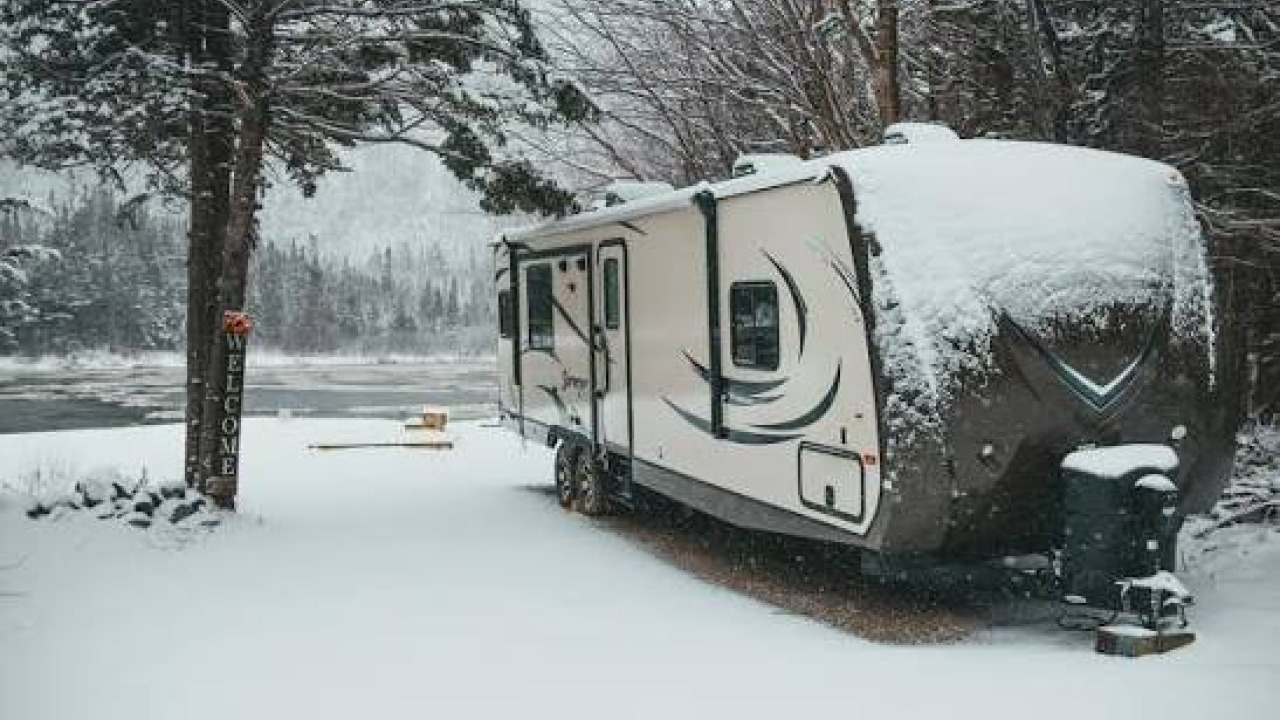
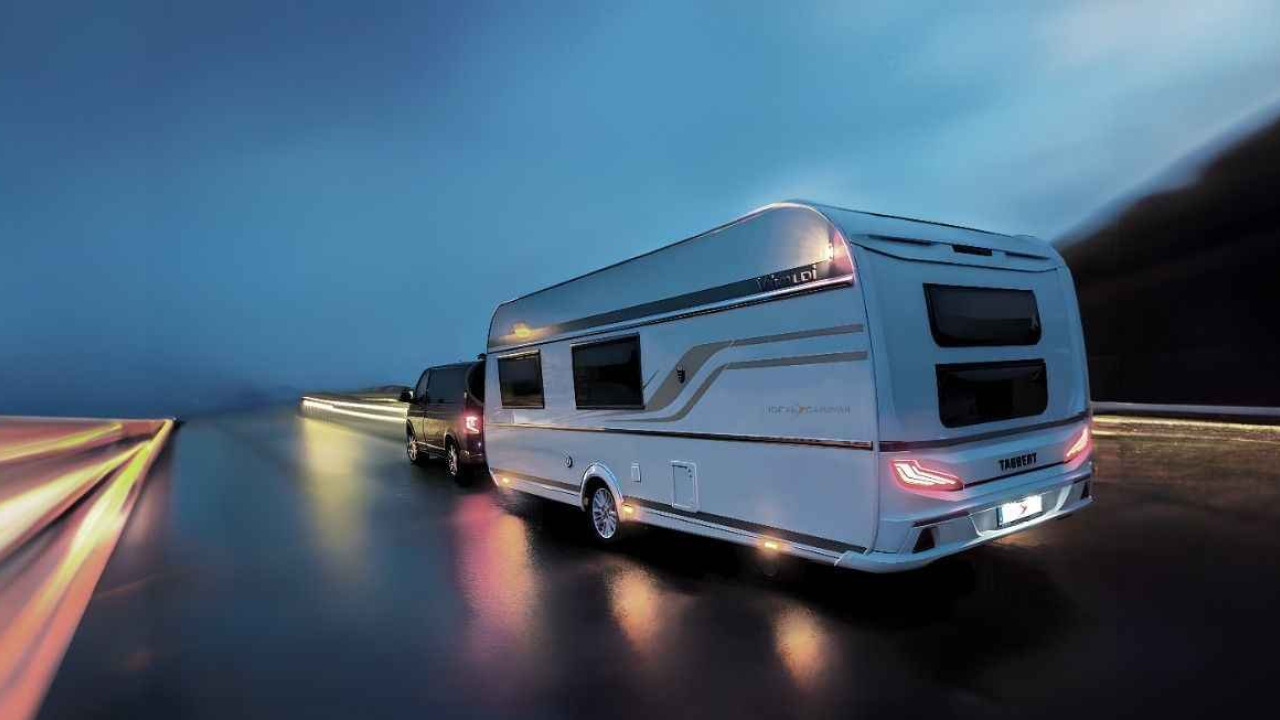
In Turkey, RV usage is regulated under the Highway Traffic Law and related regulations. For travel trailers, the 750 kg maximum laden weight threshold is the distinguishing point: light trailers below this threshold can be towed with a Class B driver's license, while trailers above it require a Class BE license or a trailer code endorsed on a Class B license. Motorhomes are registered not as automobiles but as "special purpose vehicles (motorhome)" of M1 class with a private use purpose. Since obligations vary by vehicle class and weight, it's essential to confirm the current status with the traffic registration unit before purchasing or towing.
Distinguishing Parking from Camping
Leaving your vehicle in a public area and spending time inside it falls under the scope of parking. In contrast, opening an awning, setting out tables and chairs, lighting a barbecue, or hanging laundry is considered camping and can lead to administrative penalties in areas where local authorities have prohibited camping. For city stops, adhere to parking rules and reserve camping activities for authorized facilities.
When to Hit the Road: Best Seasons for RV Travel
| Season | Pros | Considerations |
|---|---|---|
| Spring (April-May) | Green forests, empty campsites | Chance of rain, muddy unpaved roads |
| Summer (June-August) | Warm sea, frequent ferry services | Crowds, mosquitoes, difficulty finding spots |
| Autumn (September-October) | Vibrant leaf colors, tranquil coasts | Cool nights, shorter daylight hours |
| Winter (November-March) | Quiet trails, empty beaches | Some facilities closed, increased heating needs |
Practical Tips Before You Go
- Dispose of wastewater only at official dumping stations; never release it into forests or stream beds.
- Light fires only in permitted areas and using elevated barbecues that don't touch the ground. Ensure they are completely extinguished before you leave.
- During peak season, book your campsite and ferry tickets in advance, and secure your return time.
- Close your awning at night against coastal winds, and use longer stakes in sandy ground for better stability.
- Sort your trash and take it with you, leaving the area cleaner than you found it.
- Choose your accommodation type wisely: beachfront campsites can be windy, forest facilities are shady but humid, and high-altitude spots towards plateaus will be noticeably cooler at night.
How Many Days for Your RV Adventure?
A three to four-day program is sufficient to explore one arm of the region: two nights on the coast, one night in the forest. For those wishing to combine both arms and add the island leg, a seven-day plan allows for a comfortable pace. Travelers looking to expand the Thracian side with historical settlements can explore Travel Tour Shop's historical city tours, while those interested in a route focused on museums and ancient sites can add options from our cultural tours. If you'd like to include the peninsula in your route, our Çanakkale and Gallipoli travel guide is a great starting point, and for those wanting to add the southern coast of Marmara, our article on places to visit in Bursa offers further inspiration.
Frequently Asked Questions 5
Where can I park my travel trailer?
RV parks, authorized camping facilities, and areas designated by municipalities for RV accommodation are suitable spots. In public parking lots and on roadsides, only parking rules apply; opening an awning or setting up a table will cause issues in these areas.
Can I camp anywhere with my RV?
No. Accommodation is restricted in national parks, protected areas, military zones, and coastal strips where camping is prohibited. It's essential to learn the rules of the administration responsible for the area before staying overnight.
Can municipalities fine RVs?
Yes. Setting up camp in areas where camping is prohibited can lead to administrative penalties from local authorities. Knowing the difference between parking and camping will help prevent this situation.
Where are the best places to visit in Marmara?
For RV travelers, İğneada and its surrounding floodplain forests, Uçmakdere on the Tekirdağ coast, Avşa Adası, Karasu beach, and the Yedigöller area near Bolu are among the region's well-known stops.
How many days does it take to complete the Marmara RV route?
One of the Thracian or Anatolian arms can be explored in three to four days. For a comprehensive program combining both arms and the island leg, a week-long period offers a more balanced pace.