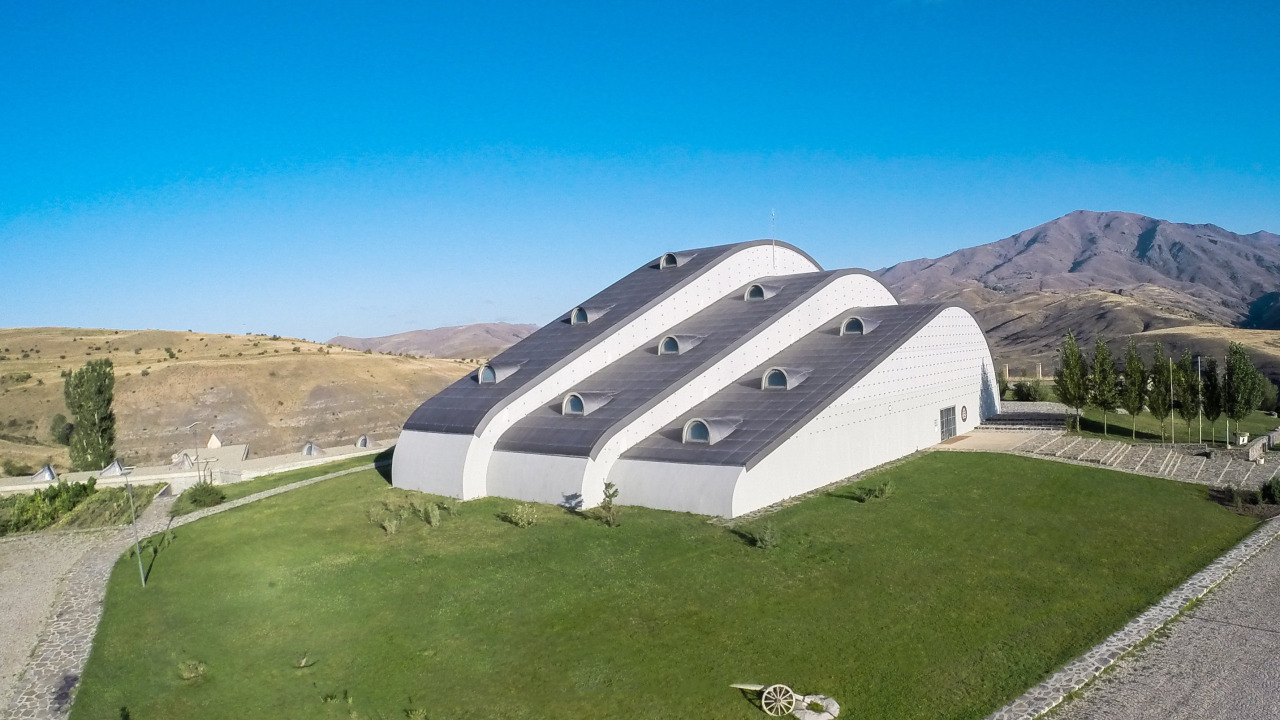

Baksı Museum is a contemporary art museum perched on a hill overlooking the Çoruh Valley, in Bayraktar village, Bayburt. It's an unusual experience to stumble upon a museum amidst agricultural lands and mountain ridges, dozens of kilometers away from the city center. Founded by Hüsamettin Koçan, an artist hailing from the village, the museum brings together contemporary art pieces and local handicrafts under one roof. Opened in July 2010, the complex won the 2014 Council of Europe Museum Prize, outperforming 37 candidate museums from 22 countries. In this guide, you'll discover the museum's offerings, complementary sights around Bayburt, transportation options, best seasons to visit, and practical tips to know before your trip.
What Makes It Different from City Museums?
Most contemporary art institutions in Turkey are located in the heart of major cities, right next to a ready audience. Baksı Museum, however, does the opposite: it invites the audience to the village. While you might squeeze a city museum visit into your daytime schedule, Baksı Museum makes the journey itself part of the experience. The winding road through the valley, dotted with village settlements and ever-changing seasonal landscapes, forms half the charm of your visit.
The second difference lies on the production side. The workshops within the museum provide a space for local women to continue their traditional weaving knowledge. This was also the highlight of the award's rationale: a model that bridges the gap between urban centers and rural areas, aiming to culturally and economically sustain the local community in their homeland. For those looking to spread out their central Bayburt stops over a separate day, you can also check our guide to places to visit in Bayburt.
Quick Facts
| Topic | Information |
|---|---|
| Location | Bayraktar village, Bayburt province (formerly Baksı) |
| Established | Initiated by artist Hüsamettin Koçan, opened in July 2010 |
| Highlights | Contemporary art collection, Depot Museum, handicraft workshops, valley views |
| Distance from Center | Approx. 45 km mountain road (some sources say 35 km) |
| Best Time to Visit | Between June and September |
Baksı Museum and Nearby Sights
Baksı Museum Collection and Workshops
The museum's name comes from Baksı, the village's former name. In Central Asian Turkic culture, a 'baksı' is a poet-healer figure who embodies both art and healing; the museum's approach of combining art with craftsmanship is explained by this name. In the exhibition halls, contemporary creations stand alongside traditional objects from the region. A library, workshops, conference hall, and guesthouse are also located within the same complex.
The complex spans approximately 40 acres; the Depot Museum section, opened in 2012, has expanded the visible part of the collection. The weaving workshops aim to keep alive 'ehram,' Bayburt's traditional fabric with geographical indication registration. Those wishing to build a museum-focused itinerary can explore our cultural tours options. Practical tip: Confirming opening hours before your visit is crucial to avoid a wasted trip on the long mountain road.
Bayburt Castle and the Çoruh Riverbank
Bayburt Castle rises on a rocky hill dominating the city center, with the Çoruh River flowing beneath it. The castle's core dates back to the Urartian period; after Saltukid rule, it was almost entirely rebuilt by Erzurum's ruler Tuğrul Şah in the early 13th century. From within its ramparts, a panoramic view of the valley and the city unfolds. Kaleardı City Park is suitable for a break after the climb. Practical tip: The ascent is stony, so non-slip shoes will make your climb easier.
Ulu Mosque and Clock Tower Area
Bayburt Ulu Mosque in the city center is dated by sources to between 1282-1298, during the reign of Anatolian Seljuk Sultan Gıyaseddin Mesud II; it stands out with its simple stone craftsmanship. Nearby, you'll find the Tomb of Ahi Emir Ahmedi Zencani and the Clock Tower, considered the city center's meeting point. These three stops are within walking distance and can be seen with a half-hour stroll. Practical tip: Plan mosque visits outside of prayer times.
Dede Korkut City Museum and Oral Tradition
Bayburt is mentioned among the geographies where the Dede Korkut narratives take place. The Bayburt Dede Korkut City Museum on Cumhuriyet Street, opened in 2023 after the restoration of an old school building, narrates this oral tradition alongside the city's memory. The 'kümbet' (tomb) attributed to Dede Korkut, however, is in Masat village, approximately 39 kilometers from the center; these are two distinct stops. The Kenan Yavuz Ethnography Museum is also a complementary spot focusing on village life. Practical tip: Visiting the city museum before the castle makes the region's historical layers more comprehensible.
Kop Mountain Martyrs' Monument
The Kop Martyrs' Monument, located on the high pass between Bayburt and Erzurum, was built in 1963 in memory of the soldiers who lost their lives in the 1916 Kop Defense. The monument is located roadside, around the 40th kilometer of the Bayburt-Erzurum highway. The pass's high altitude directly affects road conditions in winter; from the monument area, a vast panorama of the surrounding mountain range unfolds. Practical tip: In snowy periods, inquire about the pass's condition before setting off.
Sırakayalar Waterfall and Yakupabdal Nature Park
For nature enthusiasts, Sırakayalar Waterfall cascades approximately 20 meters down rock steps and is reached via a village road branching off the Bayburt-Erzurum road. Yakupabdal Nature Park in Demirözü district is a designated area for picnics and hikes within a Scots pine forest. Those wishing to make a valley hike the centerpiece of their trip can choose from our nature and adventure tours. Practical tip: The waterfall's flow increases with snowmelt in spring and decreases by late summer; May and June are productive months for photography.
How to Get to Baksı Museum?
As Bayburt does not have an airport, transportation relies on road connections.
- Those preferring air travel use Erzurum or Trabzon airports. From Erzurum, you connect to Bayburt via Kop Pass; from Trabzon, via Gümüşhane.
- Intercity bus travelers will disembark at Bayburt bus terminal. To reach Bayraktar village, use taxis or village shuttles; plan your return in advance as service hours are limited.
- Those coming by private car should follow the Çoruh Valley direction from the center; the road is narrow and winding, so it's realistic to anticipate an hour's drive for the approximately 45-kilometer distance.
- Staying in the city center and visiting the museum as a half-day excursion helps distribute the travel burden.
What to Eat and Where to Stay in Bayburt?
On local tables, 'lor dolması' (stuffed curd cheese) is Bayburt's iconic dish; this dolma, prepared with curd cheese and sorrel leaves, received geographical indication registration in 2017. 'Kesme çorba' (cut noodle soup), Bayburt 'ketesi' (a type of pastry), and dairy products dominate the menus; in winter, soups and baked dishes take center stage. Accommodation options are mostly concentrated in the city center: central hotels are practical due to their proximity to the bazaar and bus terminal, while village guesthouses are suitable for those wishing to stay closer to the valley. For those who want to make local cuisine the focus of their trip, you can choose from our gastronomy and event tours.
Seasonal Comparison
| Period | Advantage | Note |
|---|---|---|
| Spring (April-May) | High waterfall flow, green valley | Snow remnants may be seen on high passes |
| Summer (June-August) | Open weather, comfortable village roads | Busiest period for museum programs |
| Autumn (September-October) | Quiet visit, colorful scenery | Days shorten, plan an earlier return |
| Winter (November-March) | Quiet city center | Village roads may close, prior confirmation essential |
Tips Before You Go
- Confirm the museum's visiting hours and open days before setting off; its rural location makes last-minute plan changes difficult.
- Fuel stations are sparse on the village road, fill up your tank in the city center.
- The altitude is high; even in mid-summer, carry a light outer layer for evening coolness.
- Small businesses might not accept cards, so carry cash with you.
- Phone signal might be weak in the valley, save your route on an offline map.
- If production is ongoing in the workshop sections, ask for permission before taking photos.
How Many Days Should You Allocate for Your Trip?
Two days are sufficient to comfortably see the sights in Bayburt city center and Baksı Museum. The first day can be dedicated to the castle, Ulu Mosque, Clock Tower, and the city museum area; on the second day, you can head to the museum via the Çoruh Valley route, stopping at nature sights on the way back. Those wishing to add Kop Pass and Sırakayalar Waterfall to their itinerary should plan a third day. For those looking to expand their route with archaeological sites in neighboring provinces, you can explore our historical city tours; for travelers continuing towards Erzurum, our places to visit in Erzurum guide will help plan your route.
Frequently Asked Questions 5
What can you find at Baksı Museum?
The museum houses a collection of contemporary artworks, sections dedicated to local handicrafts, the Depot Museum (opened in 2012), weaving and craft workshops, a library, and a guesthouse. As the complex is situated on a hill overlooking the Çoruh Valley, the scenic views are also part of the visit.
Is the Museum Card valid at Baksı Museum?
Baksı Museum is not a state museum affiliated with the Ministry of Culture and Tourism, but a private museum run by an independent foundation. The Ministry's Museum Card (Müzekart) primarily covers its own affiliated museums; as validity at private museums can vary from period to period, it's necessary to confirm entry conditions directly with the museum before your visit.
What is the story behind Baksı Museum?
The museum was founded by artist Hüsamettin Koçan, who was born in Bayraktar village and returned to his hometown to establish it. It opened in July 2010. Its name comes from Baksı, the village's former name. With its approach of combining art and craftsmanship, it was awarded the Council of Europe Museum Prize in 2014.
What are Baksı Museum's opening hours?
Visiting hours vary according to the season and program intensity; arrangements may differ in winter due to road conditions. Given its rural location, it's advisable to obtain current day and hour information directly from the museum before setting off.
What is Bayburt famous for?
Bayburt is known for its castle by the Çoruh River, its connection to the Dede Korkut narratives, its geographically indicated 'ehram' weaving, and Baksı Museum. On the culinary side, 'lor dolması' and Bayburt 'ketesi' are among the city's prominent flavors.