
When thinking about the best places to visit in Çanakkale, it is not just a single destination, but a vast landscape of history and nature spanning both sides of the strait. From the hallowed grounds of the Gallipoli Peninsula on the European side to the legendary Ancient City of Troy on the Asian side—the setting of Homer's Iliad—and the stone-built Aegean charm of Assos to the serene shores of Bozcaada, this region is a treasure trove for travelers. This guide is designed not as a mere list, but as a curated multi-day itinerary to help you decide exactly how much time to allocate to each stop.
At Travel Tour Shop, we personally scout these epic lands, evaluating every monument and ancient site against our own high standards of service to help you choose the perfect route for your expectations. Below, you will find a quick overview of the region, followed by detailed sections on Gallipoli, Troy, Assos, the city's historic fortresses, and Bozcaada.
Quick Facts
| Information | Detail |
|---|---|
| Province | Çanakkale (The gateway city where the Marmara and Aegean seas meet) |
| Ideal Season | Spring (April-June) and Autumn (September-November) |
| Recommended Duration | 2-3 Days |
| Highlights | Gallipoli Peninsula, Ancient City of Troy, Assos, Bozcaada |
| Transportation | 1915 Çanakkale Bridge, ferry lines, and highway |
Geographically, Çanakkale offers two distinct atmospheres divided by the strait. The European side is home to the pine-covered martyrdoms of Gallipoli, while the Asian side hosts the archaeological layers of Troy and the quaint stone villages of the Aegean. Attempting to visit such a sprawling destination without a plan can lead to missing the profound stories behind the monuments or losing precious time to ferry logistics. Therefore, structuring your trip as a multi-day program ensures a more peaceful and enriching experience.
For example, you could dedicate your first day to the Gallipoli Peninsula Historical Area on the European side, visiting the Çanakkale Martyrs' Memorial, the 57th Infantry Regiment, and Conkbayırı as part of a cohesive military history narrative. On the second day, cross to the Asian side to combine the Ancient City of Troy, the Troy Museum, and the fortresses in Çanakkale city center. The third day can be reserved for a breath of Aegean air in Assos or a ferry trip to Bozcaada. This framework is flexible; you can lean more into archaeology or spend extra time relaxing on the islands depending on your interests.
Gallipoli Peninsula Historical Area: Tracing the Path of National Struggle
Located on the European side, the Gallipoli Peninsula is the site of some of the most grueling land and sea battles of World War I. Today, it is a Historical National Park covering approximately 33,000 hectares. Due to the sheer scale of the area and the distance between monuments, most visitors find that it deserves a full day of exploration. Our Gallipoli cultural tours category is specifically designed for those who wish to experience the area as a seamless narrative of military history.
Çanakkale Martyrs' Memorial
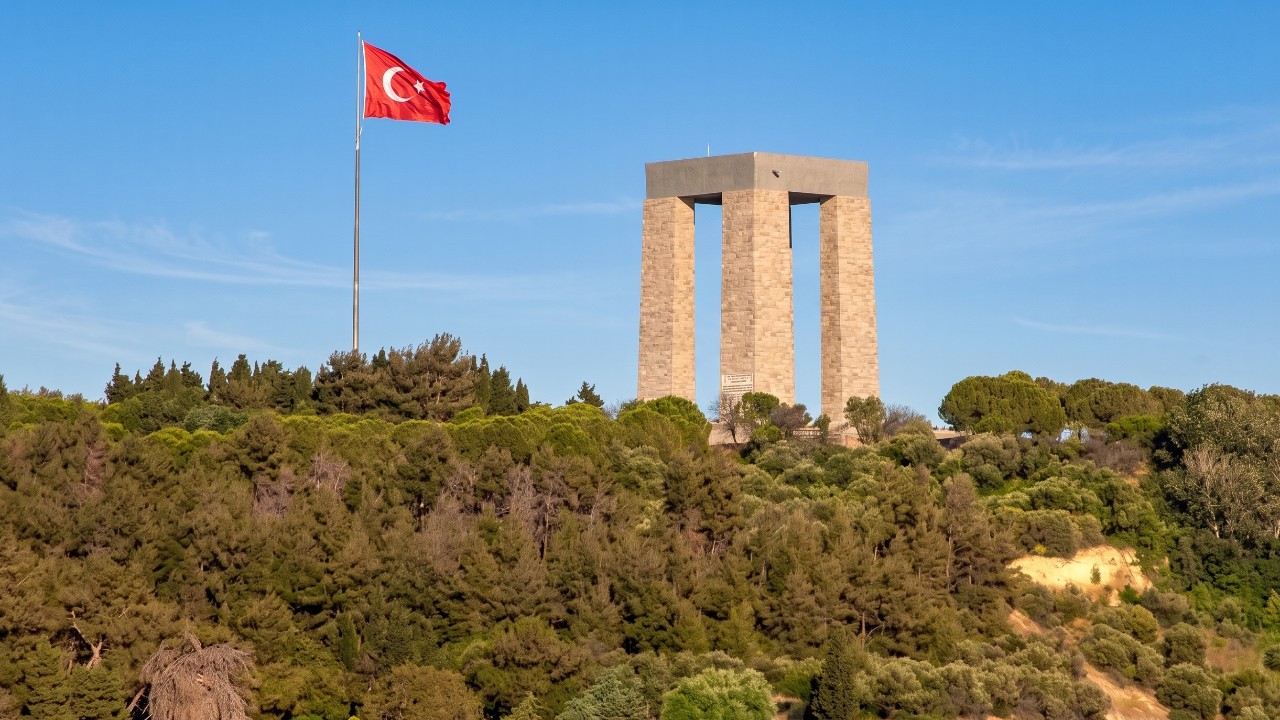
Rising 41.7 meters high on Hisarlık Hill overlooking Morto Bay, the Çanakkale Martyrs' Memorial is a majestic monument honoring the soldiers who fell during the Gallipoli Campaign. It serves as the emotional heart of any visit to the peninsula, offering a commanding view of the strait that leaves visitors in awe. The adjacent ceremony area becomes a focal point of national remembrance during official commemoration days.
57th Infantry Regiment Memorial and Conkbayırı
The memorials of the 57th Regiment, immortalized by Lieutenant Colonel Mustafa Kemal's legendary command, "I do not order you to attack, I order you to die," are among the most visited stops on the peninsula. Just above lies Conkbayırı, the strategic peak containing the trenches and observation points that shifted the course of the war. Visiting these two sites together allows travelers to grasp both the human tragedy and the military strategy of the conflict.
Anzac Cove and Other Commemorative Sites
Anzac Cove is a historic bay of peace and friendship where Australian and New Zealand troops landed during the war; it continues to host international remembrance ceremonies every April 25th. The peninsula also features sites such as the Akbaş Memorial and the Namazgah Redoubt, part of the strait's defense line. These stops transform the trip from a simple tour of monuments into a holistic journey through history. Since the sites are spread out, organizing your route geographically minimizes walking and transit time. The pine forests and coastal vistas provide natural pauses, giving a rhythmic balance to a day filled with heavy history.
Ancient City of Troy and the Troy Museum: Where Mythology Was Born
Crossing to the Asian side brings you face-to-face with one of the most enduring legends of antiquity. The Ancient City of Troy is recognized as the site of the Trojan War, which Homer describes in the Iliad as lasting ten years. With nine different layers of civilization built one upon another, this archaeological site offers a window into thousands of years of human history, not just a single era.
The massive wooden Trojan Horse at the entrance is one of the most photographed symbols of the region and serves as a tangible reminder of the myth. Adjacent to the city is the Troy Museum, a modern architectural marvel that has won international awards. With its collection of amphorae, sarcophagi, and interactive displays, the museum transforms ancient findings into a vivid narrative. Due to its proximity to the city center, Troy is typically paired with Çanakkale's central attractions. Following the orientation panels while exploring the ruins makes it easier to distinguish between the architectural remains of different ages, while the museum's spacious halls provide a cool refuge during hot summer days.
Assos (Behramkale): Philosophy and Aegean Stone Architecture
To the south of Çanakkale, in the Ayvacık district, lies Assos—a quintessential Aegean town perched on a steep volcanic rock, known for its stone houses and ancient harbor. Also known as Behramkale, this settlement blends archaeological significance with breathtaking coastal views, adding a serene Aegean vibe to the itinerary.
The Temple of Athena and the Legacy of Aristotle
At the highest point of the town, the Temple of Athena offers a stunning vista of Lesbos Island and the Edremit Gulf. It is one of the few Doric temples ever built in Anatolia. Watching the sunset behind its columns is a highlight for many visitors. Assos is also renowned as the place where the philosopher Aristotle spent a portion of his life conducting philosophical studies, adding intellectual depth to the cultural route. At the foot of the cliff, the ancient harbor is a peaceful retreat surrounded by small fishing boats and cozy cafes. The narrow paths leading from the stone houses down to the shore allow you to discover the town's seamless blend of sea and history on foot.
The Fortresses of the Strait and Çanakkale City Center
The center of Çanakkale and the fortresses guarding both sides of the strait offer a rich program for both military history buffs and casual sightseers. For those planning a city-focused trip, our Çanakkale cultural tours category helps you organize these stops efficiently.
Kilitbahir Castle on the European side and Çimenlik Castle on the Asian side stand opposite each other, telling the story of the strait's defense. The Çanakkale Naval Museum, located around Çimenlik Castle, showcases the maritime heritage of the naval battles. In the city center, the historic Mirror Bazaar (Aynalı Çarşı), the Çanakkale Clock Tower, and the Çanakkale Ceramics Museum are all within walking distance. The Çanakkale Epic Promotion Center, which presents the story of the war through a visual narrative, is also located near the center.
Bozcaada: An Aegean Escape
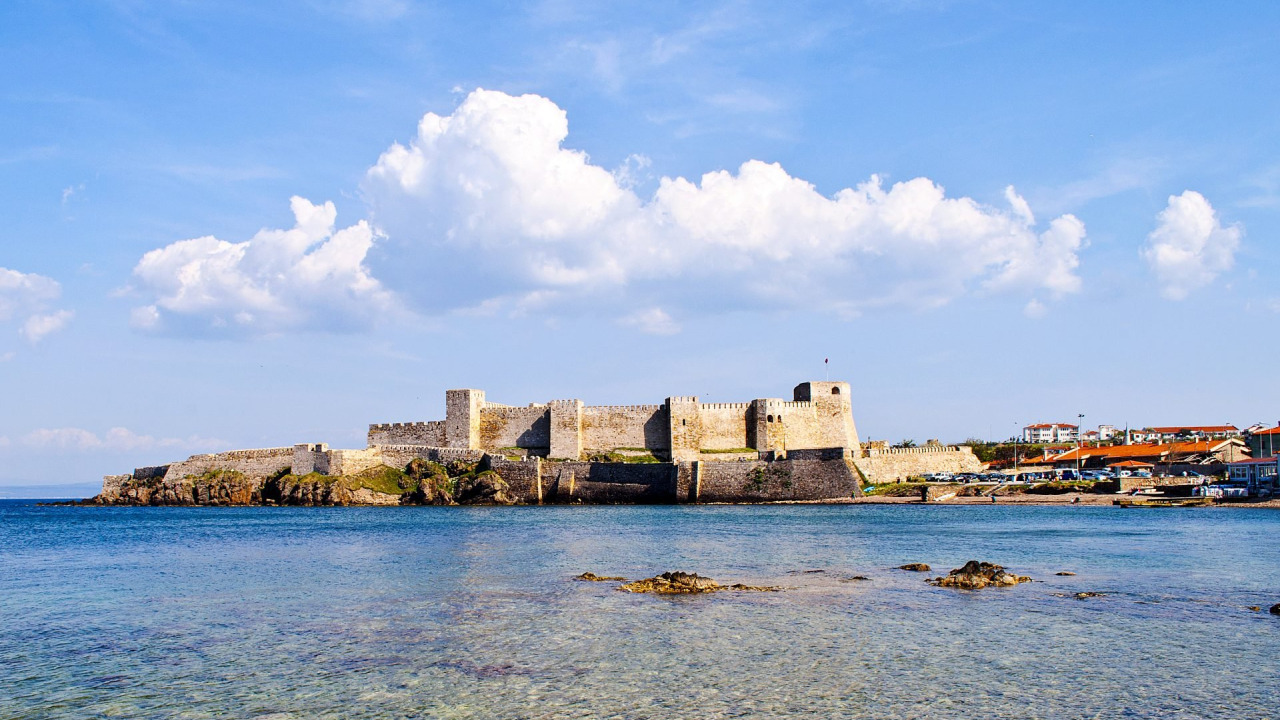
The maritime and relaxation phase of a Çanakkale trip is found on the islands. Bozcaada is famous for its colorful streets, the historic Bozcaada Castle, the cool waters of Ayazma, and a millennia-old tradition of winemaking. With its local vineyards and stunning sunsets beneath the windmills, the island provides a perfect, leisurely break.
For those seeking a longer experience, Gökçeada—one of Turkey's largest islands—is a wonderful alternative. With its historic villages, "Cittaslow" (slow city) status, and untouched nature, it offers a peaceful getaway. Ferry logistics are crucial when visiting the islands; therefore, it is best to schedule island visits on a flexible day to manage potential waiting times. Since the center of Bozcaada is walkable, a short route connecting the castle, the bazaar, and the waterfront is most efficient. The roads leading through vineyards and olive groves are ideal for short drives, making Bozcaada the relaxing finale to any Çanakkale itinerary.
When and How to Visit Çanakkale?
Çanakkale is easily accessible via highway, ferry lines, and the 1915 Çanakkale Bridge. The opening of the bridge has significantly reduced travel time between the European and Asian sides, making it possible to visit both in a single day. However, planning ferry and road logistics in advance for southern stops like Assos or the islands is still recommended to save time.
In terms of timing, the region sees a massive influx of national visitors during the March 18th Çanakkale Victory week; during this period, accommodation can be scarce and some roads may be closed to traffic. To explore the martyrdoms and open-air museums in a more tranquil atmosphere, the spring (April-June) and autumn (September-November) months are ideal. Because this is a multi-stop route requiring logistics, booking through cultural tours reduces the planning burden and allows you to distribute your program more comfortably.
What to Eat in Çanakkale?
The cuisine of Çanakkale is a fusion of the strait's bounty and Aegean flavors. Local specialties include the famous Ezine cheese, traditional cheese halva (peynir helvası), and a variety of seasonal seafood. On Bozcaada, the experience is completed by local wines and olive varieties produced in the island's own vineyards. Local eateries in the center and districts are perfect for sampling these tastes. Fish restaurants along the coast and breakfast spots in the city center are ideal for blending your sightseeing breaks with regional gastronomy.
Frequently Asked Questions 6
How many days does it take to visit Çanakkale?
Since the destination spans both sides of the strait, as well as Assos to the south and Bozcaada offshore, a 2-3 day program is ideal. You can dedicate one day to the Gallipoli Historical Area, one day to Troy and the city center, and the remaining time to Assos and Bozcaada.
What is the most famous place in Çanakkale?
The most iconic landmarks include the Ancient City of Troy (and the Trojan Horse in the city center), the Çanakkale Martyrs' Memorial in Gallipoli, and the Kilitbahir Castle. Troy is particularly symbolic due to its mythological history and archaeological layers.
Is a guide necessary for the Gallipoli Historical Area?
Yes, it is highly recommended. The area covers approximately 33,000 hectares; the location of trenches, war strategies, and the stories behind the monuments are much easier to understand with a professional guide. Furthermore, the region is subject to regulations requiring licensed guides.
How do I get to Bozcaada?
You can reach Bozcaada via ferries departing from Geyikli Pier. Since long vehicle queues can form during the summer, individual travelers are encouraged to use the GESTAŞ online reservation system to reduce waiting times.
What should I eat when visiting Çanakkale?
Don't miss the Ezine cheese, cheese halva, and fresh seafood from the Aegean and the strait. On Bozcaada, be sure to taste the local wines and olive products.
What is the best season to visit Çanakkale?
Spring (April-June) and Autumn (September-November) are the best times to visit the martyrdoms and open-air ruins in a peaceful atmosphere. Avoid the week of March 18th if you wish to avoid heavy crowds and accommodation shortages.