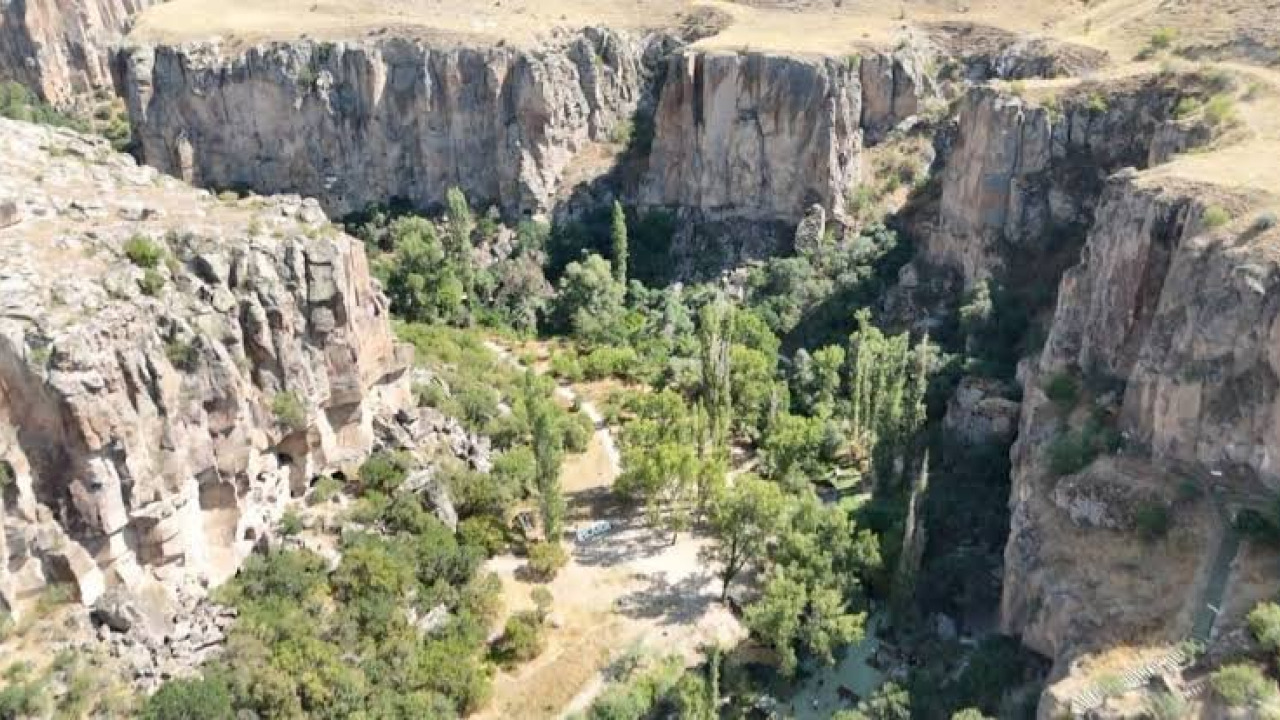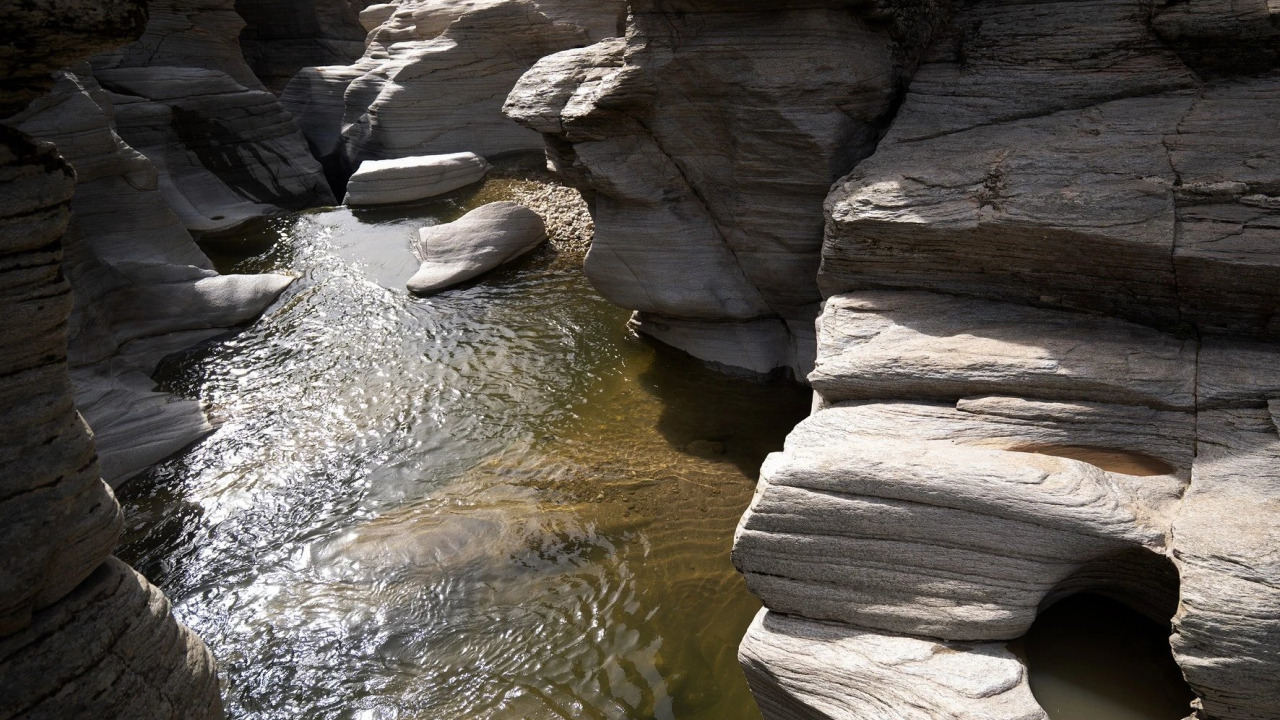
Nestled in the deep valleys at the foot of Isparta's Taurus Mountains, Kovanlı Canyon is a natural gem often explored alongside Yazılı Canyon Nature Park. What makes this region so captivating is the harmonious blend of flowing water, a vibrant red pine forest, and the remnants of an ancient road, all within a narrow valley. As you journey south from Isparta city center, the landscape transforms from the flat plains of the Lakes Region into dramatic rocky gorges, setting the stage for incredible hiking trails. In this guide, we'll cover everything you need to know: how to get to the canyon, the best time to visit, key stops along the route, and essential pre-trip preparations.
Kovanlı Canyon Route: A Quick Overview
Simply put, 'Kovanlı Canyon' refers to the canyon corridor stretching towards Sütçüler in Isparta, with its officially designated section being Yazılı Canyon Nature Park. Most visitors explore this area as a full-day excursion. The route is car-dependent; public transport does not enter the valley. If you add Adada Ancient City and the Kuyucak lavender fields, your itinerary can easily extend to two days.
Quick Facts
| Topic | Information |
|---|---|
| Location | Isparta, Sütçüler district; Çandır Valley |
| Canyon Depth | Varies from 100 to 400 meters in places |
| Highlights | Canyon hiking, Epictetus inscription, St. Paul Trail |
| Best Time to Visit | Late Spring and Early Autumn |
| Transportation | Private car or transfer from Isparta city center |
Must-See Stops Along the Route
Kovanlı Canyon and Valley Hike
The name Kovanlı Canyon is commonly used for this corridor in travel itineraries, though it isn't an officially registered protected area or an independently marked trail. The officially recognized and accessible section of this route is Yazılı Canyon Nature Park in Çandır Valley; all transportation and trail information below refers to this designated park. Practical tip: Cell phone reception can be spotty within the valley, so it's wise to download an offline map of the route. For timing, morning hours are ideal for both lighting and comfortable temperatures.
Yazılı Canyon Nature Park
Yazılı Canyon Nature Park is located in Çandır Valley, within the boundaries of Çandır Village, approximately 20 kilometers from Sütçüler district center. It was designated a nature park in 1989 and spans roughly 600 hectares. The park gets its name from Epictetus's poem "On the Free Man," carved into a rock face within a tabula ansata frame. This route was historically used as a passage between ancient Pisidia and Pamphylia, and today forms part of the St. Paul Trail. Within the park, you'll find marked hiking trails, a picnic area, and a small service point at the entrance. There's an entrance fee, and the park is open during specific hours. The inscription itself can be seen after a pleasant 15-20 minute walk from the picnic area, crossing a bridge and following the stream.
Traces of the Stone-Paved King's Road
The canyon route in this region incorporates sections of what was known in ancient times as the King's Road. This old Roman road, wide enough for horse-drawn carriages, was still in use by local villagers up until about a century ago. Sections of the stone paving are visible, sometimes alongside the path, and sometimes directly on the hiking trail. The worn surfaces of the paving stones and remnants of supporting walls along the roadside are particularly striking. Practical tip: The stone paving can become slippery after rain. For those interested in long-distance hiking routes, check out our Lycian Way guide; if you wish to include ancient road traces in your itinerary, explore our cultural tours options.
Adada Ancient City
Adada Ancient City, located about 2 kilometers outside Sağrak Village, which is part of Sütçüler, is approximately 90 kilometers from Isparta city center. It stands as one of the best-preserved settlements from the ancient Pisidian region. The city's name appears in a treaty with Termessos dating back to the 2nd century BCE, and it experienced a flourishing period during the Roman era under Emperors Trajan and Hadrian. On site, you can explore temple ruins, most notably the Temple of Trajan, along with a stone-paved agora layout and sections of ancient roads. The archaeological site spreads across a forested hillside, with limited shaded areas. Practical tip: Carrying a hat and plenty of water will significantly enhance your comfort.
Kuyucak Village Lavender Fields
When one thinks of Isparta, the iconic lavender landscapes immediately come to mind, concentrated around Kuyucak Village in the Keçiborlu district. With approximately 5,000 decares (about 1,235 acres) of land, the village accounts for a significant portion of Turkey's lavender production. Lavender typically blooms from late June to mid-July; outside this window, the fields may have already been harvested. Practical tip: These fields are active production areas, so please respect the growers' warnings when walking between the rows. If you'd like to incorporate local products and cuisine into your trip, explore our gastronomy tours options.
How to Get to Kovanlı Canyon?
The route is car-dependent, with Isparta city center serving as the primary starting point.
- From Isparta city center, head south, following signs for Eğirdir and Sütçüler.
- After proceeding towards Sütçüler, turn onto the signs for Çandır Village and Yazılı Canyon.
- Leave your vehicle at the parking area at the valley entrance and proceed to the marked hiking trail.
- On your return, you can either retrace your steps or take an alternative route back to the city center, following the shores of Eğirdir Lake.
| Mode of Transport | Advantage | Note |
|---|---|---|
| Private Car | Complete flexibility between stops | Mountain roads have curves and inclines |
| Airport Transfer | Direct transportation | Needs to be arranged in advance |
| Bus and Car Combination | Comfort for long distances | No direct line to the valley entrance |
Connecting via Isparta Süleyman Demirel Airport
Visitors arriving by flight will use Isparta Süleyman Demirel Airport. The airport is located west of the city center, within the boundaries of the Keçiborlu district. There is no direct public transport route to the canyon; plan your car rental in advance.
Alternative Routes and Driving Notes
Those coming from Antalya can either travel via Burdur to Isparta or approach from the south, following the Aksu valley. The Burdur route is generally flatter, while the valley route offers scenic views but is winding. Gas stations are scarce in the mountainous sections; fill up your tank before leaving the city.
Seasonal Visit Calendar
| Period | Advantage | Note |
|---|---|---|
| Spring (April-May) | High water levels, lush green valley | Trails can be wet in places |
| Summer (June-August) | Long daylight hours, lavender season | Midday can be hot |
| Autumn (September-October) | Cooler weather, quieter trails | Daylight fades earlier |
| Winter (November-March) | Quiet atmosphere, crisp views | Road conditions in higher elevations can be variable |
Key Budget Considerations for Your Trip
Costs will vary depending on your transportation and accommodation choices. Entrance to the nature park and archaeological sites are subject to fees; current rates should be confirmed at the official boards at each site entrance.
- Transportation: fuel, transfers, or car rental
- Accommodation: hotels in Isparta city center or guesthouses around Sütçüler
- Entrance Fees: nature park and archaeological site tariffs
- Equipment: hiking shoes, water, dry snacks
Accommodation fills up quickly during high season; book your weekend stays in advance.
Tips Before You Go
- Opt for non-slip hiking shoes and a lightweight backpack that won't strain your shoulders.
- Natural spring water isn't available everywhere in the valley; bring enough drinking water with you.
- Check the weather forecast before you set out, as trails can become slippery after heavy rain.
- Bag your trash and carry it out with you; nature park areas are protected.
- If you prefer a guided hiking experience, explore our nature and adventure tours options.
How Many Days Should You Allocate for the Route?
The canyon route can comfortably be completed in a single day if you maintain a relaxed hiking pace. Those dedicating two days can spend the first exploring the canyon and ancient road traces, and the second visiting Adada Ancient City and the Kuyucak lavender fields. Staying in Isparta city center is a practical way to avoid driving on mountain roads at night. If you wish to include the city's museums in your itinerary, choose a suitable route from our historical city tours.
Frequently Asked Questions 8
Where is Kovanlı Canyon located?
This name refers to the canyon corridor towards Sütçüler in Isparta; its officially designated section is Yazılı Canyon Nature Park in Çandır Valley. Access to the valley entrance is by private vehicle.
How long does it take to get from Isparta to Burdur?
The two cities are close; the journey by private car typically takes around half an hour. Traffic congestion and roadworks may slightly extend this time.
What is the distance of the Isparta Burdur Mountain Road?
The road distance between Isparta and Burdur is approximately thirty kilometers. This distance may vary by a few kilometers depending on the chosen route.
How long does the bus journey take between Burdur and Isparta?
The bus journey takes longer than by private car due to stops and terminal waiting times; it's generally advisable to plan for a duration of one to one and a half hours.
How much is a bus ticket from Burdur to Isparta?
Ticket prices vary by company, departure time, and season. Check current prices through the companies' sales channels or at the terminal ticket offices.
Should I prefer the Antalya-Burdur road or the Antalya-Isparta road?
For those seeking a fast and straightforward drive, the route via Burdur is practical. Those prioritizing scenic views can opt for the southern route following the Aksu valley; this road is more winding.
When is the best time to visit Kovanlı Canyon and Yazılı Canyon?
Late spring to early autumn offers a comfortable window in terms of temperature and water levels. Those wishing to see the lavender fields should plan their visit between late June and mid-July.
How should I prepare for a canyon hike?
Non-slip shoes, sufficient water, a hat, and layered clothing appropriate for the season are essential preparations. Downloading an offline map of the route will help with navigation in areas where communication is weak within the valley.