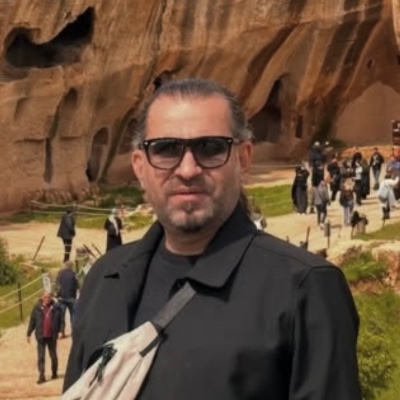
When exploring the heart of Anatolia, Karaman emerges as a destination where history, language, and nature converge in a serene, off-the-beaten-path experience. Known as the city where Karamanoğlu Mehmet Bey declared Turkish the official language in 1277, Karaman is far more than a linguistic landmark. From the early Christian ruins of Binbirkilise nestled at the foot of Karadağ to the gravity-defying rock-cut granaries of Taşkale, the multi-layered Manazan Caves, and the subterranean wonders of İncesu Cave, the city offers a rich tapestry for the curious traveler. Located in southern Central Anatolia on the edge of the Konya plain, Karaman is the perfect escape for those seeking archaeology and nature away from the typical tourist crowds.
At Travel Tour Shop, we specialize in curated Anatolian routes. We have personally vetted Karaman’s scattered archaeological sites and cave systems to ensure they meet our high standards of quality and accessibility. To help you plan your journey, we have organized the must-visit spots below—starting with a quick overview followed by detailed regional guides.
Quick Travel Facts
| Category | Details |
|---|---|
| Province | Karaman (Central Anatolia, south of Konya) |
| Best Time to Visit | May - October (Spring and Summer) |
| Recommended Duration | 2-3 Days |
| Top Highlights | Binbirkilise, Manazan Caves, Taşkale Grain Silos, İncesu Cave, Karaman Castle |
| Getting There | Konya Airport (KYA) + High-Speed Train (YHT) to Karaman Station; rental car recommended for rural sites |
What Makes Karaman Special?
The first thing that defines Karaman is its profound connection to the Turkish language. As the city where Karamanoğlu Mehmet Bey issued the historic decree stating that no language other than Turkish should be used in the court, the assembly, or the public square, Karaman is celebrated as the "Capital of Turkish." Every year on May 13th, the city comes alive with Turkish Language Day festivities.
Beyond its linguistic heritage, Karaman is an archaeological treasure trove. The ruins of Binbirkilise, hidden on the slopes of the extinct volcano Karadağ, the hand-carved silos of Taşkale, and the sprawling Manazan Caves make it one of Central Anatolia's most intriguing cultural hubs. For food lovers, the region is world-renowned for its authentic Divle Obruk cheese. Whether you are drawn by spiritual sites like the tomb of Yunus Emre or the thrill of cave exploration, Karaman offers a diverse itinerary for every type of traveler.
Exploring the Heart of the City: Historic Highlights
The city center is a walkable museum of Karamanoğlu and Seljuk architecture. If you are staying in the center, these are the essential stops.
Karaman Castle
Perched on a hill overlooking the city, Karaman Castle defines the local skyline. Likely constructed in the Middle Ages and serving as a strategic stronghold during the Karamanoğlu Beylik era, the castle offers breathtaking panoramic views of the city and the surrounding plains—making it a prime spot for photography.
Hatuniye Madrasa and Karaman Museum
The Hatuniye Madrasa (also known as Nefise Sultan Madrasa), dating back to 1382, is a masterpiece of stone craftsmanship and a prime example of Karamanoğlu architecture. For a deeper dive into the region's history, the Karaman Museum is an excellent starting point, housing a vast collection ranging from the Canhasan mound findings to Byzantine-era artifacts.
Yunus Emre Mosque and Tomb
Yunus Emre, one of the most influential figures in folk poetry and mysticism, is believed to have spent a period of his life in Karaman. His mosque and adjacent tomb provide a peaceful, spiritual atmosphere, offering visitors a moment of quiet reflection in the heart of the city.
Aktekke Mosque and Çeşmeli Church
The Aktekke Mosque, also known as the Mader-i Mevlana Mosque, is deeply significant as it houses the tomb of Mümine Hatun, the mother of Mevlana Celaleddin Rumi. Nearby, the Çeşmeli Church stands as a testament to the city's multi-layered religious history. These sites allow you to trace the footprints of the Seljuks and the Karamanoğlus in a single afternoon.
Beyond the monuments, you can experience the local pulse at Zeyve Bazaar, where traditional shopping is still a way of life. For a breath of fresh air, the Turkish World Culture Park is a great spot to unwind. If you prefer a guided experience through these historic sites, feel free to explore our cultural tours category.
Binbirkilise and Karadağ: Anatolia's Hidden Byzantine Legacy
The archaeological crown jewel of Karaman is Binbirkilise ("The Thousand Churches"), located on the slopes of the extinct volcano, Karadağ. The name reflects the numerous stone churches and monastery ruins scattered across the landscape.
Between the 4th and 11th centuries, Binbirkilise was a major religious center. The area—spanning the villages of Madenşehri, Üçkuyu, and Değle—is dotted with basilicas, cisterns, and tombs. Built from local grey volcanic stone without the use of mortar, these structures represent a unique style of early Anatolian Christian architecture, distinct from the more famous rock-cut dwellings of Cappadocia. Because the ruins are spread across rugged terrain, we strongly recommend using a high-clearance vehicle and wearing sturdy hiking boots. Since the sites involve short treks (up to 15 minutes) over rocky paths, planning this visit for the early morning is the best way to beat the heat.
The Karadağ basin also links to the ancient city of Derbe, mentioned in early Christian geography. For travelers, Karadağ is a fascinating intersection of geology and history, offering a layered experience where volcanic landscapes meet ancient faith.
Natural Wonders: Caves and Rock-Cut Architecture
Karaman’s appeal extends far beyond its history; its geological formations create some of the most striking landscapes in Turkey.
Taşkale Historic Grain Silos
Located about 40 kilometers from the city center, the village of Taşkale features a marvel of vernacular architecture. Carved directly into the sheer face of a massive tuff rock, there are over 250 historic grain silos. These silos, some reaching several meters high, were accessed via steep ladders and hand-holds. The natural properties of the rock kept the temperature and humidity stable, preserving the grain for years. The sight of these rows of "rock windows" is a highlight for any photography tour.
Manazan Caves
Near Taşkale, the Manazan Caves offer a glimpse into ancient living. This five-story rock-cut settlement, connected by internal stairs and tunnels, was used for shelter and defense in bygone eras. It is conveniently located near the Taşkale silos, making it easy to visit both on the same day.
İncesu Cave
İncesu Cave is one of Turkey's longest accessible caves, stretching 1,356 meters. With well-maintained wooden walkways and lighting, visitors can wander through millions of years of geological history, admiring stunning stalactites, stalagmites, and underground pools. Its cool internal temperature makes it a refreshing stop during the summer. For those interested in itineraries that combine caves and canyons, check out our nature and adventure tours.
Ermenek Valley and Surroundings
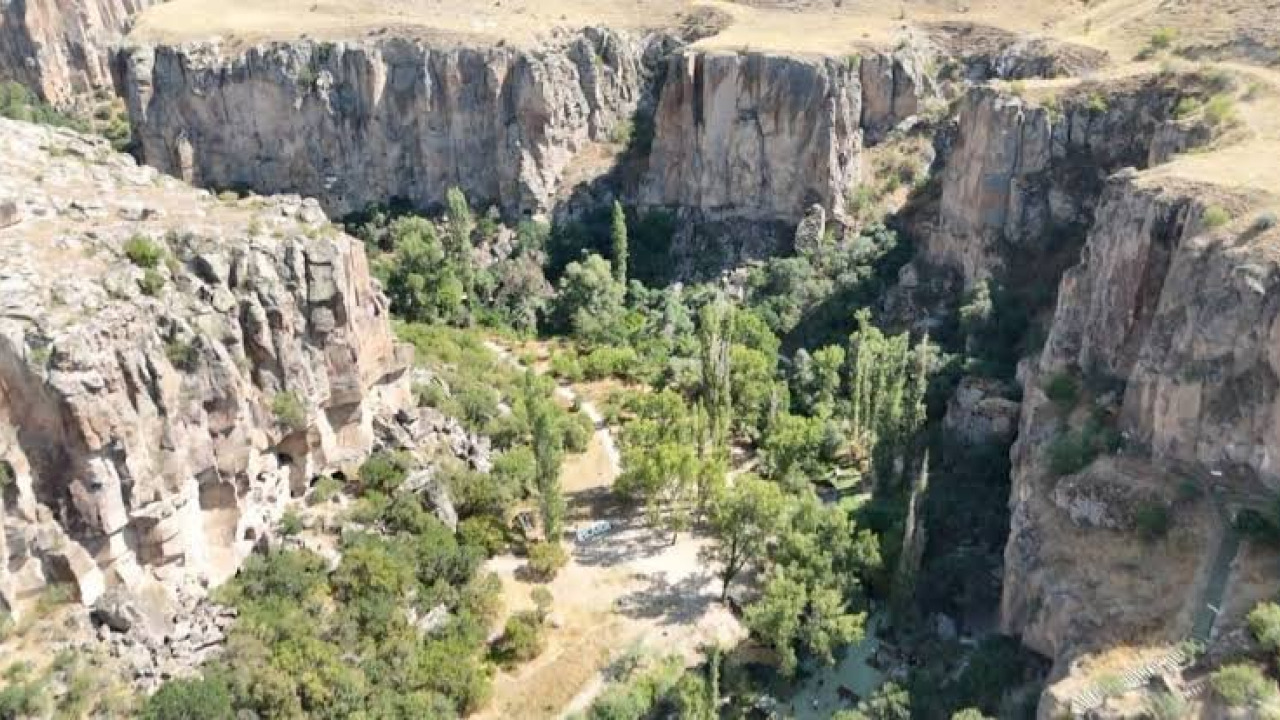
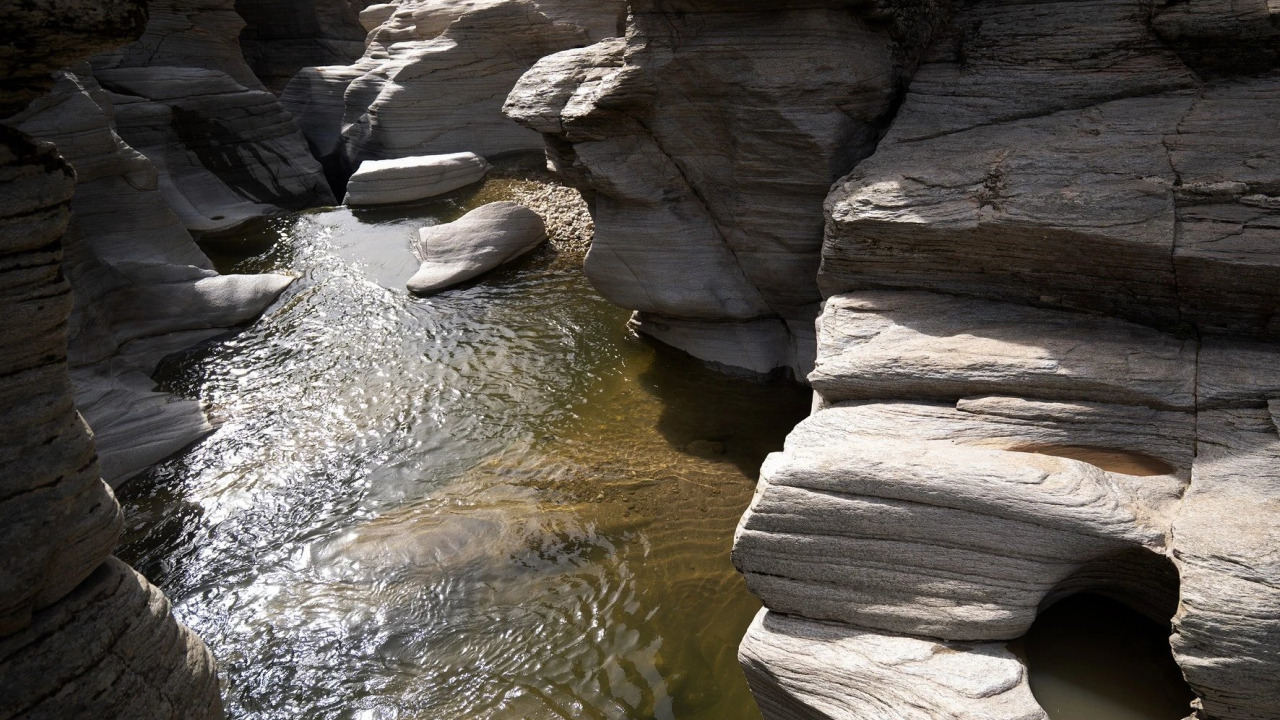
The district of Ermenek is a paradise for nature lovers, featuring a turquoise dam lake, dramatic canyons, and hidden caves. Due to its distance from the city center, Ermenek is typically treated as a separate day trip, offering a breathtaking mountain backdrop for those looking to escape the plains.
A Taste of Karaman: Local Gastronomy
Karaman’s cuisine is a delicious blend of Central Anatolian grain traditions and the meat-and-cheese richness of the Taurus Mountain nomads (Yörüks).
- Divle Obruk Cheese: A registered specialty, this mold-ripened cheese is made from goat and sheep milk and aged in the Divle Obruk Cave, dozens of meters underground. The natural cave environment turns the skin of the cheese bags red over time, resulting in a sharp, intense flavor.
- Karaman Calla: A traditional slow-cooked dish where lamb is simmered for hours in a clay pot (calla) with pearl onions, garlic, tomatoes, and peppers in a stone oven.
- Shepherd's Sauté (Çoban Kavurması) and Toyga Soup: Hearty, thyme-infused sautéed meats from the highlands paired with Toyga soup—a refreshing blend of cracked wheat and strained yogurt.
From traditional eateries in the city center to cozy village guesthouses, tasting these local flavors is the best way to complete your cultural journey through Karaman.
Planning Your Visit: When and How to Go
Best Time to Visit: Due to heavy snowfall in the winter, the mountain roads to Karadağ and Binbirkilise can be inaccessible. The ideal window is between May and October. Spring is particularly beautiful, as the mountain villages are draped in vibrant greenery.
Transportation: The nearest airport is Konya Airport (KYA). Alternatively, you can take the High-Speed Train (YHT) from Ankara or Istanbul directly to Karaman Station. While the city center is walkable, visiting Binbirkilise, Taşkale, and Ermenek requires a private car or a guided transfer. Since some roads to the mountain villages are unpaved, a 4x4 or high-clearance vehicle is highly recommended.
Suggested Itinerary: Karaman is best visited as part of a larger loop including Konya or Mersin (Mut). - Day 1: City center highlights and the ruins of Binbirkilise. - Day 2: Taşkale Grain Silos, Manazan Caves, and İncesu Cave. - Day 3 (Optional): A full day exploring the Ermenek Valley and lake. For help with logistics and accommodation, you can browse all our tour options.
Pro Tips: - Wear non-slip hiking shoes for the caves and ruins. - Bring a light jacket for the caves, as temperatures remain cool regardless of the weather outside. - Stock up on water and fuel in the city center, as services are sparse in the rural highlands. - For the best photos at Taşkale and Binbirkilise, aim for the "golden hour"—early morning or late afternoon.
Frequently Asked Questions 6
What is Karaman famous for?
Karaman is renowned as the 'Capital of Turkish' due to the decree of Karamanoğlu Mehmet Bey. It is also famous for the Byzantine ruins of Binbirkilise, the rock-cut architecture of Taşkale and Manazan, and the unique Divle Obruk cave-aged cheese.
What are the best natural sites to visit in Karaman?
The top natural attractions include the Taşkale Grain Silos, the five-story Manazan Caves, the 1,356-meter-long İncesu Cave, and the scenic Ermenek Valley and dam lake.
Where is Binbirkilise and how do I visit it?
Binbirkilise is located on the slopes of the extinct volcano Karadağ, north of the city center, around the villages of Madenşehri and Değle. It is best explored by car, followed by short walks between the ruins. Comfortable shoes and a high-clearance vehicle are recommended.
What should I eat in Karaman?
Don't miss the registered Divle Obruk cheese, the slow-cooked Karaman Calla (lamb in clay pot), thyme-rich Shepherd's Sauté, and the refreshing Toyga soup.
How do I get to Karaman?
The most convenient ways are via Konya Airport or the High-Speed Train (YHT) from Istanbul or Ankara. A rental car or guided transfer is necessary to reach the sites outside the city center.
How many days are needed to see Karaman? Is a day trip possible?
A day trip is only sufficient for the city center. To fully experience Binbirkilise, Taşkale, and the caves, we recommend allocating 2-3 days for a more relaxed and comprehensive visit.