
What makes planning a trip to Jordan tricky isn't its size, but its dramatic shifts in elevation. The northern Amman plateau sits over 700 meters above sea level. Head west for just an hour, and you'll descend into the Dead Sea basin, more than 400 meters below sea level. Continue south, and you'll emerge on the Red Sea coast in Aqaba. These three distinct altitudes mean three different climates, often on the very same day: a January morning requiring a coat in Amman could coincide with an afternoon swim in Aqaba. This guide to Jordan's travel season is built around this unique geographical logic, offering month-by-month temperature data, varying visitor windows for different attractions, and a clear sequence to help you plan your perfect trip.
Quick Facts
| Topic | Information |
|---|---|
| Scope | Choosing your season in Jordan: Amman, Petra, Wadi Rum, Dead Sea, Aqaba |
| Comfortable period | March-May & September-November |
| Summer characteristics | Dry heat; Aqaba July average 39.4 °C |
| Winter characteristics | Amman rainy & cool; Aqaba daytime 20-22 °C |
| Hiking window | North: March-April; South: February-March |
| Petra gate hours | Summer 06:00-18:00, Winter 06:30-17:00 |
| Recommended duration | 5-7 days; two full days for Petra |
| Time zone | UTC+3 (no daylight saving) |
What Makes Jordan's Climate So Diverse?
It's impossible to summarize Jordan's seasons in a single sentence, as the country packs three distinct climate zones into a relatively small area.
Altitude Divides Jordan into Three Distinct Seasons
The northern plateau, influenced by the Mediterranean, receives winter rainfall, and even sees snow in some years. The Rift Valley, a depression stretching below sea level, remains milder year-round. The southern desert and Red Sea coast are characterized by dry heat. The Dana Biosphere Reserve serves as a textbook example of this transition: it starts at approximately 1,500 meters on the Qadisiyah plateau, descends below sea level into Wadi Araba, and encompasses Mediterranean, Irano-Turanian, and Sudanian biogeographical zones within its borders.
Dramatic Temperature Swings on the Same Day
Measured climate norms vividly illustrate this difference. In January, Amman's average high is 12.3 °C, while Aqaba enjoys a balmy 20.5 °C in the same month. By July, Amman reaches 32.0 °C, and Aqaba soars to 39.4 °C. This significant variation, packed into short distances, allows for two distinct types of holidays. Due to low humidity, daytime heat dissipates quickly in the evening, meaning you'll often need different attire for day and night in the desert and on the plateau.
Jordan Weather by Month: Temperature & Rainfall
The values below are derived from climate norms published by the World Meteorological Organization, using data from the Jordan Meteorological Department. The Amman row represents the plateau region, while Aqaba represents the coast; Petra and Wadi Rum fall somewhere in between.
| Month | Amman High | Amman Low | Aqaba High | Amman Rainfall |
|---|---|---|---|---|
| January | 12,3 °C | 3,6 °C | 20,5 °C | 63,4 mm |
| February | 13,7 °C | 4,2 °C | 22,2 °C | 61,7 mm |
| March | 17,2 °C | 6,1 °C | 25,7 °C | 43,1 mm |
| April | 22,6 °C | 9,5 °C | 30,7 °C | 13,7 mm |
| May | 27,8 °C | 13,5 °C | 35,1 °C | 3,3 mm |
| June | 30,8 °C | 16,6 °C | 38,4 °C | 0 mm |
| July | 32,0 °C | 18,5 °C | 39,4 °C | 0 mm |
| August | 32,4 °C | 18,6 °C | 39,1 °C | 0 mm |
| September | 30,7 °C | 16,6 °C | 36,4 °C | 0,3 mm |
| October | 27,1 °C | 13,8 °C | 32,7 °C | 6,6 mm |
| November | 20,4 °C | 9,3 °C | 27,0 °C | 28,0 mm |
| December | 14,4 °C | 5,2 °C | 21,8 °C | 49,2 mm |
Spring: March, April, May
This is arguably the most pleasant time for outdoor activities. Rainfall in Amman tapers off through March and is almost non-existent by April. While Aqaba crosses the summer threshold in May with an average of 35.1 °C, the plateau still enjoys daytime temperatures around 27 °C. As this is a popular period, booking flights and accommodation well in advance is highly recommended for a comfortable trip.
Summer: June, July, August
Summer brings dry heat. In Amman, due to low humidity, 32 °C feels more tolerable than in a humid coastal city. However, midday hours in Aqaba and the desert are generally unsuitable for extensive walking or outdoor activities. Your itinerary will revolve around the clock: outdoor exploration in the morning, indoor activities or water-based fun in the afternoon, and returning to outdoor sites in the late afternoon/evening.
Autumn: September, October, November
September still feels like summer, but October brings a welcome drop in temperature and softer light. Amman's average high cools to 27.1 °C in October and 20.4 °C in November. Aqaba, even in November, extends its beach season with a daytime average of 27.0 °C. While some rain returns in November, it's generally not enough to disrupt your plans.
Winter: December, January, February
This is the wet season for the plateau; Amman experiences its rainiest month in January with 63.4 millimeters, and snow can even be seen in some years. Aqaba, however, remains mild at 20.5 °C. Crowds thin out, and accommodation and flight costs become more budget-friendly. The trade-off is shorter daylight hours and earlier closing times for archaeological sites.
Which Season is Right for You?
Choosing your travel period depends more on your trip's purpose than just the weather; this table matches your expectations with measured data.
| Priority | Best Period | Reason | Consider |
|---|---|---|---|
| Ancient cities & museums | March-April, October-November | Mild walking temperatures, soft light | April is peak season |
| Long hikes & trails | South: Feb-March; North: March-April | Water flows, temperatures are low | Trails can be muddy in winter |
| Sea & diving | May, September-October | Aqaba 32-35 °C range | July-August challenging on land |
| Desert accommodation | October-November, March-April | Cool nights, mild days | Tents get hot in summer |
| Quiet trip & budget | December-February | Crowds decrease, prices drop | Short days, rain on plateau |
| Family trips | April-May, September-October | Moderate temperatures | School holidays increase demand |
How Attractions Vary by Season
Choosing your travel period isn't a country-wide decision, but rather a stop-by-stop one.
Petra: Gate Hours Change with the Season
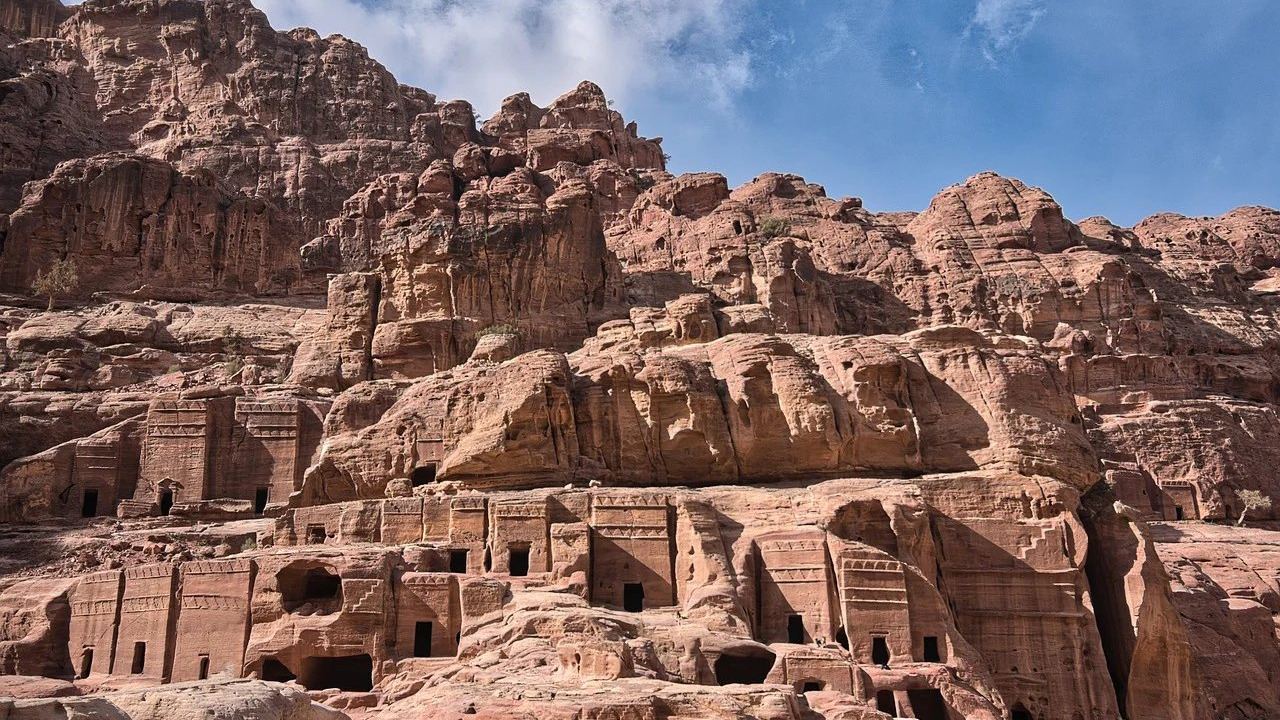
Established by the Nabataeans and used through the Roman era, Petra was inscribed on the UNESCO World Heritage List in 1985 under criteria (i), (iii), and (iv). The site operator divides the year into two periods: during summer, the site and visitor center are open from 06:00-18:00, and in winter, from 06:30-17:00. Little Petra's ticket office operates from 07:00-16:00 in summer and 07:00-14:00 in winter. As daylight fades earlier in winter, it's best to plan your walk from the Siq to the Treasury for the morning. Petra by Night, illuminated by candlelight, runs from 20:30-22:30; as its operating days vary seasonally, please confirm on visitpetra.jo. For those interested in exploring ancient cities with guided programs, the cultural tours in Turkey category offers a similar experience in Anatolia.
Wadi Rum: Day and Night are Separate Seasons in the Desert
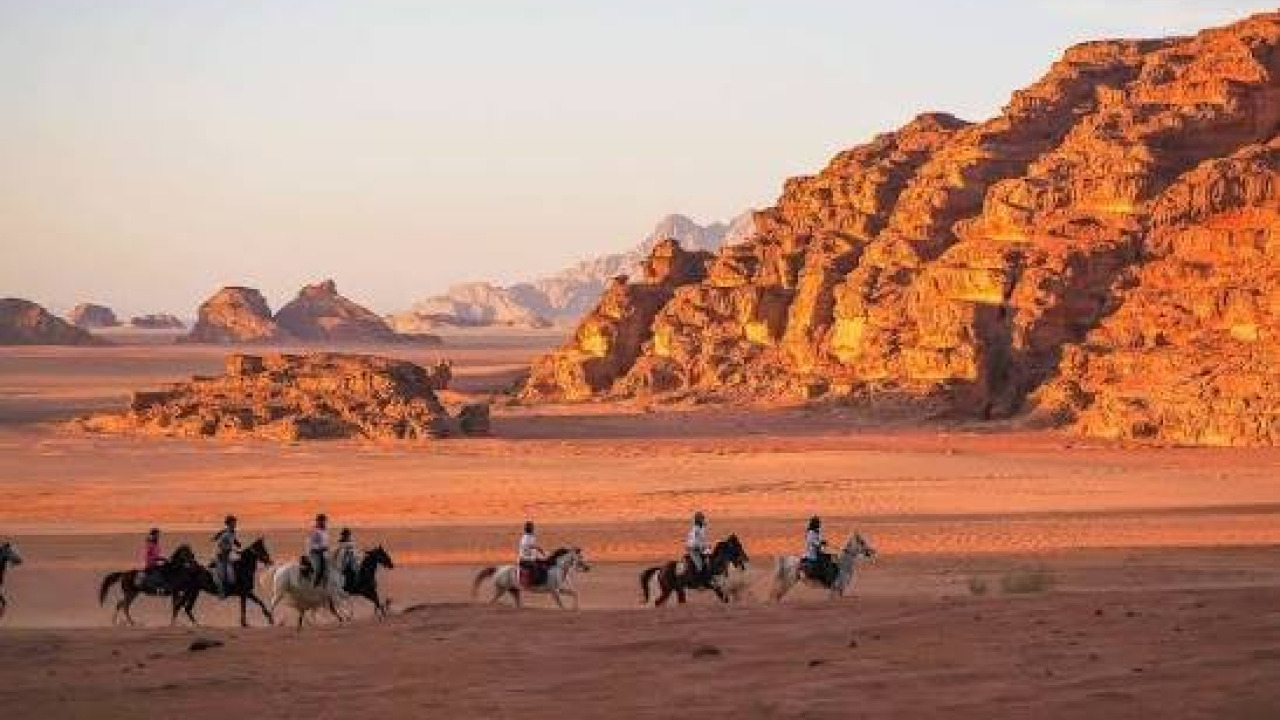
The 74,000-hectare Wadi Rum Protected Area was inscribed on the World Heritage List in 2011 as a mixed natural and cultural site, boasting 25,000 rock carvings and 20,000 inscriptions. During summer, daytime activities are best confined to the morning and late afternoon, as tent interiors can become very hot. The period between October-November and March-April is ideal for daytime hikes and evening stargazing. Winter nights can get significantly cold; inquire about heating arrangements when booking desert camps.
Dead Sea: The Basin's Own Calendar
The Dead Sea coast, more than 400 meters below sea level, is several degrees warmer than the plateau, making winter swims possible. In mid-summer, the situation reverses, with temperatures in the basin exceeding the national average, making midday stays on the shore challenging. Due to the high salt content, avoid entering the water with open wounds and always rinse off with fresh water on the shore, regardless of the season.
Aqaba: The Coast for Winter Swims
Aqaba, on the Red Sea coast, is the country's warm corner in winter, with average high temperatures of 20.5 °C in January and 21.8 °C in December. While summer temperatures in the 39 °C range can make land exploration challenging, they don't affect underwater activities; reefs are close to shore, making excursions short. A practical solution for summer is to schedule land activities for the morning and water activities for midday.
Jerash and Amman: The Dance of Stone and Light
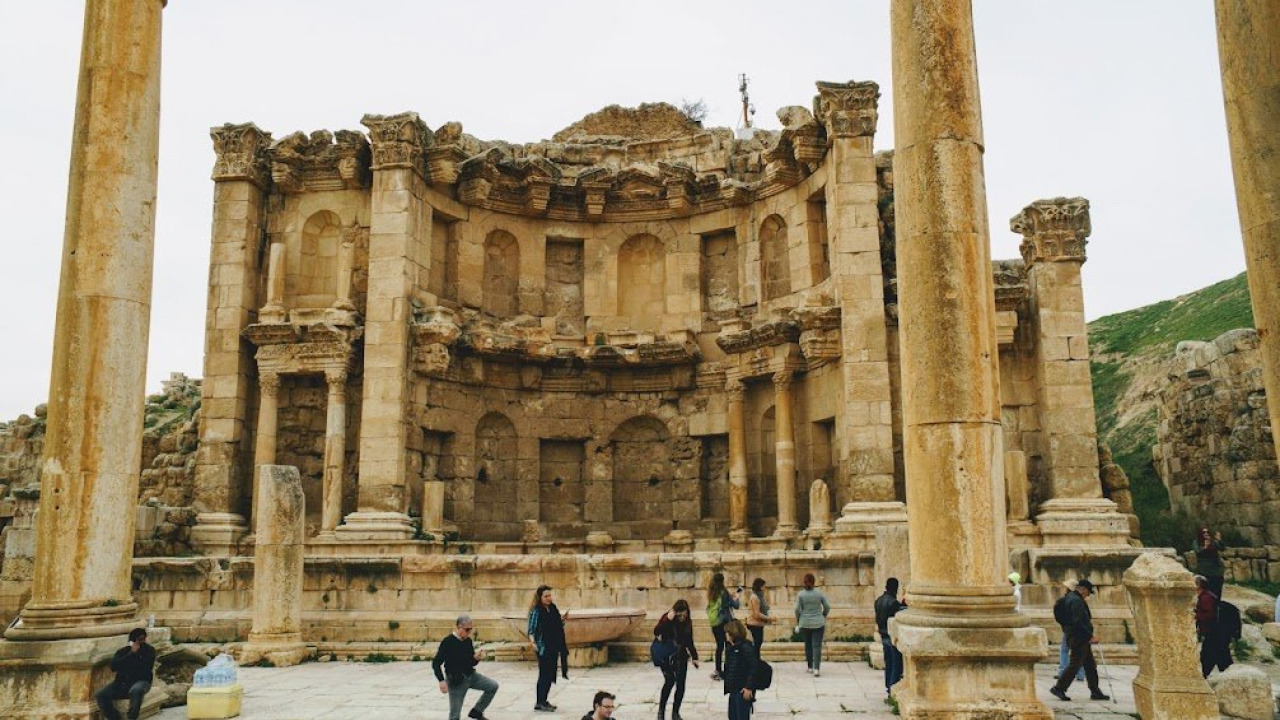
The Roman-era ruins in the north and Amman Citadel are exposed areas; midday hours in mid-summer can be exhausting. In spring and autumn, the light softens and lowers, making the columned streets and structures more striking. In winter, rain can make stone surfaces slippery.
Dana and Jordan Trail: Your Hiking Window
Dana, the country's largest biosphere reserve, was established in 1989 and joined UNESCO's Man and the Biosphere program in 1998, covering approximately 291.5 square kilometers. The Rummana campsite within the reserve is not open year-round; its season typically runs from early spring to late autumn. Please confirm current dates on rscn.org.jo. For the Jordan Trail, which traverses the country from north to south, the official recommendation is clear: March and April are ideal for the northern sections, while February and March are best for the south. A secondary window extends from September to mid-November. The same source recommends hiking with a local guide for safety reasons. For those seeking similar trail experiences, the nature and adventure tours in Turkey category is a great starting point.
Your Step-by-Step Guide to Planning Your Trip
To avoid guesswork when choosing your travel period, follow these steps; each one will help define the next.
- Define your trip's main purpose: ancient cities, long hikes, sea activities, desert accommodation, or a mixed itinerary.
- Select the corresponding month range from the decision table, then check the Amman and Aqaba values for that month.
- Determine the main focus of your itinerary; a north-heavy route will offer a different experience than a south-heavy one in the same month.
- Note the closing times for archaeological sites in your calendar, as daylight hours are shorter in winter, reducing the number of stops you can make.
- Match your transportation connections with the season; for winter trips, factor in extra travel time for road conditions due to rain.
- Finalize your accommodation based on the region and confirm entry requirements from official sources to complete your plan.
Getting There & Getting Around Jordan
Distances in Jordan are relatively short, but transfer times can vary depending on the route.
Flights and Airport Connections
The country's main gateway is Queen Alia International Airport, located 35 kilometers south of Amman. According to the Jordan Tourism Board, a taxi ride from the airport to the city center takes 30-45 minutes, and a shuttle service departs every half hour to the central bus station. King Hussein International Airport in the south is approximately a 45-minute flight from Amman. Flying into Amman and departing from Aqaba can save you from backtracking the same route twice.
Intercity Buses, Car Rentals & Transfers
Petra's official source provides clear travel times: from Amman, a private car or taxi takes approximately 3 hours via the Desert Highway, or about 4 hours via the scenic King's Highway. JETT buses depart from Amman's Abdali station at 06:30, with return trips from Petra at 17:00. Public minibuses run from the southern terminal between 09:00-16:00, with returns from Petra between 06:00-13:00. The bus journey from Aqaba to Petra takes approximately 2 hours.
Your Seasonal Packing List
Two people visiting the same country in different months might pack entirely different bags.
- For summer: a wide-brimmed hat, light-colored and breathable fabrics, high-factor sunscreen, a refillable water bottle.
- For winter: a windproof outer layer, a mid-layer for evenings on the plateau, waterproof shoes, and a light rain jacket.
- For spring and autumn: a layered system that allows for lighter clothing during the day and warmer options in the evening.
- For all seasons: sturdy walking shoes with good grip, a thin neck gaiter for dust, a flashlight, and a portable power bank.
- At archaeological sites, clothing that covers your shoulders and knees will both protect you from the sun and respect local customs.
Seasonal Cuisine and Accommodation Zones
A common culinary thread is Mansaf: prepared with lamb, Jameed (a dried fermented yogurt), and rice. Zarb, cooked underground in the desert, pairs perfectly with cool evenings and is particularly enjoyable in spring and autumn. Mezze dishes vary by season; fresh vegetables and herbs are prominent in summer, while hearty, legume-based warm dishes take center stage in winter.
When it comes to accommodation, your choice of region will define the backbone of your itinerary. In Amman, the city center and its surroundings offer walking access to museums and the Citadel. In Petra, the town of Wadi Musa is the closest settlement to the entrance gate, making it easy to catch the morning opening. Accommodation in Wadi Rum is primarily through desert camps; inquire about heating and cooling arrangements in advance. The strip of resorts along the Dead Sea coast provides direct beach access, while Aqaba's coastline simplifies sea-based activities. If you're interested in seeing how this itinerary-building logic applies to other destinations, our Egypt travel guide and Italy travel guide articles follow the same approach.
Practical Information & Entry Requirements
Visa requirements vary by nationality and are updated periodically; always confirm the latest information on the Jordan Tourism Board's official website, visitjordan.com, before your trip. For the Jordan Pass, which combines archaeological site entries with your entry visa, the definitive source is jordanpass.jo.
| Topic | Information |
|---|---|
| Currency | Jordanian Dinar (JOD) |
| Official language | Arabic; English is widely spoken in tourism areas |
| Time zone | UTC+3; no daylight saving |
| Electricity | 230 volts, 50 hertz; mixed plug types, a universal adapter is practical |
| Emergency call | 911 (Public Security Directorate unified line) |
| Tourist police | 117777 |
| Ramadan impact | Shifts approximately eleven days earlier each year according to the Hijri calendar; business hours may change |
Frequently Asked Questions 6
What is the most comfortable month to visit Jordan?
The periods of March-May and September-November are balanced for outdoor activities. In Amman, the average high temperature is 27.1 °C in October and 22.6 °C in April; this range suits both ancient city walks and desert programs. For a sea-focused plan, May and September-October are more suitable.
How hot does it get in Jordan during the summer months?
According to climate norms, Amman's average high temperature is 32.0 °C in July and 32.4 °C in August. In Aqaba, these same months reach 39.4 °C and 39.1 °C. Due to low humidity, the heat feels more tolerable than in humid coastal areas, but midday walks in unshaded areas are not recommended.
Can you swim in the sea in Jordan during winter?
Aqaba's average high temperature is 20.5 °C in January and 21.8 °C in December, making the Red Sea coast the warmest corner of the country in winter. The Dead Sea coast is also milder than the plateau due to its below-sea-level elevation. On the same days, Amman might be in the 12-14 °C range and rainy.
How many days should you allocate for Jordan?
For an itinerary covering Amman, Petra, Wadi Rum, and the Dead Sea, 5-7 days provides a balanced framework. Petra's vast area makes two full days ideal for comfortable exploration. If you plan to add a sea program in Aqaba, extend your trip by two more days.
What is the best time of day to visit Petra?
According to the site operator's published hours, gates open at 06:00 during summer and 06:30 during winter. Arriving at opening helps you avoid both crowds and midday heat. As the site closes at 17:00 in winter, adjust your daily itinerary accordingly.
Is a visa required to enter Jordan?
Visa requirements vary by nationality and are updated periodically. Entry rules may also differ between land border crossings and airports. Before traveling, confirm the current conditions on the Jordan Tourism Board's official website, visitjordan.com; for the system covering archaeological site entry, jordanpass.jo is the definitive source.