
Rising from the legendary landscapes of the Middle East, Jordan offers a breathtaking playground for trekking enthusiasts, defined by rose-red sandstone canyons and endless crimson deserts. Trails beginning in Petra, the monumental city carved into rock by the Nabataeans millennia ago, lead visitors on an unforgettable journey through the depths of history. Meanwhile, the desert routes stretching toward the Wadi Rum valley open the doors to an entirely different world of massive rock towers shaped by the wind.
As you navigate the shaded twists of the Siq canyon, the sudden, majestic appearance of Al-Khazneh creates a visceral thrill that makes you forget every step of the climb. Walking across red sand dunes requires physical endurance, but it also offers a profound mental clarity found only in the desert's deep silence. Sipping Bedouin tea as the dunes turn fiery red at sunset is one of those precious moments that truly captures the soul of this ancient land.
To plan your hiking and exploration routes with expert guides, browse our Jordan walking tour options to tailor your itinerary. If you are looking for more rugged adventures, check out our Jordan nature tours. For all your travel needs in the region, visit our Jordan tours page.
Quick Facts About Jordan Hiking Routes
| Feature | Practical Visitor Summary |
|---|---|
| Region & Location | Southern Jordan, Ma'an and Aqaba governorates, Petra and Wadi Rum |
| Highlight Trails | Siq Canyon, Al-Khazneh, Ad Deir Monastery path, Burdah Rock Bridge |
| Ideal Hiking Season | Spring (March to May) and mild Autumn (September to November) |
| Recommended Duration | 2 full days for Petra; 2 days for Wadi Rum desert trekking and camping |
| Terrain & Conditions | Sandstone steps, rocky canyon paths, and deep red sand dunes |
| Best Suited For | Hikers, history buffs, photographers, and adventure seekers |
The Magic of Petra: Walking Through Rose-Red Rocks
A UNESCO World Heritage site, Petra is one of the most impressive settlements in human history, featuring temples and tombs carved directly into massive sandstone cliffs. The Siq, the narrow gorge that serves as the city's entrance, offers a mysterious welcome with canyon walls reaching up to two hundred meters in height. The ancient water channels along the canyon floor showcase the advanced hydraulic engineering the Nabataean civilization mastered in this arid environment.
As the canyon opens up, the sudden rise of Al-Khazneh (The Treasury) leaves hikers in awe with its delicate column carvings and soft pink hues. Walking along the Colonnaded Street, past the ancient theater and Royal Tombs, allows you to experience the city's grand past step by step. This open-air museum feels less like a walk and more like a living journey through time.
As you venture deeper into the city, the rock colors shift through vibrant shades of yellow, orange, and purple. Steep trails lead visitors to high sacrificial altars and panoramic viewpoints. Hiking in Petra is both a history lesson and a rewarding outdoor sport.
The Siq Canyon and Al-Khazneh Temple
The Siq is a narrow geological fissure, roughly one kilometer long, created by tectonic forces and sculpted by water over millennia. Walking the canyon floor in the early morning creates a magical play of light and shadow as the sun filters through the cracks. The cool breeze within the canyon provides a natural respite from the desert heat outside.
The camel caravan reliefs still visible on the canyon walls whisper stories of Silk Road merchants who once passed through this narrow bottleneck. As you reach the final bend of the Siq, the sight of Al-Khazneh’s columns emerging from the darkness will make your heart race. To truly experience this moment, it is highly recommended to walk the canyon in the early morning hours.
Standing in the plaza before the temple to admire its monumental facade reveals the pinnacle of ancient human craftsmanship. Paths branching off from the plaza offer excellent options for those seeking quieter, more secluded canyon passages. Al-Khazneh is the unforgettable gateway to your Jordan hiking adventure.
The Ad Deir Monastery Path and High Viewpoints
To reach the Ad Deir Monastery, located deep within the Petra valley, you must climb a stone path consisting of approximately eight hundred steps. These ancient stairs carved into the rock reveal the canyon's wild beauty from a new angle at every turn. Along the way, Bedouin-run shaded tents serve as perfect resting spots for a refreshing cup of mint tea.
Upon reaching the summit, the sheer scale of Ad Deir, with a facade even wider than Al-Khazneh, makes the climb worth every effort. Short trails leading to the high cliffs behind the monastery offer breathtaking views overlooking the Arava Valley toward the Israeli border. These viewpoints are incredibly peaceful spots to listen to the desert wind.
The wide rocky plateaus surrounding the monastery provide ample space for midday breaks and photography. Watching the sunset paint the rocks in deep crimson on your descent adds a layer of elegance to the trek. The climb to Ad Deir will undoubtedly be the most rewarding hiking segment of your Petra visit.
Wadi Rum Valley and Red Desert Trails
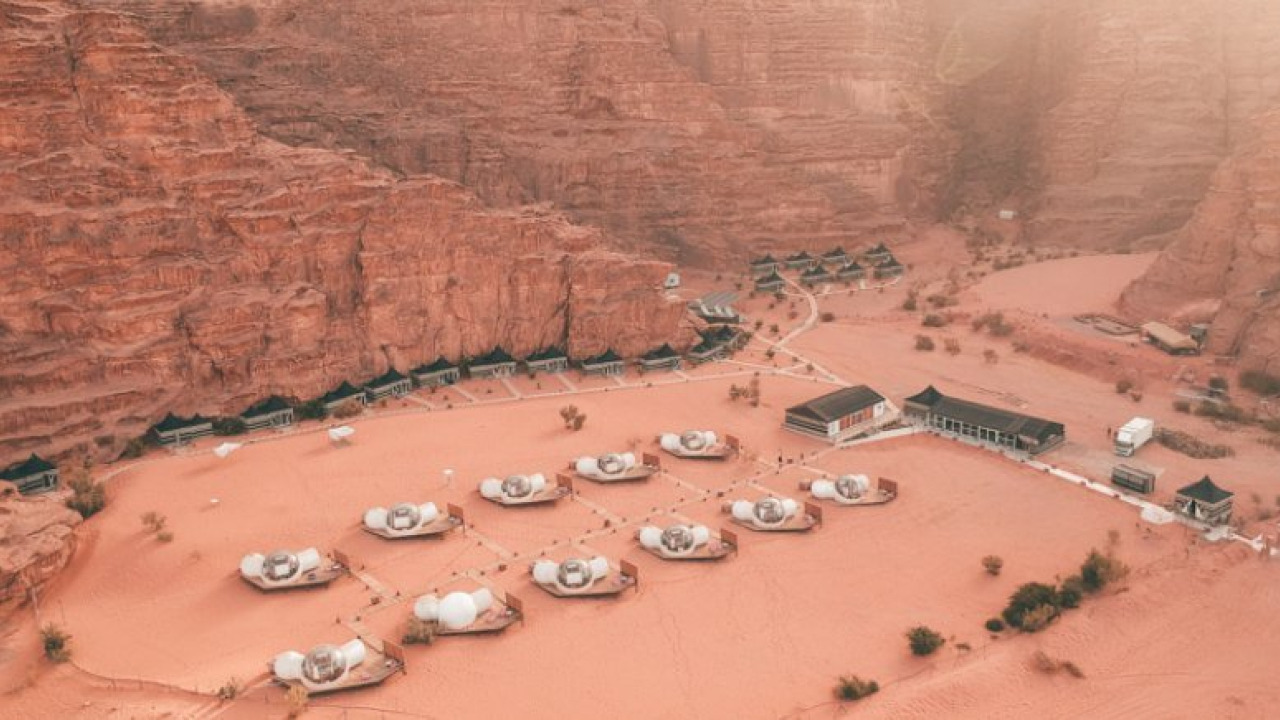
Located a two-hour drive south of Petra, Wadi Rum is often called the "Mars on Earth" due to its red sand dunes and granite towers. Hiking trails through the desert involve navigating soft sands and exploring natural rock bridges. The desert chill that settles in after the daytime heat creates a mesmerizing atmosphere when paired with thousands of stars in the night sky.
Climbing toward the Burdah and Um Fruth rock bridges provides an exciting challenge that requires moderate scrambling and balance. The sound of the wind echoing through the massive canyons emphasizes the profound sense of silence and serenity here. Walking in Wadi Rum helps you truly grasp the simplicity and vastness of nature.
In the evenings, gathering around a campfire at traditional Bedouin camps offers a chance to experience desert culture alongside local delicacies. Lamb and vegetable dishes cooked under the sand (Zarb) turn the day's physical effort into a delicious feast. Resting in your tent amidst the silence of the desert night fully rejuvenates your body for the next day's trek.
Difficulty Levels and Durations of Jordan Hiking Routes
Hiking routes in Jordan require different levels of preparation depending on the terrain and elevation changes. For your safety, please consider the data in the comparison table below when planning your trip.
| Trail Name | Total Distance | Avg. Duration | Terrain Type | Difficulty Level |
|---|---|---|---|---|
| Siq & Petra Main Valley | 8 - 10 Kilometers | 3 - 4 Hours | Flat paving and light dirt slopes | Easy - Moderate |
| Ad Deir Monastery Path | 5 Kilometers (Round Trip) | 2.5 - 3 Hours | Steep 800-step rock climb | Moderate - Hard |
| High Sacrifice Altar | 6 Kilometers | 3 - 4 Hours | Steep stone path and rocky ridges | Moderate - Hard |
| Wadi Rum Desert Valley | 12 - 15 Kilometers | 5 - 6 Hours | Deep red sand and rocky canyon floors | Moderate (Requires Fitness) |
As shown in the table, while the main Petra valley offers a comfortable walk, the Ad Deir segment requires consistent leg strength and breath control. In Wadi Rum, trekking through sand can consume twice as much energy as walking on standard paths. Therefore, it is vital to distribute your routes evenly across multiple days.
Choosing equipment suited to the terrain directly impacts your comfort. Sturdy boots with ankle support are essential for the stone steps of Petra, while gaiters are useful in Wadi Rum to prevent fine sand from entering your shoes. Hiking with local guides also provides the opportunity to discover hidden passages.
A 5-Step Hiking Plan for Petra and Wadi Rum
To avoid the midday heat and explore the ancient city and desert most efficiently, follow this 5-step plan.
- Early Morning Siq Entry: Enter the Siq canyon as soon as the gates open at 06:30 AM to reach Al-Khazneh before the crowds arrive.
- Royal Tombs and Colonnaded Street Exploration: Walk through the main valley in the morning cool to photograph the theater and ancient temple ruins.
- Afternoon Ad Deir Climb: As the sun's angle shifts, tackle the eight hundred steps to Ad Deir Monastery to take in the desert vistas.
- Transfer to Wadi Rum and Sunset Trek: On your second day, head to the desert and enjoy a 3-hour hike toward the Burdah Rock Bridge along the red dunes.
- Bedouin Camp and Stargazing: Enjoy a traditional dinner around a campfire and unwind under the crystal-clear desert sky.
Essential Tips for Desert and Canyon Hiking
When embarking on long treks in the Middle Eastern landscape, taking precautions against the climate is mandatory for your safety. Keep these practical points in mind to stay healthy in the desert.
- Hydration and Electrolytes: In the dry desert air, sweat evaporates so quickly you may not realize how much water you are losing; carry at least three liters of water per day.
- Full Sun Protection: Wear a wide-brimmed hat or a traditional Bedouin keffiyeh, along with long-sleeved linen clothing and sunglasses.
- Ankle-Support Trekking Boots: Wear boots with a solid sole to prevent slipping on Petra's stone steps and to protect against ankle twists.
- Gaiters and Socks: Use lightweight gaiters to prevent the fine sands of Wadi Rum from filling your shoes.
- Headlamp and Power Bank: Always keep a spare battery-powered flashlight in your bag in case you are caught in the canyons after sunset.
Timeless Memories on Ancient Desert Paths
From the rose-red cliffs of Petra to the infinite valleys of Wadi Rum, these hiking routes offer travelers a sense of discovery that is rare in the modern world. Walking through this landscape, where millennia of human heritage meet the raw power of nature, allows one to truly realize their own limits. The silence of the desert and the whisper of the wind offer a deep peace, far from the chaos of modern life.
With careful route preparation, proper hydration discipline, and respect for local culture, you can turn your Jordan trip into a safe and rewarding adventure. The cardamom-scented tea shared by a desert fire and the stories exchanged will become your most cherished memories. Every step you take on these ancient lands will leave an indelible mark on your soul.
Protecting natural and historical sites is our most important responsibility in preserving these ancient valleys for the future. You can foster a respectful travel culture by not damaging stone structures and keeping the desert floor clean. The extraordinary sights you witness throughout Petra and Wadi Rum will shine as the brightest chapters of your travel journey.
Frequently Asked Questions 5
What is the best season for hiking in Petra and Wadi Rum?
To avoid extreme summer heat and winter night freezes, the spring (March–May) and autumn (September–November) are the ideal periods for hiking.
How many days should I allocate to explore Petra on foot?
It is recommended to set aside at least two full days to properly hike through the Siq, Al-Khazneh, Ad Deir Monastery, and the sacrificial altars.
Is it safe to hike in Wadi Rum without a guide?
Due to the risk of losing your way in the vast sand dunes and the difficulty of sourcing water, it is highly recommended to hike Wadi Rum with a local Bedouin guide.
Is the Jordan Pass valid for Petra hiking?
The Jordan Pass, offered by the Jordan Tourism Board, is a great convenience as it covers the Petra entrance fees and the visa fee.
How is the mobile phone and internet reception on the hiking routes?
While local SIM cards work well in the main Petra valley and Wadi Rum settlements, the signal can weaken in deep canyons and remote desert valleys.