
Rising from the heart of the Middle East, Jordan offers a breathtaking landscape for nature lovers, characterized by rose-red sandstone canyons, endless crimson desert valleys, and dramatic geological rifts. Beyond the monumental structures carved into the cliffs by the Nabataeans millennia ago lie hidden trails and unique geological formations that can only be reached on foot. From the shores of the Gulf of Aqaba to the depths of the Dead Sea rift, this rugged terrain allows hikers to feel the raw tectonic energy of the rift valley.
Many travelers experience Jordan only through bus windows or brief photo stops. However, the true soul of the country reveals itself when you are wading through cool streams at the bottom of a canyon, ascending steep rocky passes, and following the ancient tracks of Bedouin guides through the silent desert. With our comprehensive guide to hiking and canyoning routes in Jordan, you can safely explore everything from the back trails of Petra to the red labyrinths of Wadi Rum and the pristine Dana Biosphere Reserve.
Quick Guide to Hiking and Trekking in Jordan
The following summary table provides essential operational data for travelers planning a canyoning trip, valley hike, or desert trek in Jordan.
| Feature | Visitor Summary |
|---|---|
| Top Trails | Petra Siq & the Monastery (Ed-Deir) path, Wadi Rum Khazali Canyon, Dana Valley crossing |
| Terrain & Geography | Sandstone cliffs, loose desert sand, rocky valley floors, and narrow water-filled canyons |
| Best Time to Visit | Spring (March to May) and Autumn (October to November) |
| Recommended Duration | 4 to 6 days for a regional hiking and nature exploration circuit |
| Logistics & Guiding | Arrivals via Amman or Aqaba airports; field operations led by local Bedouin guides |
| Ideal For | Hikers, trekking groups, adventure seekers, and photographers |
Safe Route Planning in Desert Canyons
When hiking in Jordan, seasonal weather is the most critical factor. Especially in late winter and early spring, sudden rainfall can lead to flash floods in narrow canyons, making real-time weather monitoring vital for safety.
For travelers who wish to explore this challenging yet mesmerizing landscape with professional guides, you can browse our curated itineraries via the hiking tours in Jordan link.
Petra's Hidden Paths and Back-Door Hiking Routes
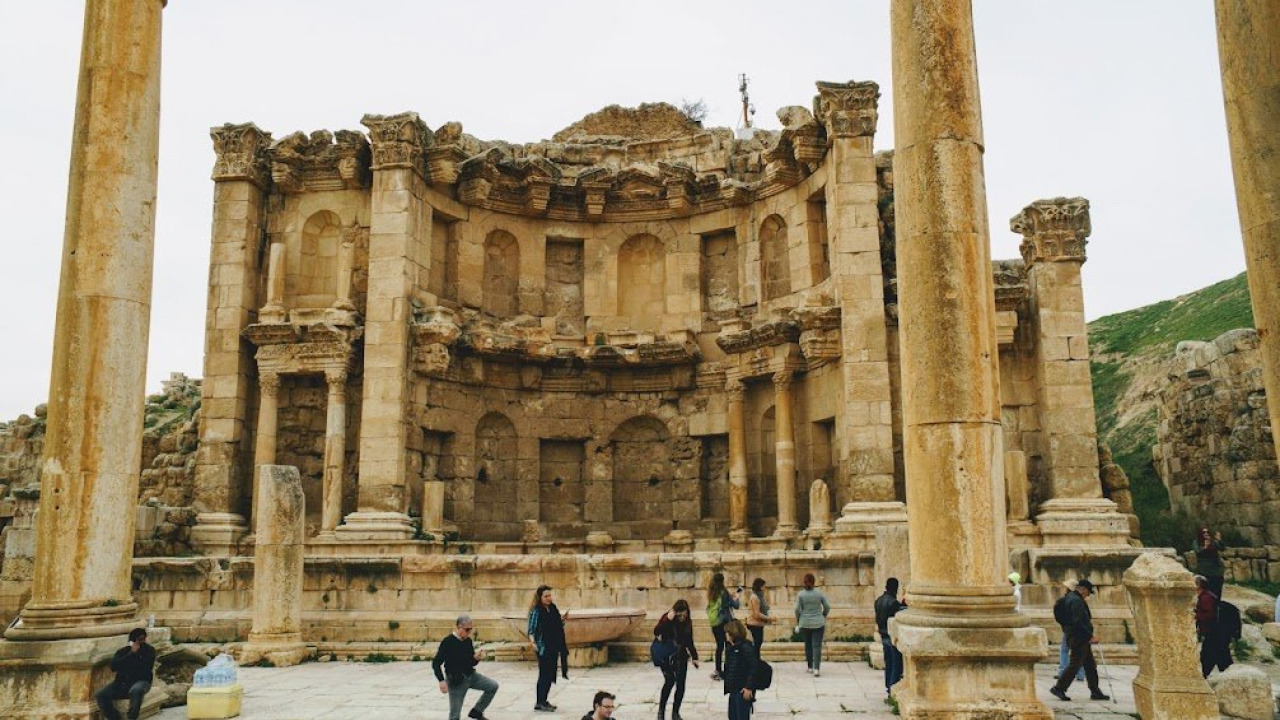
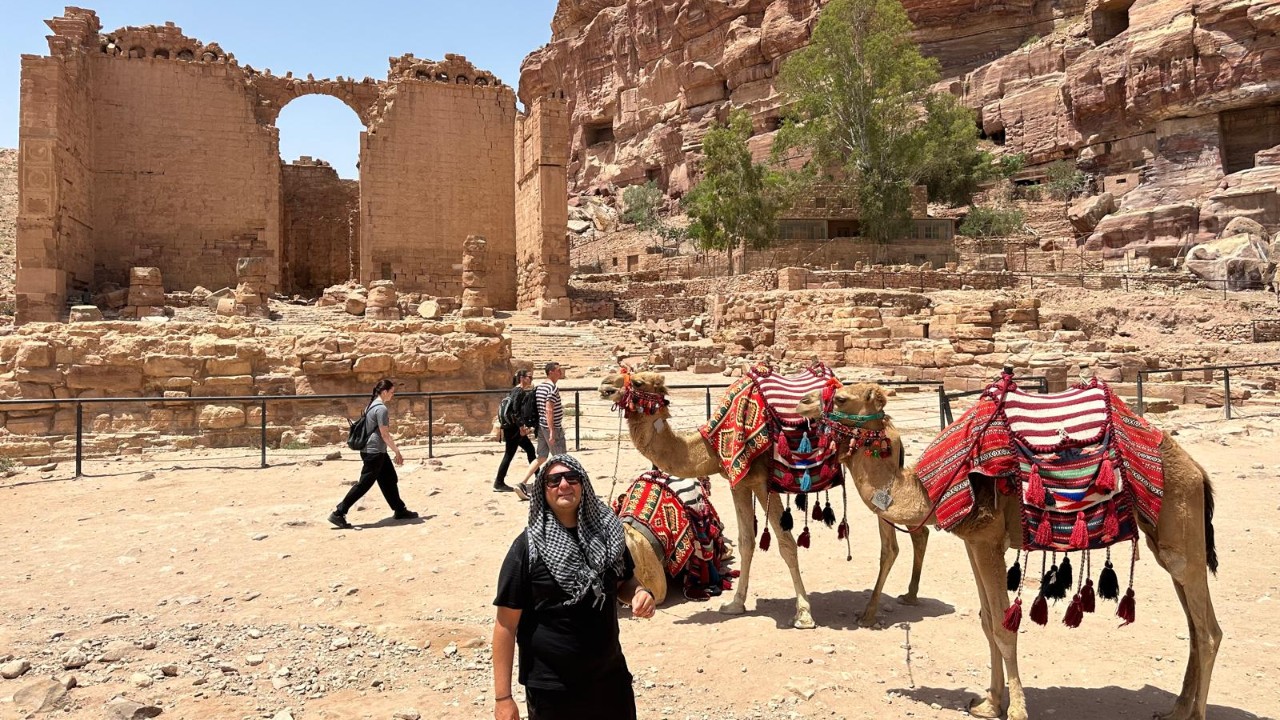
The UNESCO World Heritage site of Petra possesses hundreds of kilometers of ancient hiking trails that extend far beyond the main street where crowds gather. While the average tourist enters through the Bab el-Siq gate to stand before the Treasury, true hikers scale the rugged cliffs surrounding the city.
Steep, stepped paths branching off the main valley lead visitors to sacrificial altars, high-altitude lookout towers, and panoramic ridges overlooking the royal tombs. During these treks, the swirling waves of yellow, red, and purple in the rock layers, caused by iron and manganese minerals, create a stunning visual spectacle.
The Siq Canyon and the Approach to Al-Khazneh
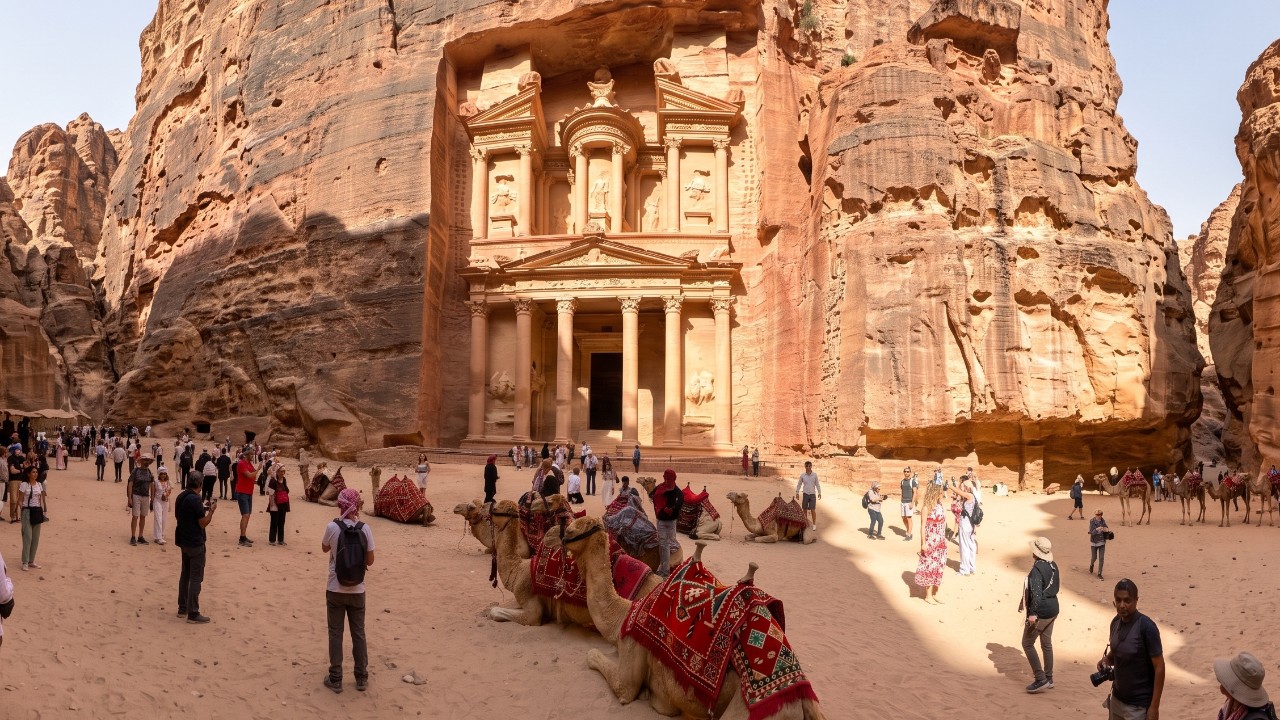
The icon of Petra, the Siq, is a 1.2-kilometer narrow, shaded canyon formed by a tectonic fault. As you walk between towering rock walls that reach heights of 80 meters, you are accompanied by Nabataean water channels and votive niches carved into the stone.
The moment you round the final bend and the facade of Al-Khazneh (The Treasury) emerges through the narrow slit of pink sandstone is one of the most evocative hiking moments on earth. Passing through this corridor in the early morning allows you to truly feel the mystical atmosphere.
The 800-Step Climb to the Monastery (Ed-Deir)
After passing the ancient theater and the Colonnaded Street at the end of the main valley, the ascent to the Monastery (Ed-Deir), Petra's most imposing structure, begins. This challenging path, consisting of approximately 800 rock-cut steps, carries hikers to the summit amidst deep valley vistas.
Upon reaching the top, the sheer scale of the sandstone monastery and the cliffs overlooking the Arabah Valley on the Israel-Jordan border make every step worth it. Sipping sage tea in a small Bedouin tent while watching the red hues of the sunset hit the valley is the ultimate reward of the trek.
Comparison of Jordan's Hiking Regions
Different natural areas vary in physical difficulty, water availability, and scenery. The analysis table below helps visitors choose a trail that matches their fitness level.
| Hiking Region | Terrain & Trail Quality | Average Duration | Difficulty | Highlight |
|---|---|---|---|---|
| Petra Back Trails | Stone steps, rocky ridges | 5 to 7 hours | Moderate - Hard | Ed-Deir Monastery, High Place of Sacrifice |
| Wadi Rum Canyons | Soft red sand, narrow rock gaps | 3 to 6 hours | Moderate | Khazali Canyon, Burrah Bridge inscriptions |
| Dana Biosphere Reserve | Gravel paths, riverbeds | 6 to 8 hours | Moderate - Hard | Descent from 1200m to 100m altitude |
| Wadi Mujib Canyon | River hiking, natural pools | 2 to 3 hours | Adventure - Wet | Waterfall climbing, swimming against currents |
| Ajloun Forest Path | Soil paths through oak forests | 3 to 4 hours | Easy - Moderate | Green valley silhouettes, castle views |
Trekking the Red Sands and Stone Bridges of Wadi Rum
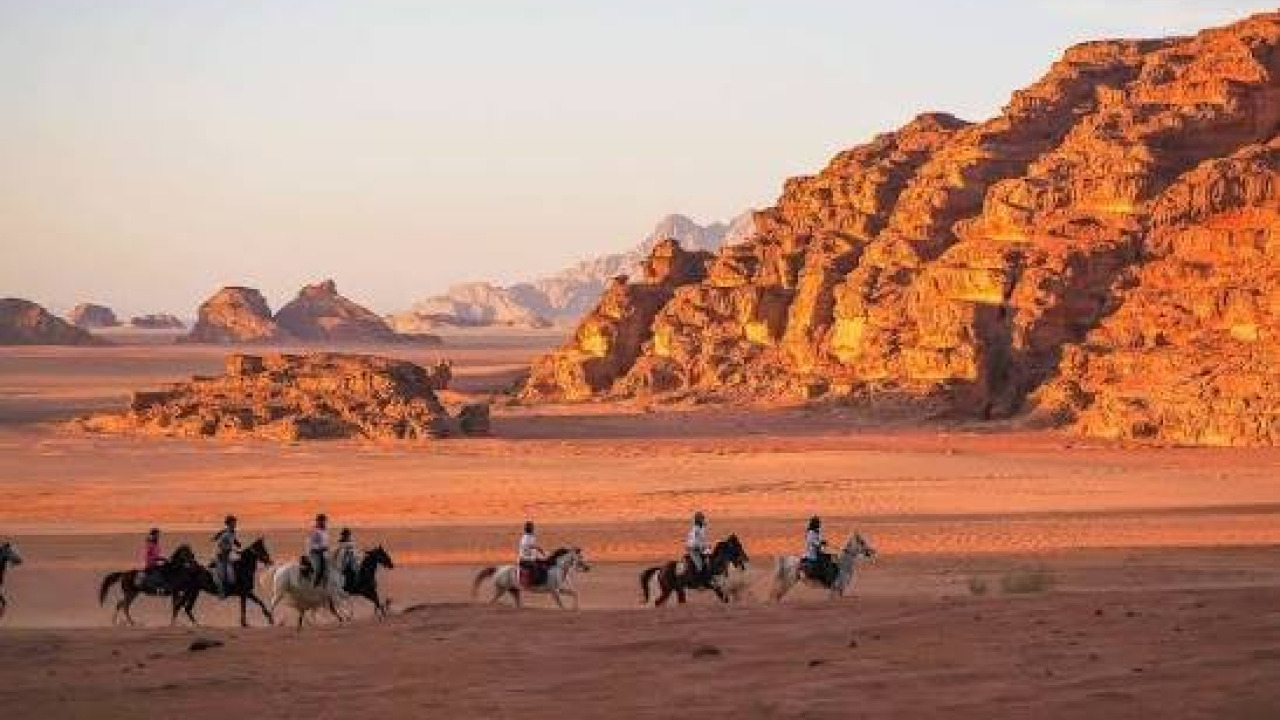
Wadi Rum, with its massive monolithic rocks shaped by millions of years of erosion, feels like another planet. While walking on the soft desert sands provides a rigorous workout for the leg muscles, the natural shaded passages created by the rocks make the journey pleasant.
Among the most popular trekking stages is the Khazali Canyon, where pre-Islamic Thamudic and Nabataean inscriptions adorn the narrow walls. Bold hikers can climb natural rock arches carved by the wind to photograph the desert floor from hundreds of meters above.
Dana Biosphere Reserve: A Descent Through Four Climate Zones
Dana, Jordan's largest nature reserve, is a steep valley rift extending from a mountainous plateau at 1,500 meters down to the Dead Sea desert depression. This dramatic altitude drop allows you to pass through four different biological zones, from Mediterranean forests to arid deserts and acacia scrublands, all in a single day's hike.
The 14-kilometer descent starting from the historic stone village of Dana leads to the Feynan region through sheer canyon walls. Along the way, birds of prey, mountain goats, and rare desert flora accompany the hikers.
Step-by-Step Jordan Nature and Trekking Itinerary
Here is a logically sequenced 5-day hiking plan that combines the country's most impressive natural areas.
- Day 1 - Petra Ancient Valley & High Altars: Early morning passage through the Siq to Al-Khazneh, followed by a climb via steep stairs to the High Place of Sacrifice for a panoramic valley view.
- Day 2 - Petra Back Entrance & Ed-Deir Crossing: Start from the Little Petra area, cross the mountain ridges via the back trail to reach the Monastery, and descend to the main valley at sunset.
- Day 3 - Dana Valley Full Descent: Depart from Dana village in the morning, hike 14 kilometers along the valley floor to reach the Feynan eco-camp and experience Bedouin hospitality.
- Day 4 - Wadi Rum Desert Canyons & Khazali: Transfer to the Wadi Rum desert for hikes through the narrow slits of Khazali and Burrah canyons, ending with a sunset view over the dunes.
- Day 5 - Burdah Rock Bridge & Desert Camp: A morning climb to the foot of the natural Burdah stone arch, exploring rock art and concluding the tour with a traditional Bedouin tea break.
Sun and Water Management in the Desert
Maintaining the body's water balance is the most critical rule when hiking in an arid climate. Because sweat evaporates rapidly in dry desert air, you may not feel thirsty even when dehydrated; therefore, drink water regularly every hour and do not neglect electrolyte supplements.
Guests wishing to explore Jordan's ancient cultural landmarks can evaluate programs covering historical ruins on the ancient city tours in Jordan page.
The Importance of Bedouin Guides and Desert Navigation
In vast sandy deserts like Wadi Rum, navigating between similar-looking monolithic rocks can be misleading, even with GPS devices. Bedouin guides, who have lived on these lands for generations, expertly read the angle of shadows, the wind's traces in the sand, and hidden water sources.
Walking under the leadership of local guides not only ensures safety but also offers the privilege of hearing first-hand stories about medicinal desert plants and rock legends.
Guided Nature and Adventure Tour Options in Jordan
To eliminate the logistical challenges of individual planning, guided nature tours provide a comfortable exploration environment with 4x4 support vehicles and camp organization. In these tours, heavy backpacks are transported by vehicle to the next camp site, allowing hikers to enjoy the trails carrying only their daily water.
Travelers who wish to combine nature hikes with sea and relaxation can add tours covering the coral reefs of Aqaba on the Red Sea coast via the diving and snorkeling tours in Jordan link.
Tent Camps and Nightly Stargazing
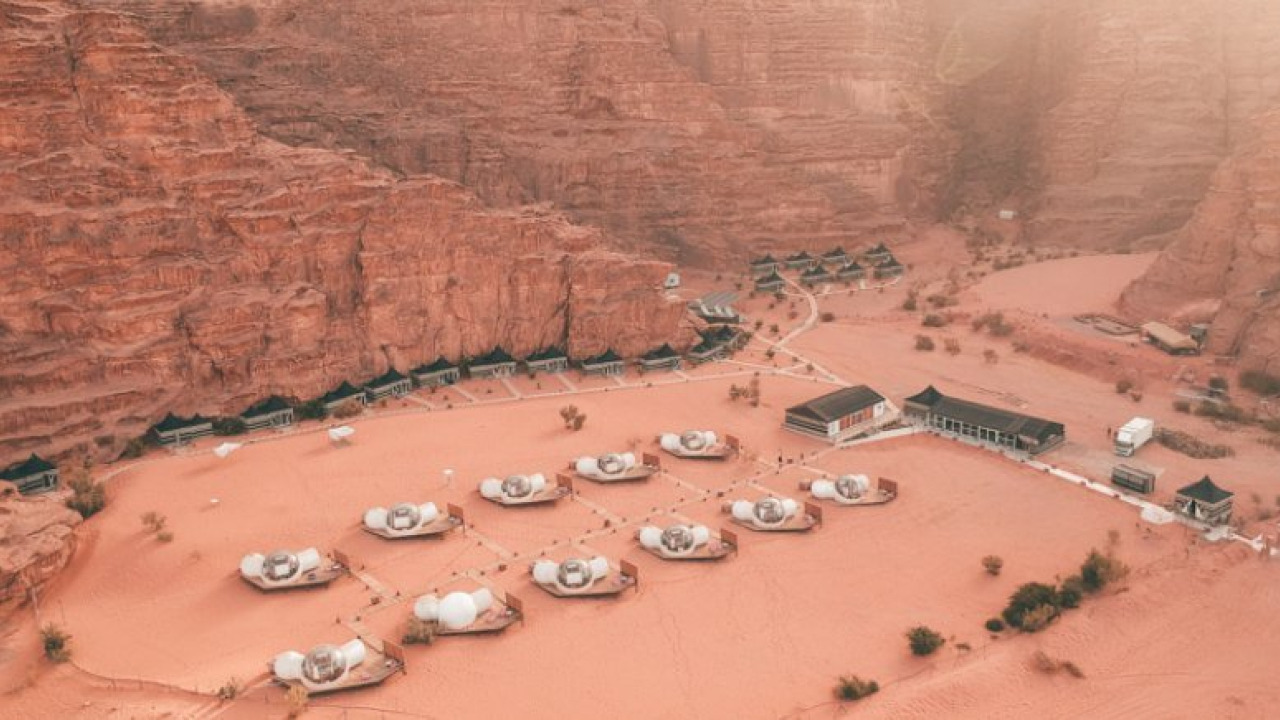
Staying in traditional goat-hair tents or glass-domed rooms after a day of hiking in Wadi Rum is a unique experience. Watching the Milky Way galaxy with the naked eye in a desert hundreds of kilometers away from city lights reminds one once again of nature's grandeur.
In the evenings, tasting the traditional Zarb meal, cooked in a pit buried under the sand with glowing embers, around a campfire fully restores the energy spent throughout the day.
Practical Tips for Hiking in Jordan's Canyons
To ensure a smooth and safe trekking experience on Jordan's challenging trails, we recommend considering the following practical tips.
- Use Ankle-Supporting Trekking Boots: Choose durable, high-cut boots to prevent ankle sprains on loose desert sand and sharp rocky terrain.
- Get Gaiters: In Wadi Rum and Petra, ankle gaiters provide great comfort by preventing sand and small pebbles from filling your shoes.
- Complete Sun Protection: Never leave without a wide-brimmed hat, UV-protected polarized sunglasses, and high-SPF sunscreen.
- Dress in Layers: While daytime temperatures in the desert are high, it cools down rapidly after sunset; keep thermal underwear and a lightweight windbreaker handy.
- Carry Cash (Jordanian Dinars): Since cards are not accepted at small Bedouin tents for water and tea breaks in the valleys, keep small change with you.
Choosing the Right Bag and Equipment
For day-trip canyon hikes, lightweight backpacks of 20 to 30 liters are sufficient. The bag should contain at least a 2.5-liter water bladder or bottle, a basic first-aid kit, a headlamp, and energy-boosting nuts/dried fruits.
Using dust-proof sealed bags for cameras prevents fine desert dust from damaging the equipment, extending the life of your devices.
Frequently Asked Questions 5
What fitness level is required for hiking in Jordan?
The main paths of Petra and the flats of Wadi Rum are suitable for anyone with a general walking pace. However, stages such as the 800-step climb to Ed-Deir or the 14-kilometer Dana Valley descent are better suited for individuals with moderate fitness who hike regularly and have no knee problems.
Is there a risk of flash floods during canyon hiking?
In winter and early spring, rainwater can collect from mountains kilometers away and flow into narrow canyons as sudden flash floods. Therefore, official meteorological warnings and park management updates must be checked instantly before entering water-based canyons like Wadi Mujib.
Is it safe to explore Jordan's hiking routes without a guide?
It is possible to explore individually by following signs on marked trails within the boundaries of the Petra archaeological site. However, it is not recommended to hike in the deep stages of the Wadi Rum desert valleys and the Dana reserve without a local Bedouin guide due to the risk of getting lost and dehydration.
Are there dress codes for female travelers on trekking trips in Jordan?
Standard breathable trekking pants and t-shirts can be worn comfortably on nature trails and canyon hikes. When passing through city centers or rural Bedouin villages, choosing modest clothing that covers the shoulders and knees is appreciated as a sign of respect for local traditions.
Is there phone and internet reception while hiking in Jordan?
While mobile network communication is available at the entry points of Petra and Dana, phone signals may be completely cut off in deep canyon floors and isolated valley interiors of Wadi Rum. For this reason, downloading offline map applications in advance is beneficial for safety.