
Istanbul in winter feels like a different city altogether compared to its bustling summer months. The crowds in the squares thin out, the Bosphorus waters deepen, a low layer of clouds settles over the domes, and the city returns to the rhythm of its own inhabitants. It's easy to find this scene romantic; the real question is what that rhythm adds to your travel plans and what it takes away. This article offers an unvarnished look at the season, using official data from the Turkish State Meteorological Service on Istanbul's climate norms, published operating hours of major institutions, and City Lines' winter ferry schedule. We'll show you what you gain, what you might sacrifice, and how to minimize any limitations with smart planning. Our goal isn't to provide a minute-by-minute itinerary, but to equip you with the facts needed to make an informed decision about your winter visit.
Quick Facts
| Topic | Information |
|---|---|
| Focus Period | December, January, February |
| Average Temperature (Turkish State Meteorological Service, 1950-2025) | December 9.0 °C · January 6.8 °C · February 6.9 °C |
| Average Rainy Days | December 15.53 · January 16.27 · February 13.92 |
| Lowest Recorded Temperature | December -4.2 °C · January -6.8 °C · February -9.0 °C |
| Usable Program Window | Limited by institution hours; Topkapı Sarayı 09:00-17:30 |
| Closed Days | Topkapı Sarayı Tuesday · Kapalıçarşı Sunday and religious holidays |
| Ferry Schedule | City Lines winter schedule, mid-September to mid-June |
| Least Weather-Affected Route | Marmaray, Halkalı-Gebze, 76 kilometers, 43 stations |
Three Variables Distinguishing Winter Istanbul from Other Seasons
What truly sets winter apart in Istanbul isn't the cold, as many visitors might assume. Instead, three distinct variables shift simultaneously, shaping the character of your itinerary.
Not Temperature, But Humidity and Wind are Key
According to the Turkish State Meteorological Service's norms for 1950-2025, Istanbul's average temperature in December is 9.0 °C, January 6.8 °C, and February 6.9 °C. Average highest values are recorded as 11.8 °C, 9.6 °C, and 10.2 °C respectively. These figures appear mild on paper; the challenging aspect of winter isn't the thermometer itself, but how humid air and coastal winds drive down the 'feels like' temperature. That same 7 °C won't feel the same in a sheltered bazaar alley as it does on an open quay overlooking the Bosphorus. Therefore, in winter planning, the unit of measure isn't degrees Celsius, but the uninterrupted minutes you can comfortably spend outdoors.
The Program Window Closes with Institution Hours, Not Weather
In winter, what often ends your day isn't the weather, but the closing time of attractions. According to information published by the Directorate of National Palaces, Topkapı Sarayı is open daily from 09:00 to 17:30, except on Tuesdays. The Culture Portal records Kapalıçarşı as open from 08:30 to 19:00. This means a museum-focused day offers an eight-and-a-half-hour window, while a bazaar-focused day provides ten and a half hours. When combining both, your day will be limited by the shorter window. If you prefer to start with a pre-defined framework rather than segmenting your own day, the tour durations on our Istanbul cultural tours page offer a useful comparison point.
When Crowds Thin, the Scale of the Venue Becomes Visible
Winter is a low-season period in Istanbul, and its most tangible benefit is the increased visibility of the city's magnificent architecture. According to the Culture Portal, Kapalıçarşı spans 45,000 square meters and houses 3,600 shops. This immense scale often gets lost behind the throngs of people on busy days, but in winter, the intricate corridor layout and dome sequences become clearly discernible. The same effect is felt within the grand interior of Ayasofya and in the open spaces around Sultanahmet.
What Changes Between December, January, and February
Winter isn't a monolithic period; the precipitation and temperature patterns of the three months diverge, and this divergence directly influences which month you might choose for your visit.
| Month | Average Temperature | Average Low | Average Rainy Days | Total Monthly Rainfall | Key Decision for This Month |
|---|---|---|---|---|---|
| December | 9.0 °C | 6.5 °C | 15.53 days | 99.2 mm | Winter rainfall peaks here; waterproof outer layer essential |
| January | 6.8 °C | 4.2 °C | 16.27 days | 88.8 mm | High number of rainy days; prioritize indoor attractions |
| February | 6.9 °C | 4.2 °C | 13.92 days | 70.7 mm | Rainfall recedes; more scope for outdoor activities |
A notable point in the table is that February's average temperature is higher than January's, yet the lowest recorded temperature in February within the Turkish State Meteorological Service's measurement series is -9.0 °C, making it the coldest of the three months. Practically, this means not dressing lightly based solely on the average, and carrying an extra layer to guard against short, sharp cold snaps.
Does it Rain or Snow in Istanbul in Winter?
In Istanbul during winter, the predominant form of precipitation is rain, rather than snow. According to the Turkish State Meteorological Service's norms, an average of 16.27 rainy days were recorded in January; this means more than half the month experiences precipitation. December records 15.53 and February 13.92 rainy days. In contrast, the average lowest temperatures for these three months are 6.5 °C, 4.2 °C, and 4.2 °C respectively; meaning days dropping below freezing are the exception, not the rule.
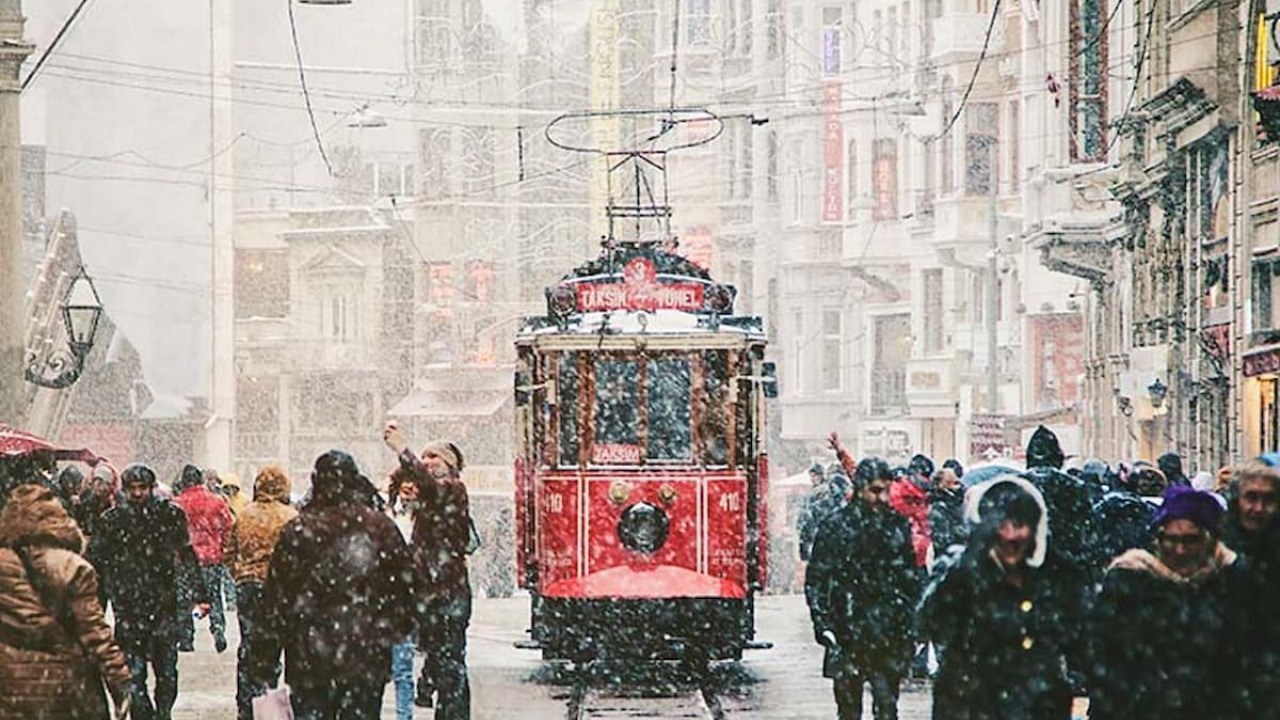
The possibility of snow is real, but it shouldn't be the central focus of your planning. The thickest snow cover recorded in Istanbul by the same institution was 41 centimeters on March 9, 1987; this figure illustrates not only how remarkable a snow event is in the city but also how infrequent it is. The right approach is this: prepare for rain, and if snow appears, consider it an unexpected bonus. On snowy days, walking pace at outdoor attractions slows, and pavement and stair surfaces become slippery. However, the silhouettes of the domes offer a visual reward that more than compensates.
How Many Usable Hours Are There in a Winter Day?
In winter, a usable day is defined more by the published operating hours of institutions than by daylight hours, practically narrowing down to a window of eight and a half to ten and a half hours. Accurately calculating this window is the most crucial decision for a winter trip. The following steps will help you structure your day effectively.
- Count back from closing times. The anchor of your schedule is the closing time, not the opening: Topkapı Sarayı closes at 17:30, Kapalıçarşı at 19:00. Build your day backwards from these two times.
- Choose your day based on closures. According to the Directorate of National Palaces, Topkapı Sarayı is closed to visitors on Tuesdays; the Culture Portal records Kapalıçarşı as closed on Sundays and religious holidays. If you plan to visit both attractions on the same day, these days are eliminated.
- Factor in the duration of any Bosphorus cruise within your window. City Lines' Long Bosphorus Tour departs from Eminönü at 10:35, returns from Anadolu Kavağı at 15:00, and arrives back at the departure pier around 16:40. This leg takes up most of the day, leaving no room for a museum visit.
- Allow for rain. An average of 16.27 rainy days were recorded in January; walking pace on wet surfaces slows, and transitions between attractions take longer. Keep at least an hour of flexibility in your plan.
- Allocate post-closing hours to routes that remain open. Marmaray operates between Gebze-Halkalı from 06:05 to 22:50 at approximately 15-minute intervals; hours after attractions close can be utilized with such lines.
Seasonal Advantages and Limitations: What You Trade For What
A winter visit isn't just a choice; it's a trade-off. The table below outlines the gains, the costs, and decisions that can mitigate those costs.
| What you gain in winter | What you pay in return | Decision to mitigate the limitation |
|---|---|---|
| Lower crowds in squares and bazaars | Shorter activity window | Plan your day backwards from closing times |
| Opportunity for extended stays in indoor attractions | Higher probability of rainy days | Waterproof outer layer and non-slip soles |
| Clear coastal views on days with open horizons | Possibility of disruptions to Bosphorus cruises on windy days | Schedule Bosphorus cruises for the morning, keep land alternatives ready |
| The city returns to its own rhythm | Winter operating hours/closures for some coastal businesses | Verify the opening status of your chosen venue in advance |
This trade-off doesn't suit everyone equally. The winter season distinctly benefits these three visitor profiles:
- Those who wish to spend extended time admiring a single structure: The time spent in an uncrowded sanctuary or bazaar corridor can be several times longer than during peak season.
- Those who prefer a slower walking pace: Since outdoor time is shorter in winter, the day naturally evolves into a structure that delves deeper into fewer attractions.
- Those who prefer uncrowded photos: Human density in square and courtyard photographs significantly decreases in winter.
Conversely, for visitors planning long outdoor walks or those needing to stick to a tight schedule, the winter window can be challenging.
Prominent Winter Attractions and What Changes There
When visiting in winter, it's not just which attraction you choose, but also what changes at that attraction that matters. Three main attractions in the Historical Peninsula behave differently with the change of season.
Ayasofya and Sultanahmet Area
According to the Ministry of Culture and Tourism's statement dated February 27, 2026, comprehensive restoration work is underway at Ayasofya, covering the north, east, and south facades, minarets, dome, and underground structures. This work is being carried out without closing the building for worship or visitation. In terms of winter visits, this means that while the structure remains open, the visitor routes and visible facades may change periodically. Therefore, it's essential to confirm the current arrangements before your visit. The surrounding Sultanahmet axis, however, is an open-air area; the time you can comfortably spend here on a windy winter day will be much shorter than the time you might spend at an indoor attraction on the same day.
Topkapı Sarayı and the Evening Window
Topkapı Sarayı offers advantages in winter for two reasons. Firstly, as soon as you move from the courtyards into the interior spaces, the weather variable becomes irrelevant. Secondly, the Saturday night visits announced by the Directorate of National Palaces take place in groups between 21:00 and 23:00. This offers an additional window to the early-closing daytime schedule in winter, a function it doesn't serve in the summer months. When planning your visit to the Palace, remember to factor in its Tuesday closure and 17:30 closing time.
Kapalıçarşı and the Eminönü Route
According to the Culture Portal, the foundations of Kapalıçarşı were laid by Fatih Sultan Mehmet in 1461, and the structure gradually reached its current scale. The real gain here in winter isn't just the architecture, but the shelter: a network of covered streets where you can walk for hours on a rainy day acts as a natural insurance against January's average of 16.27 rainy days. Those wishing to delve deeper into the bazaar's layers can refer to our article detailing the historical and commercial identity of Kapalıçarşı. As you head downhill towards Eminönü, you'll emerge onto the open waterfront. The reward for a winter break here is the warm beverage culture, and for those curious about where to find seasonal salep and boza, our Istanbul culinary guide provides the details.
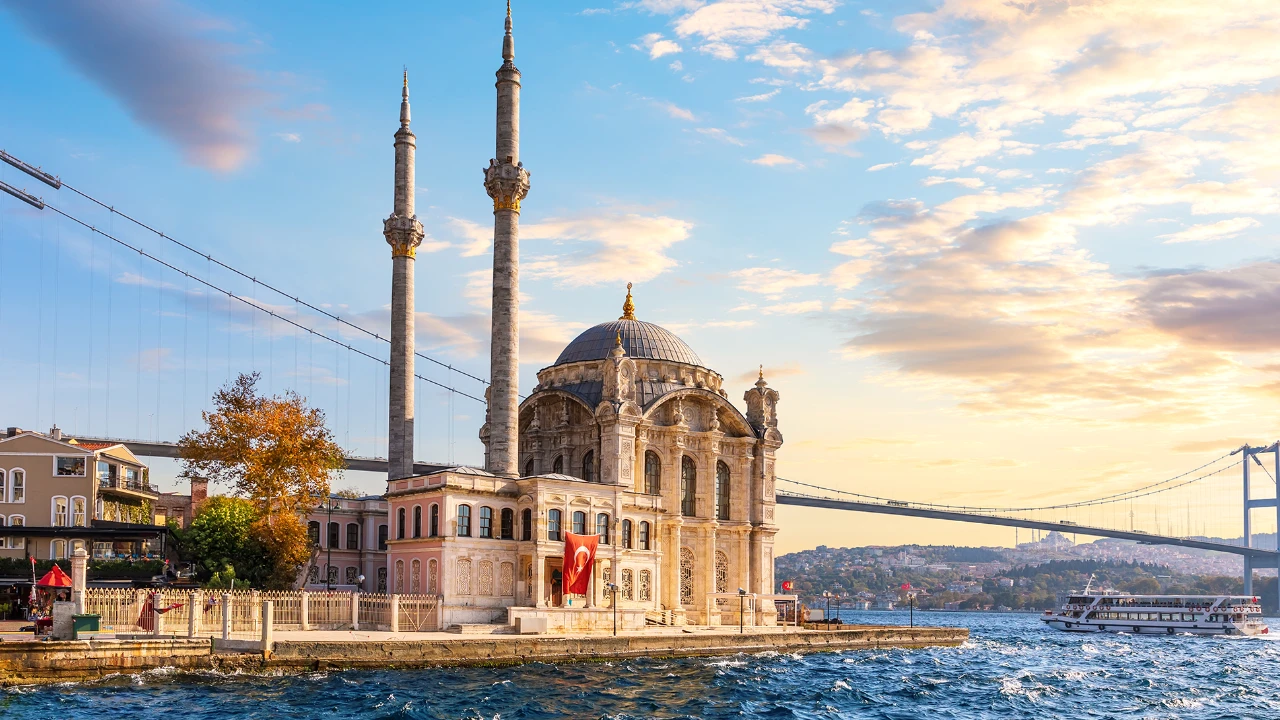
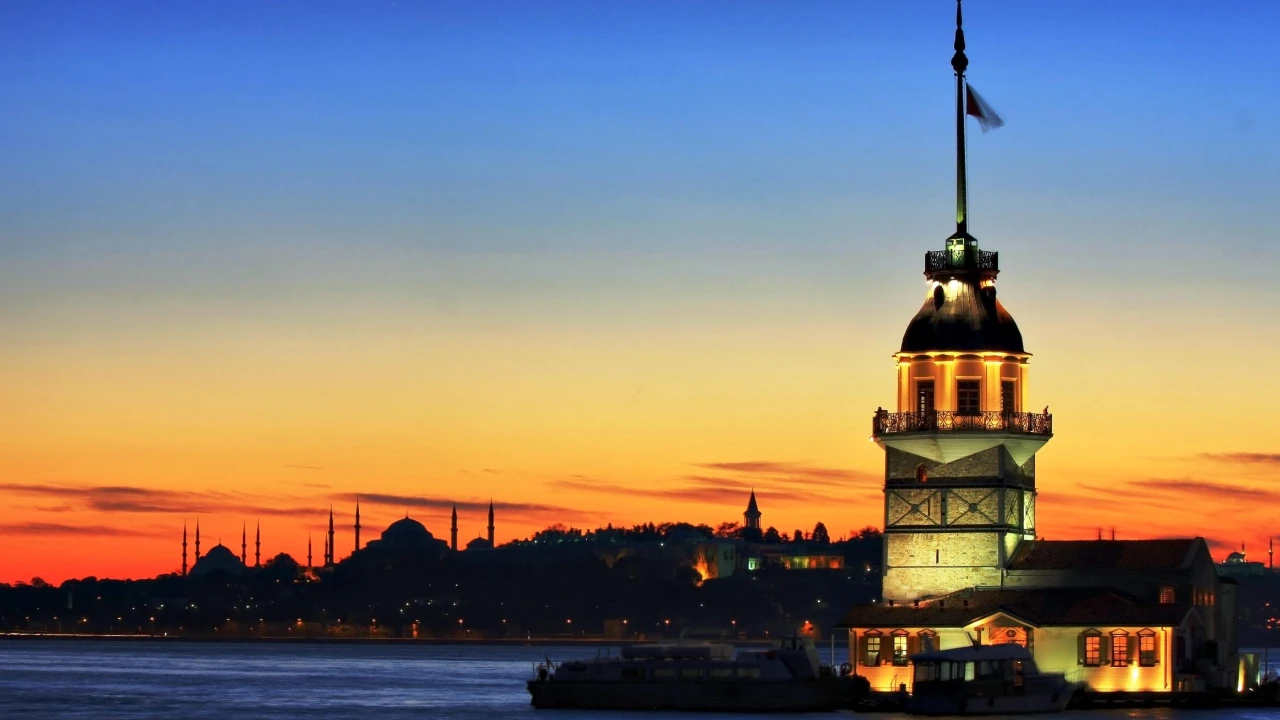
How the Bosphorus Line and Coastal Strip Operate in Winter
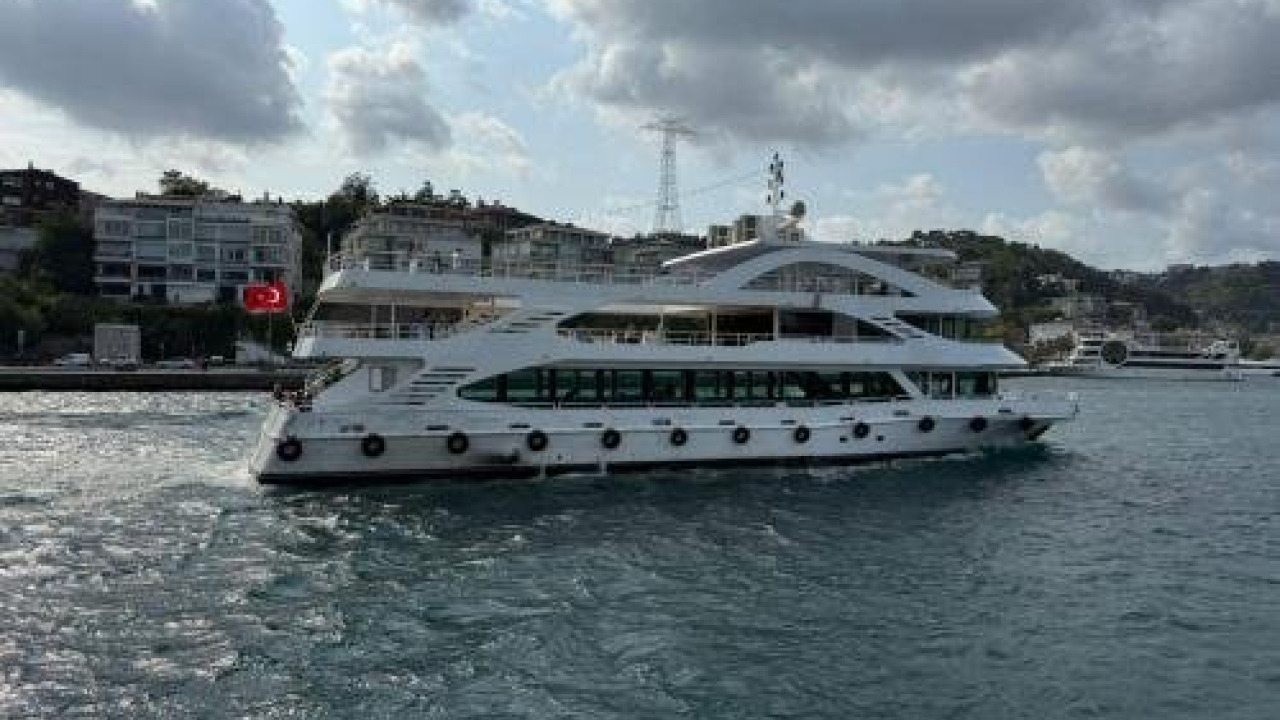
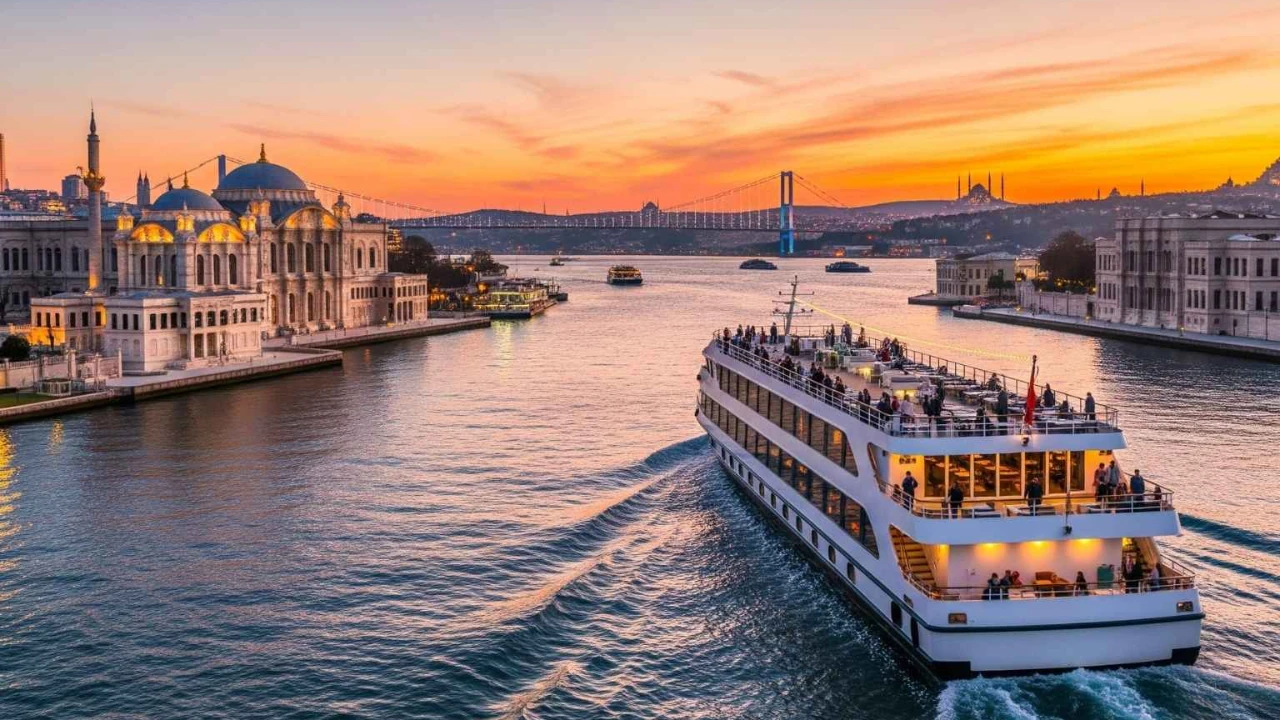
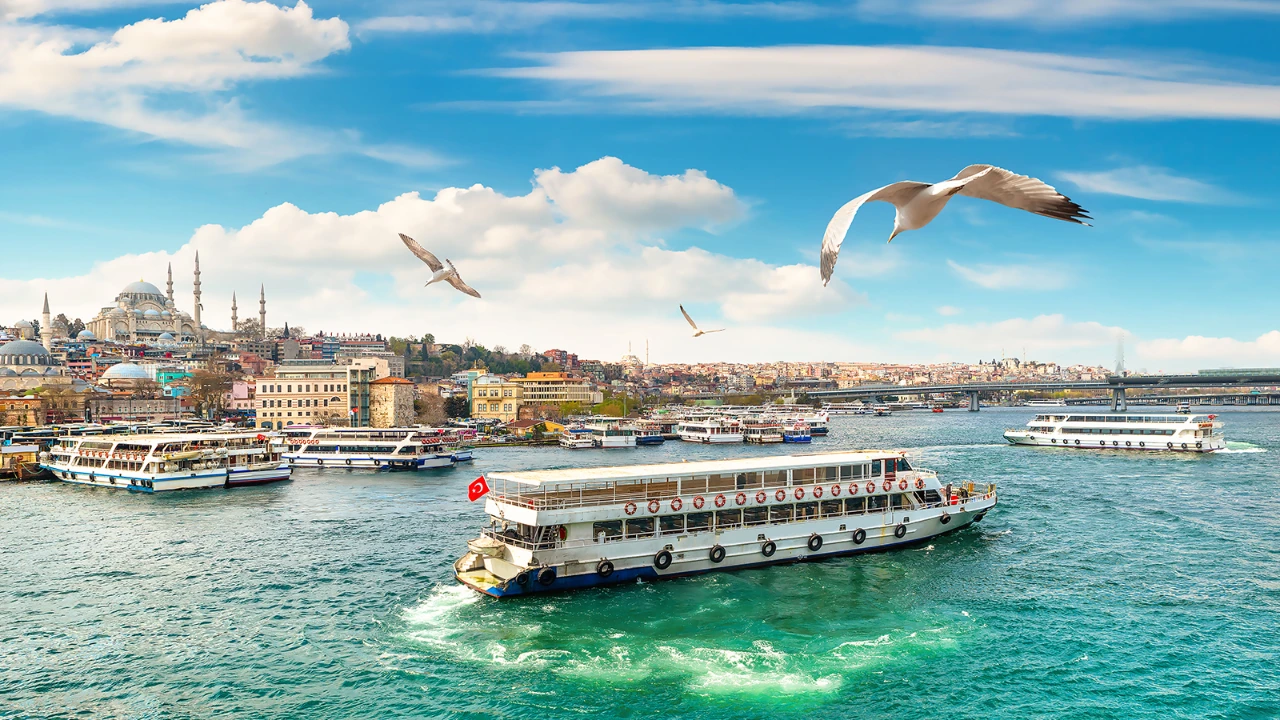
City Lines switches to its winter schedule in mid-September, and this tariff remains in effect until mid-June. According to the operator's announcement, Bosphorus tours are included in both summer and winter schedules, with one long and one short tour organized daily. Thus, winter doesn't eliminate the Bosphorus cruise from your itinerary; it simply alters its prominence within your day.
What Changes on Deck and Along the Coast
In winter, the time spent on the open deck is shorter, and the cruise is largely enjoyed from the enclosed salon. The result is that the route itself, rather than the coastal structures, takes center stage: when the wind dies down, the water calms, and visibility improves compared to summer haze. On days when the wind picks up, the likelihood of disruptions to Bosphorus cruises increases. Therefore, a winter plan should always include a land-based alternative for the sea leg.
Üsküdar and Kadıköy Coast
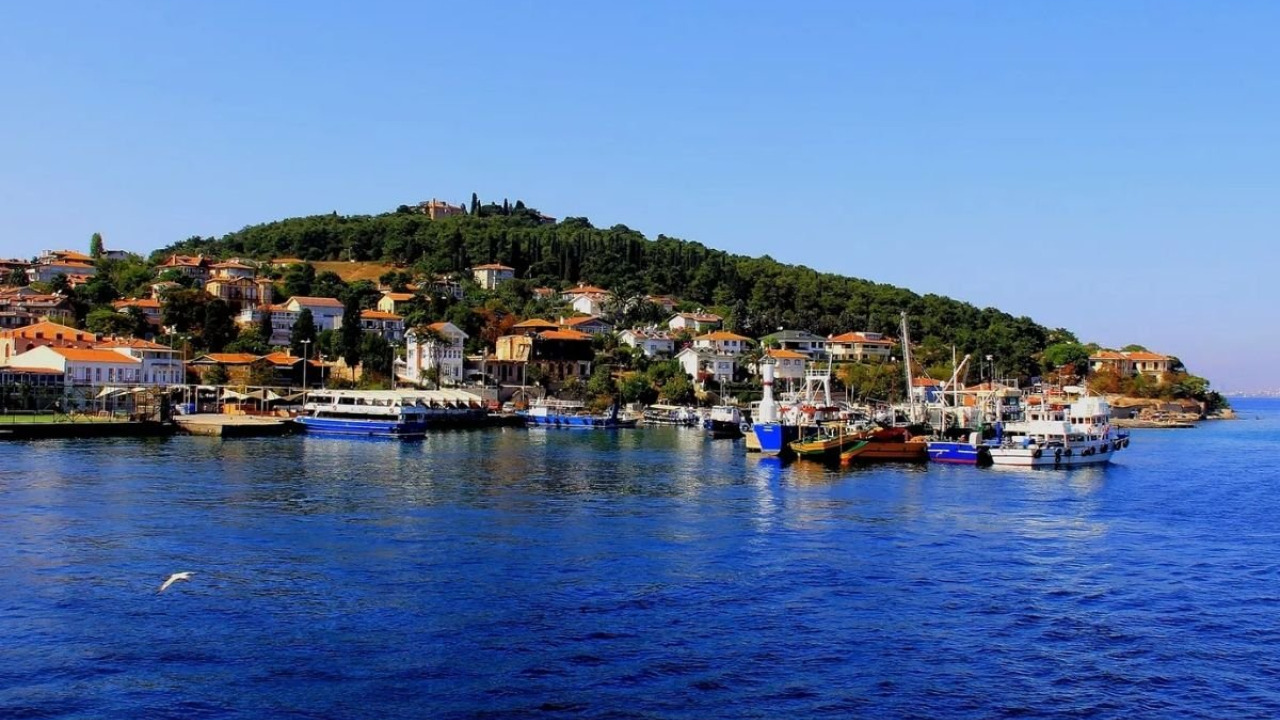
The coastal strips of Üsküdar and Kadıköy on the Asian side are open areas, and their character changes significantly in winter. While summer offers hours-long coastal walks, on a windy January day, most visitors won't venture beyond a half-hour window. The correct strategy here is to use the coast not as a destination itself, but as a transition between two indoor attractions.
Which Route is Least Affected by Winter Weather Conditions
Since most of the variables that disrupt plans in winter occur outdoors, routes insulated from weather conditions are the season's most valuable resource. Marmaray stands out in this regard: according to the operator, the Halkalı-Gebze line is 76 kilometers long with 43 stations, and services run approximately every 15 minutes between 06:05 and 22:50 in the Gebze-Halkalı direction. The fact that a large portion of the line is underground provides a backbone independent of rain and wind.
The same logic partially applies to surface rail and bus lines: since waiting time at stops is spent outdoors, reducing the number of transfers in your winter plan also reduces minutes spent waiting. Three practical winter-specific tips facilitate this decision:
- On rainy days, shift your main transit underground: Making long transfers via tunnels rather than surface lines increases the minutes you spend without getting wet.
- On windy days, have a backup for your Bosphorus cruise: Schedule the Bosphorus cruise for the morning and identify a covered alternative in the same area.
- Choose shoes with non-slip soles: After rain, historical stone pavements and inclines become significantly slippery.
For those wishing to compare different program types against the winter window, our Istanbul tours page is an excellent starting point to see how durations are allocated.
Frequently Asked Questions 5
How cold does it get in Istanbul during winter?
According to the Turkish State Meteorological Service's 1950-2025 norms, Istanbul's average temperature in December is 9.0 °C, January 6.8 °C, and February 6.9 °C. Average lowest temperatures are recorded as 6.5 °C, 4.2 °C, and 4.2 °C. The challenge isn't the thermometer itself, but how humidity and coastal winds lower the 'feels like' temperature.
Does it snow in Istanbul during winter?
Snow can be seen, but the dominant form of precipitation in winter is rain. An average of 16.27 rainy days were recorded in January. The thickest snow cover recorded in Istanbul by the same institution was 41 centimeters on March 9, 1987; this indicates the infrequency of significant snowfall.
Which days are museums and bazaars closed in winter?
According to the Directorate of National Palaces, Topkapı Sarayı is closed to visitors on Tuesdays and open from 09:00 to 17:30 on other days. The Culture Portal records Kapalıçarşı as closed on Sundays and religious holidays, operating from 08:30 to 19:00 on open days.
Are Bosphorus tours available in winter?
According to City Lines' announcement, Bosphorus tours are included in both summer and winter schedules, with one long and one short tour organized daily. The long tour departs from Eminönü at 10:35, returns from Anadolu Kavağı at 15:00, and arrives back at the departure pier around 16:40.
Are there any changes to entrance fees in winter?
Ticket prices for museums and palaces are categorized by visitor type, with different rates for local and foreign visitors. You should confirm whether there are any winter-specific applications and the current fees directly from the official website of the institution you plan to visit.