
Choosing among Istanbul's magnificent palaces isn't just about listing names; it's about understanding your own visitor profile. Someone eager to explore the classical era's courtyard layouts and treasury chambers won't necessarily seek the same experience as another looking for a tranquil garden escape by the Bosphorus. This guide won't take you room by room; instead, it will help you determine which palace suits which visitor, which might be challenging for whom, and how to plan your visit around closed days and transportation. Key decision-making factors like walking distance, location (European vs. Asian side), ticket office hours, and ticket inclusions are all covered here.
Quick Facts
| Topic | Information |
|---|---|
| Scope | Topkapı, Dolmabahçe, Beylerbeyi Palaces, and Küçüksu, Ihlamur, Aynalıkavak Kiosks |
| Administered by | Directorate of National Palaces (Topkapı joined this administration in 2019) |
| Closed Day | Topkapı on Tuesdays, other palaces and kiosks on Mondays |
| Ticket Office Hours | As published by the Directorate of National Palaces: 09:00 AM opening, 05:00 PM ticket office closing; subject to seasonal changes |
| Location Distribution | Historic Peninsula and Beşiktaş coast (European Side), Üsküdar and Beykoz coast (Asian Side), Hasköy area |
| Visit Duration Scale | Half-day for large palaces, short visit for kiosks |
| Ticket Note | Additional sections like the Harem may require separate tickets |
Which Palace Suits Whom: Comparison Table
While all six structures are often grouped under the 'palace' umbrella, their characters are vastly different. Topkapı is a sprawling administrative complex, Dolmabahçe a grand 19th-century imperial residence, Beylerbeyi a charming waterfront reception palace, and the kiosks are smaller structures for short stays and relaxation. The table below brings each structure side-by-side, focusing on location, scale, and visitor suitability to help you make a quicker choice. For those who prefer a guided experience, explore Istanbul cultural tours options to tailor your itinerary.
| Structure | Location | Character | Visit Scale | Best for | Challenging for |
|---|---|---|---|---|---|
| Topkapı Sarayı | Sarayburnu, Historic Peninsula | Classical courtyard layout | Extensive, half-day | Those interested in layered history and collections | Those who prefer less walking |
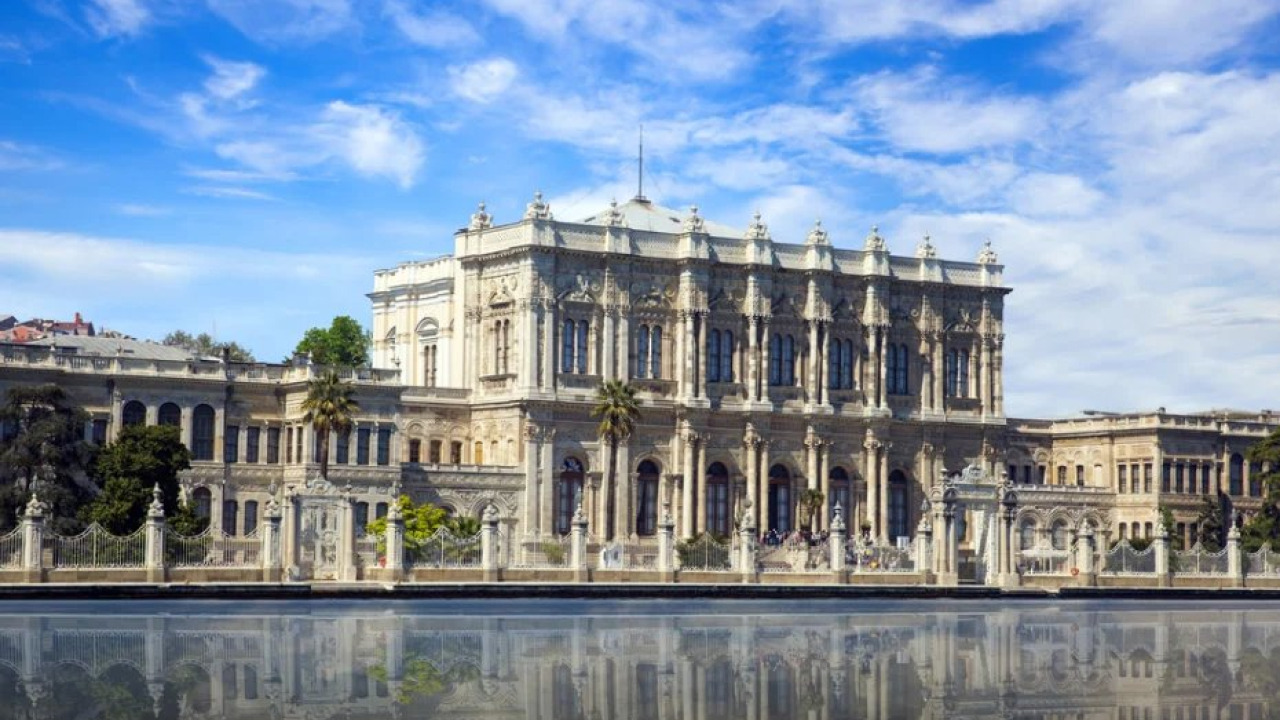
| Dolmabahçe Sarayı | Beşiktaş coast | 19th-century imperial center | Extensive, half-day | Interior design and decoration enthusiasts | Those easily tired by crowds |
| Beylerbeyi Sarayı | Üsküdar waterfront | Waterfront reception palace | Medium, a few hours | Those seeking a mid-sized palace by the Bosphorus | Those expecting extensive garden and kiosk tours |
| Küçüksu Kasrı | Göksu, Beykoz | Waterfront relaxation kiosk | Short visit | Those looking for a quick stop and exterior photos | Those planning a long tour |
| Ihlamur Kasrı | Inland Beşiktaş | Two pavilions in a valley | Short visit | Those prioritizing green spaces and tranquility | Those expecting coastal views |
| Aynalıkavak Kasrı | Hasköy, Golden Horn waterfront | Classical divan-hall layout | Short visit | Those who appreciate early period wooden interiors | Those seeking a central location |
Three Key Criteria for Your Choice
Choosing the right palace often boils down to three questions: Which side of the city are you on? How much time do you have? And how much walking are you comfortable with? Clarifying these three criteria upfront will largely prevent itinerary disruptions upon arrival.
European vs. Asian Side: Where to Base Your Itinerary
Topkapı and Dolmabahçe are both on the European side, situated on two distinct coastal levels relatively close to each other. Beylerbeyi and Küçüksu are along the Bosphorus on the Asian side, while Aynalıkavak is in the Hasköy area, by the Golden Horn. If your accommodation is around Sultanahmet, the two major palaces on the European side are within walking and tram distance. If you're staying in Üsküdar or Kadıköy, the Asian side route will be smoother. It's possible to combine both sides in a single day, but ferry and bus transfers will significantly slow down your day's pace.
Time Budget: Half-Day or Quick Stop?
Topkapı and Dolmabahçe each warrant a half-day visit; trying to fit both into the same day can be exhausting for most visitors. Beylerbeyi is mid-sized and requires a few hours, especially if you explore its gardens. Küçüksu, Ihlamur, and Aynalıkavak kiosks are smaller in scale and best suited as a quick stop between other activities. Keep in mind that ticket offices generally open at 09:00 AM and close at 05:00 PM, so avoid leaving a major palace visit for late in the day.
Walking Load and Ground Rules
At Topkapı, the walking distance accumulates horizontally across its many courtyards. Dolmabahçe, on the other hand, involves stairs and long hall transitions. To protect the historic parquet floors and carpets, visitors may be asked to wear protective shoe covers, so easily removable footwear will make your visit smoother. For those with knee or back sensitivities, visitors with strollers, and elderly guests, the kiosks' flatter layouts offer a distinct advantage. Planning a garden-focused day is also a valid option; exploring the gardens and recreational areas without entering the interiors significantly reduces the walking load.
Deciding Based on Your Visitor Profile
It's here that the truth becomes most apparent: the same palace offers a different experience to different visitors. The four profiles below cover the majority of common questions.
First-Time Visitors Looking for One Palace
If you're visiting Istanbul for the first time and can only fit one palace into your itinerary, your decision will hinge on your interests. If you're fascinated by the classical era, courtyard hierarchies, and treasury sections, Topkapı Palace will meet your expectations; it's also conveniently located along the same walking route as other Historic Peninsula attractions. If you're keen to see 19th-century interiors with strong Western influences, Dolmabahçe offers a more direct answer. For those wishing to plan a detailed visit to Topkapı, our Topkapı Palace guide provides further insights.
Families with Children and Those Prioritizing Gardens
When planning an itinerary with children, scale is a crucial factor. The extensive indoor tours of the two large palaces can quickly tire younger visitors; conversely, structures with ample open spaces offer a more relaxed day. A common misconception here is to assume Beylerbeyi is primarily a garden destination: according to the Directorate of National Palaces' visitor information, the main building, comprising the Mabeyn and Harem sections, is the only part open to visitors. The upper-level gardens, the Yellow Kiosk and Marble Kiosk around the large pool, and the Sea Kiosks are currently closed. Küçüksu Kasrı's recreational area meets the need for open space, but it requires a separate ticket from the kiosk itself. Ihlamur Kasrı, with its tree-lined valley, is ideal for a peaceful midday break.
19th-Century Interior Design Enthusiasts
If interior details like furniture, ceiling ornamentation, carpets, and porcelain are your priority, your route should lead you to the Bosphorus waterfront. Dolmabahçe's Ceremonial Hall (Muayede Salonu) is the focal point for this interest; Beylerbeyi Palace, built by Sultan Abdülaziz between 1863 and 1865, offers a more compact yet exquisite example with its Mabeyn and Harem sections. This interest is also catered to by the ornate facade of Küçüksu Kasrı, constructed during Sultan Abdülmecid's reign between 1856 and 1857. For visitors with this profile, visiting two structures in one day is often more efficient than attempting three.
Seeking a Quick Stop: The Kiosk Scale
If you're in the city for a short period or want to add a cultural stop between other activities, the kiosks are the perfect scale. Ihlamur Kasrı consists of the Ceremonial and Retinue Pavilions (Merasim and Maiyet Köşkleri), built by Sultan Abdülmecid between 1849 and 1855. Aynalıkavak Kasrı in Hasköy offers a different historical layer, being the surviving structure from the Tersane Palace and boasting a renovation history dating back to the reign of Selim III. These three kiosks are typically less crowded and quieter than the grand palaces.
The Closed Day Trap: Monday or Tuesday?
A common mistake that can derail your palace itinerary is confusing the closed days. Although Topkapı Palace was brought under the Directorate of National Palaces in 2019, its weekly closed day differs from other units. The table below summarizes the calendar aspect of your decision; as hours can change seasonally, always verify the current schedule on the respective National Palaces website before you set out.
| Structure | Weekly Closed Day | Ticket Office Hours | Additional Note |
|---|---|---|---|
| Topkapı Sarayı | Tuesday | 09:00 AM opening, 05:00 PM ticket office closing | Harem and Hagia Irene require separate tickets |
| Dolmabahçe Sarayı | Monday | 09:00 AM opening, 05:00 PM ticket office closing | Sections may be covered by separate tickets |
| Beylerbeyi Sarayı | Monday | 09:00 AM opening, 05:00 PM ticket office closing | The open-to-visit section is the main Mabeyn and Harem building |
| Küçüksu Kasrı | Monday | 09:00 AM opening, 05:00 PM ticket office closing | Recreational area requires a separate ticket |
| Ihlamur Kasrı | Monday | 09:00 AM opening, 05:00 PM ticket office closing | Ceremonial and Retinue Pavilions are arranged as a museum-palace |
| Aynalıkavak Kasrı | Monday | 09:00 AM opening, 05:00 PM ticket office closing | Located on the Golden Horn, further from the city center |
Visiting hours change on New Year's Day and the first days of religious holidays; it's advisable to have backup plans if your visit coincides with these dates.
Tickets, Museum Pass, and Additional Sections
When it comes to tickets, two mechanisms operate simultaneously: the main entrance to the structure and additional sections that require separate tickets. The Harem at Topkapı is a well-known example of this distinction. The Museum Pass (MüzeKart) is valid for palaces, pavilions, and kiosks administered by the Directorate of National Palaces, with certain exceptions announced by them. The list of exceptions includes the Harem and Hagia Irene sections of Topkapı Palace, the Selamlık section of Dolmabahçe Palace, and the Küçüksu Kasrı Recreational Area. This means the card is not valid for one of the main visitor sections in both major palaces mentioned in this guide, and separate tickets must be purchased there. It's more reliable to check an itemized list rather than a fixed price, as prices are updated periodically; for current fees and inclusions, always refer to the official websites of the Directorate of National Palaces.
Key considerations when planning your tickets:
- Distinguishing between the main entrance and additional sections like the Harem
- Understanding that card validity varies by structure, with some sections excluded
- Awareness of different ticket structures for foreign and local visitors
- Realizing that gardens, recreational areas, and museum sections may have separate entry requirements
Transportation and On-Site Logistics
Transportation isn't a consequence of your palace choice, but rather an input to it. The following sequence will help you plan your day efficiently without wasting time at the entrance.
- Match your accommodation location with the closed day; Topkapı is a suitable option on Mondays, while other National Palaces units are better suited for Tuesdays.
- Fix your side of the city: if your day will be spent on the European side, focus on the Historic Peninsula and Beşiktaş coast; if on the Asian side, proceed along the Üsküdar and Beykoz line.
- Schedule your main palace visit for the morning, aiming to be at the gate close to opening hours, and save a kiosk or garden for the afternoon.
- Limit the number of transfers; each crossing between the European and Asian sides will add ferry and bus waiting times to your itinerary.
- Plan your departure time based on the last admission hour, not the ticket office closing time.
European Side Route
On the Historic Peninsula side, the T1 Kabataş-Bağcılar tram line is key; the Gülhane and Sultanahmet stops serve the Topkapı area, while Kabataş, the line's final stop, leads to the Dolmabahçe waterfront. Ihlamur Kasrı, though on the same side, is inland from the coast, nestled in the hills of Beşiktaş, requiring an uphill walk. It's also possible to combine your itinerary along this route with options from our Istanbul city center cultural tours page.
Asian Side and Golden Horn Route
Beylerbeyi Palace can be reached along the coast by taking bus lines, such as the number 15, departing from around the Üsküdar ferry terminal; always verify the current bus number and frequency from IETT before you leave. Küçüksu Kasrı is further north along the same coastal line, in the Göksu area of Beykoz. For Aynalıkavak Kasrı in Hasköy, you can use Şehir Hatları's Golden Horn ferry line; there's a Hasköy pier, but the number of daily services is limited, so confirm times in advance. For those wishing to add museums alongside palaces, the Istanbul Archaeology Museums and the Museum of Turkish and Islamic Arts offer a separate itinerary focus, and our Historic Peninsula and museums guide provides a comprehensive overview.

Choosing Your Season and Time
Palace visits are relatively resilient to weather conditions as they are primarily indoor activities; the main differences emerge in the gardens and queue lengths.
| Period | Advantage | Things to Note |
|---|---|---|
| April-May | Gardens are vibrant, temperatures are mild | Weekend ticket queues can be long |
| June-August | Long daylight hours, comfortable for coastal itineraries | Interiors get crowded during midday |
| September-October | Soft light, fewer crowds | Days get shorter, factor in closing times |
| November-March | Short queues, comfortable indoor visits | Garden access may be limited, rain plan needed |
The first hour of the day is the smoothest period in any season. Early entry means shorter queues for both security and tickets, and the grand halls offer clearer photo opportunities.
To Summarize Your Decision
Making the right choice among Istanbul's palaces isn't about finding the most magnificent structure, but rather the one that best fits your profile. If you're seeking layered history, Topkapı is your pick. For intricate interior details, Dolmabahçe awaits. If a coastal setting and gardens are your priority, Beylerbeyi is ideal. And for a quick cultural stop, the kiosks will serve you well. By fixing your closed day and preferred side of the city upfront, your day will naturally fall into place.
Frequently Asked Questions 6
Which palace should I visit in Istanbul?
The decision depends on your interests. If you're drawn to classical-era layouts, courtyards, and treasury sections, Topkapı Palace is suitable. If 19th-century interiors, grand hall decorations, and imperial grandeur are your priority, Dolmabahçe Palace offers a more direct answer. If you're looking for a shorter, mid-sized visit by the Bosphorus, Beylerbeyi Palace stands out.
Which days are Istanbul palaces closed?
Topkapı Palace is closed on Tuesdays, while Dolmabahçe, Beylerbeyi, Küçüksu, Ihlamur, and Aynalıkavak are closed on Mondays. Visiting hours also change on New Year's Day and the first days of Ramadan and Eid al-Adha (Kurban Bayramı). It's essential to verify the current status on the official website of the respective palace before planning your visit.
Is the Museum Pass (MüzeKart) valid at the palaces?
The Museum Pass (MüzeKart) is valid for palaces, pavilions, and kiosks administered by the Directorate of National Palaces, with certain exceptions announced by them. The list of exceptions includes the Harem and Hagia Irene sections of Topkapı Palace, the Selamlık section of Dolmabahçe Palace, and the Küçüksu Kasrı Recreational Area; separate tickets are required for these sections. For the most up-to-date list of inclusions, always refer to official sources.
Which palace is more comfortable for families with children?
Structures with open spaces provide a more relaxed day for families, as long indoor tours can quickly tire younger children. Since the upper-level gardens and Sea Kiosks at Beylerbeyi are closed to visitors, Ihlamur Kasrı's tree-lined valley and Küçüksu Kasrı's recreational area better meet this need. Note that the recreational area at Küçüksu requires a separate ticket from the kiosk itself.
How do I get to the palaces on the Asian side?
Beylerbeyi Palace can be reached along the coastal road by taking bus lines, such as the number 15, departing from around the Üsküdar ferry terminal. Küçüksu Kasrı is further north along the same coastal line, in the Göksu area of Beykoz. For those coming from the European side, a common method is to cross to Üsküdar by ferry or Marmaray, then transfer to a coastal bus line.
What is the difference between a kiosk (kasır) and a palace (saray)?
A palace (saray) is a large-scale structure that combines administrative and permanent residential functions. A kiosk (kasır), on the other hand, is a smaller building used for short stays, relaxation, or ceremonial purposes. This difference in scale directly impacts visit duration: palaces typically require a half-day, while kiosks can be explored during a brief stop.