
Nestled in Beypazarı, a charming district northwest of Ankara, lies İnözü Valley – a narrow gorge carved over centuries by the İnözü Stream. Just about 3 kilometers from the historic town center, famed for its bay-windowed mansions, and accessible via the Karaşar road, the valley immediately transports visitors from the city's hustle. Its slopes are dotted with ancient rock-cut chambers, while serene paths wind through poplar groves, all cooled by a refreshing breeze. This comprehensive guide will walk you through how to combine a visit to İnözü Valley with Beypazarı's cobblestone streets, pinpoint the best seasons for your journey, outline potential budget considerations, and detail how to get there from Ankara.
Where is İnözü Valley and What Does it Offer?
İnözü Valley is located in the Beypazarı district of Ankara province, stretching towards Rüstempaşa, and is formed by the İnözü Stream. What makes this valley truly captivating are its two distinct layers: the intriguing rock-cut chambers carved into its slopes and the historic mansion architecture that begins right at the valley's entrance. Perfect for a half or full-day excursion, the area seamlessly blends opportunities for hiking, photography, and a rich cultural exploration.
Quick Facts
| Topic | Information |
|---|---|
| Location | Beypazarı district, Ankara province |
| Distance from center | Approx. 3 km via Karaşar road |
| Highlights | Rock tombs, İnözü Stream, historic mansions |
| Best time to visit | Spring and autumn |
| Transportation | By road from Ankara, approx. 100 km / 1-1.5 hours |
| Recommended duration | Half-day or full-day |
Must-See Stops in İnözü Valley and Beypazarı
The following attractions are conveniently close to each other, making them perfect for a cohesive walking tour.
Valley Floor and Rock-Cut Chambers
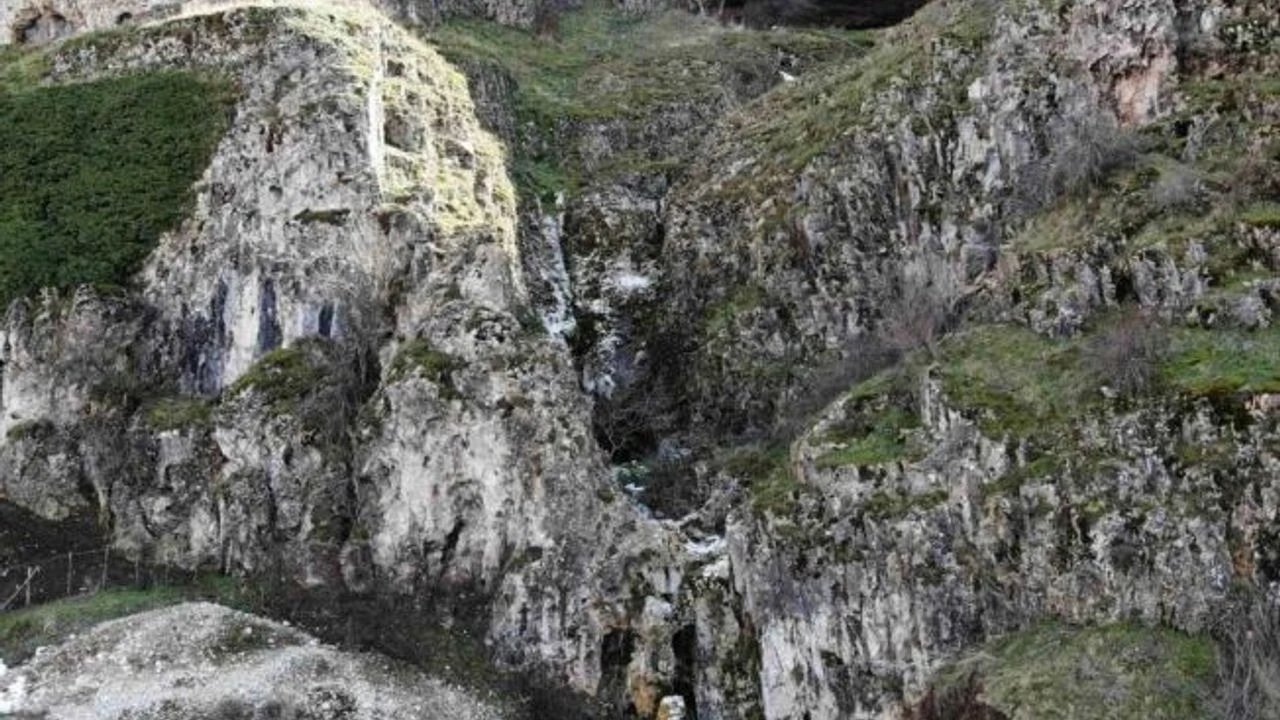
Along the valley floor, a flat path follows the stream, flanked by steep rock walls adorned with man-made hollows. These intriguing chambers are believed to have served as tomb chambers during the Roman period and rock-cut churches in the early Byzantine era, though definitive information awaits further archaeological excavation. Both the rock tombs and churches are protected as archaeological sites, while the lush vegetation of the valley floor holds natural site status.
The main activity here is simply walking: wander through the poplar groves, admire the rock faces, and pause for a break by the stream. For photography enthusiasts, early mornings or late afternoons offer the best light, creating dramatic shadows and texture on the rock surfaces, as the midday sun tends to flatten them out.
Beypazarı Mansions and Cobblestone Streets
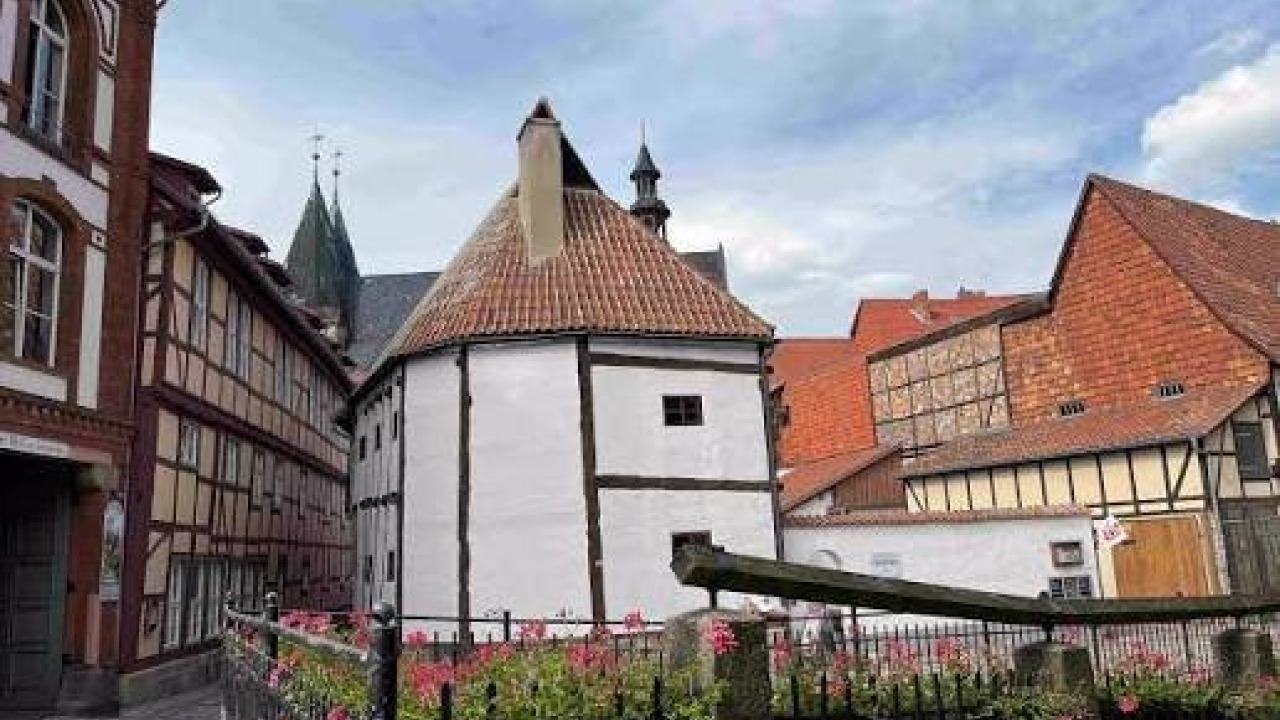
The iconic symbol of Beypazarı is its collection of two and three-story traditional houses that line the narrow streets. These mansions, built with wooden and adobe supports and featuring distinctive cantilevered upper floors, are classic examples of Ottoman civil architecture. Many of these restored structures now serve as charming boutique accommodations, cozy cafes, or small museums.
Strolling beneath the bay windows, admiring the intricate door knockers, and appreciating the fine woodwork forms the heart of this visit. The streets are sloped and paved with cobblestones. For those seeking a quieter experience, weekdays are recommended, as the bazaar can get quite crowded on weekends.
Suluhan Caravanserai and Historic Bazaar
Located in the town center, Suluhan is a historic caravanserai built in 1613 by Grand Vizier Damat Nasuh Pasha. With its two stories and 26-room layout, it once hosted merchants traveling the Istanbul-Ankara route. Today, the rooms surrounding its courtyard house small shops and cafes.
Inside the caravanserai, you can admire the stone architecture of the courtyard, the arched entrances, and the upper-floor arcades. It's wise to save your souvenir shopping for the end of your visit to avoid carrying packages all day. Mornings are generally calmer as shopkeepers are just opening.
Hıdırlık Hill Viewpoint
Overlooking Beypazarı, Hıdırlık Hill offers a panoramic viewing terrace where you can see the rooftops of the mansions and the mouth of the valley all at once. It's accessible by a roughly 15-minute walk from the town center or by car.
Ascending to the hill at the beginning of your trip provides an excellent overview of the town's layout, helping you visualize your route. Near sunset, the lighting is particularly effective for photography. During the summer months, the hill hosts a lively kite festival.
Living Museum and Silver Filigree
Beypazarı is renowned for its exquisite silver filigree craftsmanship. The Living Museum, housed in a restored mansion, offers a hands-on experience of local handicrafts, allowing visitors to watch artisans at work.
After visiting the museum, exploring the silver workshops in the bazaar provides a complementary experience. The Living Museum operates as a private museum; the Museum Card is valid only for museums and archaeological sites affiliated with the Ministry of Culture and Tourism.
Getting to Beypazarı from Ankara
Access to the region is primarily by road, with several convenient options available.
- For those traveling by private car, head west from Ankara and take the Sincan-Yenikent junction onto the Ayaş-Beypazarı road. The journey typically takes 1-1.5 hours.
- If you prefer public transport, you can take district buses departing from Ankara's main bus terminal. Services run at regular intervals throughout the day.
- For groups or those on organized tours, hotel-to-hotel transfer services offer seamless, door-to-door transportation without the hassle of transfers.
Scenic Route via Ayaş
The route between Ankara and Beypazarı is ideal for incorporating interesting stops along the way. Ayaş İçmece and Hot Springs, located approximately 3 kilometers south of the Ayaş-Beypazarı road, offer a perfect opportunity for a short thermal break. If you opt for this scenic route with stops, starting your journey early will ensure you have ample daylight for hiking in the valley.
Is a Car Necessary in the Region?
Most attractions in the town center are within walking distance. However, a car provides convenience for reaching the valley entrance and exploring surrounding villages. Visitors using public transport can easily utilize local taxis.
Seasons and Timing
The region experiences a Central Anatolian climate, with hot, dry summers and cold winters. While the shaded valley floor offers a welcome respite from summer heat, it tends to get dark early in winter.
| Period | Advantage | Note |
|---|---|---|
| Spring (April-May) | Lush valley, mild weather | Ideal for hiking and photography |
| Summer (June-August) | Long daylight hours, clear skies | Hot midday; plan activities for morning |
| Autumn (September-October) | Golden poplars, quieter bazaar | Preferred for vibrant autumn colors |
| Winter (December-February) | Empty streets, warm local cuisine | Snow and ice may limit hiking |
Local Cuisine and Shopping
Beypazarı is a significant contributor to Turkey's carrot production, and you'll find its bazaar windows brimming with carrot delights and dried goods. On the culinary front, local stews (güveç), sorrel wraps (efelek sarması), and traditional soups are highlights. The famous 80-layer baklava and Beypazarı kurusu (a crispy cookie) are among the most popular souvenirs. For shopping, look out for silver filigree, copperware, and woven products. If you're keen to explore similar historic mansion architecture in another town, check out our guide to Safranbolu attractions.
Tour and Transfer Options
If you prefer to explore with a guide, organized tour options make planning effortless. Our Ankara tours departing from the capital include day trip alternatives that cover the town center and surrounding attractions. Those planning a day focused on historical architecture might want to explore our cultural tours. To simplify your departure from the city, our Ankara hotel transfer tours offer a seamless start without any transfers.



Trip Budget and Entry Conditions
A visit to the valley is an open-air activity; primary expenses will revolve around transportation, museum entries, and shopping.
| Item | Status | Note |
|---|---|---|
| Valley entrance | No ticket required | Parking and facility services may be separate |
| Ministry museums & archaeological sites | Paid | Covered by Museum Card |
| Private museums & workshops | Paid | Separate ticket; confirm opening hours |
| Transportation | Variable | Bus, private car, or transfer |
Tips Before You Go
- The valley floor can be stony and damp; opt for non-slip hiking shoes.
- Facilities within the valley are limited, so bring water and snacks.
- The mansion streets are sloped; a baby carrier is more practical than a stroller.
- The bazaar gets busy on weekends; consider visiting on a weekday for a quieter experience.
- Museum and workshop hours may vary seasonally, so confirm before your visit.
How Many Days Should You Allocate for Your Trip?
A full day is sufficient to cover the valley hike, mansion-lined streets, Suluhan, and Hıdırlık Hill. For those staying overnight in a mansion, a two-day plan offers a more relaxed pace. If you wish to extend your itinerary, the ancient city of Gordion, Ankara Castle, and the Museum of Anatolian Civilizations can fill another day in the capital. For planning this day, our Anıtkabir guide can provide direction. For multi-stop itineraries, planning with historic city tours can save you time.
Frequently Asked Questions 6
How do I get to İnözü Valley from Ankara?
Head west from Ankara and take the Sincan-Yenikent junction onto the Ayaş-Beypazarı road. The valley begins approximately 3 kilometers from the town center via the Karaşar road. For public transport, use district buses departing from Ankara's main bus terminal.
How many kilometers is it between Ankara and Beypazarı, and how long does it take?
The distance between the two points is approximately 100 kilometers. By private car, the journey takes between 1-1.5 hours, depending on traffic; by bus, the duration may be slightly longer.
Is there an entrance fee for İnözü Valley?
The valley is an open area with no entrance fee. Parking and services at facilities around the valley may be charged separately; museum and workshop visits are also additional to your budget.
What is Beypazarı famous for?
The district is known for its restored historic mansions, silver filigree craftsmanship, and carrot production. Culinarily, local stew (güveç), sorrel wraps (efelek sarması), 80-layer baklava, and Beypazarı kurusu (a crispy cookie) are prominent.
Which season is best for visiting İnözü Valley?
Spring and autumn are ideal for hiking due to their mild weather. In summer, visits should be planned for the morning hours; in winter, snow and ice may limit valley walks.
Can you stay in Beypazarı mansions?
Some of the restored mansions operate as boutique accommodation. During weekends and holiday periods, occupancy increases, so booking your stay in advance will ensure a smooth trip.