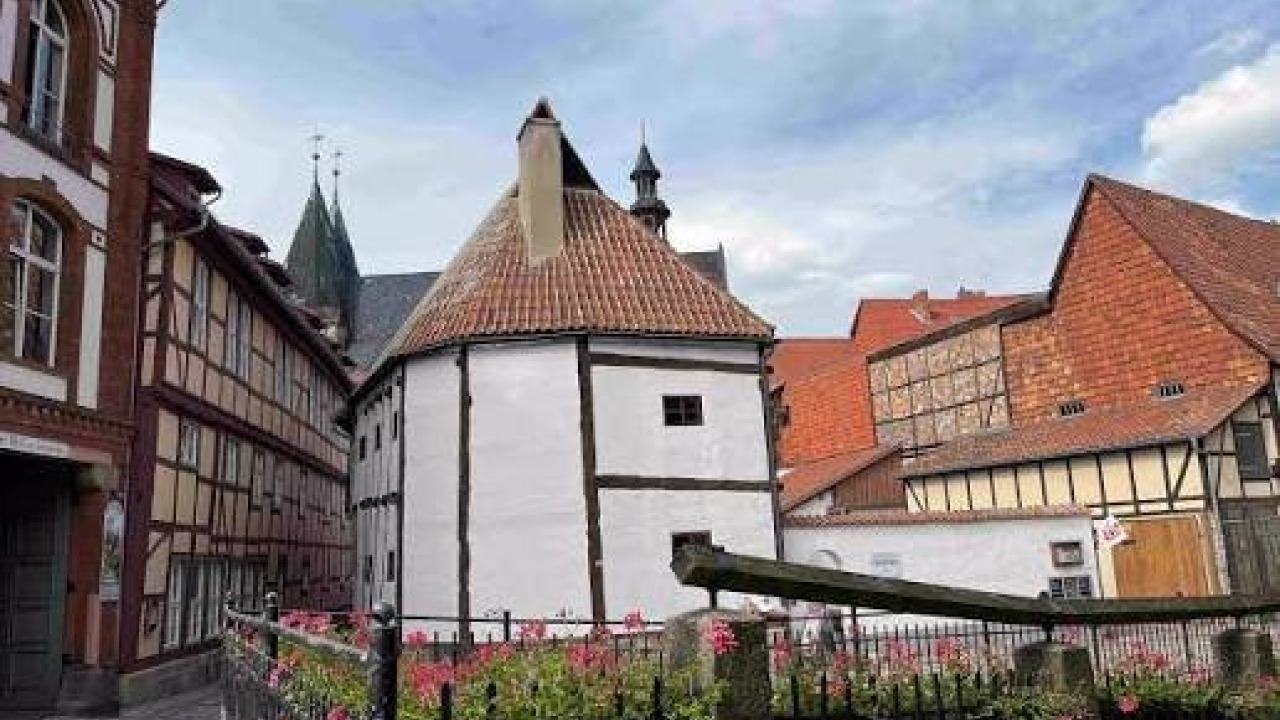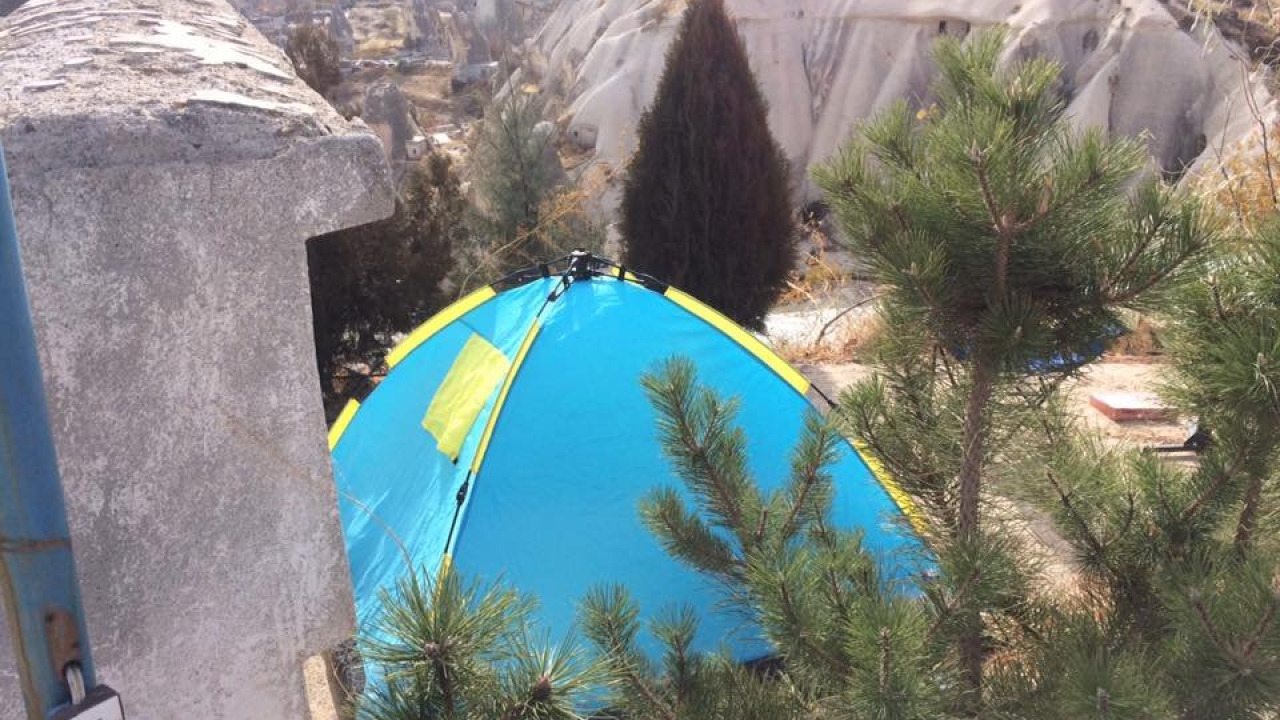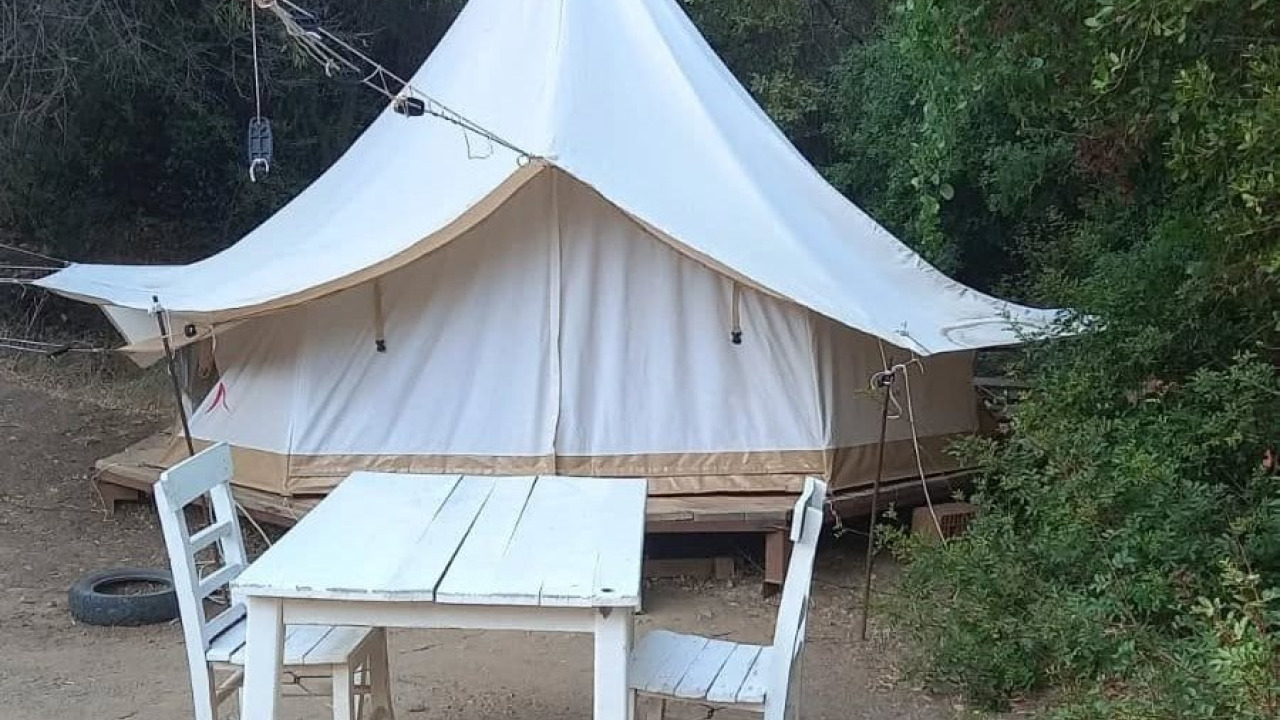
For travelers yearning to explore Turkey's stunning coastline on their own terms, Aegean caravan routes offer the ultimate freedom from hotel bookings. This captivating journey typically begins in Izmir, stretching north to the charming island of Cunda, before sweeping south through Akyaka in the Gulf of Gökova, and culminating on the picturesque Datça Peninsula. Along the way, you'll discover a tapestry of olive groves, traditional stone houses, reedy shores, and windswept coves. The main spine of the route, from Izmir to Datça, covers approximately 335 kilometers, with the northern detour to Cunda adding over 300 kilometers round trip. This guide isn't just a list of stops; it's designed to help you plan your adventure based on your vehicle's self-sufficiency, accommodation permits, current registration rules, and seasonal conditions.
Caravan or Classic Accommodation?
Traveling with a hotel anchors your route, bringing you back to the same spot each evening. A caravan, however, transforms your accommodation into the journey itself. In return, you'll manage your own water, electricity, and waste.
Quick Facts
| Topic | Information |
|---|---|
| Route | Starting from Izmir, with a Cunda detour, ending at Akyaka and Datça on the Muğla coast |
| Main Route Length | Approximately 335 km between Izmir, Akyaka, and Datça |
| Best Season | Spring and Autumn |
| Vehicle Type | Motorhome or travel trailer |
| Regulations | Traffic Law No. 2918, Vehicle Registration Regulation |
Stops Along the Route
Izmir: Starting Point and Resupply Hub
As the northernmost point of your Aegean caravan adventure, Izmir is the ideal place to prepare. You'll find abundant fuel stations, supermarkets, spare parts, and service centers here. Be sure to complete tire, brake, and battery checks before heading out. Instead of navigating the city center with your caravan, utilize parking areas on the outskirts. The coasts of Foça, Çeşme, and Dilek Peninsula can be added as half-day detours to your route. For those wishing to spend an extra day exploring the city, check out our Izmir travel and tour guide. If you're looking for guided programs, our culture tours page offers excellent options.
Cunda: A Short Northern Detour
Cunda (Alibey Island), part of Balıkesir's Ayvalık district, is accessible by caravan thanks to a causeway built in 1817 and the Dolap Boğazı bridge opened in 1964. With its stone houses, cobblestone streets, and olive groves, it serves as a delightful cultural stop on the northern part of the route. The inner streets can be narrow for long vehicles; it's less stressful to park your caravan on the outskirts of the settlement and explore the center on foot. Autumn, when the olive harvest begins, offers pleasant weather and fewer crowds.
Akyaka: A Stop in the Gulf of Gökova
Akyaka, located in Muğla's Ula district, joined the Cittaslow (slow city) network in 2011 and stands out with its low-rise, wooden-fronted architecture. The Kadın Azmağı stream, flowing through the town into the Gulf of Gökova, is perfect for boat trips with its clear waters and reeds. Thermal winds in the gulf usually pick up in the afternoon; plan water activities for the morning and secure your caravan before the wind starts. For activities in the region, explore our nature adventure tours.
Datça: Towards the Tip of the Peninsula
The Datça Peninsula, part of Muğla, is renowned for its almonds. The stone houses of Eski Datça and the ancient city of Knidos at the tip of the peninsula add two excellent day-trip stops to your itinerary. The peninsula road is winding and exposed to wind, so those with travel trailers should reduce their speed. Side roads leading to coves are often narrow and steep. In 1990, the peninsula was declared the Datça-Bozburun Special Environmental Protection Area; construction and coastal use are restricted by plan, and camping is limited to designated areas. Since resupply points are scarce, ensure you top up water and fuel before entering the peninsula.
Stage Distances and Driving Times
| Stage | Approximate Distance & Time | Caravan Note |
|---|---|---|
| Izmir - Ayvalık (Cunda) | 155-160 km, 2 hours | Mostly highway, easy resupply |
| Izmir - Akyaka | 235-240 km, 3 hours | Long stage, plan a break |
| Akyaka - Datça | 95-100 km, 2 hours | Winding roads, reduce speed |
A Four-Step Plan from Izmir to Datça
- Preparation in Izmir: Conduct maintenance checks, fill up water, stock groceries, and map out waste disposal stations.
- Northern detour: Head to Cunda via Ayvalık, then turn south on your return.
- Gulf route: Settle into a camping facility in Akyaka and resupply water and electricity.
- Peninsula: Fill your tanks before entering the Datça road, and allow for a half-day's drive for your return.
Caravan Equipment and Autonomous Living
The comfort of your journey isn't determined by a list of stops, but by how long your vehicle can sustain itself in areas without facilities.
| System | Equipment | Purpose |
|---|---|---|
| Energy | Solar panel, lithium leisure battery, pure sine wave inverter | Uninterrupted operation of refrigerator and lighting |
| Charging | DC-DC charger powered by alternator | For days when solar power is insufficient |
| Water | Fresh, grey, and black water tanks, water pump | Water flow and waste separation |
| Climate | Diesel heater, roof fan, body insulation | Balancing winter humidity and summer heat |
The capacity of your fresh water tank dictates your potential duration of stay; grey and black water should only be discharged at official disposal stations. Releasing wastewater into nature is against environmental regulations and can lead to camping areas being closed off to caravans. The Aegean coast is hot in summer and humid in winter: a roof fan helps expel internal moisture, reducing condensation.
Registration, Parking, and Camping on Aegean Caravan Routes
Caravan use in Turkey is regulated by Traffic Law No. 2918 and the Vehicle Registration Regulation. Travel trailers are categorized into O1 (750 kilograms and below) and O2 (750-3,500 kilograms) trailer classes. With a regulation amendment published in the Official Gazette on December 4, 2024, O1 class light caravans are now also subject to registration, license plates, and periodic inspection: those manufactured after January 1, 2025, must be registered from July 1, 2025, while those manufactured before that date must be registered by January 1, 2035. Motorhomes are registered in the M1 class; vehicles with a maximum laden weight not exceeding 3,500 kilograms can be driven with a B class driver's license.
The main point of confusion often lies in the distinction between parking and camping. Parking means legally positioning your vehicle and spending time inside it. However, extending an awning, lighting a barbecue, or hanging laundry is considered camping. This distinction is determined by municipal police regulations, the Coastal Law, and protected area and forest legislation; administrative penalties may be applied in prohibited coastal areas, nature parks, and protected zones.
When to Hit the Road?
| Period | Advantage | Note |
|---|---|---|
| Spring (April-May) | Mild weather, lush greenery, empty campsites | Sea might still be cool |
| Summer (June-August) | Long days, full-capacity facilities | Heat and crowds increase |
| Autumn (September-October) | Warm sea, quiet coves, harvest season | Facilities start closing by late October |
| Winter (November-March) | Peaceful routes, low occupancy | Humidity and rainfall increase |
What to Check Before You Go?
- Map out fresh water and waste disposal points along your route; verify information from caravan park mapping apps on-site.
- Have your tires, brakes, and suspension checked; for travel trailers, inspect the coupling lock and safety cable at every stop.
- Keep a gas detector, fire extinguisher, and first-aid kit in an easily accessible location.
- During high season, camping facilities fill up and prices increase, so book your spot in advance.
- Light fires only in designated areas, and leave no waste behind when you depart.
How Many Days Should You Allocate for Aegean Caravan Routes?
A five to seven-day plan offers a balanced pace to complete the entire route without driving fatigue. Those looking for a shorter trip can skip the northern detour and spend three days exploring the Izmir, Akyaka, and Datça triangle. For travelers connecting to the Mediterranean route, Marmaris serves as a natural transition point; our Marmaris travel guide can help you plan this connection. For stops focused on ancient sites, explore our historical city tours, and for local cuisine, check out our gastronomy tours.
Frequently Asked Questions 6
What's the first step in planning an Aegean caravan route?
The first step is vehicle preparation: mechanical maintenance, inspection of water and electrical systems, followed by mapping out camping areas and waste disposal stations along your route.
Can you stay overnight anywhere with a caravan?
No. While spending time inside your vehicle is considered parking, extending an awning or lighting a barbecue is classified as camping. For camping activities, authorized facilities and official campsites should be used.
Are there free camping spots on the Aegean route?
Some commonly shared free spots fall under protected areas, nature parks, or municipal camping bans. Paid camping facilities offer water, electricity, and waste disposal, making them safer for vehicles with lower autonomous capacity. Always verify the legal status on-site.
What documents are required for a travel trailer?
Travel trailers require a registration certificate, license plate, and periodic inspection. With the regulation amendment dated December 4, 2024, O1 class light caravans are also included: those manufactured after January 1, 2025, must be registered from July 1, 2025, and those manufactured before that date must be registered by January 1, 2035. Mandatory traffic insurance and an appropriate class driver's license are also required.
How many days does the Aegean caravan route take?
It varies depending on the number of stops. Including the northern detour, five to seven days allow for a comfortable pace; a shortened itinerary can be completed in three days.
Can you travel by caravan along the Aegean coast in winter?
Yes, you can. Roads and coves are peaceful in winter, but humidity and rainfall increase. Heating capacity, body insulation, and roof ventilation become crucial during this period.