
Embarking on an international caravan adventure isn't as simple as filling up your tank and heading to the border. The journey truly begins weeks in advance, at your desk, navigating a maze of paperwork. For drivers looking to cross into Europe with a Turkish-plated motorhome or travel trailer, you'll be juggling three distinct sets of regulations: personal visa and passport requirements, vehicle registration and insurance conditions, and the road tolls, city entry rules, and overnight parking regulations of your destination countries. These three sets aren't independent; the route plan required for your visa application can influence your vehicle's insurance coverage, which in turn dictates where you can legally spend the night. This comprehensive guide lays out the preparation process in the correct order, highlighting the time commitment for each crucial step.
Why Spreading Out Your Preparations is Key
While you might spontaneously decide on a domestic caravan trip a week before hitting the road, cross-border adventures demand a more strategic approach. The timeline is dictated by institutional processing times. Visa appointments, for instance, surge in spring and early summer – precisely when caravan season kicks off and demand peaks. Similarly, securing insurance policies, vehicle inspection records, and any necessary powers of attorney aren't last-minute tasks.
Beyond paperwork, the season itself shapes your route. Alpine passes can close in winter, and many coastal campsites shut down outside of peak season. Conversely, some countries mandate winter tires and snow chains within specific date ranges. Think of your preparation in two layers: your departure date, and the regulations that will be in effect at that time.
Quick Facts
| Topic | Information |
|---|---|
| Scope | Road entry into the Schengen Area with Turkish-plated motorhomes and travel trailers |
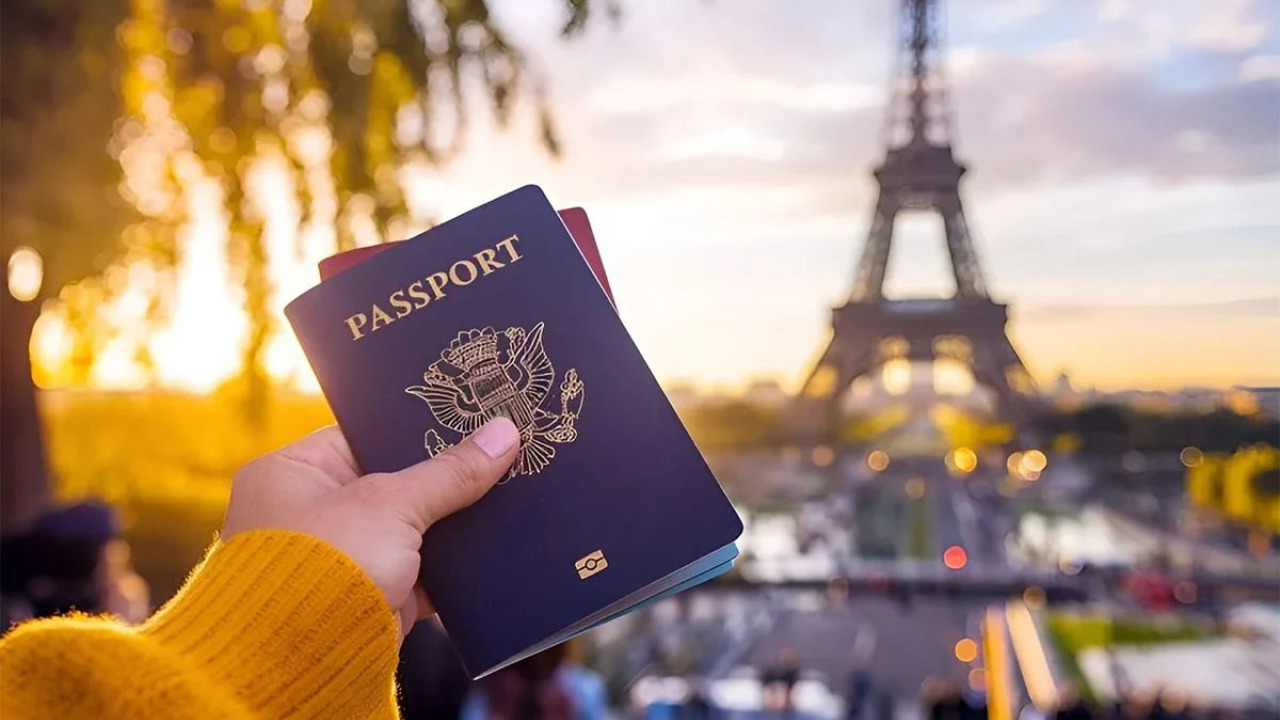
| Personal Documents | Passport, Schengen visa, travel health insurance covering the entire area |
| Vehicle Documents | Registration certificate, Green Card, compulsory traffic insurance, inspection record |
| Stay Rule | Up to 90 days total within any rolling 180-day period in the Schengen Area |
| Main Land Exit | Border crossings along the Edirne and Kırklareli line |
| Road Toll System | Vignette or toll booth ticket, depending on the country; weight class is a key factor |
| Preparation Time | Weeks in advance due to appointment and policy processing times |
Schengen Visa and Personal Documents
Given that caravan routes often span multiple countries, a visa application is structured differently than for a traveler flying to a single city. Consulates will want to see your entire itinerary; the number of nights you plan to spend in each country will also determine where you should apply.
Which Country's Consulate Should You Apply To?
The general rule is to apply to the consulate of your main destination country. This is defined as the country where the primary purpose of your trip will be realized, or where you intend to spend the most nights. When traveling by caravan, this isn't always the first country you enter; a transit country where you spend only a couple of nights typically won't count as your main destination. If your stays are of equal duration, the country of your first entry is usually the determining factor.
Therefore, when preparing your application, meticulously detail your route day by day, tallying up nights spent in each country. Campsite reservations, ferry tickets, and your return plan will support this itinerary. Even if your route is flexible, presenting a consistent draft will streamline the assessment process.
How the 90/180-Day Rule Works for Caravan Tours
A short-stay Schengen visa allows you to stay for a total of up to 90 days within any rolling 180-day period. This calculation can easily be overlooked during caravan tours, as days fly by while you cross borders. The count is based on the entire Schengen Area, not individual countries: any day spent in any member state contributes to the same 90-day limit.
With Bulgaria and Romania now included in the Schengen Area for land borders, days spent in these two countries also count towards your total. Always confirm the latest regulations with the relevant consulate before your departure. For longer tours, maintaining a simple logbook is a practical way to ensure you don't accidentally overstay your welcome.
Passport, Insurance, and Supporting Documents
Your passport should be valid for at least three months beyond your planned departure date from the Schengen Area and must have been issued within the last ten years. Your travel health insurance must cover the entire Schengen Area and the full duration of your trip. EU visa regulations require a minimum coverage of 30,000 euros, and you should verify before applying that your policy includes emergency medical treatment, hospitalization, and medical repatriation. Carrying an International Driving Permit alongside your national driver's license can expedite checks in some countries.
Border Crossings and Exit Corridors
The main land route from Turkey into Europe passes through Thrace. Your choice of border gate impacts not only the distance but also waiting times and your first day's itinerary.
The Bulgaria Route via Edirne
Kapıkule is Turkey's primary land border crossing towards Bulgaria, with its Bulgarian counterpart being Kapitan Andreevo. Expect significant congestion during summer months and holiday periods. For longer vehicles like caravans, maneuvering space can be tight, leading to extended waits during peak hours. The Hamzabeyli gate (Lesovo on the Bulgarian side), located in Edirne's Lalapaşa district, offers a less congested alternative. The Dereköy gate on the Kırklareli side opens to Malko Tarnovo, providing a shorter link for routes heading towards Burgas and the Black Sea coast. For routes continuing through Serbia, North Macedonia, or Romania after Bulgaria, our Balkan Tour Guide offers valuable insights into planning the region as a whole.
Practical Tip: Base your border gate choice on real-time traffic updates the day before. Instead of idling your engine and running the AC in a queue, engage your caravan's ventilation system to conserve fuel.
The Greece Route via İpsala
For those aiming for Greece, İpsala is the main gateway, while Pazarkule, closer to Edirne city center, is a smaller crossing point. This route serves as the natural starting point for journeys heading west along the Aegean and Adriatic coasts. The highway traversing northern Greece from east to west acts as a crucial backbone connecting to Italy's ferry ports.
Practical Tip: In Greece, road tolls are collected at booths, and vehicle class is determined by height and axle count. Approaching a toll booth without knowing your caravan's actual height can lead you into the wrong lane.
Sea Routes and Ferry Alternatives
For those wishing to shorten long land drives, ferry lines between Greek and Italian ports offer an excellent option. Year-round services are available from Igoumenitsa and Patra to Ancona, Bari, and Brindisi, though frequencies may decrease in winter. When planning your route city by city on the opposite shore, our Italy Travel Guide will clarify regional sequencing. When making a reservation, the length, height, and dimensions of your travel trailer (if applicable) must be declared separately. Gas cylinder valves must be closed, and the crew informed. Whether overnight stays in the vehicle are permitted instead of a cabin varies by route; inquire about this when booking your ticket.
Vehicle Documents and Insurance for International Travel
Once your personal documents are in order, the job isn't done. At the border, a second set of documents, specific to your vehicle, will be required.
Understanding the Green Card System
Compulsory traffic insurance issued in Turkey is not valid abroad. This gap is covered by the international motor vehicle liability insurance, commonly known as the Green Card. Your policy will display codes for the countries where it is valid; ensure that every country on your route has an active code. If your travel trailer is registered with a separate license plate, a separate Green Card policy might be necessary for both the towing vehicle and the trailer. The policy duration must also cover your return date; an expired policy at the border will become a significant obstacle to your passage.
Registration Certificate, Power of Attorney, and Driving License Compatibility
If the vehicle is not registered in your name, you must carry a notarized power of attorney. For rented vehicles, the contract must explicitly state permission for international use. Regarding driving licenses, Turkey's classification system applies, and the Highway Traffic Regulations define three distinct thresholds. A Class B driving license is sufficient for towing light trailers with a maximum laden mass of up to 750 kilograms. For travel trailers exceeding this threshold, a Class BE license, which grants trailer authorization, becomes necessary. The B96 code endorsed on your license is an intermediate solution, extending the maximum laden mass of the combined vehicle to 4,250 kilograms. For motorhomes exceeding 3,500 kilograms, a higher-class driving license is required. Confirm which option suits your vehicle combination with the traffic authorities, referring to the maximum laden mass stated on your registration certificate; this figure is the one considered at the border, and it might have changed after modifications or second-hand purchases.
| Document | Pertains to | Note |
|---|---|---|
| Passport and Schengen visa | Each person in the vehicle | Validity must exceed return date |
| Travel health insurance | Each person in the vehicle | Must cover the entire area and duration of travel |
| Registration certificate | Vehicle | Maximum laden mass must be compatible with driving license |
| Green Card | Vehicle and travel trailer (if applicable) | Country codes on your route must be active |
| Notarized power of attorney | If vehicle owner is someone else | Issued in the driver's name |
| Inspection record | Vehicle | Must be valid throughout the journey |
Step-by-Step Border Crossing
Viewing the border crossing as a defined chain of procedures can significantly reduce wasted time on-site.
- The day before departure, gather all your documents in a single folder and keep scanned copies on your phone; this will expedite the process in case of loss.
- Complete your fuel, fresh water, and gas refills before entering the customs area; these needs cannot be met while in a queue.
- At the Turkish exit control, present the passports of all occupants in the vehicle along with the vehicle's registration certificate; the vehicle's record is linked to the exit procedure.
- At the customs on the other side, your Green Card and registration certificate will be requested; keeping the policy at the top of your folder will shorten your wait.
- Before entering the first motorway, complete that country's vignette or toll registration; in electronic systems, registration is done via your license plate and must be active before you reach any toll booths.
- Plan your first overnight stop a short distance after crossing the border; tired driving after a queue is the weakest link in your route.
- Upon your return, ensure that the vehicle record opened during your departure is properly closed.
Road Tolls and City Entry Rules in Europe
Road usage and city center access in Europe are governed by two distinct sets of rules. Due to its length and weight, a caravan might fall into a different vehicle class than a standard car for both.
Vignettes and Toll Road Systems
Austria, Bulgaria, Czechia, Hungary, Romania, Slovakia, Slovenia, and Switzerland operate a time-based vignette system: a registration purchased for a specific period covers motorway usage throughout that duration. While Bulgaria, Hungary, and Romania manage registration entirely digitally, Slovenia and Switzerland still use physical stickers affixed to the windshield, meaning you'll need to purchase these from stations before reaching the border. Greece, Italy, France, Croatia, Serbia, and North Macedonia, on the other hand, operate on a toll booth system, where the amount is calculated based on the distance traveled and the vehicle class. In Germany, there are no motorway tolls for vehicles under 7.5 tons, which can significantly reduce costs on northern routes.
For caravan drivers, the critical distinction is weight. In Austria, the vignette applies to vehicles under 3.5 tons. Motorhomes exceeding this threshold are exempt from the vignette system and instead switch to a distance-based system using an in-vehicle device similar to a GO-Box. Tariffs vary not only by distance but also by axle count and emission class. Furthermore, even with a vignette, some tunnels and mountain passes in Austria levy separate route-specific fees; be sure to budget for these separately.
Low Emission Zones and City Access
Many European cities require an emission-class-based sticker or registration for entry into their centers, and this obligation extends to foreign-plated vehicles. In Germany, the Umweltplakette system has been in place since 2007: vehicles receive a red, yellow, or green sticker based on their emission class, and generally, only green-stickered vehicles can enter environmental zones. These stickers can be ordered online from technical inspection organizations like TÜV, DEKRA, and GTÜ, even from abroad; entering without a sticker incurs an administrative fine. In France, the equivalent is the Crit'Air vignette, required in cities implementing low emission zones. Motorhomes fall under the same regulations as cars in these systems; there is no "caravan exempt" category.
Since stickers can take days to arrive by mail, order them weeks before your departure; these are not tasks to be handled once you've reached the border. Entering city centers with a caravan is already challenging due to maneuvering and parking; settling into a nearby caravan site and using public transport to reach the center is often a more relaxed approach.
| System | Example Countries | How it Works | Caravan Note |
|---|---|---|---|
| Digital Vignette | Bulgaria, Hungary, Romania, Austria | Registration opened via license plate for a specific period | Vehicles exceeding the 3.5-ton threshold may be exempt |
| Physical Sticker Vignette | Slovenia, Switzerland | A sticker is purchased and affixed to the windshield | Obtained from stations before the border |
| Toll Booth Motorway | Greece, Italy, France, Croatia | Amount collected based on distance and vehicle class | Height and axle count can elevate the class |
| Distance-Based Heavy Vehicle System | Austria (3,5 ton üstü) | Distance traveled calculated by an in-vehicle device | Requires separate registration or device installation |
| Free Motorway | Germany (7,5 ton altı) | No toll fees are charged | Emission sticker still required for city entry |
| Low Emission Zone | Germany (Umweltplakette), France (Crit'Air) | Sticker or permit based on emission class | Stickers should be obtained in advance; prefer peripheral parking over city center |
Adapting Your Caravan to European Standards
The systems in your caravan that work flawlessly in Turkey might encounter different connection standards once you cross the border. This aspect of adaptation is often the most overlooked part of international travel preparation.
Electrical Connections and Cable Management
Campsites and caravan parks across Europe typically provide electrical hook-ups using the industrial blue plug standard. If your vehicle doesn't have a compatible inlet, ensure you carry a converter adapter and a sufficiently long extension cable. The amperage limit provided at sites varies by facility; running your air conditioning, water heater, and stove simultaneously can trip the breaker. Always uncoil your cable fully when in use to prevent overheating.
Gas Cylinders and Refill Adapters
Gas cylinders brought from Turkey cannot be refilled in Europe, and each country has its own distinct cylinder exchange system. For vehicles using refillable tanks, the filling nozzle standard varies from country to country; acquiring an adapter set that covers various nozzle types before you set off will prevent you from being left without heating in the middle of your route.
Water Refill and Waste Disposal Points
Caravan service stations are widespread in Europe, with most offering fresh water refills and grey and black water disposal at the same location. Since hose connectors aren't universal across all countries, carry a few different connection ends, and always store your drinking water hose in a separate container from your waste hose. Disposing of wastewater only at designated stations is not just a rule but a fundamental principle of environmental ethics; in countries with strict enforcement, non-compliance can lead to administrative penalties.
What Influences the Cost of a European Caravan Tour?
The budget for a caravan tour differs significantly from a hotel vacation. What primarily determines the total cost isn't nightly accommodation, but rather the vehicle's weight and the daily distance covered. Providing a fixed figure would be misleading, as exchange rates, fuel prices, season, and route all fluctuate annually. Instead, a healthier approach is to build your budget item by item, understanding which variables influence each line.
The most effective decision for reducing costs is route design. Shortening your daily driving distance simultaneously lowers fuel consumption, toll road usage, and wear and tear. Reducing the number of countries visited and staying longer in each will also decrease the number of vignettes and emission stickers you need to purchase.
| Budget Item | What it Depends On | How to Reduce It |
|---|---|---|
| Fuel | Vehicle weight, daily distance, elevation profile | Shorten daily distances, prefer flatter routes |
| Road Tolls | Country system, weight class, axle count | Balance free state roads with toll motorways |
| Vignettes and Stickers | Number of countries passed through, duration of stay | Reduce number of countries, choose appropriate duration package |
| Campsites and Caravan Parks | Season, facility amenities, location | Opt for off-season and peripheral city locations |
| Insurance and Documents | Number of people, policy duration, coverage | Align duration precisely with your route |
| Ferry | Vehicle length, height, cabin preference | Early booking, open deck option |
| Service and Spare Parts | Vehicle age, road conditions | Pre-trip maintenance, carrying critical spares |
Pre-Departure Checklist
- Complete mandatory safety equipment: Reflective vests (one for each occupant), a warning triangle, and a first-aid kit are required in most countries; some may even demand a second warning triangle.
- Measure your vehicle's actual height and width and note it prominently in the cockpit. This quick reference will save decision-making time at tunnels, underpasses, and multi-story car park entrances.
- Have your tire tread depth, brake pads, coupling lock, and stabilizer legs inspected by a service professional before your long journey.
- For routes covering winter months, check country-specific obligations for winter tires and snow chains. These requirements can be date-specific in some countries, while in others, they depend on prevailing weather conditions.
- If you're bringing a pet, start the process at least four months in advance. As Turkey is considered an unlisted country under EU regulations, at least one month must pass after microchipping and rabies vaccination before a blood sample can be taken. Following the rabies antibody test result, a further three-month waiting period is required. The blood sample is sent to a laboratory authorized by the European Commission; in Turkey, this authorization rests with the Ankara Etlik Central Veterinary Control and Research Institute.
- Carry reports for your prescription medications and keep them in their original packaging.
- A declaration obligation arises for cash amounts of 10,000 euros or more when entering or exiting the EU; do not skip the declaration form.
- For emergencies across Europe, dial 112. Keep offline maps and a list of campsites on your phone.
Route Planning by Season
| Period | Route Tendency | Note |
|---|---|---|
| Spring | Balkans and Central Europe | Campsites are just opening, low crowds |
| Summer | Alpine region, Baltic, and northern routes | Visa appointments and campsite occupancy peak |
| Autumn | Adriatic and Mediterranean coastlines | Weather is mild, coastal facilities begin to close |
| Winter | Iberian Peninsula and ski regions | Winter tires, chains, and heating capacity become crucial |
Return Journey, Entry to Turkey, and Beyond
Your return journey concludes with the closure of the vehicle record opened upon your departure. Upon entering Turkey, your registration certificate and passport will be presented again; customs limits for personal belongings apply. If you've diligently tracked your stay according to the 90/180-day rule, this stage should remain a mere formality.
In summary, the sequence is: meticulously plan your route day by day, apply for your visa based on your main destination country, ensure your vehicle's insurance and registration are compliant, note down road tolls and city entry rules for each country, adapt your camping infrastructure to European standards, and itemize your budget. Many drivers who complete an international tour continue this autonomous style of travel on Turkish routes. When planning domestic itineraries, our Turkey Tour Routes article offers a starting point for regional sequencing. For those wishing to add guided programs to their itinerary, cultural tours focusing on ancient cities and museums, historic city tours for exploring city centers on foot, and nature and adventure tours for canyon and highland activities are excellent options.
Frequently Asked Questions 8
What documents are required for international caravan travel?
Each person in the vehicle needs a passport, a valid Schengen visa, and travel health insurance. The vehicle requires a registration certificate, inspection record, compulsory traffic insurance, and a Green Card. If the vehicle is registered in someone else's name, a notarized power of attorney must also be included.
How do I obtain a Schengen visa for a caravan trip?
The application should be made to the consulate of the main destination country, where you plan to spend the most nights. If the durations are equal, the country of first entry is considered. Your application file should include a day-by-day route plan, accommodation bookings, and a return plan, and you must confirm that your insurance policy covers the entire Schengen Area.
Can I travel internationally with a caravan under 750 kg?
Yes, you can. Travel trailers with a maximum laden mass of up to 750 kilograms can be towed with a Class B driving license. For caravans exceeding this threshold, a Class BE license, which includes trailer authorization, is required. Regardless of weight, always verify that your Green Card coverage includes the caravan.
How should I plan a European caravan tour route?
The route should align with the night distribution specified in your visa application. Key approaches include keeping daily driving distances short, noting each country's road toll system in advance, and positioning overnight stops according to border and city entry rules.
How can I find caravan campsites in Europe?
Campsites and caravan parks are listed on online maps and through dedicated caravan applications. Service stations offering water refills, waste disposal, and electrical hook-ups are often categorized separately. Downloading offline maps is useful for areas outside cellular coverage.
Is it permitted to spend the night anywhere with a caravan in Europe?
No, it is not. Many countries have separate regulations for areas where overnight stays in a vehicle are allowed versus areas where camping is permitted. Actions like extending an awning, setting up a table, or lighting a fire are generally considered camping. Overnight stays outside designated caravan parks and campsites can lead to penalties.
What factors influence the cost of a European caravan tour?
The total cost is determined by fuel, road tolls, vignettes, emission stickers, campsite fees, insurance, ferry expenses, and service costs. All these items depend on the vehicle's maximum laden mass, daily distance traveled, and the number of countries visited. Shortening daily distances and reducing the number of countries can simultaneously lower multiple cost items.
In which countries are vignettes required for caravans?
Austria, Bulgaria, Czechia, Hungary, Romania, Slovakia, Slovenia, and Switzerland use a time-based vignette system. Greece, Italy, France, and Croatia operate on a toll booth system. In Germany, motorway tolls are not charged for vehicles under 7.5 tons. In Austria, motorhomes exceeding 3.5 tons are subject to a distance-based system instead of a vignette.