
When you think of Safranbolu, images of centuries-old timber-framed Ottoman houses, winding cobblestone alleys, and the rhythmic hammering of copper smiths in the Old Bazaar immediately come to mind. Located in the province of Karabük, this historic town was inscribed on the UNESCO World Heritage List in 1994 for its impeccably preserved civil architecture. Named after the precious saffron crocus grown in the region, Safranbolu offers a rich tapestry of experiences—from the grandeur of Cinci Han to the panoramic vistas of Hıdırlık Hill and the breathtaking depths of Tokatlı Canyon. This guide explores the best of Safranbolu's history, nature, and gastronomy to help you plan an unforgettable getaway.
At Travel Tour Shop, we operate directly on the ground across the Western Black Sea's cultural routes. We closely monitor boutique hotel standards and local transport to the surrounding villages, ensuring that our recommendations meet the highest quality standards for your itinerary.
Quick Facts
| Category | Details |
|---|---|
| Province | Karabük (Western Black Sea Region) |
| Best Time to Visit | April–June and September–November (Spring, Saffron harvest, and Autumn) |
| Recommended Duration | 1–2 days for the center; 3 days including surroundings |
| Highlights | Ottoman houses, Old Bazaar, Cinci Han & Bath, Hıdırlık Hill, Kaymakamlar House, Tokatlı Canyon, Yörük Village, saffron Turkish delight |
| Getting There | By Road: Approx. 2 hours from Ankara; nearest airports are Kastamonu and Ankara Esenboğa |
| UNESCO Status | World Heritage Site (since 1994) |
Why is Safranbolu a Must-Visit?
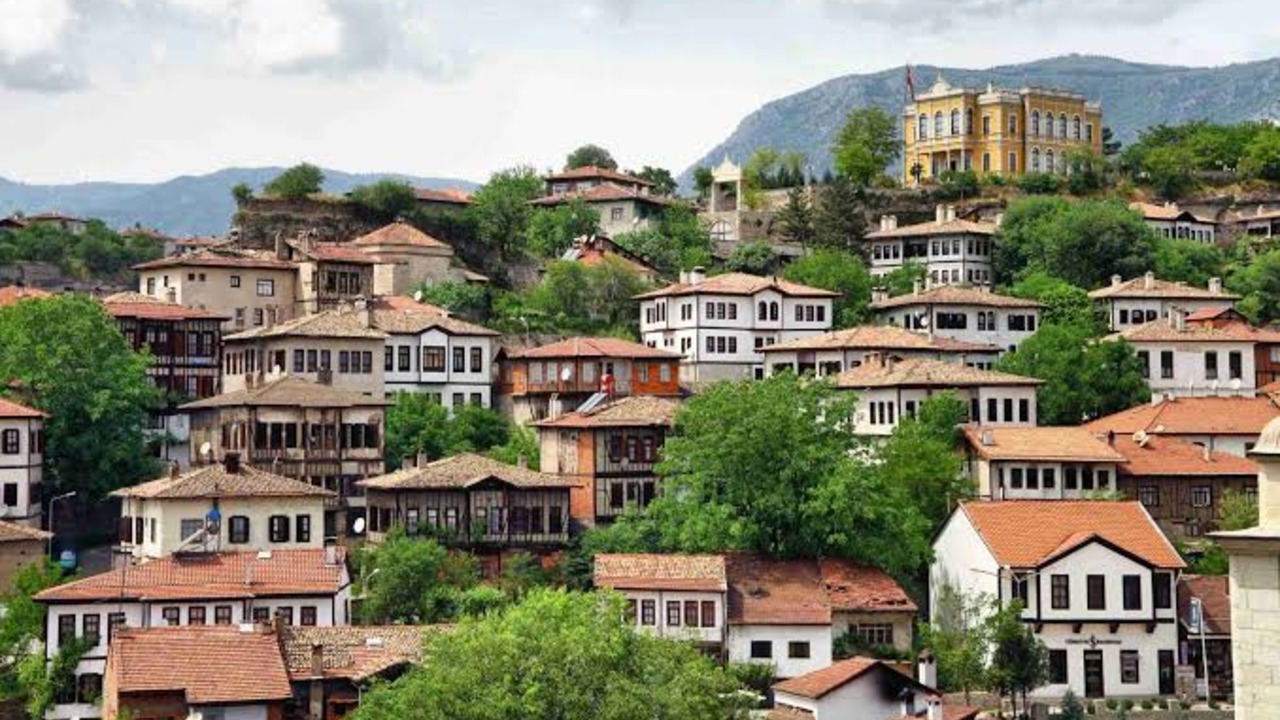
What makes Safranbolu truly unique is not a single monument, but the town as a whole. Nearly two thousand traditional houses, bazaars, inns, baths, and mosques from the 18th and 19th centuries have survived intact, preserving the original urban fabric. With their timber frames, adobe infills, projecting bay windows (cumbas), and inner courtyards, these homes are masterclasses in Ottoman civil architecture. The town is divided into the "Çarşı" (Bazaar), located in a cooler valley, and the "Bağlar" (Vineyards), known for its garden villas on the higher slopes. This harmony transforms Safranbolu into a living open-air museum, making it a crown jewel of cultural tours in Anatolia.
The architecture of Safranbolu houses reflects the social values of the era. Typically two or three stories high, the ground floor served as a stone-walled courtyard and storage area, while the upper floors were reserved for family life. The iconic bay windows expanded the living space and allowed residents to observe the street while maintaining privacy. Inside, you'll find "yüklük" (built-in closets), traditional washrooms, intricately carved wooden ceilings, and cozy sedirs (built-in sofas). Remarkably, the houses were positioned so as not to block a neighbor's view—a testament to the town's respectful approach to topography. The thick adobe walls provide natural insulation, keeping interiors warm in winter and cool during the summer heat.
Top Historical Sites in Safranbolu
The heart of the town is compact enough to be explored on foot within a few hours. The following spots in the Çarşı district are close to one another and perfect for your first day.
The Old Bazaar and Yemeniciler Arastası
The beating heart of any visit is the Old Bazaar (Arasta). Along its narrow lanes, copper smiths, blacksmiths, weavers, and confectioners continue to practice their traditional crafts. The Yemeniciler Arastası takes its name from the handmade leather shoes (yemenis) once produced here. Here, you can find authentic saffron, saffron-infused Turkish delight, hand-woven textiles, and copperware. For those who want to dive deeper into the town's commercial history, we recommend exploring our historic city tours.
Cinci Han and Cinci Hamamı
Dating back to the 17th century, Cinci Han was a vital caravanserai on the ancient trade routes of Anatolia. This two-story courtyard structure remains a symbol of the town's mercantile past. Right next to it is the Cinci Hamamı, a double bathhouse built in 1645, which still retains its original architecture with separate sections for men and women. Together, they tell the story of Safranbolu as a hub of trade and hospitality.
Mosques and the Clock Tower
Among the town's spiritual landmarks, the Köprülü Mehmet Paşa Mosque (1661) and the İzzet Mehmet Paşa Mosque (1796) stand out. Dominating the skyline is the Clock Tower, built in 1797 by İzzet Mehmet Paşa; it is considered one of the oldest functioning clock towers of the Ottoman era. The hill where the tower stands is also home to the City History Museum, housed in the old Government House, which documents the town's memory through photographs and artifacts.
Kaymakamlar House Museum
To experience the interior of a traditional Safranbolu mansion, the Kaymakamlar House Museum is an essential stop. This restored mansion brings 19th-century family life to light, showcasing the strict separation between the "selamlık" (men's quarters) and "haremlik" (women's quarters), as well as stunning carved ceilings and period furniture. Visiting this museum first provides the necessary context to appreciate the other houses you'll see throughout the town.
Nature and Panoramic Views
Beyond the historic center, Safranbolu offers breathtaking landscapes and outdoor activities for nature lovers.
Hıdırlık Hill
Hıdırlık Hill is the ultimate vantage point, offering a panoramic view of the old town with its sea of red-tiled roofs. The sunset here, with the silhouettes of mansions and minarets, is the most photographed scene in Safranbolu. With its tea gardens and historic cemetery, it's the perfect spot to pause and grasp the scale of the town's beauty.
Tokatlı Canyon, İncekaya Aqueduct, and the Glass Terrace
Located near the center, Tokatlı Canyon is a favorite for hikers, featuring deep valley views and serene walking trails. Spanning the canyon is the İncekaya Aqueduct, a historic water structure built in the 18th century. For a thrill, the adjacent Glass Terrace allows you to look straight down into the canyon from a suspended platform. Those seeking a bit more adrenaline can include this area in their nature and adventure tours.
Bulak (Mencilis) Cave
About seven kilometers from the center, Bulak Cave is a geological marvel known for its underground lake, stalactites, and stalagmites. The cave features well-maintained walking paths and offers a refreshing, cool escape during the summer months. We recommend checking opening hours and seasonal access before your visit.
A Rural Escape: Yörük Village
Located about nine kilometers from the town, Yörük Village showcases the same architectural tradition but on a rural scale. With its stone-paved square, communal laundry house, and preserved mansions, it feels as though time has stood still. The Sipahioğlu Mansion is a highlight here, famous for its lavish interior decorations. Yörük Village is an easy half-day addition to any Safranbolu itinerary.
What to Eat and Buy in Safranbolu?
The town's namesake, saffron, is one of the world's most expensive spices and is grown in limited areas locally. Because thousands of flower stigmas must be hand-picked to produce a single gram, it is a labor of love and luxury. The harvest typically takes place in October and November; visiting during this time allows you to see the purple fields and witness the harvest. Saffron is used locally to add vibrant color and aroma to desserts and traditional drinks.
Must-try local flavors include saffron Turkish delight, saffron tea, and "zerde" (a saffron-infused rice pudding). For main courses, try the "kuyu kebabı" (pit-roasted meat), "perohi" (a local dumpling similar to mantı), and "bükme" (a traditional pastry). For souvenirs, look for genuine saffron, copperware, felt products, and hand-woven textiles. Pro Tip: To ensure your saffron is authentic, buy from reputable merchants in the bazaar and ask about the source. Be wary of suspiciously low prices, as these products often contain safflower (aspir) instead of real saffron.
When to Visit and How to Get There
Safranbolu is a year-round destination. Spring and autumn offer mild weather and quieter streets. For those wanting to see the saffron harvest, October and November are the peak months. In winter, a dusting of snow on the Ottoman mansions creates a magical, fairytale atmosphere.
The town is easily accessible by road: approximately two hours from Ankara and five to six hours from Istanbul. For those flying, the nearest airports are Kastamonu and Ankara Esenboğa, with road transfers to the town. Since most of the sightseeing is done on foot, we strongly recommend wearing comfortable walking shoes suitable for cobblestones.
Suggested Itinerary: * Day 1: Start at the Kaymakamlar House Museum, explore the Old Bazaar and Cinci Han, and end the day with a sunset view at Hıdırlık Hill. * Day 2: Take a morning trip to Tokatlı Canyon and the İncekaya Aqueduct, followed by a visit to Yörük Village.
If you'd like to combine Safranbolu with other destinations, feel free to browse our latest tour options to plan your route.
Frequently Asked Questions 6
How many days are enough to visit Safranbolu?
Since most historical sites in the center are within walking distance, the Bazaar area can be explored in one to two days. If you add Yörük Village, Bulak Cave, and Tokatlı Canyon, a three-day trip is more relaxed.
When is the best time to visit Safranbolu?
Spring and autumn are ideal for mild weather and fewer crowds. October and November are best for the saffron harvest. Winter offers a unique, cozy atmosphere with snow-covered mansions.
Why is Safranbolu on the UNESCO World Heritage List?
It was listed in 1994 because it has preserved its 18th and 19th-century civil architecture—including houses, bazaars, inns, and baths—as a cohesive whole, providing a rare example of Ottoman urban life.
How do I get to Safranbolu?
Safranbolu is in the Karabük province. It is accessible by car (2 hours from Ankara, 5-6 hours from Istanbul) or via the nearest airports in Kastamonu or Ankara Esenboğa, followed by a road transfer.
What should I eat and buy in Safranbolu?
Don't miss the saffron Turkish delight, saffron tea, and zerde. For shopping, authentic saffron, handmade copperware, and textiles are the top choices. Always buy saffron from trusted local vendors.
Where should I stay in Safranbolu?
For a truly immersive experience, stay in one of the restored historic mansions in the Bazaar area, which operate as boutique hotels. For those seeking more peace and greenery, the mansions in the Bağlar district are a great choice.