Our Gelibolu travel guide is a comprehensive resource for those looking to explore the historic peninsula stretching between the Dardanelles (Çanakkale Strait) and the Gulf of Saros. This unique region welcomes visitors with a powerful blend of military heritage and pristine coastal bays. To experience the area with professional guidance, Gelibolu tour programs offer a wide range of curated itineraries.
As the site of the Gallipoli Campaign, a turning point in global history, these sacred lands attract thousands of visitors annually. The protected historical zones, monuments, and cemeteries maintain an atmosphere of profound respect and solemnity. This guide will help you plan your trip to Gelibolu based on the season and your specific travel interests.
- Gelibolu is a strategic and historic peninsula located on the northern shore of the Çanakkale Strait.
- The historical area features monuments, cemeteries, museums, and scenic nature trails.
- There is easy road access between the district center and the key historical sites.
- Gelibolu Peynir Helvası (Cheese Halva) and fresh local seafood are the region's culinary highlights.
Gelibolu Quick Facts and Geography
When planning your Gelibolu trip, it is essential to consider the peninsula's geography and the distribution of historical sites. Understanding the basic logistics will help you accurately determine your timeframe and budget. The summary table below provides the key details you need before you set off.
| Category | Details & Route Info |
|---|---|
| Province | Çanakkale |
| Geographical Region | Marmara Region (Thrace & Strait Line) |
| Primary Heritage | Gallipoli Historic Site (Çanakkale Wars) |
| Protection Status | National Historic Site |
| Distance to Center | Southern tip of the Historic Area is approx. 45 km from the center |
| Local Specialty | Gelibolu Peynir Helvası |
The peninsula is anchored by the Gelibolu district center to the north, and the settlements of Eceabat and Kilitbahir to the south. Ferry lines along the strait serve as the primary transport artery between Çanakkale city center and the peninsula. For more detailed regional itineraries, check out our Çanakkale Places to Visit: Gelibolu, Troy, and Assos Guide.
The Historic Peninsula and Memorials
The memorials of the Gelibolu Peninsula are sacred spaces that preserve the epic tales of heroism from the Çanakkale Wars through tangible remains. Walking through the trenches, monuments, and cemeteries often evokes a deep emotional response in visitors.
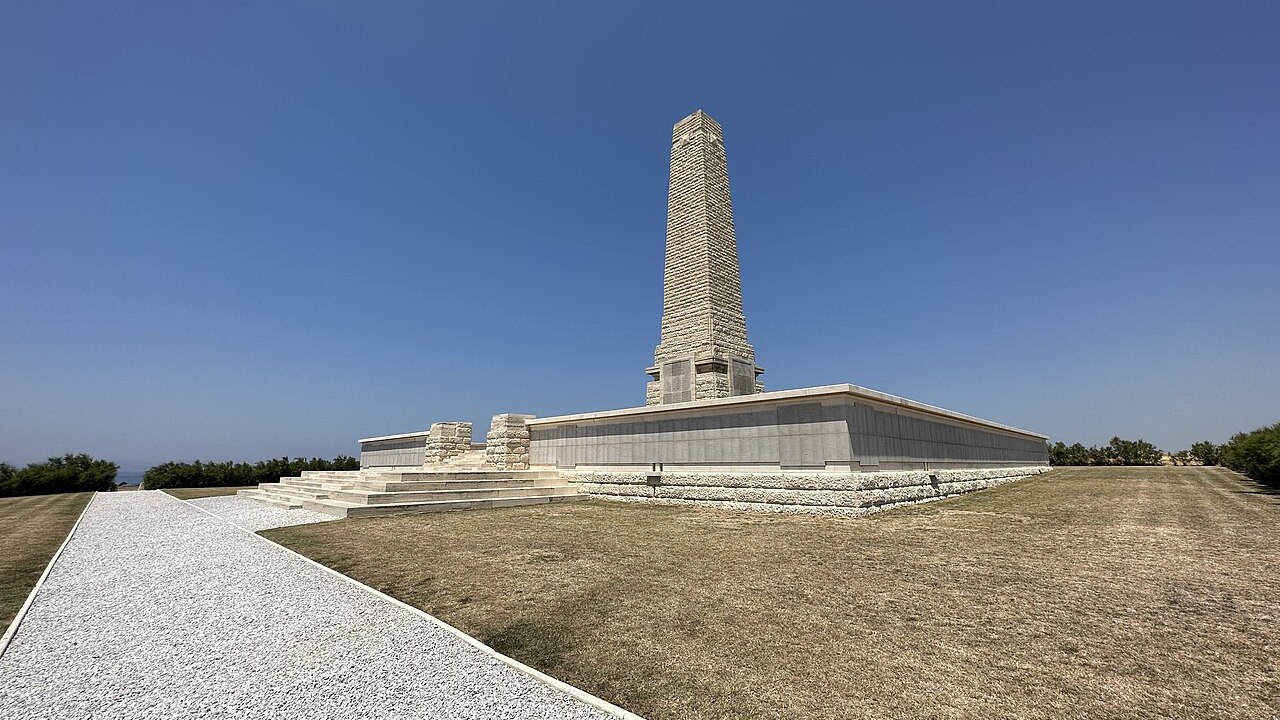
The Martyrs' Memorial (Şehitler Abidesi)
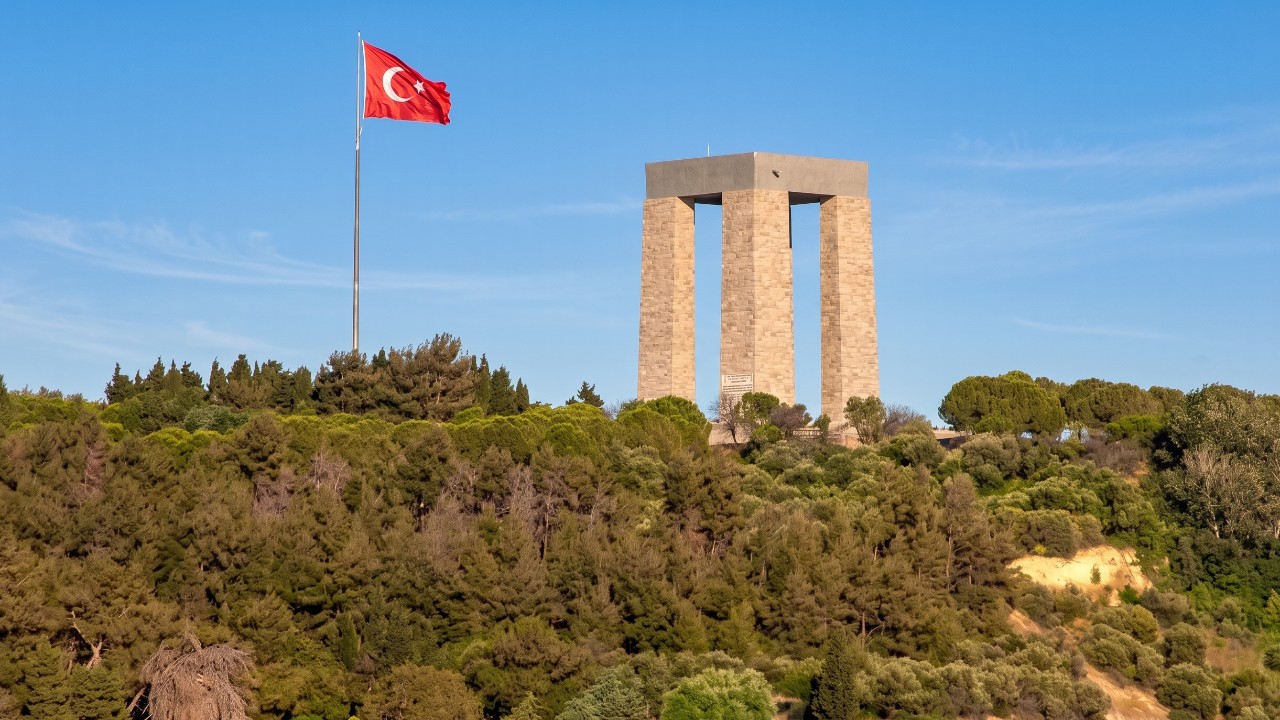
Rising above Morto Bay, the Martyrs' Memorial is a monumental structure representing the memory of all those who fell during the campaign. The surrounding area features symbolic cemeteries, relief carvings, and vast ceremonial grounds. Its commanding view of the strait offers visitors a moment for deep reflection.
The flat walking paths around the memorial are paved with stone, making them accessible for visitors of all ages. The site is equipped with resting benches and informative signage. To explore the bays on the western coast, our Çanakkale Gelibolu Cemeteries and Anzac Cove Guide provides detailed insights.
Anzac Cove and Arıburnu Coast
Located at the foot of the Arıburnu cliffs, Anzac Cove features a coastline approximately 600 meters long. This narrow strip of beach, where steep sandstone hills meet the sea, witnessed some of the most grueling phases of the amphibious landings. Today, the calm waters stand in stark contrast to the dramatic events of the past.
Inscriptions along the shore display the peace message written by Mustafa Kemal Atatürk to the soldiers of the opposing forces. This message has transformed the cove into a global symbol of international peace. The paved coastal road is easily accessible by both vehicle and on foot.
57th Infantry Regiment Cemetery
Situated on the slopes of Kılıçbayır, the 57th Infantry Regiment Cemetery honors the brave soldiers who sacrificed their lives for their homeland. With symbolic graves, an ablution fountain, and a commemorative statue, the site greets visitors with an atmosphere of solemn respect. The cemetery is located in the very heart of the historic battlefields.
Information boards at the entrance explain the military strategies of the era and the heroism of the regiment. The shaded paths under pine trees provide a cool retreat during the summer months. We recommend continuing your ascent toward Conkbayırı after visiting the cemetery for a complete historical perspective.
Conkbayırı and the Atatürk Monument
One of the highest and most strategic points on the peninsula, Conkbayırı was the scene of a critical turning point in the battles. The spot where Mustafa Kemal's watch was shattered and his observation point are preserved here. Observation terraces at the summit offer simultaneous views of the Aegean Sea and the Çanakkale Strait.
Walking among the trench remnants and monuments, the steep and rugged terrain makes it easier to understand the hardships of the time. The breezy summit provides a refreshing atmosphere. For a broader understanding of the protected area, the Çanakkale Gelibolu Historic Site and Cemetery Guide is an excellent resource.
Planning Your Visit by Traveler Profile
When planning a trip to Gelibolu, it is important to analyze the interests, age groups, and available time of the visitors. Different routes can be tailored for history buffs, school groups, and nature lovers. The following matrix helps you make the best planning decisions based on your profile.
| Traveler Profile | Preferred Season | Recommended Scope | Primary Focus |
|---|---|---|---|
| History & Research | Spring (April - May) | Comprehensive Route (45 km) | Forts, museums, and battlefields |
| Families with Children | Autumn (Sept - Oct) | Day Trip | Martyrs' Memorial and coastal museums |
| School & Culture Groups | Spring | Full Program | Cemeteries and simulation centers |
| Nature & Hiking | Late Winter / Spring | Weekend Route | Historic trails and Saros coast |
These tailored alternatives prevent time waste and increase the quality of the visit. Families with small children should incorporate frequent breaks in open areas to avoid fatigue, while history researchers can gain a deeper understanding of the war's logistics through guided tours.
Monthly Visit and Season Matrix for Gelibolu
The climate of the Gelibolu Peninsula varies significantly by season, influenced by the strait's winds and the Mediterranean transition zone. Knowing the weather for your chosen month is key to selecting the right clothing and ensuring outdoor comfort.
| Month / Period | Average Conditions | Visitor Density | Pro Tip |
|---|---|---|---|
| March - April | Cool, windy, chance of rain | Very High (April 24-25 commemorations) | Windbreaker and waterproof shoes |
| May - June | Mild, sunny, ideal for touring | High | Start your day early |
| July - August | Hot, dry, sea breezes | Medium (Sea tourism focus) | Hat, sunscreen, and plenty of water |
| September - October | Temperate, calm, clear skies | Ideal | Best period for long walks |
| November - February | Cold, north winds (Poyraz) | Low | Layered warm clothing and thermals |
Spring is the most favorable time for hiking, with lush greenery and cool air. In the summer, monument visits in open fields should be shifted to the early morning to avoid the heat. Autumn offers a peaceful environment for those seeking a quiet, reflective historical journey.
Transportation and Step-by-Step Itinerary
Access to the historic peninsula and movement within the site are now very fluid thanks to the 1915 Çanakkale Bridge and regular ferry services. Visitors arriving from Istanbul or Izmir can easily reach the region by road. To complete a comprehensive tour, we recommend the following steps:
- Travelers from Istanbul should follow the Tekirdağ road to enter the Gelibolu district center.
- Head south from the center for approximately 45 km to reach Eceabat and the entrance to the Historic Area.
- Visit Kilitbahir Castle and the Namazgah Fort to examine the first line of the strait's defenses.
- Pass through Alçıtepe village to the southern front to visit the Martyrs' Memorial and Seddülbahir Castle.
- Return to the northern line to complete the day with Anzac Cove, the 57th Regiment Cemetery, and Conkbayırı.
Drivers coming from the Asian side can cross directly via the 1915 Çanakkale Bridge or by ferry. Those wishing to see sites on the opposite shore of the strait can add Troy and Assos to their trip via Çanakkale tour packages.
| Tour Area | Characteristics | Recommended Time | Road Condition |
|---|---|---|---|
| Southern Front (Seddülbahir) | Memorial, castles, and wide bays | Half Day | Wide asphalt roads |
| Northern Front (Arıburnu) | Trenches, steep cliffs, and monuments | Half Day | Winding historic roads |
| Kilitbahir Line | Strait forts and castles | Morning Tour | Coastal road |
| Gelibolu District Center | Cheese halva, bazaar, and harbor | Afternoon | Flat city streets |
The well-maintained roads make traveling by private car or tour bus very comfortable. As shown in the table, the peninsula should be explored via two main axes: the southern and northern fronts. This dual-direction planning prevents unnecessary backtracking between cemeteries.
Field Rules and Etiquette for Visiting Gelibolu
As a historic site and area of commemoration, certain rules of respect and safety must be observed on the Gelibolu Peninsula. Visitors are expected to be mindful of the spiritual atmosphere and cautious in the open terrain.
- Maintain silence and act with respect in cemeteries and monument areas.
- Stay on designated walking paths to protect historic trenches and forts.
- Wear a sun hat and comfortable sneakers for full-day walks in open fields.
- Lighting fires is strictly prohibited within the historic area to prevent wildfires; please do not leave cigarette butts.
Taking a sweet break with oven-baked Gelibolu Peynir Helvası at local eateries is a must. Additionally, you can find geographically certified products like Çanakkale Tomatoes and Lapseki Peaches fresh along the road. Dining at seaside restaurants with fresh seasonal fish while overlooking the strait turns the trip into a delightful memory.
Gelibolu Trip Summary
The Gelibolu itinerary is a journey through a corner of the homeland that everyone should experience at least once, given its profound historical legacy and natural beauty. Honoring the memory of the fallen on-site contributes greatly to a sense of national and historical consciousness.
With proper timing, weather-appropriate clothing, and a planned route, your trip to Gelibolu will be both educational and deeply moving. This journey, witnessed under the cool breezes of the strait, will leave an indelible mark on your memory.
Frequently Asked Questions 5
Where is Gelibolu?
Gelibolu is a historic peninsula and coastal district in the province of Çanakkale, located within the Marmara Region. Situated between the Çanakkale Strait and the Gulf of Saros, it occupies a strategic point on the European continent. The distance between the district center and the main historical sites is approximately 45 km by road.
Which province does Gelibolu belong to?
Administratively, Gelibolu is an official coastal district of the Çanakkale province in Turkey. Forming the northern part of the peninsula, the district is located at the southern tip of the Thrace region. The historical sites, museums, and peninsula villages are all under the administrative jurisdiction of Çanakkale.
What is Gelibolu famous for?
Gelibolu is most famous for its traditional, oven-baked Gelibolu Peynir Helvası (Cheese Halva). Additionally, its fresh sardines, seafood, and the historic Gelibolu Mevlevihanesi (Whirling Dervish Lodge) are among the most well-known cultural and gastronomic attractions.
Can Gelibolu be visited in one day?
The Gelibolu Peninsula Historic Area can be covered in its main highlights in one day if you start early and follow a well-planned guided route. However, for those who wish to absorb the spiritual depth and visit all forts, trenches, and museums in detail, a more comprehensive multi-day program is recommended.
How to get to Gelibolu from Çanakkale?
From Çanakkale city center, you can easily reach Gelibolu district center via the 1915 Çanakkale Bridge (approx. 50 km). Alternatively, taking a car ferry or passenger boat to the Eceabat or Kilitbahir piers is a very practical and scenic alternative.