
The ancient city centers of Anatolia, with their rich layers of civilization, serve as open-air museums for travelers eager to step back in time. With narrow winding alleys, traditional stone mansions, and centuries-old monuments, Historic City Tours offer a unique opportunity to explore a deep-rooted past under the guidance of professional experts. From walking through monumental city gates to discovering the seamless blend of Roman, Seljuk, and Ottoman architecture, these tours bring history to life.
However, strolling through ancient cobblestone streets is as much about preparation as it is about pleasure. To ensure your trip is comfortable and respectful, this comprehensive guide covers everything from the dynamics of walking on historic terrain and the advantages of the MuseumPass to TUREB guiding standards and photography etiquette.
Historic City Routes Across Turkey and Participation Criteria
Tours of historic city centers are conducted in accordance with Law No. 2863 on the Protection of Cultural and Natural Assets and Law No. 6326 on the Tourist Guiding Profession. These tours, held within protected urban sites, gain depth through the narratives of TUREB-licensed professional guides. Tour corridors are carefully planned to ensure that the structural integrity of historic buildings is preserved.
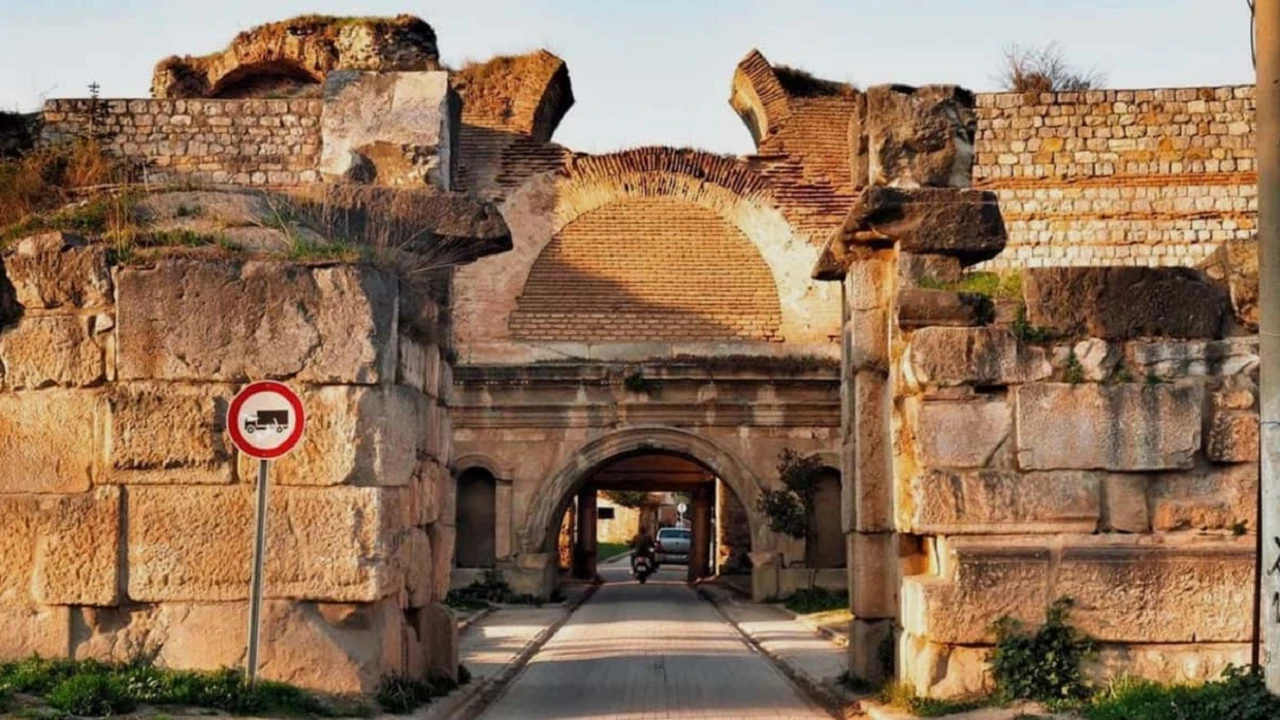
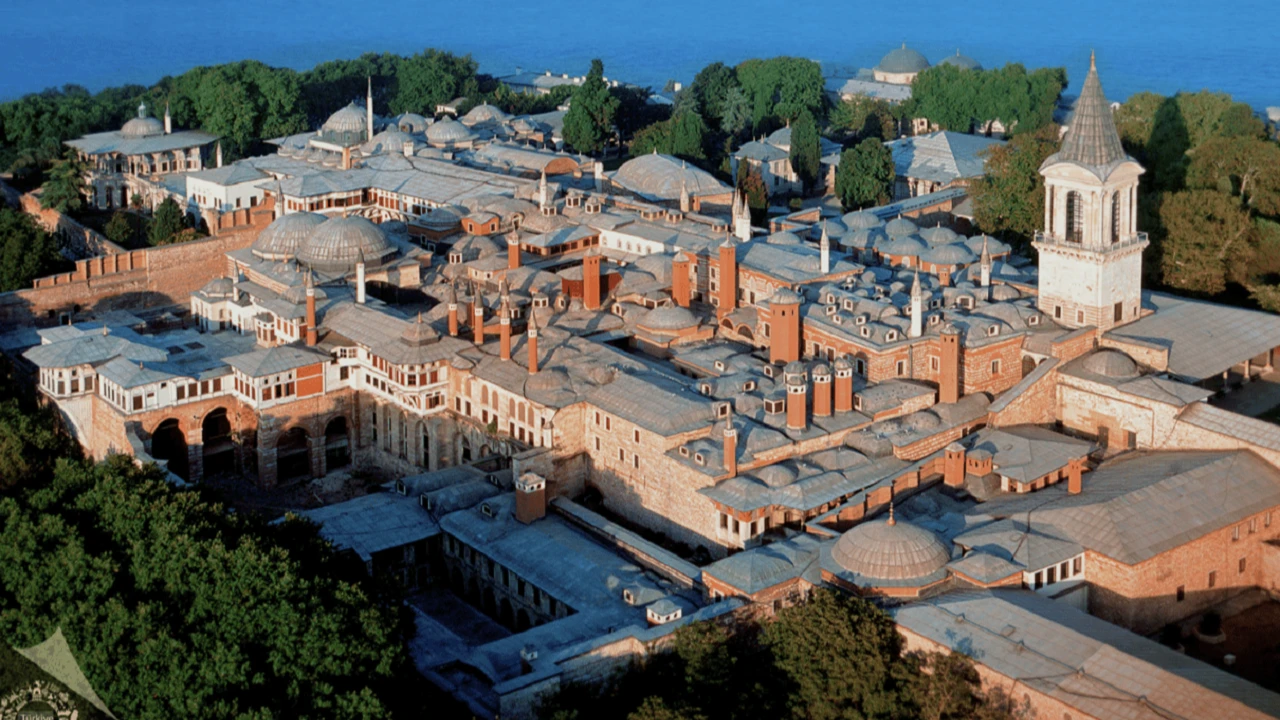
Travelers wishing to explore the architectural wealth of different regions have a variety of exceptional options. On the Mediterranean coast, you can discover Roman-era gateways with Antalya Kaleiçi and historic old town walking tours. In the heart of the metropolis, Istanbul Historic Peninsula and Sultanahmet monument tours allow you to wander through legendary squares.
In Central Anatolia, Nevşehir old stone mansions and underground city tours reveal settlements carved directly into volcanic tuff. The historic Greek and Ottoman village routes in Cappadocia offer a glimpse into traditional rural life. Meanwhile, on the Aegean coast, Aydın and Kuşadası old town culture tours trace the ancient footprints of maritime trade.
The following quick-facts table summarizes the operational structure and requirements for historic city explorations:
| Operational Criterion | Standard Practice & Rule |
|---|---|
| Minimum Age | Suitable for all ages (Baby carriers recommended for families) |
| Required Documents | Valid Passport/ID and MuseumPass (for monument entry) |
| Terrain & Path Type | Historic cobblestones, stone paving, sloped fortress paths |
| Guiding Support | TUREB-approved official licensed professional tourist guide |
| Average Step Goal | Brisk walking between 9,000 to 15,000 steps per day |
| Ideal Season | Spring and Autumn (for comfortable walking in mild weather) |
| Legal Basis | Law No. 2863 on the Protection of Cultural and Natural Assets |
Navigating Cobblestone Streets: Footwear Standards and Tips
The cobblestones and basalt streets that define the texture of historic cities have been polished by centuries of foot and carriage traffic. These surfaces can become surprisingly slippery, especially during rainy weather or early morning dew. Consequently, thin-soled dress shoes or high heels pose a significant risk of ankle sprains.
To protect your foot health throughout the tour, we recommend lightweight outdoor shoes with thick rubber soles and ankle support. Deep treads provide the necessary grip on uneven stone surfaces, while cushioned midsoles absorb the impact of hard stone blocks, reducing strain on your knees and spine.
Sole Structure and Grip Features
The gaps and angles of stones in historic alleys vary with every step. Deep-grooved rubber soles grip the mortar gaps between stones, significantly reducing the risk of slipping. Patterns designed for water drainage keep you balanced on wet surfaces.
Polyurethane-based athletic shoes that maintain flexibility on hard surfaces offer the best comfort for long-duration tours. In contrast, flat shoes without cushioning often lead to burning sensations and fatigue in the soles of the feet by the end of the day.
Ankle Support and Shock Absorption
The sloped ramps and ancient stone steps frequently encountered in Kaleiçi put extra pressure on the joints. High-top or ankle-wrapping trekking shoes are highly effective in preventing sudden twists.
The choice of socks is just as critical as the shoes. Seamless bamboo or technical hiking socks that facilitate moisture transfer prevent friction and the formation of blisters.
MuseumPass, Ticket Gates, and Urban Site Regulations
Palaces, monument museums, cisterns, and towers in historic centers are managed by the Ministry of Culture and Tourism. During peak tourist seasons, ticket lines can be daunting. Obtaining a digital MuseumPass before your tour allows you to skip the queues and pass directly through the turnstiles.
When exploring urban protected sites, it is a legal requirement to avoid writing on historic walls, climbing on mortared stones, or touching ancient inscriptions. These areas are protected under Law No. 2863. Staying within the safe corridors designated by your guide protects both the heritage and your personal safety.
Visitors must avoid entering active restoration sites or crossing safety tapes. Keeping a safe distance from these areas eliminates the risk of accidents caused by falling stone or mortar fragments.
Use the following checklist to ensure you have the essentials for your historic city walk:
- Cushioned Walking Socks: Prevents friction and blisters on hard stone surfaces.
- Compact Power Bank: Keeps your phone charged for heavy photo and map usage.
- Sunglasses and Hat: Filters intense sunlight reflecting off stone buildings.
- Reusable Water Bottle: Promotes eco-friendly travel and reduces plastic waste.
Comparing Historic City Route Concepts and Exploration Models
Historic city explorations offer different itinerary options based on the traveler's interests and preferred pace. Some programs focus heavily on architectural monuments, while others highlight traditional bazaars and artisan workshops.
The following comparison table outlines the characteristics of popular tour models and the profiles they suit best:
| Tour Model | Route Character & Path | Walking Load & Incline | Ideal Participant Profile |
|---|---|---|---|
| Old Town & Fortress Walk | Narrow labyrinthine streets, historic mansions, towers, and gates | Medium - High (Stone steps and sloped ramps) | History and architecture buffs, photographers, and active explorers |
| Monumental Square & Palace Tour | Wide squares, grand mosques, museums, and imposing structures | Low - Medium (Flat marble and paved ground) | Families, first-time visitors, and those seeking a relaxed pace |
| Historic Bazaar & Trade Route | Grand bazaars, caravanserais, bedestens, and craft workshops | Medium (High pedestrian traffic and narrow corridors) | Shoppers, local culture researchers, and foodies |
| Panoramic Hill & View Route | Overlooking viewpoints, historic pavilions, and citadels | Medium (Vehicle supported, free walking at the summit) | Nature and vista lovers, relaxation-focused travelers |
Choosing the model that best fits your interests and physical condition will maximize both your enjoyment and the cultural value of your trip.
5-Step Protocol for a Safe and Efficient Historic City Visit
To ensure a seamless day of exploration in the ancient streets, follow these five essential steps:
- Choose the Right Footwear: Wear comfortable, rubber-soled sneakers with ankle support to navigate slippery stone streets safely.
- Check Documents and MuseumPass: Have your ID and digital MuseumPass app ready on your phone before the tour begins.
- Maintain Guide and Group Contact: Keep eye contact with your guide to avoid getting lost in labyrinthine alleys and be punctual for meeting times.
- Respect Cultural Heritage and Places of Worship: Follow dress codes when visiting active mosques or churches; avoid touching artifacts and wall decorations.
- Hydration and Sun Protection: Carry water to balance the heat trapped between stone buildings and wear a hat for sun protection.
Following this five-step preparation discipline ensures you feel safe and confident, allowing you to focus on capturing unforgettable photographs.
Professional Guiding and Audio System Advantages
Because historic city centers hold the traces of countless civilizations, even a small mark on a stone can tell a story spanning centuries. Exploring with a TUREB-certified professional guide is the most effective way to understand the true historical background of a seemingly ordinary street. Guides translate the city's mythology, architectural styles, and periodic transformations into an engaging narrative.
To ensure the guide's voice is heard clearly in crowded squares and narrow alleys, modern tours utilize wireless headset audio systems. These devices allow guests to hear the commentary with crystal-clear quality, even if they step a few paces away from the group.
The use of audio systems also helps preserve the peaceful atmosphere of historic sites. The guide does not need to shout, and guests can quietly soak in the historic ambiance.
Bazaar Shopping, Traditional Coffeehouses, and Free Time
The most delightful breaks during historic city tours are found in traditional coffeehouses nestled under the shade of centuries-old plane trees. After a brisk walk through stone streets, a cup of Turkish coffee brewed over hot embers is the perfect remedy for fatigue. Chatting with local residents during these breaks allows you to feel the living soul of the city.
During the free time allocated in the tour program, you can explore historic bedestens and handicraft shops. Interacting with local artisans while shopping for copperware, carpets, and spices adds a layer of depth to your journey.
Returning to the designated meeting point on time ensures the group stays on schedule for the evening transfer. After a disciplined yet joyful day, you will return to your hotel with the timeless memories of ancient cities.




Frequently Asked Questions 5
Do I need any special permits or licenses to join historic city tours in Turkey?
For day trips conducted through tourist facilities and authorized stations, no special license is required; a briefing is sufficient. However, professional guiding or use of private property for commercial tours requires a license from the relevant federation or ministry.
What are the minimum and maximum age limits for Historic City activities?
For individual exploration, there is generally no upper age limit. For guided participation, the age limit typically ranges from 5 to 12 for children, depending on their physical ability and the presence of a guardian.
What safety and protective equipment is mandatory for Historic City tours?
While standard walking tours do not require heavy gear, if the tour includes specific adventure elements, the use of standard protective equipment such as helmets or safety harnesses is a legal requirement.
What clothing and items should I bring for this tour?
We recommend non-slip athletic shoes suitable for stone terrain, comfortable and breathable cotton clothing, sunglasses, and waterproof covers for electronics.
Where are the most popular historic city routes in Turkey?
The licensed routes located in the Mediterranean, Aegean, and Cappadocia regions are the most preferred centers due to their rich geographical and historical structures.