

Metropolises and historic city centers are living museums, where every cobblestone street and hidden alley tells a story of a bygone era. From sweeping boulevards to ancient plazas and monumental architecture, City Tours offer the perfect way to capture the soul of a city through professionally curated itineraries. With the guidance of expert storytellers, visitors can uncover the architectural secrets and the fascinating evolution of these urban landscapes.
However, joining a day trip or a weekend city break requires more than just a sense of adventure; it demands a bit of logistical discipline. In this comprehensive guide, we cover everything you need to know before stepping out, from integrating public transport and managing museum hours to group etiquette and the best ways to recharge.
City Tour Itineraries and Participation Standards in Turkey
Guided tours in Turkish city centers are conducted in strict accordance with the Ministry of Culture and Tourism regulations and the Law on Tourist Guiding (No. 6326). Organized by authorized agencies, these programs are led by TUREB-badged professional guides to ensure a safe and enriching experience. Group movements are carefully choreographed to preserve the historical fabric of the city and avoid disrupting local pedestrian flow.
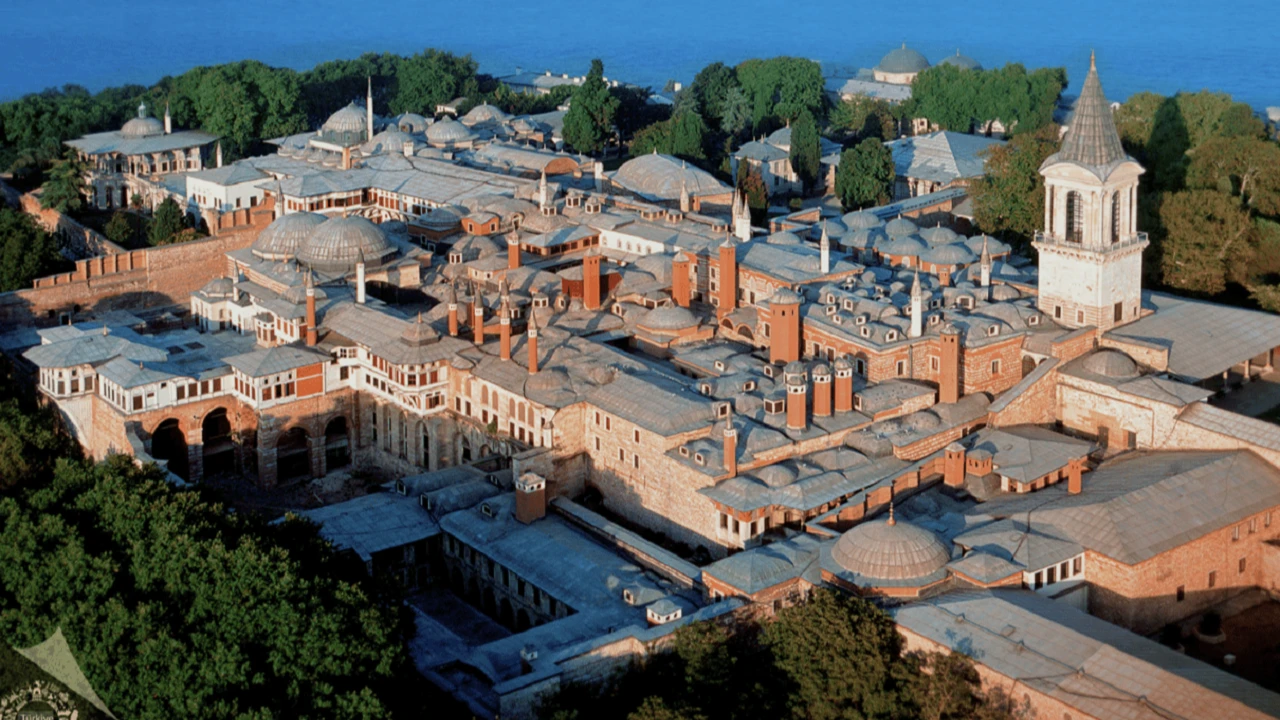
Turkey's diverse destinations offer a wealth of themed urban routes. On the Mediterranean coast, you can wander through the charming streets of the old town with popular urban tour routes in Antalya and Kaleiçi. In the city where two continents meet, Istanbul's Historical Peninsula and square tour programs allow you to stand in the shadow of centuries-old monuments.
In Central Anatolia, you can explore the unique architectural textures of Nevşehir's stone mansions and urban conservation areas, or discover ancient settlements via tour corridors across Cappadocia's valleys and local villages. Along the Aegean coast, Aydın and Kuşadası port city cultural stops provide a window into ancient maritime trade and vibrant local bazaars.
The following quick-reference table summarizes the operational structure and basic requirements for city tours:
| Operational Criterion | Standard Practice & Rule |
|---|---|
| Age Requirement | Suitable for all ages (Lightweight strollers are recommended for families) |
| Required Documents | Valid Passport/ID and digital MuseumPass (for site entries) |
| Terrain & Path Type | City sidewalks, asphalt roads, marble courtyards, and pedestrian streets |
| Guiding Support | TUREB-certified official licensed professional tourist guide |
| Average Step Count | Brisk urban walking between 10,000 to 16,000 steps per day |
| Ideal Season | Year-round (Spring and Autumn are ideal for outdoor walking) |
| Legal Basis | Law No. 6326 on Tourist Guiding and TÜRSAB Travel Regulations |
Urban Walking Dynamics: Footwear and Terrain Tips
Modern metropolises and historic districts feature multi-layered terrains. Within a few hours, you may transition from smooth asphalt to ancient cobblestones, polished museum marble, and park trails. Walking for hours on these varying surfaces without proper arch support can lead to significant muscle and joint fatigue.
For city tours, we strongly recommend walking shoes with thick rubber soles and shock-absorbing midsoles. These soles mitigate the impact of hard surfaces on your heels and knees. Additionally, breathable mesh uppers prevent overheating and friction-induced blisters during a full day of exploration.
Public Transport Integration and Walking Corridors
City tour itineraries are typically integrated with metro, tram, or funicular lines. This allows for fast, comfortable transitions between major landmarks while bypassing the notorious city traffic.
To avoid delays, it is essential to move as a group at the transfer stations designated by the tour leader and have your tickets ready at the turnstiles. Topping up your city transport cards before the tour begins eliminates the risk of waiting in long queues at the stations.
Pedestrianized zones in city centers make it easy to maintain a steady pace. However, when moving from side streets back to main arteries, adhering to traffic signals and using pedestrian crossings is vital for the safety of the entire group.
Museum Entry: Turnstiles and Timed Appointments
Popular monuments and museums in historic centers often experience heavy crowds at specific times. Group bookings allow for streamlined entry, bypassing the long individual ticket lines.
To speed up security checks, we recommend organizing liquids and metal accessories in your bag for quick passage through metal detectors. Having your ID and MuseumPass ready for scanning at the turnstiles keeps the tour flowing smoothly.
Time Management, Safety, and Your Packing Checklist
Exploring a bustling city means navigating crowded squares and vibrant markets. To keep your belongings secure, we recommend keeping backpack zippers closed and carrying wallets in inner pockets. It is also helpful to memorize the distinct urban landmarks designated by your guide as meeting points, just in case you get separated from the group.
In the summer, heat radiating from buildings and asphalt can make open areas feel much hotter. Stay hydrated, wear a hat, and take short breaks in shaded spots to maintain your energy levels.
During winter and autumn, high-rise buildings can create wind tunnels. We recommend dressing in layers so you can easily adapt to the temperature difference between heated museum interiors and chilly open squares.
Use this checklist to ensure you have the essentials in your daypack:
- Portable Power Bank: Prevents battery drain from heavy use of navigation, cameras, and guide headsets.
- Reusable Water Bottle: Encourages eco-friendly travel while keeping you hydrated throughout the day.
- Sunglasses and Sunscreen: Protects you from UV rays during long walks across open plazas.
- Compact Raincoat or Windbreaker: Essential for sudden weather shifts and breezy observation decks.
Comparing City Tour Formats and Exploration Styles
City exploration varies based on a traveler's interests, physical fitness, and available time. Some prefer a panoramic bird's-eye view from a vehicle, while others prefer the intimacy of exploring narrow alleys on foot.
The following table compares popular city tour formats and who they are best suited for:
| Tour Format | Route & Transport | Walking Load & Pace | Ideal Participant Profile |
|---|---|---|---|
| Walking Culture Tour | Historic neighborhoods, museums, street food stops | High (Constant walking, stone stairs) | Photography enthusiasts, active walkers, history buffs |
| Panoramic Bus Tour | Open-top or AC bus via main arteries and squares | Low - Medium (Short walks during stops) | Families with children, seniors, time-constrained travelers |
| Art & Architecture Tour | Design studios, modern galleries, monumental facades | Medium (Slow gallery pacing, square analysis) | Architecture lovers, art enthusiasts, researchers |
| Gastronomy & Market Tour | Historic inns, local bazaars, spice shops, tasting spots | Medium (Stop-and-go pacing in crowds) | Foodies, gourmet travelers, cultural researchers |
Choosing the model that best aligns with your expectations ensures your day is both productive and relaxing.
The 5-Step Protocol for a Seamless City Experience
To enjoy a stress-free day of exploration without getting lost in the crowds, follow these five preparation steps:
- Punctuality and Meeting Points: Be strictly on time for the departure hours and meeting points announced by your guide.
- Personal Belongings Security: Keep valuables like phones and wallets in front pockets when navigating crowded squares and bazaars.
- Document Readiness: Have your ID and digital MuseumPass QR code open and ready to avoid delays at museum kiosks.
- Guide Communication Systems: Keep your provided headset turned on to follow the commentary, even if you lose visual contact with the guide.
- Emergency Meeting Plan: Save your guide's phone number and know the designated "emergency monument" to wait at if you get separated.
By following this discipline, you can focus entirely on the cultural riches of the city without any anxiety.
Professional Guiding and the Comfort of Whisper Systems
Many structures in advanced city centers may look like ordinary buildings from the outside. However, a TUREB-licensed expert can bring those walls to life, explaining the centuries-old architectural debates and the political backdrop of the era. Exploring a city with someone who truly knows it transforms the experience from a mere visit to a living narrative.
In noisy metropolitan squares, traffic and crowds can make it hard to hear the guide. Modern tours utilize wireless "whisper" headset systems, delivering the guide's commentary crystal clear directly into your ear, even if they are speaking softly.
This technology eliminates the need for guests to huddle in a tight circle around the guide. You can take a photo of a monument or take a moment to rest without missing a single word of the story.
The Culture of the Break: Cafés, Squares, and Free Time
The highlight of any city tour is the free time spent in famous squares after a brisk walking leg. Taking a breather on a bench across from a historic fountain or sipping Turkish coffee in a shaded courtyard allows you to truly absorb the city's atmosphere. A few words of conversation with local shopkeepers often lead to the most authentic memories of the trip.
During your free time, feel free to visit the traditional bakeries, bookstores, or bazaars recommended by your guide. Shopping for local handicrafts and tasting regional delicacies adds a tangible layer to your travel memories.
Returning to the meeting point on time ensures the group's return schedule remains on track. As the city lights begin to twinkle, you'll conclude your journey with an album full of photos and a mind full of ancient wisdom.





Frequently Asked Questions 5
Do I need to book in advance for day city tours?
Yes, especially during peak season and weekends, we highly recommend online reservations due to limited capacity.
Are there age limits or restrictions for children on city culture tours?
General city exploration tours are suitable for all ages. For families with infants, we recommend using an ergonomic baby carrier instead of a stroller for walking segments.
Is the MuseumPass valid for day city trips?
The MuseumPass is valid for palaces, monument museums, and archaeological sites managed by the Ministry. Separate tickets are required for municipal or privately operated venues.
What should I bring with me on a city tour?
Comfortable walking shoes, a portable power bank, a water bottle, a seasonal hat, and a valid official ID should be the first items in your bag.
What are the most popular city tour routes in Turkey?
The Istanbul Historical Peninsula, Antalya Kaleiçi, the valleys of Cappadocia, and the Kuşadası coastline offer the richest itineraries.