
The Gallipoli Battle is a profound symbol of national memory, representing the resolute defense and the indomitable will for independence shown on the historic peninsula. The Gallipoli Battle Visitor Center was established to introduce this historic process to visitors and serves as an essential starting point for any tour of the Gallipoli Peninsula historical sites.
The visitor center is best used as a chronological introduction to the events before you explore the actual battlefields. For those wishing to discover the monuments and fortifications of the region alongside expert guides, Çanakkale tours offer comprehensive guided travel options. The information provided at the center will help you better interpret the monuments you will encounter along your route.
- The Gallipoli Peninsula Historical Area, including its cemeteries and monuments, is a protected heritage site.
- The Gallipoli Battle Visitor Center is a key stop to understand the flow of the war before heading to the field sites.
- The Çanakkale Naval Museum can be visited between 09:00-17:00; please confirm opening days in advance.
- Anzac Cove is one of the most significant coastal stops within the historical area.
Quick Facts for Your Gallipoli Trip
The Gallipoli Battle Visitor Center aims to introduce visitors to the naval and land operations of the era, providing a general framework before the field tour. To ensure smooth planning, check official sources for the center's current visiting hours, show schedules, and entry requirements before you depart.
The following summary table provides essential information regarding your Gallipoli trip and stops within the city center.
| Topic | Information |
|---|---|
| Region and Location | Gallipoli Peninsula Historical Area |
| Protection Status | Protected Historical Site |
| Naval Museum Hours | Çanakkale Naval Museum: 09:00-17:00 |
| Coastal Walkway | 600 m coastline along Anzac Cove |
| City Landmark | Çanakkale Clock Tower (20 m height) |
| Local Delicacies | Gelibolu Cheese Halva and Geyikli Olive Oil |
Those looking for a day trip to the historic peninsula can create an efficient itinerary through the cemeteries and fortifications using Gallipoli tour programs. Planning ahead helps minimize time lost between major stops.
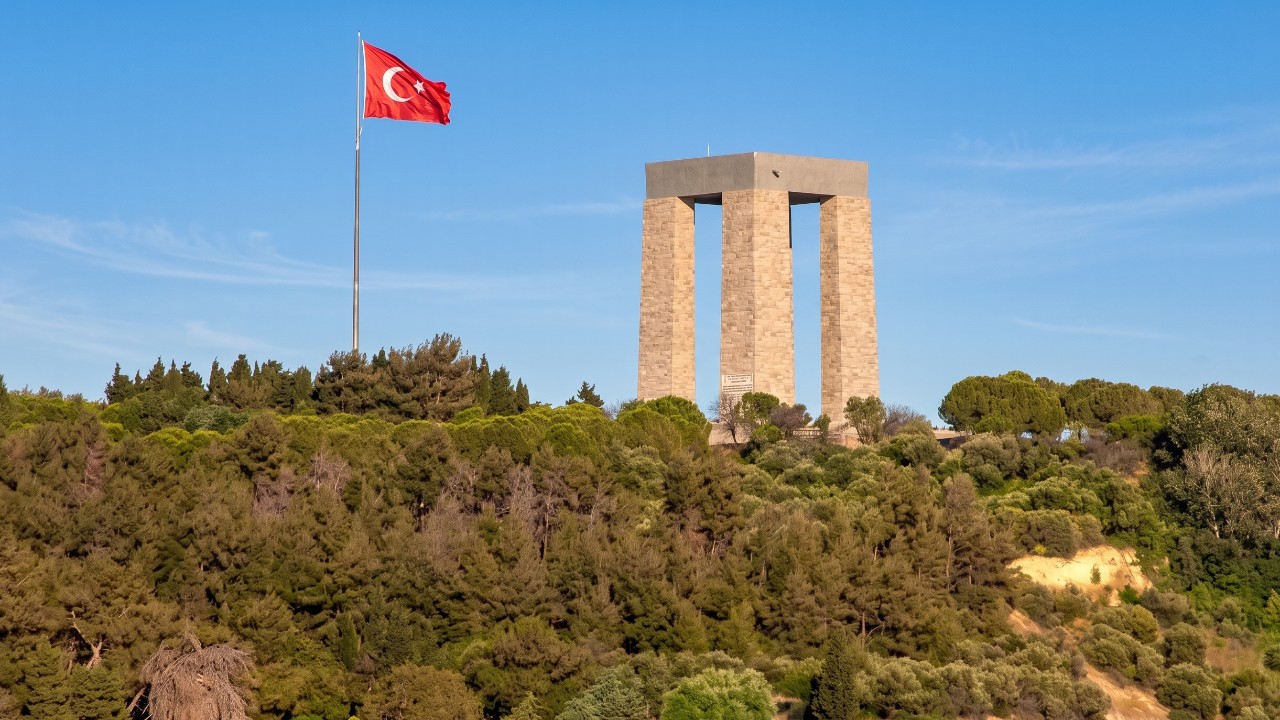
Exploring the Gallipoli Battle and Must-See Stops in Çanakkale
The historic Gallipoli Peninsula is a vast open-air museum filled with monuments, cemeteries, and fortifications that bear the scars of the Gallipoli Battle. Starting from the Gallipoli Battle Visitor Center, the route extends from the coastline to the hills, evoking deep emotions at every turn.
The memorial points across the peninsula vividly showcase the harsh defensive conditions of the time and the immense sacrifices made by the soldiers. Reading the commemorative inscriptions while exploring the historical area and observing the rugged geography leaves a lasting impression on every visitor.
Gallipoli Battle Visitor Center and Pre-Visit Preparation
The Gallipoli Battle Visitor Center provides visitors with a concise summary of the war's progression. Visiting the center first can help clarify the sequence of events in your mind before you move on to the cemeteries and monuments.
Briefly reading about the main events of the war before your visit will make it easier to follow the narrative at the center. Additionally, studying the operational areas on a map beforehand helps you grasp exactly where the historical events took place on the ground.
Çanakkale Naval Museum and Çimenlik Castle
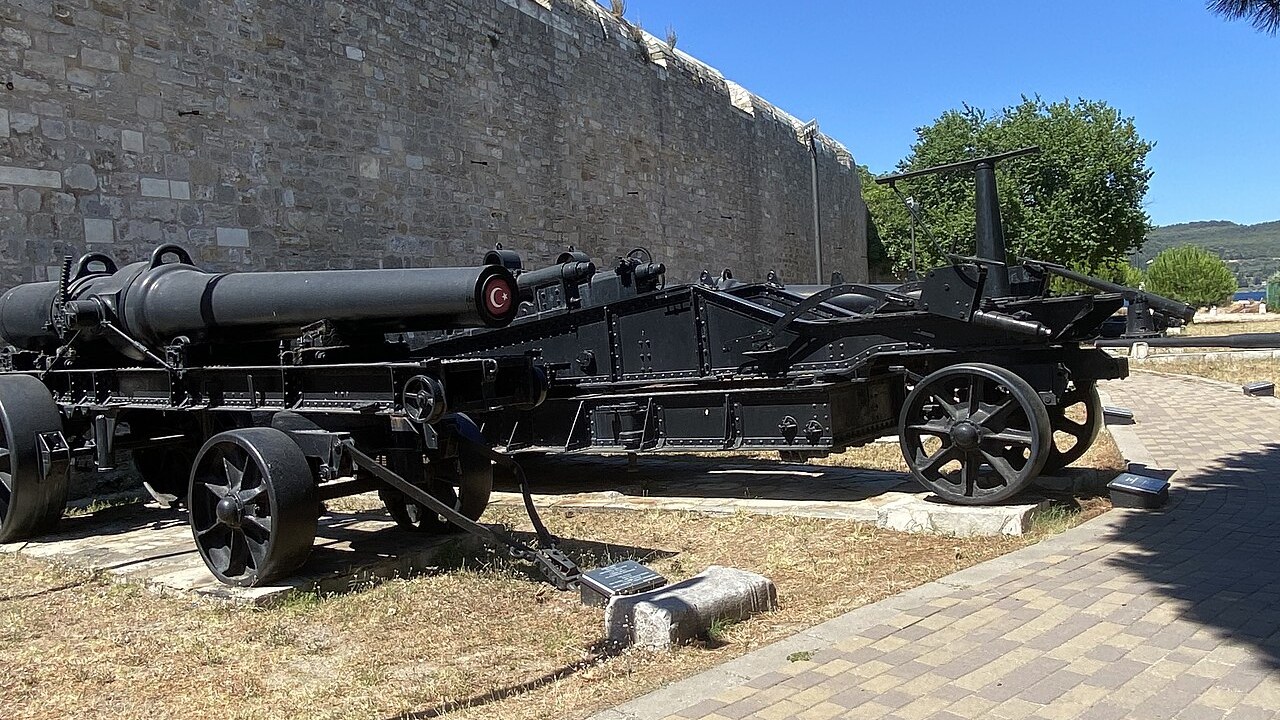
The Çanakkale Naval Museum is a must-visit stop for those interested in maritime history during their Çanakkale trip. The museum grounds include the historic Çimenlik Castle and a full-scale replica of the Nusret Minelayer. Visitors can explore the Çanakkale Naval Museum area between 09:00-17:00 to see the cannons and historic mines up close. Always verify the museum's opening days and current hours via official sources before traveling.
The fortifications overlooking the strait from the museum garden represent key defensive points of the naval battles. Watching the ships pass through the strait while resting in the castle courtyard adds a peaceful moment to your city tour.
Çanakkale Clock Tower and the Historic Bazaar
The Çanakkale Clock Tower is a historic structure standing 20 meters tall. After admiring its stonework, you can walk through the surrounding area toward the historic Aynalı Çarşı (Mirror Bazaar). The shops within the bazaar showcase handmade souvenirs and local artisanal products.
The clock tower square is a well-known meeting point for both locals and travelers. Taking a short break in the square to soak in the historic atmosphere adds a sense of calm to your city exploration.
Adatepe Village and Traditional Çanakkale Architecture
While walking through the narrow, cobblestone streets of Adatepe Village, you can photograph ancient stone houses surrounded by olive trees. It is best to plan a visit to Adatepe Village on a separate day from your Gallipoli Battle tour.
For those wanting to explore comprehensive travel routes in the region in detail, you can find inspiration in our Çanakkale Sightseeing Guide: Gallipoli, Troy, and Assos to build your own itinerary. This allows you to finalize your travel plans well in advance.
Step-by-Step Gallipoli Battle Itinerary
To manage your time effectively and avoid exhaustion while exploring the historical area, it is vital to determine your route in advance. A logical route starting from the strait crossing, moving through the visitor center, and ending at the memorial sites significantly enhances the quality of your trip.
The following steps summarize a typical day, from the ferry crossing to your return to the city center. On hot days, scheduling outdoor walks during the cooler hours of the day will make your visit much more comfortable.
- In the morning, take the ferry across the Çanakkale Strait to the Kilitbahir pier.
- Visit the Gallipoli Battle Visitor Center to learn about the main phases of the war.
- Head down to Anzac Cove and walk along the 600 m coastline.
- Visit the fortifications, cemeteries, and monuments on the peninsula to understand the chronology of the historical events.
- Return to the city center to conclude your day around the Clock Tower; plan a separate visit to the Çanakkale Naval Museum based on its specific opening days and hours.
Location and Regional Characteristics
The Gallipoli Battle Visitor Center is one of the primary stops for exploring the Gallipoli Peninsula historical sites. The region's terrain, characterized by rugged ridges and valleys covered in pine forests, reflects the challenging landscape where the battles took place. The historical area is strategically positioned between the Çanakkale Strait and the Saros Gulf.
The peninsula's natural vegetation and steep slopes make it easier to understand the difficulty of the military maneuvers performed during that era. Once you leave the center and head toward the coast, you will be greeted by wide sea views and coastal cliffs.
Transportation Alternatives and Ferry Crossings
To reach the historical area, you can take car ferries from the Çanakkale city center to the Kilitbahir or Eceabat piers. Once you disembark, you proceed to the historical sites by road; mapping out your route beforehand makes navigation much easier. Visitors without private vehicles may consider organized tours or public transportation options.
Drivers traveling from Istanbul with their own vehicles can reach the peninsula directly via the Tekirdağ and Gallipoli route without needing the ferry. For long journeys, planning your rest stops in advance will make the trip more pleasant.
To find the exact locations of the various cemeteries on the peninsula, you can refer to our Çanakkale Gallipoli Cemeteries and Anzac Cove Guide. Listing the specific sites you wish to see before your visit will save you valuable time on the day of your tour.
Comparison of Gallipoli Visit Points
The memorial stops and centers located in the historical area and the city center differ in the type of experience they offer. Some stops focus on educational narratives, while others serve as coastal walks or open-air monuments.
The following planning table compares the various stops available in the historical area and the city center against a full-service transferred tour program.
| Stop or Program | Features and Experience | Practical Information |
|---|---|---|
| Visitor Center | An educational stop explaining the flow of the war | Best visited at the start of your historical area tour |
| Naval Museum | Explore maritime history at the Çanakkale Naval Museum | Çimenlik Castle is within the museum grounds; check official sources for open days |
| Clock Tower Square | Visit the historic 20 m tall Çanakkale Clock Tower | A great spot for a break within the city |
| Anzac Cove Coast | A 600 m stretch of coastline along Anzac Cove | Watch your step on the coastal terrain |
| Istanbul Departure Gallipoli Tour | An 11-12 hour round-trip program from Istanbul with hotel transfers | Includes guide, lunch, and national park entrance fees |
Choosing a transferred program reduces the need to plan individual transport, allowing you to focus entirely on the monuments. The Istanbul Departure Gallipoli Tour includes round-trip hotel transfers from Istanbul, professional historical guide services, lunch, and national park entrance fees.
Climate and Best Time to Visit Çanakkale
The Çanakkale Strait and the Gallipoli Peninsula are known for the strong northern winds that blow year-round. Even in summer, the cool "poyraz" wind can make outdoor exploration pleasant, whereas winter can bring rainy and stormy conditions.
Spring and autumn are considered the ideal seasons for planning outdoor walks. The season for the Istanbul Departure Gallipoli Tour runs from 01.05.2026 to 31.12.2026. The revitalization of nature in spring and the commemoration ceremonies held in March and April add a unique layer of meaning to the trip; be sure to follow official announcements regarding visit arrangements during ceremony days.
During the summer months, take precautions against sun exposure while walking through open trench areas. Since temperatures can rise significantly on treeless ridges, starting your walks early in the morning will improve your comfort.
To learn more about the historical area and expand your itinerary, you can read our Gallipoli Peninsula and Cemeteries Guide to study the history of the local sites. This background reading will help you recognize the various cemeteries more easily during your visit.
Terrain and Practical Tips for Field Visits
The memorial trails on the Gallipoli Peninsula feature diverse terrain, ranging from paved paths to dirt trench trails and pebbly coastlines. Therefore, preparing for these field conditions is essential for a safe and enjoyable trip.
Here are some key recommendations for your visit:
- Bring plenty of drinking water for long walks.
- Carry a hat, a windbreaker, and sunglasses to protect against wind and sun in open areas.
- Choose shoes with non-slip soles to navigate uneven terrain and trails comfortably.
- Discover local flavors by trying Gelibolu Cheese Halva during your breaks.
In local markets, you may encounter fresh produce such as Çanakkale Tomatoes and Yenice Red Peppers. Visitors in season can enjoy Lapseki Peaches, and Geyikli Olive Oil is another notable local product. Those interested in crafts can admire traditional Çanakkale Hand-Woven Carpet motifs.
The terrain varies significantly along the coast. For example, when walking along Anzac Cove, the mix of sand and pebbles can be tiring, so it is best to take slow and careful steps.
Final Thoughts on Visiting the Gallipoli Battle Sites
The Gallipoli Battle Visitor Center and the surrounding historical sites provide visitors with both a visual memory and a profound sense of national consciousness. Visiting this region is a lasting learning experience that allows you to grasp the historical struggles of the past firsthand.
Completing your visit by walking in the silence of the memorial graves and taking time to watch the strait will make the experience truly whole. By planning your time correctly, you can explore both the visitor center and the open-air monuments without feeling rushed.
Booking in advance makes it easier to secure a spot on organized tours. Remember to dress according to the season and maintain a respectful attitude appropriate to the spiritual atmosphere of the cemeteries.
Frequently Asked Questions 5
Where is the Gallipoli Battle Visitor Center located?
The Gallipoli Battle Visitor Center is a key stop designed to be part of a tour of the Gallipoli Peninsula Historical Area. A visit to the center can be easily integrated into the same itinerary as the cemeteries and monuments. Please check official sources for the exact address and current visiting hours before your trip.
How do I get to the Gallipoli Battle Visitor Center?
To reach the Gallipoli Battle Visitor Center, you can take ferries from the Çanakkale city center to the Kilitbahir or Eceabat piers. From the piers, you continue to the historical sites by road. Checking the current ferry schedule before you depart will make your planning much easier. Travelers coming from Istanbul can reach the area by road via the Gallipoli route.
What is the Gallipoli Battle?
The Gallipoli Battle is a profound historical concept symbolizing the resolute struggle and the immense sacrifices made on the historic peninsula in defense of the homeland. This term is used to express the national memory, the will for independence, and the entire historical defense process that has been immortalized in monuments and literature.
When did the Gallipoli Battle take place?
The historical struggles within the scope of the Gallipoli Campaign took place in the early 20th century through naval and land operations. Today, the Gallipoli Battle is commemorated annually in March and April through official ceremonies, monument visits, and respect walks held throughout the historical peninsula.
Who wrote the "Gallipoli Battle"?
The name "Gallipoli Battle" is used as a common title in various books and plays regarding the Gallipoli Campaign. Therefore, the answer depends on which specific work is being referred to; you should verify the author in the book's own credits. Reading one of these books before your trip can help you better understand the inscriptions at the historical sites.