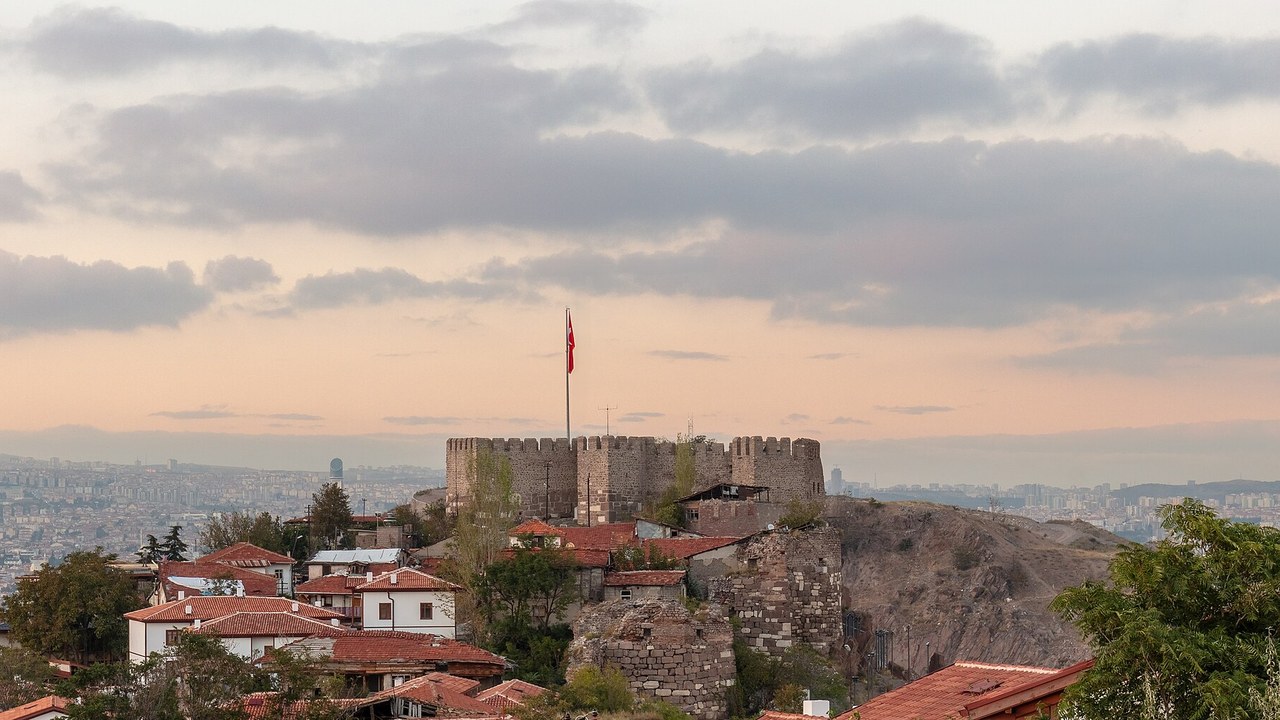
Ankara Castle is an ancient stronghold defined by its millennia-old defensive walls, beautifully restored traditional Ottoman wooden mansions, and lookout towers offering breathtaking panoramic views of the capital. As the city's most enduring cultural landmark, it serves as a gateway to Turkey's rich history. Visitors can curate the perfect itinerary with professional Ankara tour programs.
Perched atop a steep hill overlooking the Ulus district, Ankara Castle represents the oldest settlement core of the city. From the Hittites through the Roman, Byzantine, Seljuk, and Ottoman eras, these walls have been continuously utilized, bearing the architectural fingerprints of various civilizations. Today, the inner castle streets have evolved into a vibrant hub filled with art ateliers, museums, cozy cafes, and boutiques selling local crafts.
- The inner castle streets preserve authentic architecture, featuring traditional mansions with iconic wooden bay windows (cumbas).
- The Akkale lookout provides an unobstructed, 360-degree view of the entire capital.
- The foothills of the castle host world-class institutions like the Museum of Anatolian Civilizations and the Rahmi M. Koç Museum.
- Access to the castle walls is free, allowing visitors to soak in the historic atmosphere throughout the day.
Ankara Castle: Essential Visitor Information
The following summary table provides the key operational details and practical tips you will need for your visit to Ankara Castle.
| Key Criteria | Visit & Field Details |
|---|---|
| Location | Altındağ District / Ulus Neighborhood |
| Visitor Rating | 4.4 ★ based on 23,427 reviews |
| Opening Hours | The inner castle is a residential area and open 24/7 |
| Entry Fee | Free access to the inner castle and walls |
| Nearby Museum Hours | Museum of Anatolian Civilizations: 08:30-16:45 |
| Best Time to Visit | Late afternoon for the best city views and lighting |
When planning your trip, keep in mind the steep inclines, historic cobblestone paths, and seasonal winds. The inner castle offers a unique blend of ancient ruins and living local culture, providing a multifaceted exploration of the city.
Panoramic City Views from Akkale and the Inner Citadel
The Akkale tower, situated at the highest point of Ankara Castle, is a premier observation deck showcasing the surrounding steppe landscape and the modern skyline of the capital. From the top of the walls, visitors can easily survey the city's architectural layers, wide boulevards, and historic urban fabric from a bird's-eye perspective.
Standing at the heart of the historic defense line, Ankara Castle is one of the capital's most visited landmarks, boasting a 4.4 ★ rating from over 23,000 users. The outer and inner walls, constructed across different eras, offer more than just defense, they are masterpieces of stone masonry. For those planning their route, Çankaya tour programs offer excellent alternatives to reach other cultural centers across the city.
The Akkale Lookout and City Skyline
Located at the northeast corner of the inner castle, Akkale is the most elevated and secure section of the fortress. Looking west, you can see the historic buildings of the Ulus district; looking east, the vast steppe valleys of Ankara unfold before you.
The shifting light throughout the day creates stunning opportunities for photography. As the sun sets, the city lights begin to twinkle, adding a serene visual depth to the capital.
Fortress Walls and Ancient Stonework
A closer look at the castle walls reveals marble column capitals, sarcophagus fragments, and inscribed stones from the Roman period, repurposed as building materials. This architectural technique effectively turns the fortress walls into an open-air museum.
Restorations carried out during the Seljuk and Ottoman periods ensured the walls remained sturdy. The imposing scale of the fortifications clearly demonstrates why the castle was chosen as an impregnable military base for centuries.
Inner Castle Streets and Restored Historic Mansions
The residential area within the walls preserves the city's traditional texture through examples of Ottoman-era wooden and adobe civil architecture. Narrow cobblestone alleys lined with bay-windowed houses, courtyards, and stone walls allow visitors to feel the living history and rich culture of the city.
Travelers curious about the capital's rural architectural heritage can also explore the Altınköy Open Air Museum guide to learn more about traditional village life.
Traditional Wooden Mansions and Courtyards
The ground floors of the inner castle mansions typically open into spacious courtyards enclosed by stone walls. These courtyards were the heart of daily family life and the place where local delicacies were prepared.
Thanks to meticulous restoration efforts in recent years, many previously derelict structures have been transformed into boutique hotels, cafes, and cultural centers. As you wander the streets, the ornate wooden door knockers and protruding bay windows are particularly striking.
Art Ateliers and the Antique Market
Artists and craftsmen operating within the castle streets continue to keep traditional Turkish arts alive. Copper smiths, Ebru (marbling) artists, and weavers produce their work in open ateliers, often introducing their craft to curious visitors.
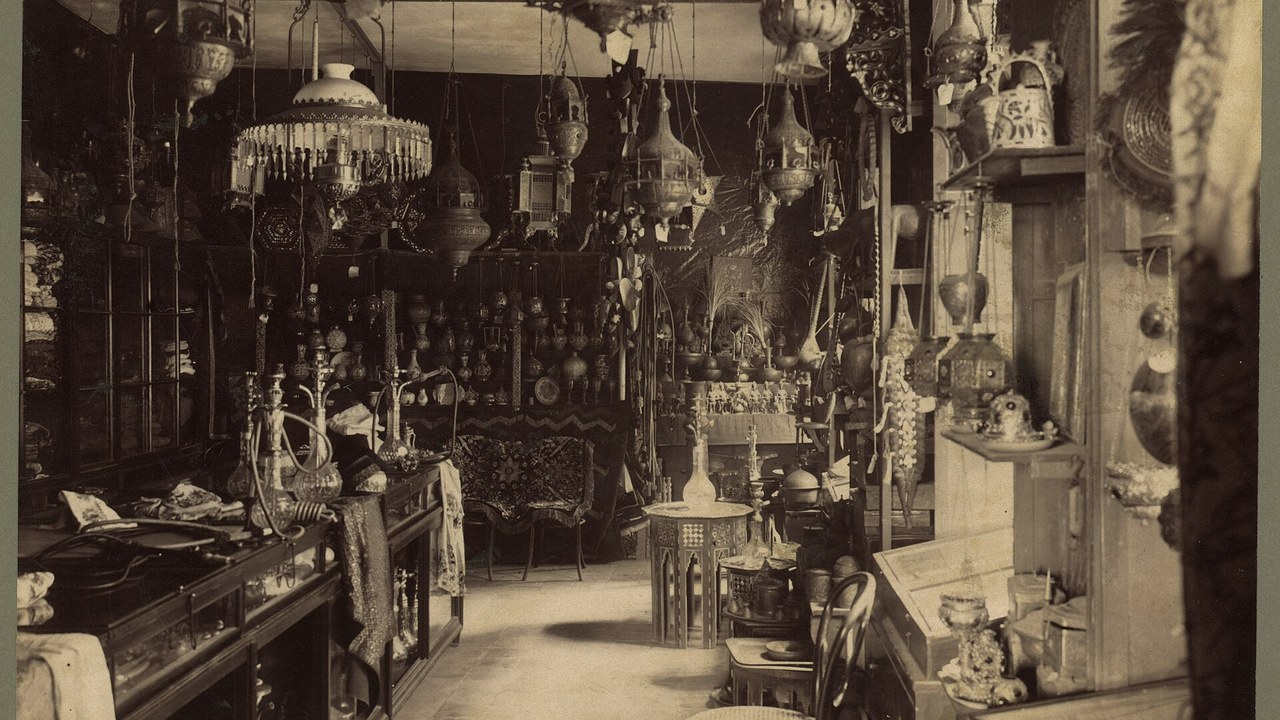
The area also offers jewelry made from local minerals like Çubuk Agate, as well as traditional textiles such as Nallıhan Needle Lace and Nallıhan Covers. Visitors can explore the antique shops tucked away in the alleys to find vintage objects and handmade treasures.
A 5-Step Walking Route from Ulus Square to the Castle
Walking up to Ankara Castle allows you to experience the city's historic commercial center step by step. The following route ensures a comfortable climb and a comprehensive discovery.
- Start at the Ulus Square metro exit and head toward Çıkrıkçılar Yokuşu (the Spinner's Slope).
- Climb the slope, enjoying the colorful shops of the historic spice merchants and textile traders.
- At the top of the slope, turn toward the Museum of Anatolian Civilizations street and admire the silhouette of Kurşunlu Han.
- Pass under the historic clock tower at the castle entrance to enter the secure zone of the inner citadel.
- Follow the signs through the inner castle streets until you reach the Akkale lookout to enjoy the view.
For those wishing to add the Republic's legacy and monumental sites to their list, our Anıtkabir visiting hours and guide provides detailed route information. A steady walk allows you to observe the city's historical transformation firsthand.
Nearby Museums and Cultural Landmarks
The foothills of Ankara Castle are a rich cultural basin, bringing together the capital's most precious museums, historic inns, and places of worship. Visitors can combine their castle exploration with these elite museum stops for a comprehensive journey into the city's past.
The table below summarizes the key visit data for the primary museums and historic sites within walking distance of the castle.
| Museum & Landmark | Location | Visiting Hours | Visitor Satisfaction |
|---|---|---|---|
| Museum of Anatolian Civilizations | Castle Entrance | 08:30-16:45 | 4.8 ★ (17,896 reviews) |
| Rahmi M. Koç Museum | Çengelhan / Opposite Castle | 10:00-17:00 | 8,028 reviews |
| Museum Cafe Bistro | Koç Museum Courtyard | Service Hours | 4.2 ★ (1,548 reviews) |
| Hacı Bayram-ı Velî Mosque | Near Ulus Square | Open House of Worship | 27,042 reviews |
| Ulucanlar Prison Museum | Altındağ / Ulucanlar | 10:00-16:30 | 4.7 ★ (18,747 reviews) |
| Republic Museum | 2nd Parliament Bldg / Ulus | - | 4.9 ★ (8,626 reviews) |
The Museum of Anatolian Civilizations, with a 4.8 ★ rating, is one of the world's leading archaeology museums. Priceless artifacts from the Paleolithic, Neolithic, and Hittite eras, displayed within Kurşunlu Han and Mahmut Paşa Bedesteni, are major draws. To explore other points of interest in the city center, you can shape your holiday plans using our Ankara Sightseeing Guide.
The Rahmi M. Koç Museum, located in the Çengelhan building, showcases industrial heritage and is open from 10:00 to 17:00. Meanwhile, the Ulucanlar Prison Museum in the Altındağ region provides a poignant look at recent history.






Museum of Anatolian Civilizations and Kurşunlu Han
Located just steps from the castle entrance, this museum houses the oldest settlement remains of the Anatolian geography. The Çatalhöyük wall paintings and Hittite sun discs are among the most prized pieces in the collection.
Visitors often enjoy relaxing in the historic inn's courtyard or browsing the museum shop for cultural souvenirs. The architectural restoration of the building was completed with great respect for its historical fabric.
Hacı Bayram Mosque and the Temple of Augustus
Descending from the castle toward Ulus Square, you will encounter the Hacı Bayram-ı Velî Mosque, one of the capital's spiritual centers. Standing immediately adjacent to it is the ancient Temple of Augustus, symbolizing the side-by-side coexistence of two different faiths and cultures.
The Monumentum Ancyranum inscription on the temple walls is one of the few remaining documents detailing the achievements of Emperor Augustus. This area is a perfect historical intersection to include in your itinerary after visiting the castle.
Practical Tips for Visiting the Castle
Proper preparation is key to exploring the historic castle area comfortably and safely. Being mindful of the steep slopes, fortress edges, and cobblestone ground will significantly enhance your experience.
- Wear non-slip sneakers or comfortable walking shoes to navigate the steep, cobblestone alleys.
- Since the wind can be quite strong at the Akkale lookout, remember to bring a windbreaker or a shawl during cooler weather.
- Stay away from dangerous edges where railings are absent; parents should provide extra supervision for children.
- Because the inner castle streets are too narrow for vehicle traffic, please leave your car in the open parking lots at the base of the castle.
Walking respectfully through these historic streets helps preserve the local texture. With the right timing and a few practical precautions, your visit will be truly enjoyable.
Ankara Castle: The Enduring Legacy of the Capital
Ankara Castle is one of the city's most precious symbols, representing the deep historical and cultural roots that lie beneath the modern face of the capital. Rising from the heart of the steppe, this historic defensive monument continues to shed light on thousands of years of history and welcome visitors from around the world.
From the charming inner castle mansions to the sunset views from the towers, this is an experience every visitor to Ankara should have. With a well-planned route, the castle and its surrounding museums offer a comprehensive and rewarding day in the capital.
Frequently Asked Questions 4
What are the visiting hours for Ankara Castle?
Since the inner castle is a living residential neighborhood, the area around the castle can be visited throughout the day. Nearby attractions have specific hours: the Museum of Anatolian Civilizations is open 08:30-16:45, the Rahmi M. Koç Museum 10:00-17:00, and the Ulucanlar Prison Museum 10:00-16:30. It is recommended to visit the Akkale tower and the walls during daylight hours.
How do I get to Ankara Castle?
You can reach Ankara Castle using dolmuşes (shared taxis) or municipal buses departing from Ulus Square. Alternatively, you can take a scenic walk uphill from the Ulus metro station via Çıkrıkçılar Yokuşu. For those arriving by private car, parking areas are available at the base of the castle and around the square.
What can I find inside Ankara Castle?
The inner castle area features restored traditional Ankara mansions, handicraft workshops, cafes, and souvenir shops. The highest point, the Akkale tower, offers a panoramic view of the city. Along the historic streets, you will find restaurants and resting spots serving local flavors and traditional tastes.
Which district is Ankara Castle located in?
Ankara Castle is located within the boundaries of the Altındağ district, the historic center of the capital. Perched on a high hill overlooking the Ulus neighborhood, it forms the city's oldest settlement area. The surrounding region includes elite landmarks such as the Museum of Anatolian Civilizations, Rahmi M. Koç Museum, and Hacı Bayram Mosque.