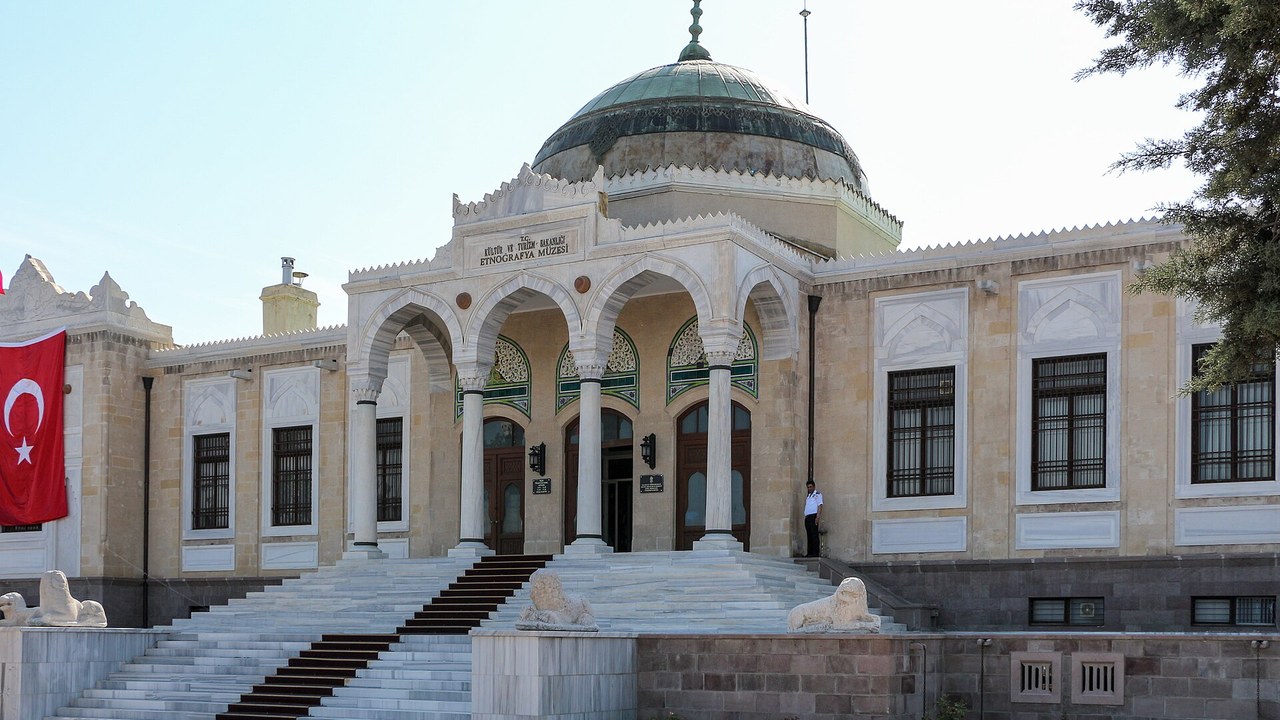
The Ankara Ethnography Museum is a cornerstone of national culture, perched atop Namazgâh Hill in the Altındağ district of the capital. It is renowned for its exquisite collection of Seljuk and Ottoman wood carvings, traditional Turkish folk costumes, and masterful metalwork.
As the first monumental building constructed specifically as a museum during the Republican era, it serves as a bridge connecting Turkey's rich cultural heritage to the modern day. For travelers eager to explore the monuments and historic landmarks of the city center, Ankara turları offer comprehensive insights guided by expert professionals. A striking highlight at the entrance is the bronze equestrian statue of Atatürk, a symbolic masterpiece crafted by the Italian sculptor Pietro Canonica.
- Showcases intricate wood carvings and metal arts from the Seljuk and Ottoman periods.
- Preserves traditional Turkish folk attire, hand-woven carpets, and embroidered fabrics in specialized galleries.
- Served as the temporary resting place for Mustafa Kemal Atatürk until the completion of Anıtkabir.
- Conveniently located on the historic hills of Altındağ, within walking distance of Ulus Square.
Ankara Ethnography Museum: Quick Facts
For researchers and travelers planning a visit to the Ankara Ethnography Museum, the following table summarizes the essential logistics.
| Criteria | Details & Features |
|---|---|
| Location | Namazgâh Hill, Altındağ, Ankara |
| Opening Days | Open to visitors every day of the week |
| Entry Requirements | Museum Pass accepted; tickets available at the box office |
| Visit Strategy | It is recommended to allow ample time to explore the halls chronologically |
| Highlight Collections | Carved wooden doors and Seljuk thrones |
| Transportation | Walking distance from Ulus and Sıhhiye metro stations |
To get the most out of your visit to the Ankara Ethnography Museum, we suggest taking your time to appreciate the thematic exhibits in chronological order and admire the building's architectural nuances.
The museum's marble-columned courtyard, combined with a domed floor plan typical of traditional Turkish architecture, creates a serene and aesthetic atmosphere. Modern lighting systems and informative panels throughout the galleries ensure that visitors can easily grasp the historical context of each piece. Walking through the inner gardens and corridors, one can feel the architectural spirit of the early Republic.
Established in the early years of the Republic to document national identity and folk culture, the museum houses ethnographic objects collected from every corner of Anatolia. The diversity of these collections reflects the high aesthetic sensibility of Turkish artisans in wood, metal, and textile arts.
History of the Museum and Cultural Collections
The galleries of the Ethnography Museum house authentic handicrafts that mirror the deep-rooted lifestyle of the Turkish people, spanning from Central Asia to Anatolia.
The exhibits, which shed light on different stages of traditional Turkish social life, are categorized by material and craftsmanship technique. Visitors looking to expand their cultural itinerary in the capital can include various monumental stops by exploring Çankaya'da rehberli tur seçenekleri. Among the museum's treasures, the rare carpets and kilims, woven with root-dyed yarns, stand as a testament to the delicacy of folk art.
Seljuk Wood Art and Stone Works
One of the most captivating sections of the museum is the Seljuk woodwork collection. Minbars, mosque doors, and chests dating back to the 13th and 14th centuries are prime examples of the kündekari (interlocking wood) technique. These wooden pieces, featuring geometric interlacing and Kufic calligraphy, are displayed in climate-controlled units.
Alongside the woodwork, the museum's inventory includes inscriptions and tombstones from the Seljuk and Beylik periods. These pieces, characterized by fine stonework, clearly document the artistic vision of the era. Wooden window frames brought from various mosques evoke admiration with the elegant carving motifs etched into walnut and oak.
Traditional Costumes and Metal Arts Gallery
A rich display of silk fabrics, bindallı (traditional embroidered dresses), and ornate vests used in both palace and folk attire during the Ottoman era is presented to visitors. Women's and men's clothing, jewelry, and headgear collected from various regions of Anatolia reflect the vibrant diversity of regional folklore.
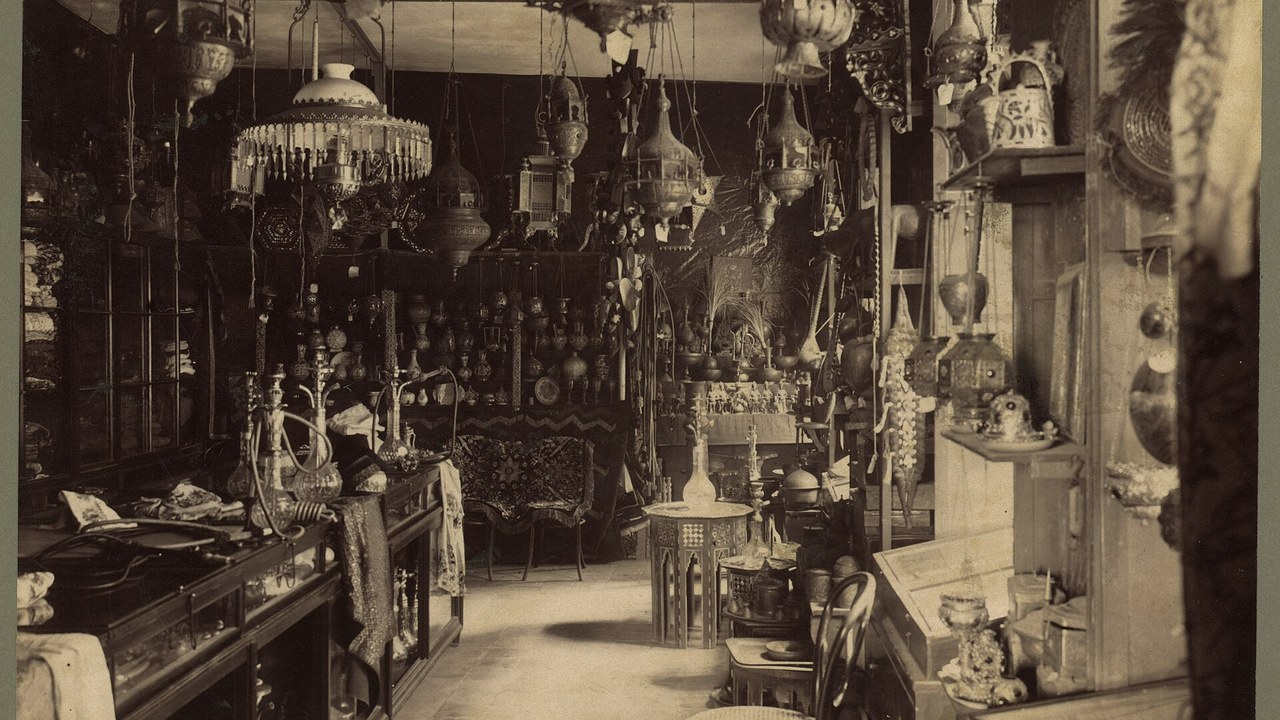
In the metal arts section, ewers, cauldrons, trays, and swords made of copper, brass, and silver are on display. The embossed and inlaid patterns on these works reveal the technical mastery developed by metal smiths over centuries. Traditional Turkish coffee culture is also highlighted here, with special sections for cezves (coffee pots), cup holders, and tobacco boxes.



Getting to the Ethnography Museum and Visit Planning
Reaching the Ethnography Museum from Ankara city center and integrating it into a broader museum route is a straightforward process.
Located at a crossroads of the public transport network, the museum is easily accessible via Sıhhiye or Ulus. Planning your route in advance ensures a more comfortable experience.
- Take the Ankara metro and alight at either the Sıhhiye or Ulus station.
- Follow the exits toward Talatpaşa Boulevard and walk toward Namazgâh Hill.
- Use the stairs leading up the hill to reach the main entrance and the Canonica statue.
- After ticketing, pass through the marble courtyard to explore the Seljuk wooden works in the chronological hall.
- Conclude your tour with the metal and textile galleries, then take a break in the garden resting area.
Combining the Route with Nearby Cultural Stops
After visiting the Ethnography Museum, the adjacent Painting and Sculpture Museum is a perfect addition to your itinerary. The walking path between these two historic buildings allows you to enjoy a stroll through the capital's "cultural hill."
For those curious about other open-air attractions in the capital, the Altınköy Açık Hava Müzesi gezi rehberi provides great insights into rural architectural heritage. We recommend wearing comfortable walking shoes, as the routes can be hilly. The historic inns and bazaars around Ulus Square are ideal spots to find authentic local souvenirs after your museum tour.
The main exhibition areas of the Ethnography Museum and the types of artifacts they house are summarized below.
| Exhibition Hall | Types of Artifacts | Thematic Content |
|---|---|---|
| Seljuk Wood Section | Mosque doors, minbars, and chests | Kündekari technique and geometric motifs |
| Textiles & Costume Hall | Regional bindallıs, jewelry, and carpets | Anatolian dress and folk folklore |
| Metal Arts Section | Swords, helmets, ewers, and candlesticks | Copper and silver inlay decoration art |
| Manuscripts Area | Handwritten Quran copies and firmans | Calligraphy and illumination (tezhip) |
| Inner Courtyard & Tomb | Marble columns and Atatürk's temporary grave | Republican history and monumental architecture |
Professional City Tours and Transport Options in the Capital
Exploring Ankara's deep history and monumental structures is best experienced through organized tours and professional transfer services.
Guided tours allow visitors to focus on the historical narratives without worrying about the logistics between museums. Guests planning their trip can find detailed rules and visiting information for the national monument in the Anıtkabir ziyaret saatleri ve gezi bilgileri guide.
Guided Culture and Museum Tours
Capital tours led by expert guides introduce the symbolic structures of Republican history in a curated sequence. Participants can start at Ulus Square and discover the Ethnography Museum, the First Parliament Building, and the historic castle all in one day.
The on-site knowledge shared during these tours makes the purpose of the artifacts and art history terminology easy to understand. During peak seasons, touring with a guide saves time in ticket and entry lines. Expert narratives bring to light the social details behind the ethnographic objects displayed in the showcases.
Airport and Private City Transfers
For guests arriving by air, the transfer service from Ankara Esenboğa Airport (ESB) to the Altındağ region provides comfortable access with a driving time of approximately 15–25 minutes. This solution allows you to head directly to your accommodation or the museum district upon landing.
Travelers wishing to map out a wider itinerary can explore other parks and archaeological sites via the Ankara Gezilecek Yerler Rehberi. Private transfer vehicles offer flexibility and comfort for families with children and group travelers. Reaching the museums at your scheduled time without getting caught in city traffic maximizes your travel efficiency.
Practical Tips for Your Museum Visit
Following museum guidelines and timing your visit carefully will significantly enhance your experience at the Ethnography Museum.
To protect the cultural heritage on display, it is essential to strictly adhere to the rules in the exhibition halls. Please follow the guidance of the gallery staff to ensure a peaceful environment for all visitors.
- Flash photography is prohibited in the galleries due to the light sensitivity of the artifacts.
- Do not touch the glass showcases of the historic wood and metal works, and stay within the designated guidance lines.
- Have your Museum Pass ready to speed up the process at the ticket counters.
- Wear comfortable walking shoes for the steep climb from the Sıhhiye direction.
The Best Time to Visit
The museum galleries offer a quieter environment during weekday mornings. Activity tends to increase on weekends and public holidays, particularly in the afternoons.
Early morning hours are ideal for photography and studying architectural details. The shaded benches in the museum garden provide a perfect spot to relax and take notes after your tour.
The Significance of the Ankara Ethnography Museum's Heritage
The Ankara Ethnography Museum is a monumental center in the heart of the capital, showcasing the centuries-old richness of Turkish art and traditional lifestyles.
Its status as the first museum building of the Republican era, combined with its role in honoring the memory of Atatürk, makes it a multi-faceted symbol of history. From kündekari masterpieces to regional costumes, the extensive collection invites visitors on an enlightening journey into the cultural depths of Anatolia.
A must-visit for anyone traveling to the capital, this museum offers a rare opportunity to get close to rooted craft traditions. Walking through its corridors, the objects that witnessed history build a sturdy bridge between the past and the future. Here, visitors can fully grasp the daily life, aesthetic perception, and artisanal power of the people of Anatolia.
Frequently Asked Questions 4
What can I see at the Ankara Ethnography Museum?
The Ankara Ethnography Museum features carved wooden minbars, doors, and chests from the Seljuk and Ottoman periods. Additionally, traditional Turkish folk costumes, regional hand-woven carpets, swords and ewers from the metal arts, and handwritten copies of the Quran are displayed chronologically throughout the galleries.
Who founded the Ankara Ethnography Museum?
The Ankara Ethnography Museum was established in the early years of the Republic under the directives and encouragement of Mustafa Kemal Atatürk. The architectural project was designed by Architect Arif Hikmet Koyunoğlu, making it the first monumental building specifically designed and constructed as a museum during the Republican era.
What is an ethnography museum?
An ethnography museum is a thematic institution that showcases the material and spiritual cultural elements, traditional handicrafts, and daily life habits developed by a society over time. Based on folklore, these museums preserve and pass on the social life, production techniques, and aesthetic understandings of past centuries to future generations.
What are the most famous places to visit in Ankara?
The most iconic landmarks in Ankara include Anıtkabir, Ankara Castle, Hacı Bayram Veli Mosque, and Kocatepe Mosque. In terms of cultural tourism, the Ethnography Museum and the Museum of Anatolian Civilizations are prominent, while Kuğulu Park and Seğmenler Park are among the city's most visited leisure areas.