
Çengelköy and Anadolu Hisarı are two distinct yet easily walkable ends of the Bosphorus's Asian shore. One is defined by a spacious pier square, shaded by plane trees and lined with charming cafes; the other by ancient fortress walls guarding a river mouth. This guide treats them not as separate destinations, but as two captivating points along the same scenic coastal stretch. You'll discover which end suits your travel style, which attractions are closed on certain days, which ferry lines connect to the piers, and the most rewarding direction for your walk. Our aim is to preempt the 'what next?' question that often arises once you arrive, ensuring a seamless and enjoyable experience.
Who This Route Is For (And Who It Isn't)
This route is perfect for visitors who measure their day by the rhythm of their steps rather than a checklist of sites. Don't expect a string of monumental structures; the true charm here lies in the long, uninterrupted coastal walk connecting two fascinating indoor attractions. Here's a breakdown to help you decide:
- Ideal for those who want a coastal stroll to be the backbone of their itinerary, happy to explore four or five key stops in a day.
- Perfect for history buffs eager to explore Ottoman military architecture within a fortress, and palace architecture just a few kilometers away.
- A dream for photographers seeking the soft morning light on the pier square and the serene river mouth in the afternoon.
- Not suitable for visitors aiming to tick off many museums in half a day or those seeking a bustling city center.
- Avoid planning indoor visits on Mondays; both key indoor attractions on this route are closed on that day.
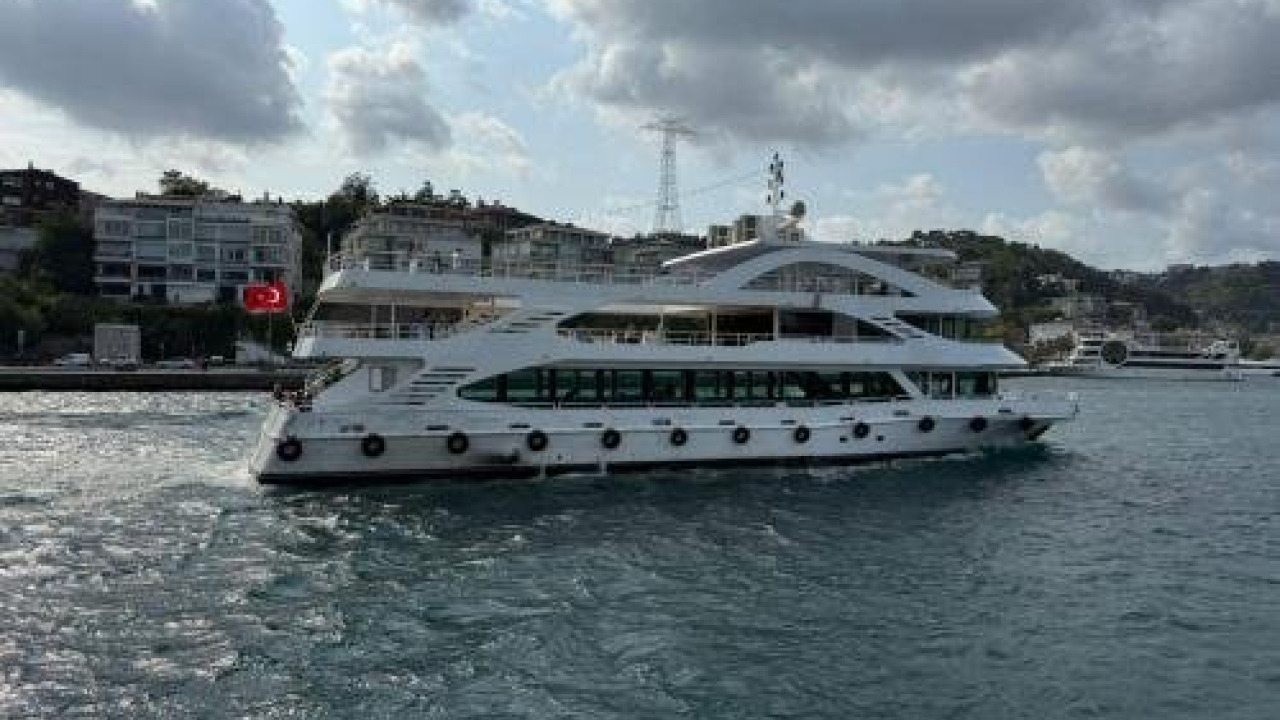
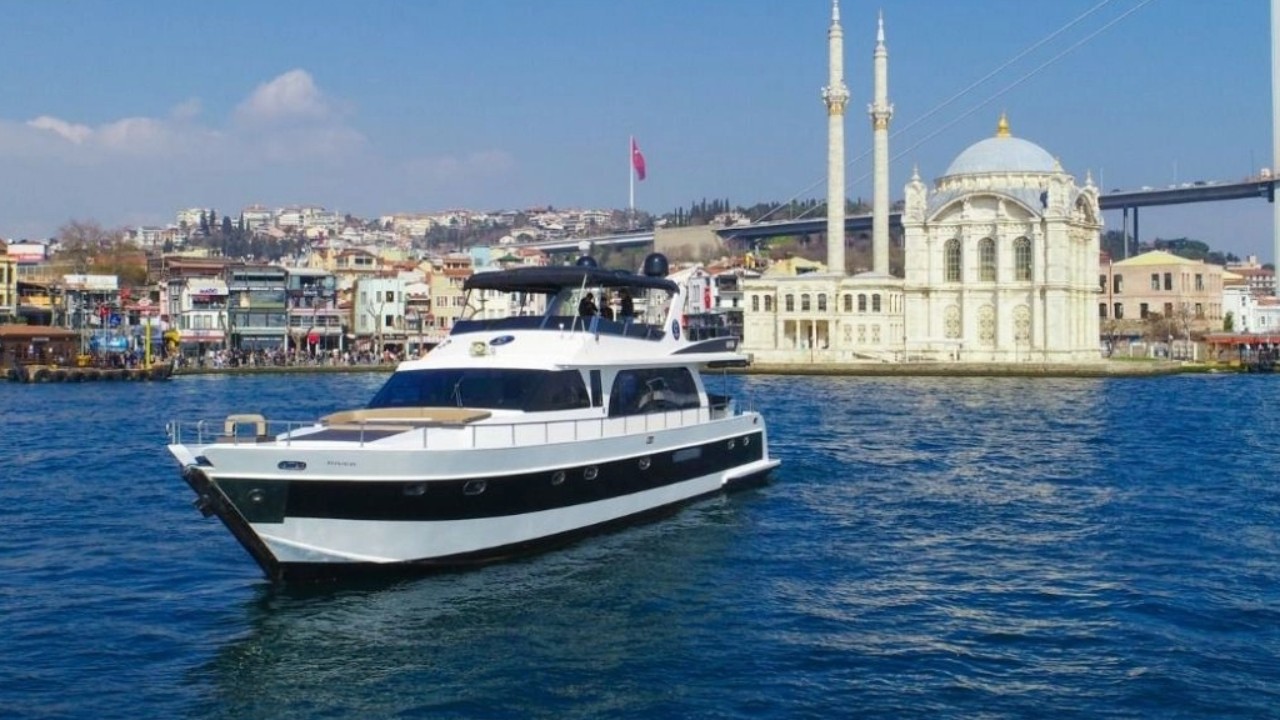
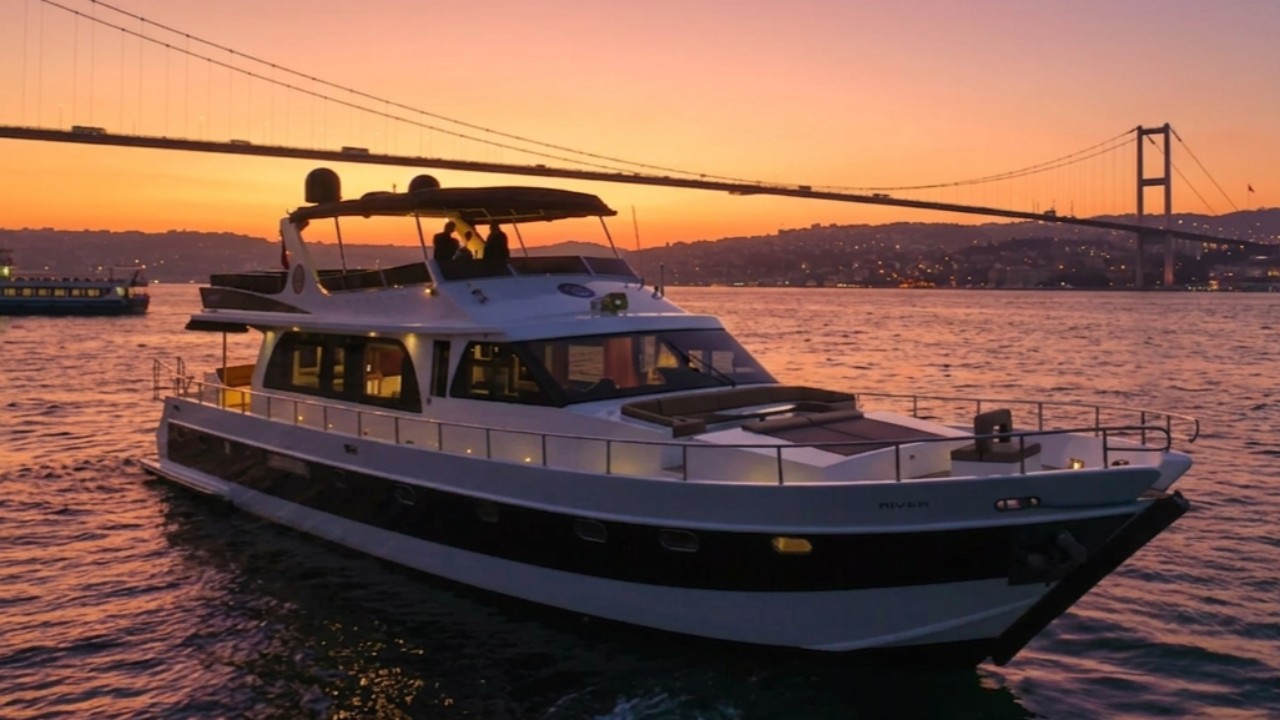
For those considering viewing the same coastline from the sea rather than walking it, the distinction is clear: a scheduled ferry will drop you at a pier and continue its journey, while a dedicated tour program keeps the entire coastline in view from start to finish. When deciding which suits you best, simply check how closely the route of Istanbul Bosphorus boat and yacht tours follows the Asian shore.
Quick Facts
| Topic | Detail |
|---|---|
| Location | Asian side of the Bosphorus; along the district border of Üsküdar and Beykoz |
| Route Axis | Northbound from Beylerbeyi to Çengelköy, Kandilli, Küçüksu, and Anadolu Hisarı |
| Key Landmark | Anadolu Hisarı; now an IMM-affiliated museum, closed Mondays |
| Ferry Connections | Anadolu Kavağı-Üsküdar line, Çengelköy-İstinye line, Aşiyan-Anadolu Hisarı-Küçüksu ring line |
| Land Connections | Via Üsküdar, IETT 15 Beykoz-Üsküdar bus line |
| Pavilion History | Küçüksu Kasrı (Pavilion), built during Sultan Abdülmecid's reign in 1856-1857; 09:00-17:00, closed Mondays |
| Palace History | Beylerbeyi Sarayı (Palace), built during Sultan Abdülaziz's reign in 1863-1865 |
| Ticket Note | Museum and pavilion tariffs vary by visitor type; confirm current prices on official websites |
| Recommended Duration | Half-day; full day if two indoor attractions are included |
Çengelköy vs. Anadolu Hisarı: Which End Suits Your Day?
While both ends of this route share the same Bosphorus coastline, they offer distinctly different experiences. Çengelköy offers a more relaxed, open-air day with plenty of seating and horizontal exploration; the Anadolu Hisarı end provides a more intense visit with indoor exhibition spaces, a river mouth, and a maze of narrow streets. The table below will help you decide which end to focus your day on.
| Criterion | Çengelköy End | Anadolu Hisarı End |
|---|---|---|
| Coastal Character | Wide promenade and flat square | River mouth, narrow cove, and inner streets |
| Main Attraction | Pier square, plane tree shade, cafes, and breakfast spots | Fortress museum, Göksu river mouth, historic wooden mansions (yalı) |
| Indoor Options | Limited; day is mostly outdoors | Museum exhibition areas and Küçüksu Kasrı within walking distance |
| Ferry Access | Routes to Üsküdar, İstinye, and Kabataş | Routes to Üsküdar, İstinye, and Aşiyan ring |
| Rainy Day Suitability | Challenges the itinerary | Indoor museum visit saves the day |
| Ideal Time | Morning, when the square is quiet | Afternoon, when exhibition spaces are open |
What to See Along the Coast: From Beylerbeyi to the Göksu River Mouth
The stops along this route are arranged in geographical order; knowing this sequence will help you avoid unnecessary backtracking.
Çengelköy Pier and Çınaraltı Square
The heart of Çengelköy is the square directly in front of its pier. With tea and coffee houses right on the waterfront, a grand plane tree providing ample shade, and a quiet pier in the early morning, the neighborhood's character is captured in just a few steps. The activity here picks up in the late afternoon, so photographers hoping to capture the square's serene beauty might consider starting their day in Çengelköy in the morning.
Just behind the square, narrow streets wind uphill, revealing a different texture from the flat coastal area. The famous cucumber variety named after the district harks back to its market garden past; today, instead of searching for gardens along the shore, it's more realistic to trace this heritage through the menus of local eateries. For those looking to delve deeper into the Bosphorus's culinary traditions, our Istanbul cuisine guide offers a broader perspective.
Beylerbeyi End: The Southern Gateway to Your Route
Beylerbeyi marks the Üsküdar-facing end of the route, and starting your walk here sets you on a straightforward northbound path. According to National Palaces records, Beylerbeyi Sarayı was constructed during the reign of Sultan Abdülaziz, between 1863 and 1865. As an interior visit to the palace adds a significant chunk to your itinerary, it's often more relaxing to use it as a starting marker for your walk rather than including it as a full stop on this particular route.
Kandilli Point and the Observatory on the Hillside
Kandilli is a prominent point between Çengelköy and Anadolu Hisarı, where the coastline noticeably narrows. According to the General Directorate of Coastal Safety's lighthouse records, Kandilli Lighthouse stands 27 meters above sea level with a visibility range of 5 nautical miles – a detail that perfectly explains its navigational importance.
While the Kandilli Observatory on the hillside often appears on travel lists, it is not a museum open for general public access. According to the institution's own records, it was founded in 1868 as Rasathane-i Amire; Fatin Gökmen was tasked with establishing the new observatory in 1910, and the institution moved to its current Kandilli hillside location in 1911, eventually becoming affiliated with Boğaziçi University in 1982. Visits for groups are conducted by prior application on specific days and times. Therefore, on this route, Kandilli is a stop to be admired from the hillside, not entered.
Küçüksu Kasrı (Pavilion) and the Göksu River Mouth
The flat area where the Göksu River meets the Bosphorus is the greenest part of the route, and Küçüksu Kasrı stands gracefully on its shore. Official records date the pavilion's construction to the reign of Sultan Abdülmecid, between 1856 and 1857; visits begin at 09:00, end at 17:00, and it is closed on Mondays. Since Anadolu Hisarı is also closed on Mondays, the closing days for these two indoor attractions coincide; visitors arriving at the beginning of the week should plan their route as an outdoor walk only.
The short distance between the pavilion's garden and the river mouth is the most relaxed part of the walk. From here, it's just a few hundred meters to the fortress, so there's no reason to split these two stops into separate days.
Can You Visit Anadolu Hisarı? Is It Open to the Public?
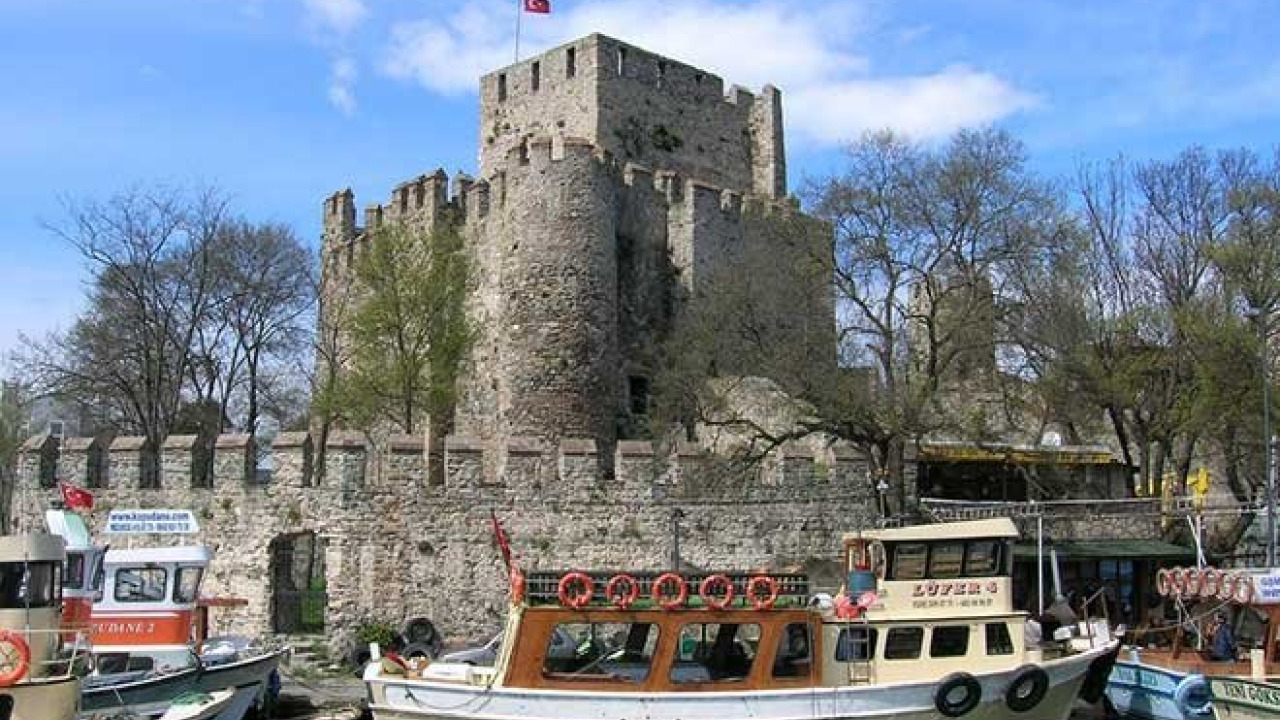
Yes, it can be visited! For a long time, this historic structure could only be admired from the outside, but after extensive restoration, it has reopened as a museum affiliated with the Istanbul Metropolitan Municipality (IMM); museum records indicate visiting hours are 10:00-18:00, and it is closed on Mondays. This is a crucial change for visitors planning their route: the fortress is no longer just a photo stop, but an indoor attraction worthy of dedicated time in your itinerary.
What to See Inside the Fortress Walls
According to municipal project records, the restoration, lasting approximately a year and a half, was carried out with an open restoration approach, connecting the area with open and closed exhibition spaces, an amphitheater, and a visitor center around the Göksu River. The visitor experience is designed around this: you'll sequentially explore the rising levels along the fortress walls, the remnants of towers, and openings overlooking the river mouth.
The identity of the structure is rooted in two distinct periods. Museum records state that the fortress was built by Yıldırım Bayezid, and during preparations for the conquest of Istanbul, Mehmed II strengthened the structure in 1452 by adding three towers and outer walls. Thus, the silhouette you see today is not the result of a single campaign, but of two military decisions made over half a century apart. The Rumeli Hisarı, standing eye-to-eye on the opposite shore, is also part of this second phase.
The Neighborhood Around the Fortress
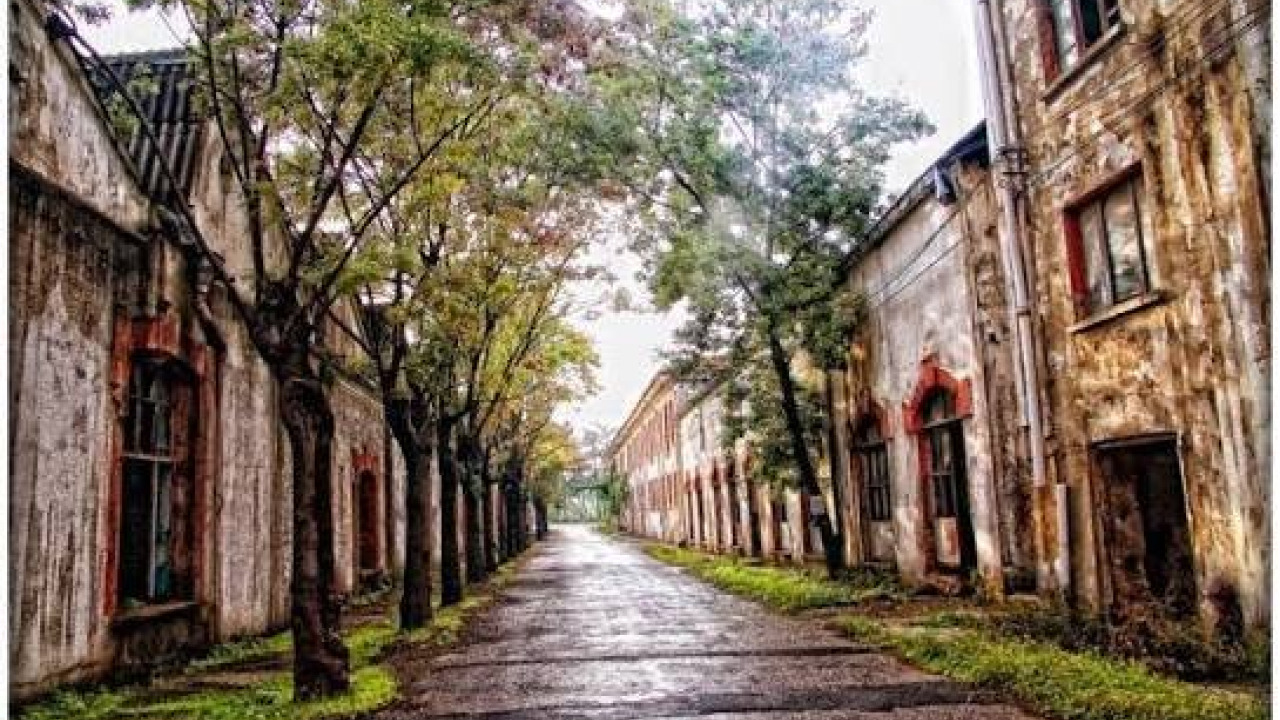
The streets leading out from the fortress walls boast the densest concentration of historic wooden architecture along the coast. The facades facing the river mouth, the small-scale fishing pier, and the narrow street layout provide a context that explains why the fortress was built at this very spot. Visitors wishing to combine this layer of history with Küçüksu and Beylerbeyi on the same day can check if these structures are included in the same itinerary on Istanbul cultural tours rather than trying to align entry times themselves. For those wanting to compare the museum density with that of the Historic Peninsula, our Istanbul cultural tours and museums guide offers a different scale.
How to Get to Çengelköy and Anadolu Hisarı by Ferry?
Both piers are served by Şehir Hatları (City Lines) ferries, and there are two distinct lines that call at both. The Anadolu Kavağı-Üsküdar line follows the Asian coast, stopping at Anadolu Hisarı and Çengelköy consecutively; the Çengelköy-İstinye line, however, zigzags between the two shores, also including Kandilli between these two piers. Your starting point on either side of the Bosphorus will determine your best option.
By Sea: Which Pier Connects to Which Line
| Pier | Connecting Şehir Hatları Line | Significance for the Route |
|---|---|---|
| Beylerbeyi | Anadolu Kavağı-Üsküdar | Starts the walk from the southern end |
| Çengelköy | Anadolu Kavağı-Üsküdar, Çengelköy-İstinye, Çengelköy-Kuzguncuk-Beşiktaş-Kabataş | Direct entry point from the European side |
| Kandilli | Çengelköy-İstinye | Connected to only one line; check schedule in advance |
| Küçüksu | Aşiyan-Anadolu Hisarı-Küçüksu ring | Connects the pavilion visit by sea |
| Anadolu Hisarı | Anadolu Kavağı-Üsküdar, Çengelköy-İstinye, Aşiyan ring line | Exit point at the northern end of the route |
The Çengelköy-İstinye line stops in the following order: Çengelköy, Arnavutköy, Bebek, Kandilli, Anadolu Hisarı, Kanlıca, Emirgan, and İstinye; meaning the coastal areas of Bebek and Arnavutköy on the European side are included in this journey. The Aşiyan-Anadolu Hisarı-Küçüksu ring line operates daily, with the first departure from Aşiyan at 06:55, making it possible to cross to the fortress from the European side with a short trip. On the Çengelköy-Kuzguncuk-Beşiktaş-Kabataş line, some early services do not operate on Sundays and public holidays; always confirm the schedule before you go.
By Land: The Coastal Route via Üsküdar
For visitors arriving by land, Üsküdar is the key hub. The IETT 15 Beykoz-Üsküdar bus line follows the coastal road, and its stops largely coincide with the walking route along the shore. Parking along the coast is limited for those arriving by private car; leaving your vehicle in Üsküdar and taking public transport to the coast can save time on weekends.
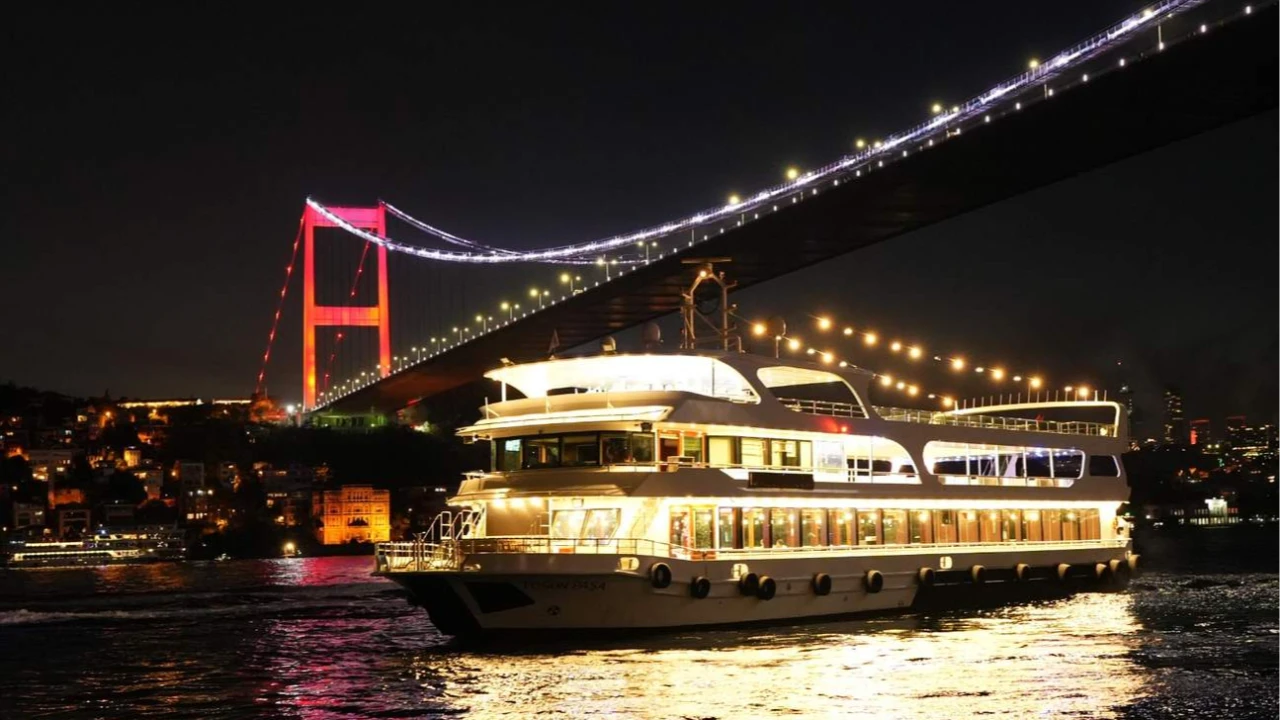
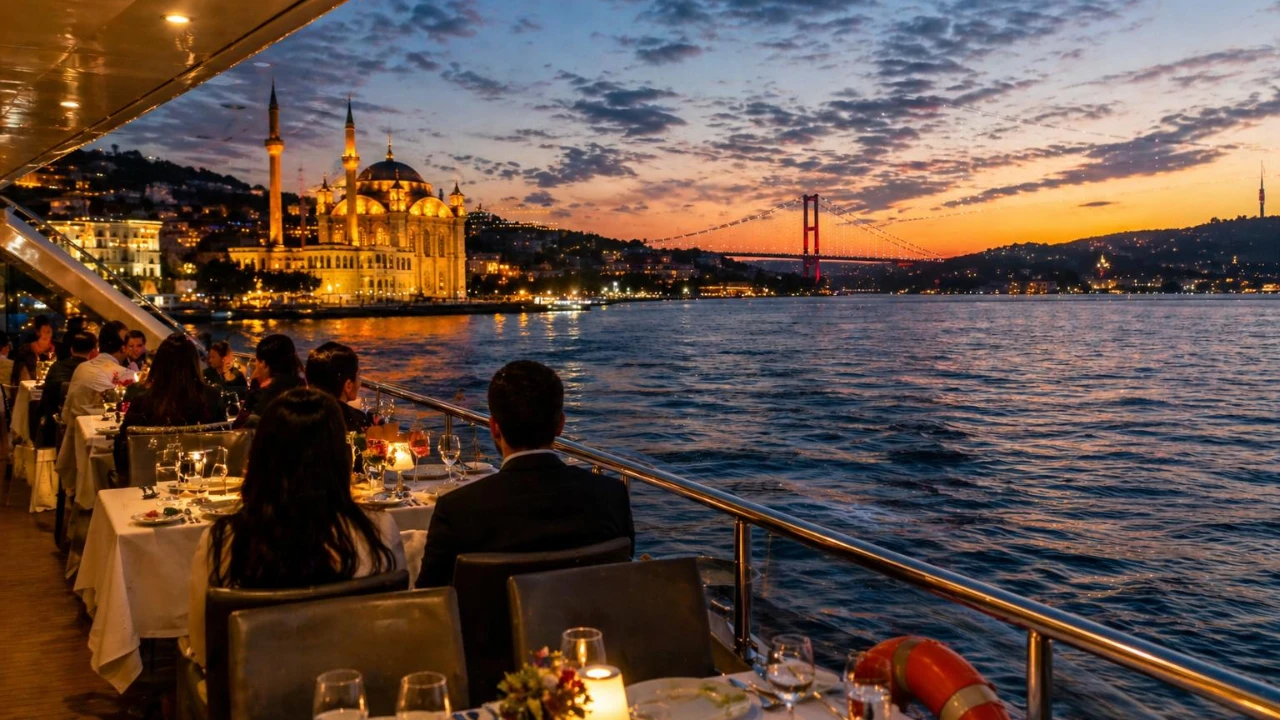
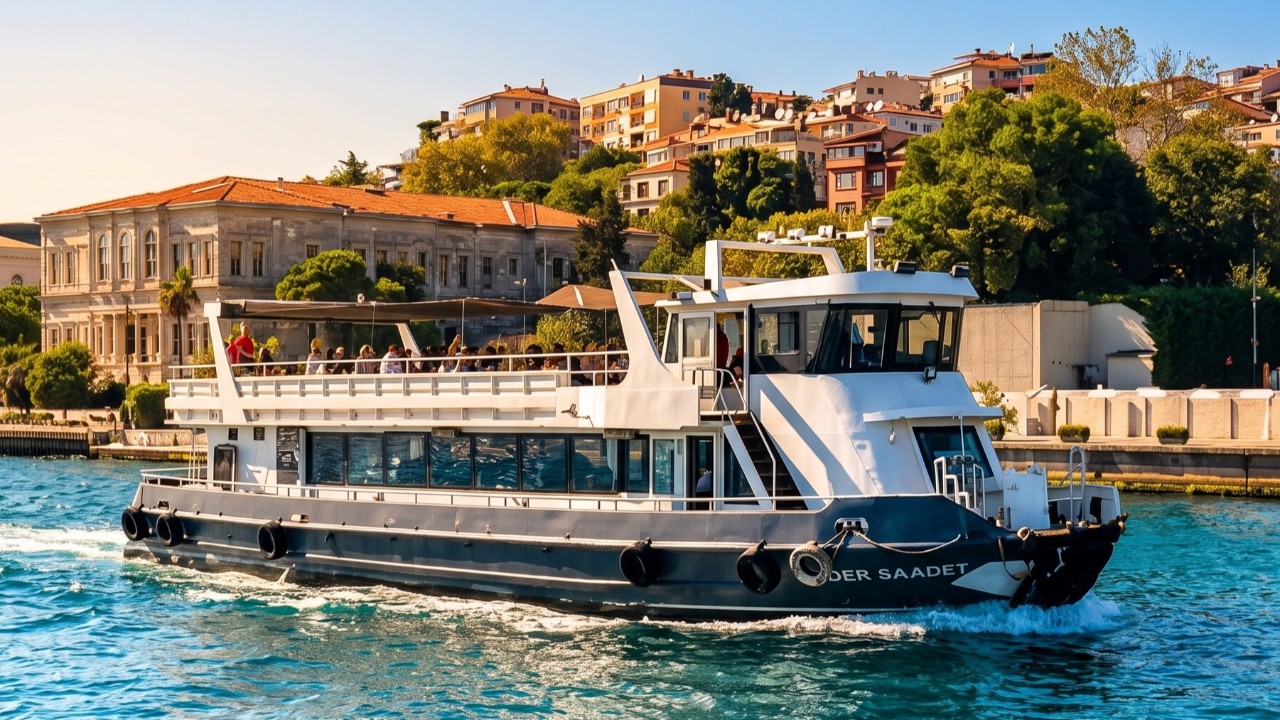
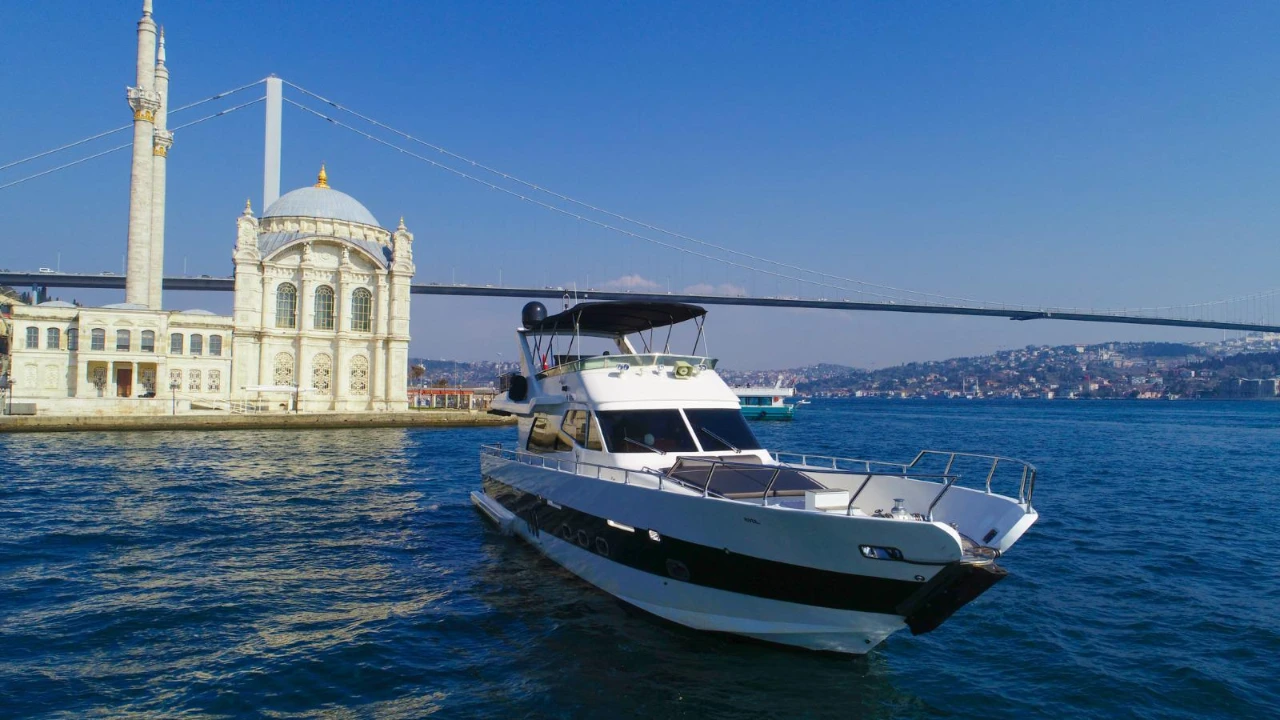
A scheduled ferry shows this route in segments: you disembark at one pier and remain on land until the next service. For those who prefer to experience the coastline uninterrupted, tour programs focused on the Asian side are the answer; in the options below, you can see which departure points and durations suit these two ends.
Which Direction Should You Walk the Route?
Walking the route from south to north is beneficial for two reasons: it allows you to enjoy the quiet Çengelköy square in the morning, and positions indoor visits for the afternoon when attractions are open.
- Start from the Beylerbeyi end: Head to the coastal road and turn north; use the palace structure as a starting marker for your route, rather than planning an interior visit.
- Take your first break at Çengelköy square: The square in front of the pier and the shade of the plane tree are quiet in the morning; take a short stroll through the side streets before returning to the coast.
- Follow the coastal road towards Kandilli: The coastline narrows here, and the observatory buildings on the hillside become visible uphill; since it's not open for entry, your stop here will be brief.
- Step inside at Küçüksu: Plan your pavilion visit between 09:00-17:00, and definitely avoid Mondays.
- Pass the Göksu river mouth and reach the fortress: The section from the river mouth to the fortress entrance is the shortest leg of the route; allocate at least an hour for the museum visit.
- Conclude your day at the pier: From Anadolu Hisarı pier, take a ferry towards Üsküdar or the Aşiyan ring line to cross to the European side.
Pre-Walk Checklist
Most time-wasting situations on this route stem from closed doors or missed ferry times. Before you set off, tackle these four points:
- Confirm your visit day isn't a Monday; both the fortress museum and the pavilion are closed on this day.
- Note down the return ferry schedule; evening services tend to finish earlier in winter.
- Choose comfortable, grippy shoes; while the coastal path is flat, sections branching into inner streets from the squares are uphill.
- If you plan to include Kandilli by sea, check the relevant line's schedule in advance, as the number of services calling at this pier is limited.
Best Season and Time to Visit
The coastal route is walkable year-round, but the season will shift the focus of your itinerary. In summer, indoor attractions offer a welcome cool-down break, while in winter, these same spots become crucial main stops that can save your day.
| Period | What Changes on the Coastline | Decision |
|---|---|---|
| April-June | Days are longer, coastal path stays cool | Plan a longer walk, save indoor visits for the afternoon |
| July-August | Shade decreases at noon, squares get crowded | Start early morning, spend midday at the museum |
| September-October | Light softens, pier squares become quieter | Most productive period for photography; a full day can be planned |
| November-March | Wind and rain are felt on the coast, days are shorter | Prioritize the two indoor attractions, shorten the walk |
In conclusion, Çengelköy and Anadolu Hisarı offer a route that encapsulates two distinct characters of the same coastline within a half-day: one embracing the rhythm of squares and the waterfront, the other inviting an exploration within ancient walls. By factoring in closing days and return ferry schedules beforehand, your walk between these two ends transforms from a scattered sightseeing list into a cohesive and memorable itinerary.
Frequently Asked Questions 5
Can Çengelköy and Anadolu Hisarı be visited on the same day?
Yes, absolutely. The coastal path between the two ends is continuous, with Kandilli and Küçüksu stops in between. A leisurely walk, one indoor visit, and a break can comfortably fit into a half-day. If you wish to visit both Küçüksu Kasrı and Anadolu Hisarı Museum, extend your program to a full day, as both close before evening.
Which day is Anadolu Hisarı closed?
Anadolu Hisarı Museum is closed on Mondays; on other days, visiting hours are 10:00-18:00. Since Küçüksu Kasrı is also closed on Mondays, visitors arriving at the beginning of the week should plan their route as an outdoor walk only. As hours may change seasonally, please check the official website of the relevant institution.
How do I get to Çengelköy by ferry?
Çengelköy pier is connected to three different Şehir Hatları (City Lines) routes: the Anadolu Kavağı-Üsküdar line which follows the Asian coast, the Çengelköy-İstinye line which zigzags between the two shores, and the Çengelköy-Kuzguncuk-Beşiktaş-Kabataş line which crosses to the European side. Note that some early services on the last line do not operate on Sundays and public holidays.
Are there ferries to Kandilli?
Yes, there are, but Şehir Hatları (City Lines) services calling at Kandilli pier are only on the Çengelköy-İstinye line. Since this line's departure times are limited to a few services during the day, if you plan to include Kandilli by sea, check the schedule in advance; arriving via the coastal walk offers more flexibility.
How can I budget for this route?
The budget has three main components: transportation, tickets for two indoor attractions, and food & drink. Since museum and pavilion tariffs vary by visitor status, the same itinerary will result in different costs for different visitors. As prices change by institution and season, specific figures are not provided here; please confirm current costs on the official visitor page of the relevant institution.