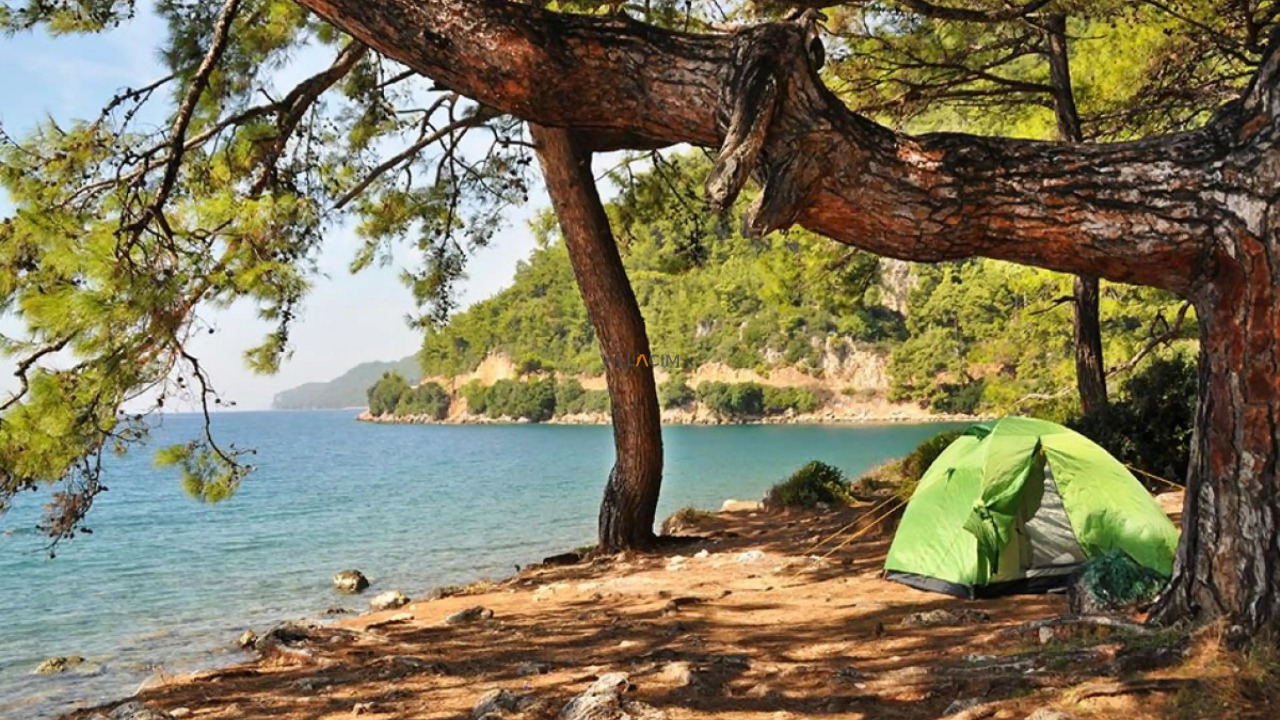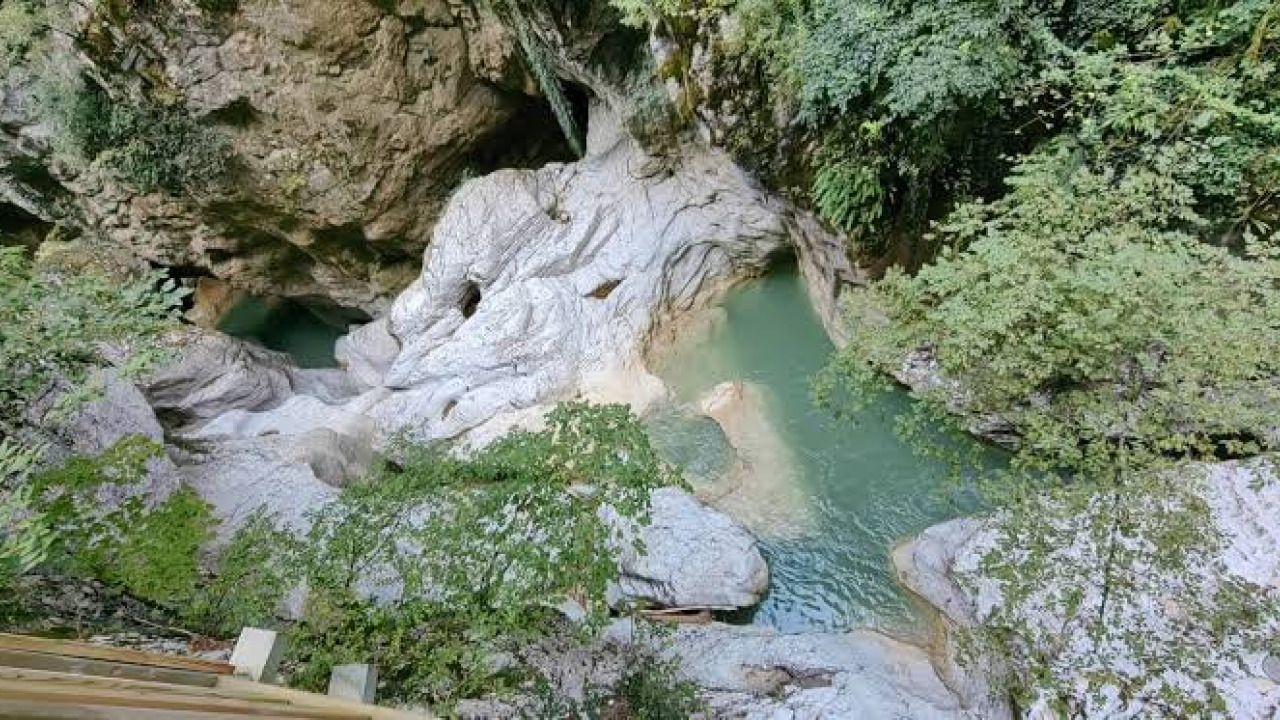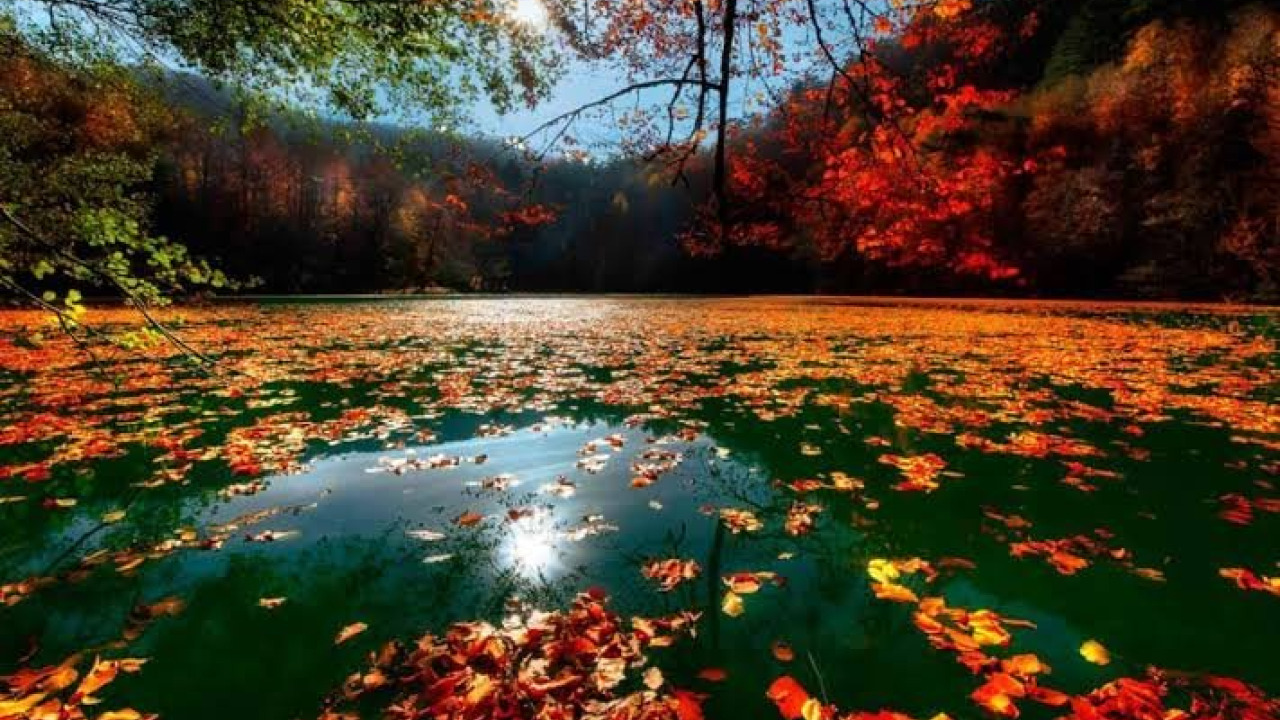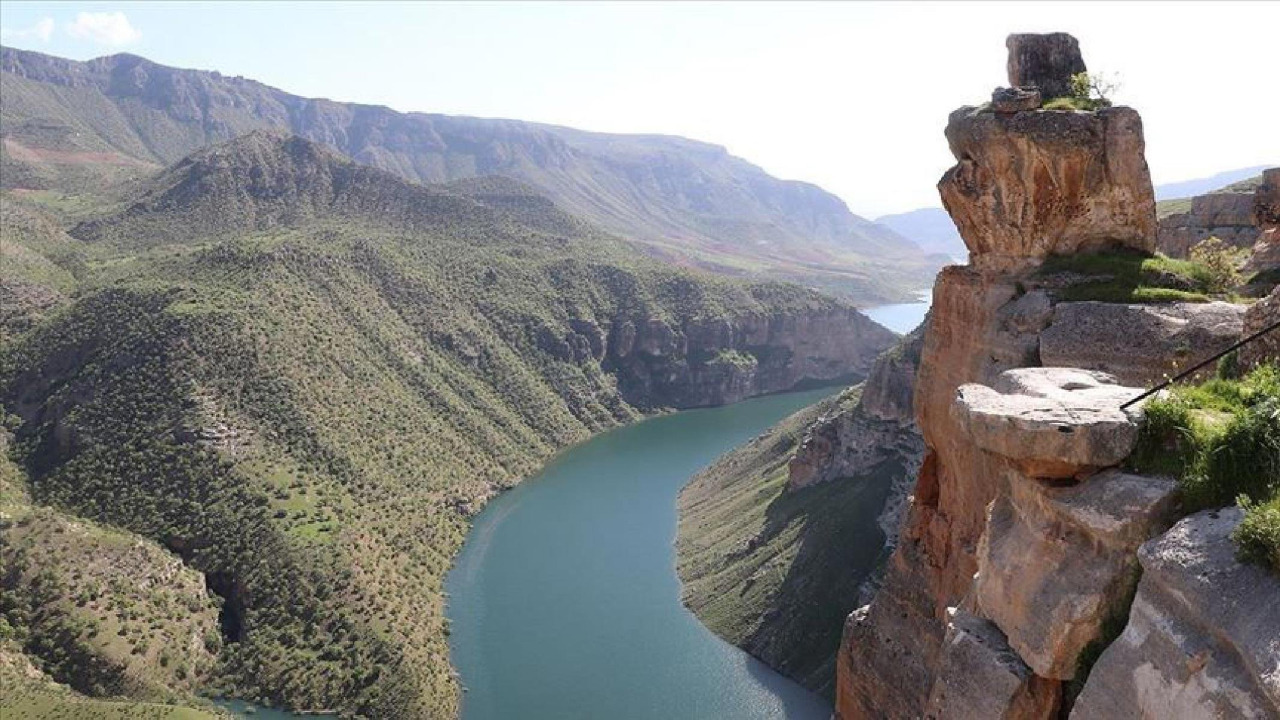

Botan Canyon, a dramatic valley system stretching east of Siirt, is one of Southeast Anatolia's hidden natural gems, often overlooked by mainstream tourist routes. Carved by the Botan Çayı over centuries, this majestic gorge captivates visitors with its steep slopes, sheer rock faces, and the river's ever-changing hues. Perched high above the valley, Tillo offers breathtaking panoramic views, especially from the glass observation deck at Tillo Castle. In this comprehensive guide, you'll discover everything you need to plan your adventure: where to go around Botan Canyon, the best time to visit, how to get there, and a step-by-step itinerary for a memorable two-day trip.
Where is Botan Canyon and Why Visit?
Botan Canyon is situated within the provincial borders of Siirt, stretching along the valley carved by the Botan Çayı as it winds through mountainous terrain. Historically, the region was known as Bohtan, lending its name to the canyon. Positioned in a transitional zone where waters from the high plateaus of Eastern Anatolia flow into the Tigris basin, the valley showcases remarkable changes in both vegetation and landscape over short distances.
The allure of the canyon isn't confined to a single viewpoint but rather unfolds through a series of diverse perspectives along the scenic road that traces the valley. Within short intervals, you'll encounter a forested slope, then stark rock walls, followed by a serene section where the river widens. This rich variety makes even a short drive incredibly rewarding for photography enthusiasts.
The Botan Çayı and Tigris Basin
The Botan Çayı originates in the eastern highlands and flows through Siirt's lands before merging with the Tigris River. As such, the valley is an integral part of the main water network that sustains Mesopotamia. Due to the dam lake on the Tigris, the lower sections of the valley feature a broad expanse of water, where the canyon landscape gives way to a more lake-like vista. As you venture further upstream, the riverbed narrows, and the classic canyon characteristics become more pronounced.
Botan Valley National Park Status and Wildlife
Botan Valley National Park was declared on August 15, 2019, becoming Turkey's 45th national park. This protected area spans approximately 120,000 acres and covers a 29-kilometer stretch of the valley, with its boundaries extending across Siirt's Merkez, Tillo, and Eruh districts. This designation not only limits construction but also facilitates the observation of the valley's rich wildlife.
National park records list mammals such as wild boar, bear, fox, wolf, and jackal, while bird species include vultures, eagles, kites, and hawks. The valley's steep slopes and air currents have also made the region appealing for activities like paragliding, and river sports are often discussed on the Botan Çayı during spring when water levels are high. If you're planning on wildlife spotting, bringing binoculars will help you notice creatures moving on distant slopes. Those looking to combine similar valley and canyon routes can explore our nature and adventure tours.
Quick Facts
| Topic | Information |
|---|---|
| Location | Siirt province, Botan Çayı valley |
| Key Highlights | Canyon viewpoints, Tillo, İsmail Fakirullah Tomb |
| Natural Features | Deep valley, rock walls, river and dam lake sections |
| Best Time to Visit | Spring and Autumn |
| Transportation | Road via Siirt city center; train to Kurtalan, flights currently to Batman |
| Recommended Duration | 2 days |
Places to See Around Botan Canyon
A trip to the valley isn't limited to the canyon itself. With Siirt city center and Tillo just a short distance away, your journey can easily become a balanced blend of nature and culture.
Canyon Viewpoints and Delikli Taş (Holed Rock)
Along the road tracing the valley, you'll find natural pull-offs where you can park your car and soak in the views. Some of these spots are unmarked; a practical tip is to observe where local drivers stop. The most famous rock formation in the valley is Delikli Taş (Holed Rock), also known locally as Rasıl Hacar. Located approximately 4 kilometers southeast of Siirt city center, it sits at a commanding height of about 350 meters above the Botan Çayı. Its distinctive hole creates a natural 'frame' effect, making it a favorite stop for photographers.
Practical tip: There are unfenced cliff edges throughout the canyon; for trips with children, it's safer to admire the view from a distance. For the best photography, the early morning and late afternoon hours are ideal, as the interplay of light and shadow on the rock surfaces is most dramatic.
Tillo and High-Altitude Valley Views
Tillo, a district close to Siirt city center, was officially known as Aydınlar from 1964 until 2013, when regulations restored its original name. The settlement is built on a ridge overlooking the plain and surrounding valleys, offering a unique perspective on the region's geography from above.
The main viewpoint here is the Tillo Castle Glass Observation Deck, constructed at the castle site. Opened in the summer of 2016, this platform is approximately 7 meters long and 5 meters wide, built on a steel structure. It's promoted for its impressive height difference of up to 1100 meters above the valley floor below. For safety reasons, only about thirty visitors can be on the platform at a time, so expect a short queue on busy days.
Practical tip: Shoe covers are commonly used on glass-floored terraces, so choosing easy-to-remove footwear will make your visit smoother. On windy days, the waiting time on the terrace might be shorter, but a calmer day will offer a more comfortable experience.
İsmail Fakirullah Tomb and the Light Phenomenon
The structure that significantly boosts Tillo's recognition is the İsmail Fakirullah Tomb. This tomb was built in the 18th century by his student, Erzurumlu İbrahim Hakkı. Adjacent to the main structure, an octagonal tower, approximately ten meters high, was added, along with a dry-stone wall on the eastern side. The design meticulously calculated for the sunrise light to pass through an opening in the wall, reach the tower's window, and then illuminate the head of the sarcophagus. This ingenious mechanism is considered a testament to the astronomical and geometric knowledge of the era reflected in its architecture. The system, which had lost its functionality over time, was restored to working order in 2011 through a project supported by TÜBİTAK.
For visiting, the equinox days, specifically around March 21st and September 23rd (when day and night are of equal length), are particularly significant. Visitor numbers to the region increase during these dates, so arriving before sunrise offers an advantage for witnessing the phenomenon. Keep in mind that the light event is weather-dependent, and a cloudy morning might prevent the spectacle from occurring.
Erzurumlu İbrahim Hakkı Tomb
Another prominent figure shaping Tillo's cultural identity is Erzurumlu İbrahim Hakkı, who lived in the 18th century and is renowned for his work 'Marifetname'. He was a student of İsmail Fakirullah, and his tomb is also located in the same settlement. Since both tombs are close to each other, a visit can easily cover both on a single route.
Practical tip: As these tombs are places of worship, it's appropriate to choose attire that covers your shoulders and knees. Female visitors bringing a headscarf will avoid any delays at the entrance. For itineraries focusing on such cultural landmarks, you can explore our cultural tours options.
Şeyhül Hazin and Şeyh Muhammed Kazım Tombs
There are two more frequently inquired-about stops along the Tillo route. The tomb of Şeyhül Hazin, who passed away in 1891, is located in Dereyamaç village, part of the Tillo district, approximately 7 kilometers from Siirt city center. It can be reached by minibuses and taxis heading to the district. The Şeyh Muhammed Kazım Tomb, on the other hand, is in the city center and is locally known as the 'tree-tomb' due to an ancient tree that grows through its wall and extends towards the dome.
Visitor note: Both sites can become crowded, especially on Fridays and during religious holidays, as they are popular destinations for faith tourism. Weekday mornings are more suitable for both photography and a peaceful visit.
Ulu Cami (Grand Mosque) and Clock Tower in Siirt City Center
Siirt city center serves as the natural base for your valley excursion. The Ulu Cami (Grand Mosque), believed to have been built in 1129 by Muğisiddin Mahmud, one of the Great Seljuk emirs, is the city's most renowned historical structure, admired for its brickwork and minaret. The building underwent extensive repairs in 1260 during the reign of Atabey Mücahid İshak. The clock tower in the city center and the surrounding bazaar offer a pleasant route for an evening stroll. The city's traditional 'cas' plastered houses can still be seen in the narrow streets.
Practical tip: In the bazaar, you'll find Siirt blankets and local fabric weaves; these items make for lightweight and easy-to-carry souvenir options. Since temperatures rise during midday, it's more comfortable to plan your city center visit for the late afternoon.
Derzin Castle and Towards Baykan
For those wishing to add a castle to their itinerary, the most well-known address is Derzin Castle, located near Adakale (Derzin) village, part of Siirt's Baykan district. This Byzantine-era structure is built on a steep hill, with its watchtowers still standing today. It is said to have taken its name from Şahkulu Bey, one of the local Derzin lords. As the castle is situated northwest of the Botan valley, it's often included on the day of arrival or departure from Siirt.
Visitor note: The path up to the castle is rocky and steep; non-slip walking shoes and carrying water are essential. Those continuing towards Bitlis via Baykan can combine their route with our Bitlis Nemrut Crater Lake guide.
Sağlarca (Billoris) Hot Springs
When it comes to thermal waters around Siirt, Sağlarca hot springs is the destination that comes to mind. Formerly known as Billoris, this spring is located in Sağlarca village, part of the Eruh district, approximately 17 kilometers from Siirt city center, along the Eruh road and on the banks of the Botan Çayı. The hot water is accessed through a cave by the river and simple structures surrounding it.
Expectation note: This is not a thermal facility with hotel-level comfort; the structures around the spring are basic and in need of maintenance, primarily used by the local community. Since there are no accommodation units, visits are planned as day trips.
Practical tip: Part of the road leading to the hot springs area is winding, so it's safer not to plan your return after dark. Bringing your own towel and slippers will reduce your needs at the facility.
How to Get to Botan Canyon
Siirt city center is your starting point for the trip, with connections to the canyon and Tillo established from here.
- For those preferring air travel, the current situation is important: Siirt Airport has been closed to flights since October 20, 2025, due to new terminal building construction, and its closure has been extended again until summer 2026. Therefore, Batman Airport is practically used, from where you can travel to Siirt by road. Before purchasing tickets, verify with the airline whether Siirt flights have resumed.
- For those arriving by rail, the destination is Kurtalan district in Siirt. Kurtalan is the final stop on the line, and regular road connections to Siirt city center are available from there.
- Travelers using road transport can reach Siirt via Diyarbakır, Batman, or Bitlis. Intercity bus companies offer services to Siirt's bus terminal.
- From Siirt city center, using a private car or a daily rental car for transfers to the valley and Tillo will allow you to explore the stops at your own pace.
Airport and Bus Terminal Connections
Between Batman Airport and Siirt, you'll find Havaş shuttle services, bus, and taxi options; the road journey takes approximately one and a half hours. As flight times are limited during the day, arranging your return ticket in advance, based on your final day of travel, will minimize waiting. Siirt's bus terminal is close to the city center, and minibus services to surrounding districts like Tillo, Eruh, and Baykan depart from here.
In-Valley Driving and Road Conditions
Some sections of the road following the valley are narrow and winding. After rainfall, rocks can fall onto the road from the slopes, so it's essential to drive slowly. Since petrol stations in the region are concentrated in urban centers, it's a good practice to fill your tank before entering the valley. Mobile phone coverage might be weak at the bottom of the valley; downloading an offline route map will make navigation easier.
Ideal Season and Period Comparison
The region experiences a continental climate, with hot and dry summers and harsh winters. For travel comfort, the shoulder seasons are highly recommended.
| Period | Advantage | Note |
|---|---|---|
| Spring (April-May) | Lush greenery, high water levels, mild weather | Productive period for hiking and photography |
| Summer (June-August) | Long daylight hours, clear skies | Midday is hot; shift activities to morning and evening |
| Autumn (September-October) | Changing colors, tranquil atmosphere | Tillo visitor numbers increase during the equinox |
| Winter (November-March) | Quiet spots, snowy landscapes | Road conditions can become challenging in higher elevations |
Dining and Accommodation Areas
As Siirt is the central hub for this route, both dining and accommodation options are concentrated in the city center.
Highlights of Siirt Cuisine
When Siirt is mentioned, the first culinary delight that comes to mind is büryan kebab, cooked in a pit. It's typically prepared in the morning and often sells out by midday, so an early visit is recommended. Perde pilavı, a rice dish encased in pastry with chicken, almonds, and currants, is another well-known local specialty. On the sweet side, Siirt pistachios and pistachio products are highly popular. For itineraries centered around regional cuisine, you can explore our gastronomy tours.
Where to Stay
Accommodation options are primarily concentrated in Siirt city center; the number of facilities around the valley is limited.
| Area | Advantage | Suitability |
|---|---|---|
| Siirt City Center | Proximity to restaurants, bazaar, and bus terminal | Ideal for those wanting a city base for day trips |
| Around Tillo | Valley views, peaceful evenings | Visitors coinciding with the light phenomenon |
| Kurtalan | Close to transport links | Those arriving by train and planning an early departure |
Two-Day Itinerary Suggestion
The main stops in and around the valley can comfortably be covered in two days. The following plan is designed to balance driving times.
| Day | Morning | Afternoon |
|---|---|---|
| Day 1 | Siirt city center, Ulu Cami, and bazaar | Botan Valley viewpoints and Delikli Taş |
| Day 2 | Tillo, observation deck, and tombs | Sağlarca hot springs and return to city center |
If you extend your program to three days, the third day can be dedicated to the lower sections of the valley approaching the dam lake, Derzin Castle towards Baykan, and other surrounding districts. For those wishing to combine the region with historical centers of neighboring provinces, our historical city tours offer a practical way to expand your itinerary. Travelers continuing southwest can benefit from our Mardin attractions guide.
Tips Before You Go
- Since there's limited shade on the valley road, bring a hat, sunglasses, and plenty of water.
- Non-slip hiking shoes will protect your ankles on rocky terrain.
- Carrying cash is useful; some smaller establishments in remote areas may not accept cards.
- Binoculars and a long-focus lens are helpful for wildlife observation.
- Obtaining a Müzekart (Museum Card) before your visit will shorten entry times at archaeological sites and museums affiliated with the Ministry.
- There might not be trash bins in the valley, so please carry your waste out with you.
How Many Days Should You Allocate for Your Trip?
Two days are generally sufficient to explore Botan Canyon and its surroundings at a comfortable pace. Allocating the first day to Siirt city center and the valley's viewpoints, and the second day to Tillo and the thermal springs, creates a well-balanced itinerary. Those interested in photography or birdwatching might add a third day to revisit the same spots under different lighting conditions. When planning your route, avoid overestimating driving times, as even short distances on winding roads can take longer than expected.
Frequently Asked Questions 6
Where are the world's two largest canyons?
This question typically refers to the Grand Canyon in the USA and Ulubey Canyon within the borders of Uşak, with Ulubey often cited as the second largest due to its length. However, rankings can vary depending on whether the criteria are length, depth, or volume, leading to differences across sources.
Where are the Botan Mountains?
The mountainous range that feeds the Botan Çayı is the section of the Southeastern Taurus Mountains located between Siirt, Bitlis, Van, and Hakkari. These elevations supply the valley with meltwater, significantly increasing the flow rate in spring.
Where is Botan village?
The name Botan refers more to the historical Bohtan region rather than a specific village. You might encounter neighborhood and locality names bearing this name around Siirt and Şırnak; when searching on navigation, typing 'Botan Valley' or 'Botan Çayı' will yield more accurate results.
Where is Botan Stream located?
The Botan Çayı, also known as Botan Stream, flows within the provincial borders of Siirt and merges with the Tigris River. The visited sections of the valley are concentrated in the areas east and southeast of Siirt city center, where the river flows.
How do I get to Botan Canyon?
Transportation is established via Siirt city center. As Siirt Airport has been closed to flights since October 20, 2025, due to terminal construction, those arriving by plane currently use Batman Airport, while those by train use Kurtalan station. From the city center, using a private or rental car to reach the valley stops offers more flexibility for your route.
Where is the Tillo observation deck?
Tillo is a district close to Siirt city center, built on a ridge overlooking the plain. The Tillo Castle Glass Observation Deck, located at the castle site, opened in the summer of 2016 and offers high-altitude views of the valley and plain. The İsmail Fakirullah and Erzurumlu İbrahim Hakkı tombs are also found along the same route.