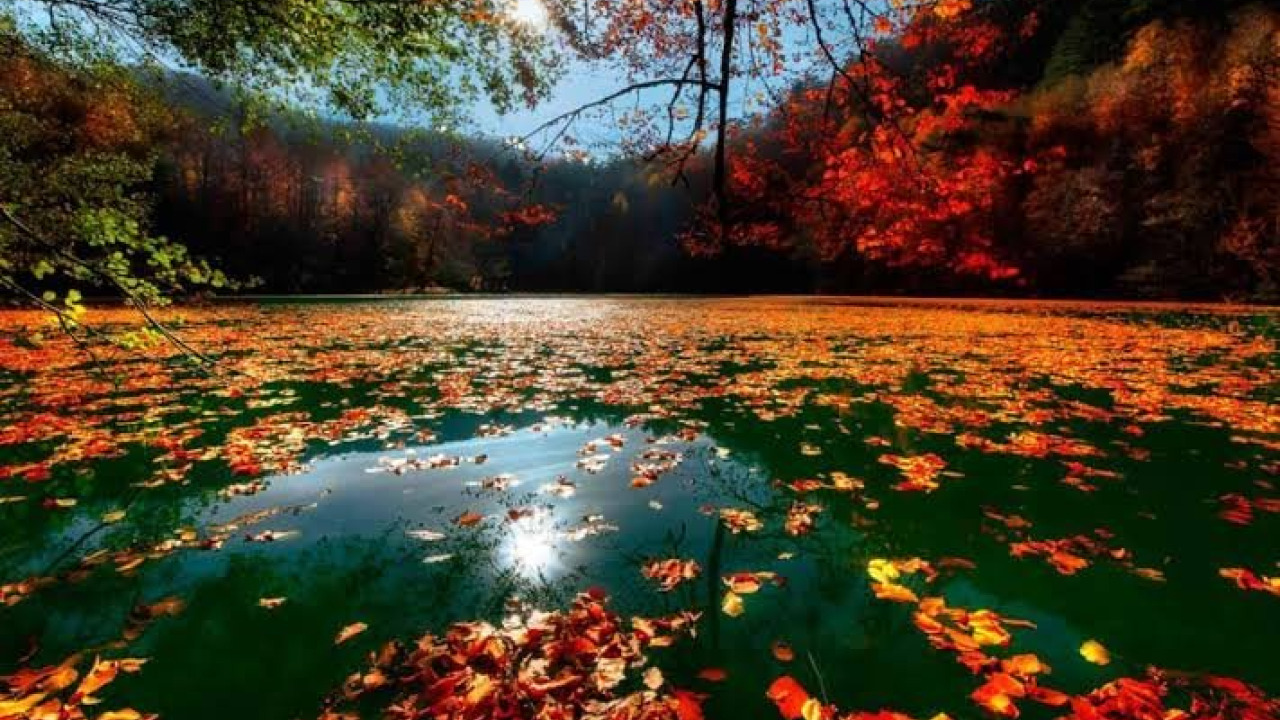

Yedigöller National Park, nestled approximately 42 kilometers north of Bolu city center, is a captivating forest area formed by seven distinct lakes. These lakes were created when landslides blocked the valley's path, and the park has been under protection since 1965. The mixed forests of beech, hornbeam, oak, and fir transform into a breathtaking spectrum of colors, from vibrant yellow to deep copper, for a short period each autumn. Entry to the park isn't via a traditional toll booth but through an HGS-based free-flow system; reserving a spot for camping is a separate process. This guide covers the flow of the seven lakes, travel routes from Bolu and Yığılca, tent camping rules, and the best times to witness the stunning autumn foliage, all under practical headings.
The Formation of the Seven Lakes and the Park's Brief History
The seven lakes here are all landslide-dammed lakes. Massive landslide debris descended into the valley floor, blocking the water at various elevations and creating a series of interconnected water bodies. These lakes aren't isolated; Sazlıgöl, İncegöl, and Nazlıgöl on the upper plateau, along with Deringöl, Büyükgöl, and Seringöl on the lower plateau, are linked like a chain through surface and underground flows, with the water continuing its journey towards Mengen after Seringöl. Consequently, water levels fluctuate together with the seasons; by late summer, the shallower upper lakes recede noticeably. The area was declared a national park on April 29, 1965, and has been protected from commercial logging. The beech and fir communities within the park boundaries have been preserved for a long time, resulting in significantly thicker tree trunks compared to surrounding production forests – a noticeable age difference you'll observe during your hike.
Quick Facts
| Topic | Information |
|---|---|
| Location | Bolu Province, approximately 42 km north of the city center |
| Status | National Park since 1965 |
| Key Highlights | Büyükgöl, Deringöl, Nazlıgöl, Seringöl |
| Camping | Tent camping at Deringöl and Nazlıgöl; caravan entry prohibited |
| Entry Fee | HGS-based free-flow system; no cash payment at a booth |
| Best Time to Visit | Mid-October - early November (autumn colors), June-September (hiking) |
| Transportation | Private vehicle via Bolu city center or Yığılca |
Must-See Spots in Yedigöller
Büyükgöl and the Entrance Area
The main flow of visitors to the park converges around Büyükgöl, where you'll find the primary parking area, information boards, and picnic spots. Wooden platforms along the lake's edge are perfectly positioned for photographing the reflection of the trees on the water – those magical shots taken before the morning mist dissipates are truly unique and won't be replicated later in the day. On weekends, when the parking lot fills up, vehicles line the roadside, making maneuvering difficult on your way out. Arriving early secures you both a good parking spot and the best light for photography.
Deringöl and Nazlıgöl Camping Areas
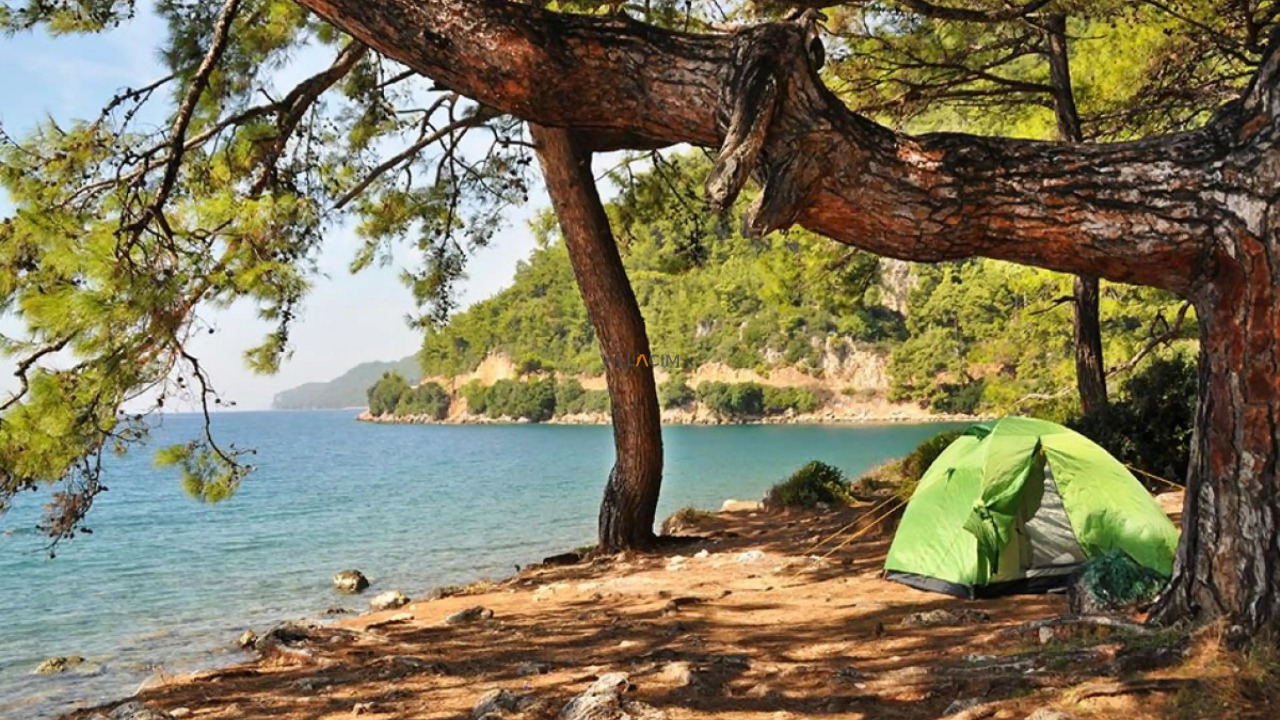
Within the park, two designated areas for tent camping are located around Deringöl and Nazlıgöl. Both are nestled within the forest, a short walk from the lakes, and offer limited basic facilities. A general order from the Bolu Governorship, dated February 20, 2025, prohibits caravan stays within the national park and restricts overnight stays to only the officially designated areas. Visitors are permitted to enter with passenger vehicles and tents. Due to limited capacity, it's essential to reserve your camping spot in advance, and during peak seasons, a minimum night stay may apply. Fire is a critical consideration: open fires, including barbecues and camp stoves, are strictly forbidden outside of designated areas, and even within camping zones, fire hours may vary. Nighttime temperatures drop rapidly from late September onwards, so be sure to bring a three-season sleeping bag and an insulated sleeping mat.
Seringöl, İncegöl, Küçükgöl, and Sazlıgöl
These four lakes are smaller, more secluded water bodies, accessible via short turn-offs from the main road, and they mark the ends of the lake chain. Seringöl, on the lower plateau, is the outflow point of the system and remains refreshingly cool even in mid-summer. İncegöl on the upper plateau is distinguished by its long, narrow shape, while Küçükgöl stands out with its mossy shoreline. Sazlıgöl, the highest lake in the chain, is a shallow body of water fringed with reeds, providing a sanctuary for water birds. April and May mornings are particularly fruitful for birdwatching here. Be aware that the trails can become muddy after rain.
Hiking Trails and Scenic Viewpoints
The marked trails between the lakes form an easy-to-navigate network spanning several kilometers, with most sections featuring gentle slopes. Scenic viewpoints higher up in the forest offer stunning elevated perspectives of the lakes peeking through the trees. For those who prefer to explore such forest and lake routes with a guide, you can compare programs from our nature adventure tours list. Be advised that some parts of the trails have no phone signal; make sure to save your map offline.
How to Get to Yedigöller National Park
- From Bolu city center, head north and follow the park signs. The final section of the approximately 42-kilometer route is a narrow, winding forest road.
- Visitors coming from the Düzce area can connect to the northern entrance via Yığılca. This route typically remains open longer during winter months.
- Those arriving by public transport should alight at Bolu bus terminal and then use a rental car or shuttle service, as there are no regular public transport routes directly into the park.
Road Conditions and Vehicle Choice
The final kilometers of both routes are characterized by unpaved forest roads. In dry weather, a passenger car will manage without issues, but after heavy rainfall, tire tracks can deepen significantly. During snowy periods, the road may close intermittently; checking conditions before you set off will save you a wasted trip.
Getting Around Inside the Park
The connecting road between the lakes is narrow, and passing oncoming vehicles can be challenging in some sections. For most visitors, it's more comfortable to leave your vehicle at the Büyükgöl parking lot and explore the other lakes on foot.
Camping Areas and Accommodation Options
Your choice of accommodation depends on whether you prefer to stay within the park or visit as a day-tripper from surrounding towns.
| Option | Key Feature | Best For |
|---|---|---|
| In-park tent sites | Walking distance to lakes, forest tranquility | Campers with their own gear |
| Bolu city center facilities | Access to restaurants, markets, and services | Day-trippers planning a visit |
| Yığılca area guesthouses | Proximity to northern entrance, local cuisine | Those seeking to avoid crowds |
| Abant and Gölcük surroundings | Opportunity to extend your route south | Visitors planning a 2-3 day trip |
Dining and Local Delicacies
Don't expect anything beyond basic kiosk services within the park itself; it's best to stock up on food and water in Bolu city center or Yığılca. The regional cuisine is renowned for its fresh trout, mantı (Turkish dumplings), and forest fruit jams.
Autumn Colors and Seasonal Planning
| Period | Advantage | Note |
|---|---|---|
| Spring (April-May) | High water levels, active birdlife | Trails can be muddy |
| Summer (June-September) | Cool forest air, long daylight hours | Parking fills up early on weekends |
| Autumn (Mid-October - Early November) | Peak week for vibrant foliage | Highest visitor density of the year |
| Winter (December-March) | Serenity and snowy forest scenery | Roads may close intermittently, chains required |
What Determines Your Visit Budget?
Since late 2023, the entry fee has been collected via an HGS-based free-flow system, meaning there's no cash booth, and the tariff varies by vehicle class. If your vehicle lacks an HGS tag or sufficient balance, the passage will be registered as a debt, which can escalate into an administrative fine if not settled promptly. Please note that the Müzekart (Museum Card), designed for museums and archaeological sites, is not valid for national park entry. An additional fee is charged for staying in the tent camping areas. The remainder of your budget will be determined by fuel, food and drink, and any other accommodation costs.
Essential Tips Before You Go
- Fill up your fuel tank in Bolu city center or Yığılca, as there are no gas stations around the park.
- Before setting off, ensure your vehicle has an HGS tag and sufficient balance; cash payments are not accepted for entry.
- If you plan to camp, reserve your spot in advance and confirm the current fire regulations with the park management.
- Carry your trash out with you in bags, as collection points along the lake shores are limited.
- Drone usage in protected areas requires a permit; inquire with park officials before flying.
- Visiting on a weekday makes a significant difference for parking availability and photographic lighting.
How Many Days Should You Allocate for Yedigöller?
For those who wish to simply see the lakes, one full day is sufficient; arriving early in the morning and departing in the afternoon allows you to cover all seven lakes and the shorter trails. Campers can extend their itinerary to two days, capturing both the mystical morning mist and the golden evening light during the same trip. Visitors looking to expand their route southward can create a three-day plan by adding Abant and Gölcük Nature Park. Alternatively, those using the northern Mengen exit can connect their journey to Safranbolu; for attractions in that direction, our Safranbolu travel guide offers a separate itinerary. Adding Bolu Museum, Yıldırım Bayezit Mosque, and Seben's rock houses can enrich your program with a cultural layer; for routes blended with these stops, explore our cultural tours and historic city tours.
Frequently Asked Questions 5
How much is the entrance fee for Yedigöller National Park?
Since late 2023, the entrance fee has been collected via an HGS-based free-flow system per vehicle; there is no cash booth. The amount varies by vehicle class; the current tariff can be confirmed through announcements from the Regional Directorate of Nature Conservation and National Parks.
When is the best time to visit the 7 Lakes?
For those seeking to witness the vibrant autumn foliage, mid-October to early November is the most rewarding period. June to September is ideal for hiking and camping. During winter months, roads may close intermittently.
What is the most important feature of Yedigöller National Park?
Its most significant feature is the collection of seven distinct lakes, formed by landslides blocking the valley, all nestled within the same forest, and the breathtaking sight of these lakes amidst the changing colors of the beech forest in autumn.
In which city is Yedigöller National Park located?
It is located in Bolu Province. It's approximately 42 kilometers north of the city center and can also be accessed from the north via Yığılca district in Düzce.
Is camping allowed in Yedigöller?
Tent camping is permitted at the Deringöl and Nazlıgöl camping areas. According to a general order from the Governorship, caravan stays are prohibited within the national park; visitors may enter with passenger vehicles.