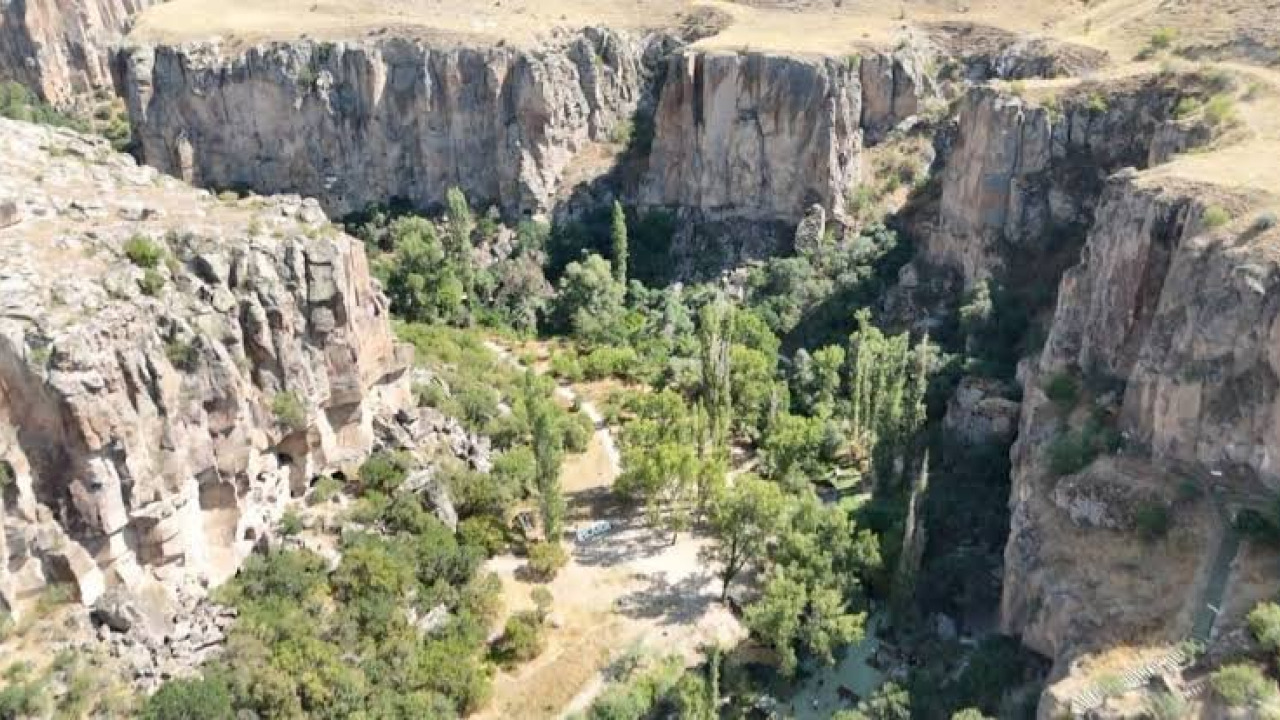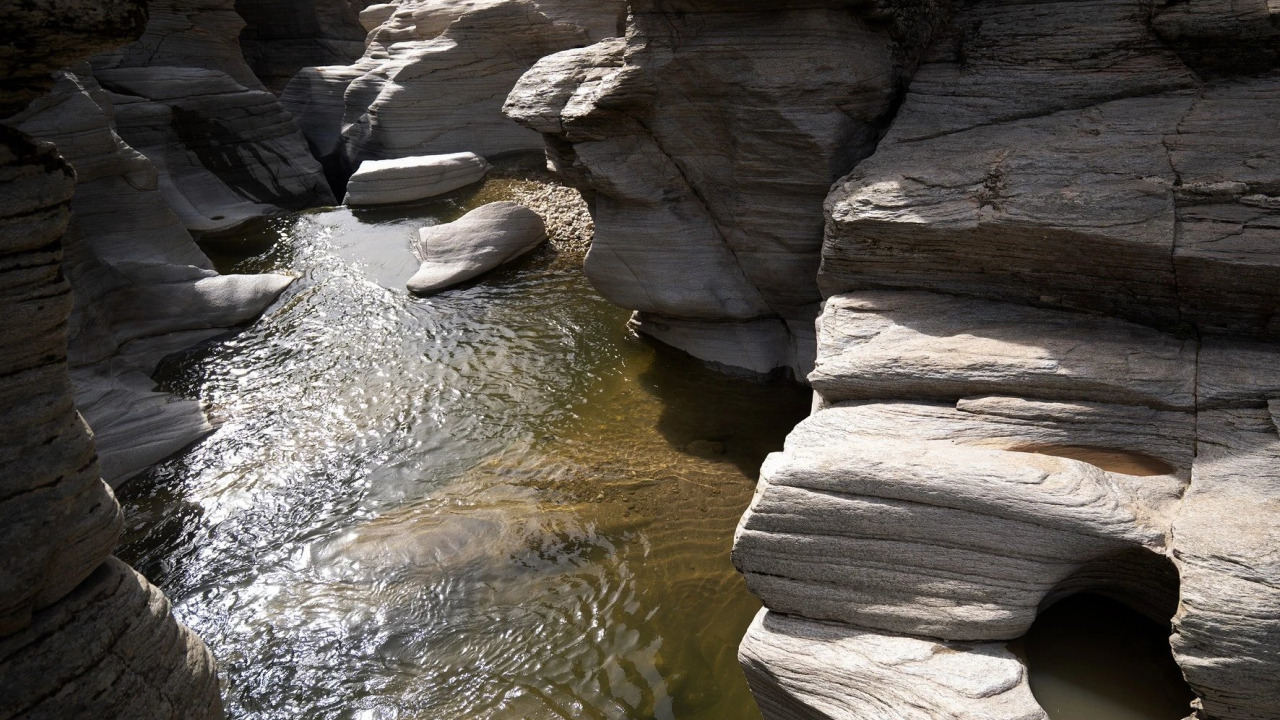
Perched on the slopes of an extinct volcano on the western shores of the Lake Van basin, Bitlis is one of Eastern Anatolia's best-kept secrets—a destination that consistently surprises those who venture there. At the heart of this region lies the Nemrut Crater Lake, located within the caldera of Mount Nemrut near Tatvan. It is the second-largest crater lake in the world.
A quick but essential note for travelers: please do not confuse this site with the famous Mount Nemrut in Adıyaman, known for its colossal stone statues. While the Adıyaman site is an archaeological marvel of the Commagene Kingdom, the Nemrut in Bitlis is a geological wonder—a volcanic crater lake and a sanctuary for nature lovers. They share a name, but they are entirely different experiences in different provinces.
At Travel Tour Shop, we operate on the ground in this region. We personally evaluate the condition of the crater roads, the logistics of the Ahlat route, and the ideal sequence for visiting the city's historic landmarks to ensure our guests receive a premium experience. Below, you will find a comprehensive overview of Bitlis, followed by a detailed guide to the Nemrut Crater Lake and the city's must-visit spots.
Quick Facts
| Category | Details |
|---|---|
| Province | Bitlis (Eastern Anatolia, Lake Van Basin) |
| Best Time to Visit | June - September (when the crater road is open) |
| Recommended Duration | 2 - 3 Days |
| Top Highlights | Nemrut Crater Lake, Bitlis Castle, Ihlasiye Madrasa, Ahlat Seljuk Cemetery |
| Access | Muş (MSR) or Van (VAN) Airport + road transfer via Tatvan |
Nemrut Crater Lake: The Sleeping Giant of Tatvan
The crown jewel of any Bitlis itinerary is the caldera of Mount Nemrut, located approximately 25 kilometers from the district of Tatvan. Sitting at an altitude of roughly 2,250 meters, this vast crater was formed by volcanic eruptions thousands of years ago, eventually transforming into a massive basin that holds several lakes. Nemrut Crater Lake is recognized as the largest crater lake in Turkey and the second-largest in the world, spanning an area of nearly 10 kilometers.
As mentioned, this is distinct from the Mount Nemrut in Adıyaman. While the latter is an archaeological summit, the Nemrut in Bitlis is a geological phenomenon. To ensure your trip goes smoothly, simply double-check that your destination is Bitlis.
The Hot Lake and the Cold Lake
The most striking feature of the caldera is the coexistence of two contrasting lakes side-by-side. On one side lies the expansive Cold Lake, filled with icy, fresh water. Right next to it is the Hot Lake (Ilıca Lake), a greenish, sulfurous body of water fed by underground geothermal springs. Seeing these two extremes just meters apart creates one of the most unique natural landscapes in the world. With steam vents, endemic flora, and sweeping highland plateaus, the area is a paradise for nature photographers.
The interior of the caldera resembles a massive natural amphitheater, with surrounding peaks acting as high walls. Depending on the season, smaller ponds may also appear. The early morning mist clinging to the water and the first light of dawn hitting the peaks provide the most photogenic moments. As you hike, the warmth emanating from certain patches of soil serves as a vivid reminder of the region's volcanic past.
How Was Nemrut Crater Lake Formed?
Nemrut is a caldera structure formed when the summit of the once-active Mount Nemrut collapsed following a series of massive eruptions. Once the volcanic activity ceased, this vast depression filled with rainwater and groundwater, creating the lake system we see today. The ongoing geothermal activity explains the warm, mineral-rich nature of the Hot Lake. This volcanic heritage makes Bitlis a destination of immense geological interest. For those drawn to hiking and outdoor exploration, we invite you to browse our nature and adventure tours category.
Can You Reach Nemrut Crater Lake by Car?
The short answer is: yes, provided it is the right season. There is a road leading into the crater, and it typically takes 45 to 60 minutes to reach from Bitlis city center or Tatvan. While parts of the road are paved, other sections can be rocky and narrow, making high-clearance vehicles (SUVs) much more suitable. In our guided programs, we use 4x4 mountain vehicles to descend into the crater, allow for walks around the lakes, and visit the Nemrut Caldera Observation Hill for panoramic views.
Seasonality is the critical factor here. Due to the high altitude, the road is often blocked by heavy snowfall from late autumn through spring. Therefore, the summer months are the only time for easy vehicle access. If you are planning a winter visit, we strongly recommend confirming the road status in advance.
Historic Sites to Visit in Bitlis
Beyond its volcanic wonders, Bitlis is renowned for its historic atmosphere, with the city built along the slopes of a narrow valley. Key stops in the city center include:
Bitlis Castle
Rising above the city on steep cliffs, Bitlis Castle served as the primary defensive point for the valley. Legend has it that the castle was built by Badlis, one of Alexander the Great's commanders, who also gave the city its name. From the ramparts, you can enjoy a panoramic view of the historic bazaars, minarets, and the iconic black stone houses scattered across the valley.
Ihlasiye Madrasa, Ulu Mosque, and Şerefiye Complex
The Ihlasiye Madrasa is a cornerstone of Bitlis's cultural identity, featuring exquisite stonework and minarets that define the city's skyline. The Bitlis Ulu Mosque is one of the region's most venerable places of worship, while the Şerefiye Complex—comprising a mosque and madrasa—is another essential stop. These sites are located close to one another, making them perfect for a walking cultural tour.
El Aman Inn
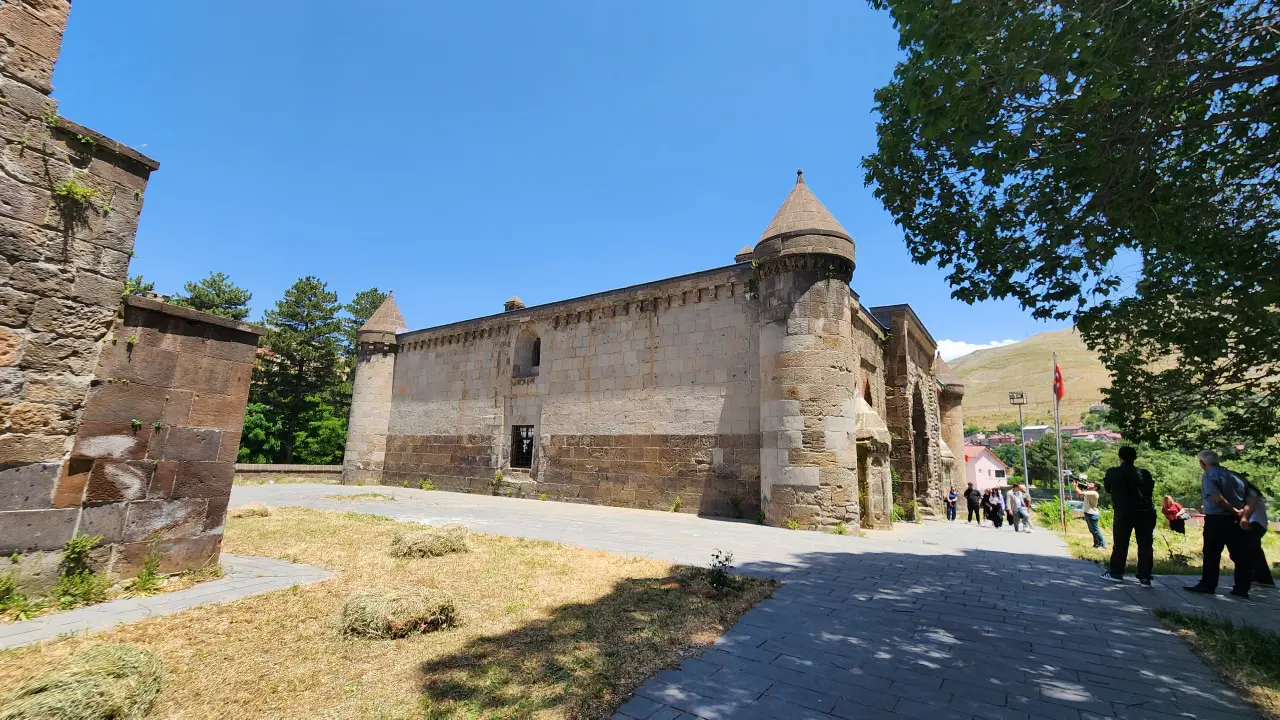
Among the historic caravanserais surrounding the city, El Aman Inn stands out. Once a vital resting point on ancient trade routes, its thick stone walls and courtyard architecture perfectly reflect the inn design of the era.
The Black Basalt Stone Houses
As you enter Bitlis, you will be greeted by historic houses built from local black basalt stone, tiered along the valley slopes. These structures were carefully placed so as not to block each other's views, creating a unique architectural identity for the city. You can find travel options covering these historic and cultural gems in our culture tours category.
Ahlat Seljuk Cemetery and the Kümbet Tombs
Located on the northwestern shore of Lake Van, the district of Ahlat is a monumental site for Turkic-Islamic history. The Ahlat Seljuk Cemetery, which is on the UNESCO World Heritage Tentative List, is one of the largest ancient Turkic-Islamic burial grounds in existence. The historic gravestones are masterpieces of stone art, featuring intricate Seljuk geometric motifs, reliefs, and Kufic inscriptions.
Near the cemetery, the Emir Bayındır Tomb and the Double Tombs (Çifte Kümbetler) are elegant examples of monumental funerary architecture. The Ahlat Museum is an excellent starting point for those wishing to understand the region's history. When visited with a guide who can decode the symbols on the stones, this stop becomes a deeply layered cultural experience.
Bitlis and Surrounding Routes on the Shores of Lake Van
Bitlis is rarely visited in isolation; it is usually part of a broader Lake Van basin itinerary. Tatvan, situated on the western shore, serves as the primary gateway to Nemrut Crater Lake. From here, routes extending toward Ahlat, Van, and Muş can be combined into a comprehensive program. This route offers a stunning blend of lakeside vistas, volcanic peaks, and ancient ruins.
For those planning to combine Bitlis with Van, we recommend exploring the options in our Van culture tours category. This combined approach allows you to see the highlights of both provinces in one trip. The serene, wide-open landscapes of the Van shoreline provide a striking contrast to the rugged, mountainous, and historic texture of Bitlis, adding rich variety to your journey.
The Flavors of Bitlis: Büryan Kebab and Local Delicacies
The cuisine of Bitlis is heavily influenced by the livestock culture of its high-altitude plateaus, resulting in a meat-centric gastronomic tradition. The standout dish is the registered Bitlis Büryan Kebab. This dish is prepared by slow-cooking lamb in stone pits dug several meters underground, using the embers of a wood fire. The meat cooks in its own steam and is traditionally served on hot lavaş bread in the early hours of the morning.
Another local favorite is katıklı dolma, where dried pumpkins are stuffed with a spiced mixture of minced meat and bulgur, then topped with garlic yogurt. The region is also famous for Ahlat walnuts, known for their high oil content, and local honeys harvested from the crater highlands. Adding a traditional meal to your itinerary is the perfect way to complete your Bitlis experience.
When and How to Visit Bitlis?
When to go? Due to the high altitude, the road to the Nemrut crater is closed by snow during winter and late autumn. The ideal window for descending into the crater, walking by the lakes, and exploring the Ahlat cemetery is between June and September. During these months, the skies are clear and the roads are accessible. Early autumn can be visually stunning for photographers due to the changing colors, but it is wise to verify road conditions first.
How to get there? The nearest airports are Muş Sultan Alparslan Airport (MSR) and Van Ferit Melen Airport (VAN). From the airport, you can reach Tatvan by road; Tatvan is the central hub for both the Nemrut Crater Lake and the Ahlat route. If you aren't traveling in your own vehicle, our guided programs organize airport pickups and crater transfers, ensuring comfort on the high-altitude, narrow roads.
How much time to allocate? Two days are generally sufficient for Nemrut Crater Lake and Bitlis city center. However, if you plan to include Ahlat, the Van shoreline, and other surrounding stops, a program of three days or more will allow for a more relaxed pace. We recommend scheduling the crater visit for the early morning to take advantage of the cooler air and the best light, leaving the afternoons for the historic sites in the city center.
Frequently Asked Questions 6
What is the difference between Nemrut Crater Lake in Bitlis and Mount Nemrut in Adıyaman?
They only share a name. The Nemrut in Bitlis is a nature site featuring a system of lakes within an extinct volcano's crater near Tatvan. Mount Nemrut in Adıyaman is an archaeological summit famous for the giant stone statues of the Commagene kings. They are two entirely different destinations in different provinces; this guide focuses on the crater lake in Bitlis.
Where is Nemrut Crater Lake and how was it formed?
The lake is located in the caldera of Mount Nemrut in the Tatvan district of Bitlis, at an altitude of approximately 2,250 meters. It was formed when the summit of the volcano collapsed after ancient eruptions, creating a wide basin that eventually filled with rainwater and groundwater. It is the largest crater lake in Turkey and the second-largest in the world.
Can I reach Nemrut Crater Lake by car?
Yes, during the appropriate season. It is about a 45-minute to 1-hour drive from Bitlis center or Tatvan. Since parts of the road are narrow and rocky, high-clearance vehicles are recommended. It is advised to check road conditions before visiting in winter, as snow often closes the route.
Is it possible to swim in Nemrut Crater Lake?
The large Cold Lake in the caldera contains fresh, cool water and is a popular spot to cool off during the summer. The smaller Hot Lake is fed by geothermal springs, making it mineral-rich, sulfurous, and warm. If entering the Hot Lake, it is recommended to protect your eyes due to the soda-like composition of the water.
What else is there to see in Bitlis besides Nemrut Crater Lake?
In the city center, the highlights include Bitlis Castle, Ihlasiye Madrasa, Bitlis Ulu Mosque, Şerefiye Complex, and the black basalt stone houses. Around the city, you can visit El Aman Inn, and in the Ahlat district, the Seljuk Square Cemetery, the Double Tombs, the Emir Bayındır Tomb, and the Ahlat Museum.
When is the best time to visit Bitlis and how do I get there?
The ideal period is June to September when the crater road is open. For transport, use Muş (MSR) or Van (VAN) airports, then travel by road to Tatvan. Tatvan serves as the primary jumping-off point for both Nemrut Crater Lake and the Ahlat route.