
Horma Canyon, located within the Küre Mountains National Park in the Pınarbaşı district of Kastamonu, is a renowned valley famous for its wooden platform fixed to the rock face. This guide isn't just about the canyon itself; it focuses on a key question: "Where should you go in Kastamonu after visiting Horma?" In recent years, new glass and wooden observation terraces opened in various districts of the province, connecting seemingly independent stops into a cohesive route. Below, you'll find details on these terraces, the cultural highlights of the city center, and a three-day plan that brings them all together.
How the Glass Terrace Route Differs from a Classic Canyon Trip
Most visitors to Kastamonu spend their day hiking along the canyon floor and return to the city center in the evening. A glass terrace-focused itinerary, however, flips this perspective: you observe the valley from above, rather than from within. While walking the floor lets you feel the water, rock formations, and microclimate, viewing from the terrace truly reveals the canyon's depth and the sheer scale of the forest canopy. By structuring your route with this dual approach, it becomes easy to combine Pınarbaşı and Azdavay into a single corridor, turning Kastamonu city center into a convenient cultural stop along the way. For those looking to compare hiking-intensive programs around the Küre Mountains, explore our nature and adventure tours options.
Quick Facts
| Topic | Information |
|---|---|
| Location | Kastamonu, Pınarbaşı district (Küre Mountains National Park) |
| Route backbone | Horma Canyon, Çatak Canyon glass terrace, Kerte Observation Terrace, Kastamonu city center |
| Horma trail | Approximately 3 kilometers, linear wooden platform |
| Trail end | Ilıca Şelalesi and its surrounding viewing area |
| Main access | From Kastamonu city center via Daday-Azdavay road to Pınarbaşı (approx. 95 km, 1.5 hours) |
| Terrace distances | Çatak glass terrace is 7 km from Azdavay, 22 km from Pınarbaşı |
| Admission | Canyon areas are subject to a fee; Museum Card is not valid here. Please confirm current rates before your visit. |
| Best time to visit | May-October; autumn brings out vibrant forest colors |
Observation Terraces and Canyon Stops in the Küre Mountains
Horma Canyon Wooden Walkway
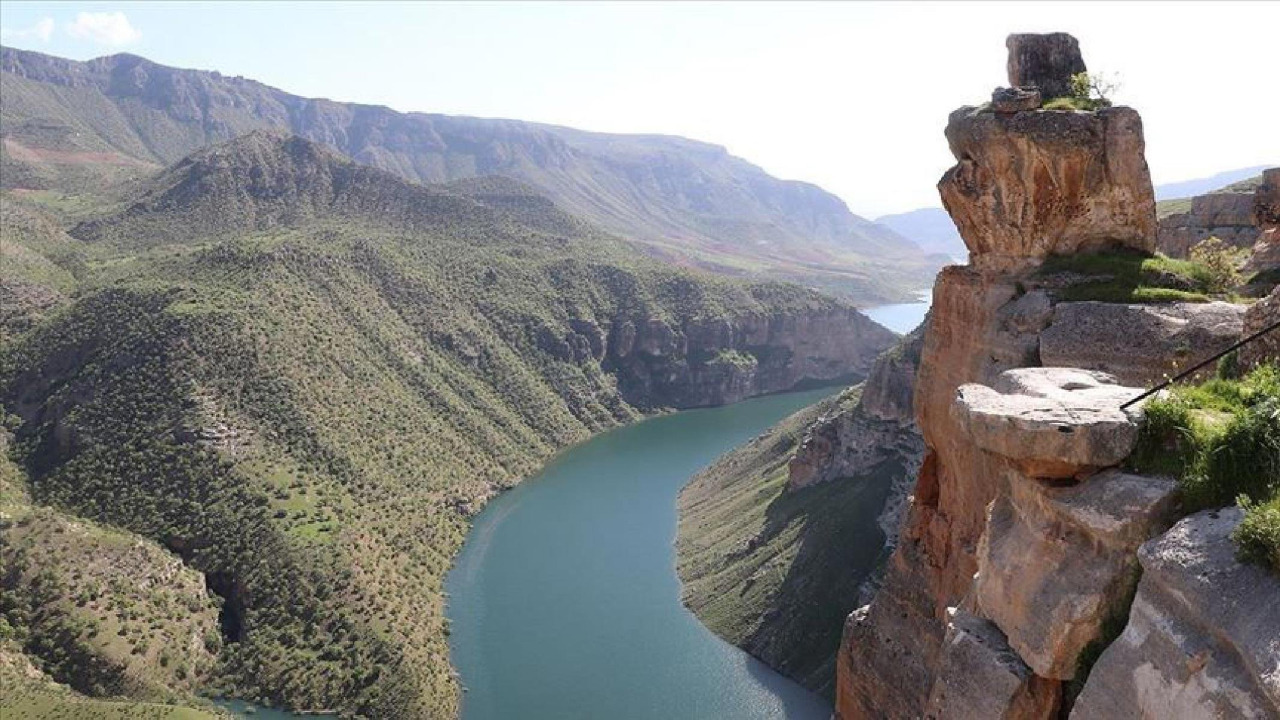
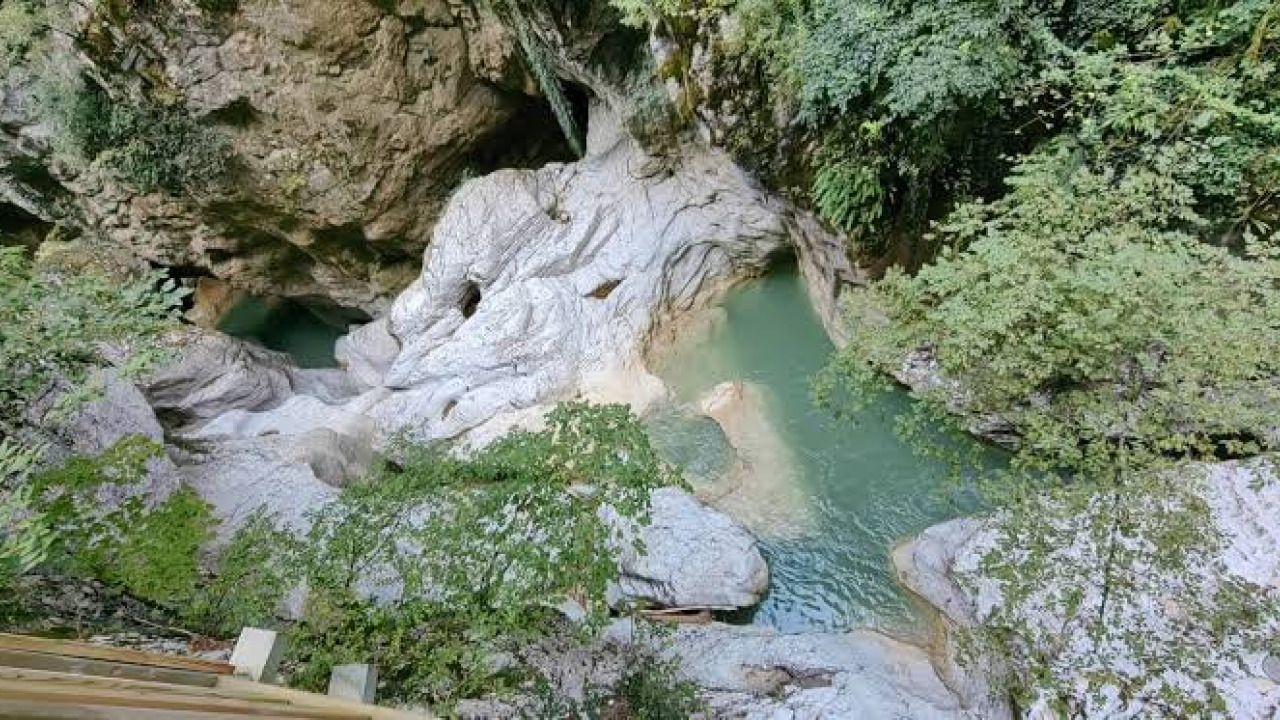
Formed by the Zarı Stream eroding limestone rocks, Horma Canyon was for many years a valley accessible only to well-equipped adventurers. The approximately 3-kilometer wooden platform, fixed to the rock wall, opened this natural wonder to day-trippers. The trail is linear, starting from the entrance and culminating at Ilıca Şelalesi, which cascades down about 15 meters. Throughout your walk, you'll observe the natural pools and small waterfalls created by the stream flowing beneath you. Since the path is linear, plan your return: if you left your car at the entrance parking lot, local taxis and minibuses waiting at the exit can take you back to the start. Practical tip: The platform can be damp, so non-slip shoes will make your walk easier; morning hours are both cooler and quieter.
Azdavay Çatak Canyon Glass Terrace
The second leg of the route is Çatak Canyon in the Azdavay district. Perched on the eastern slope of the valley, the glass-bottomed observation terrace extends approximately 33 meters on a steel structure, with its final 15 meters suspended directly over the canyon void. A surrounding wooden platform allows those wary of heights to still enjoy the breathtaking views. Practical tip: The glass surface can fog up in wet weather; a clear, windless day is ideal for photography. Since Azdavay is located on the Daday route from the city center to Pınarbaşı, it doesn't require a separate day trip.
Valla Canyon Kerte Observation Terrace
The third leg of the route is also within the borders of Pınarbaşı. The Kerte Observation Terrace, near Kerte village, is not glass but a three-story steel observation tower accessed by a spiral staircase. It offers a bird's-eye view of Valla Canyon, which stretches approximately 12 kilometers with walls reaching up to 1200 meters in places. As entering the valley without permission and proper equipment is risky, this terrace provides a safe way to experience its grandeur. Bring a light windbreaker when ascending the terrace; the air at higher altitudes is cooler than in the city center.
Half-Day Cultural Circuit in Kastamonu City Center
Kastamonu Castle and Clock Tower
Perched on a hill overlooking the city, Kastamonu Castle's foundations are believed to date back to the Byzantine era, with subsequent repairs during the Seljuk and Candaroğulları periods. From the castle, you can admire the city's sprawling layout across the valley and the surrounding forested ridges. The nearby Clock Tower was built at the end of the 19th century during the time of Governor Abdurrahman Nureddin Pasha. Visiting both points takes about an hour; comfortable shoes are recommended due to the uphill climb.
Nasrullah Square and Surrounding Structures
The traditional heart of the city is Nasrullah Square. The Nasrullah Mosque, which gives the square its name, is believed to have been built by Kadı Nasrullah in the early 16th century; its row of ablution fountains has become an iconic symbol of the square. The surrounding historical bazaar, caravanserais (hans), and wooden mansions reflect Kastamonu's identity as a "city of mansions." This circuit can also include the İsmail Bey Külliyesi, a complex from the Candaroğulları period, and the Yakup Ağa Külliyesi, which exemplifies the 16th-century Ottoman külliye tradition. Those who prefer to explore such multi-layered urban fabrics with a guide can choose from our cultural tours.
Museums and Traces of the Republican Era
The Kastamonu Archaeology Museum brings together findings from the region's ancient Paphlagonian past. The Liva Paşa Mansion Ethnography Museum, on the other hand, showcases 19th-century mansion architecture and local living culture under one roof. The former government mansion, bearing traces of the First National Architectural Movement, is now a cultural center named after its architect, Vedat Tek, and can be included in your city center walk. The Şeyh Şaban-ı Veli Külliyesi is a distinct stop for those interested in the city's Sufi tradition.
Districts and Local Stops to Extend Your Route
For those wishing to add more days to their itinerary, the province offers three directions. To the north, Gideros Koyu, part of Cide, is one of the tranquil spots on the Black Sea coast, resembling a natural harbor tucked between two headlands. To the south, Ilgaz Dağı National Park is favored for skiing in winter and cool forest walks in summer. To the east, Taşköprü is known for its geographically indicated garlic; nearby excavations at the ancient city of Pompeiopolis shed light on the Paphlagonian period.
Along the way, the culinary delights are also part of the route: çekme helva (pulled halva), İhsangazi's emmer wheat bulgur, Tosya rice, and local pastırma (cured beef) are well-known names in Kastamonu cuisine. Those interested in travel concepts centered around local production can explore our gastronomy and event tours. For a more extensive list of attractions throughout the province, our Kastamonu places to visit guide will lead the way.
Three-Day Glass Terrace Itinerary
- Day One: Arrive in Kastamonu city center, visit the castle and Clock Tower, stroll through the bazaar around Nasrullah Square, and explore the mansion museums. Overnight in the city center.
- Day Two: Head out early on the Daday-Azdavay road, take a break at the Çatak Canyon glass terrace, then proceed to Pınarbaşı in the afternoon to walk the Horma Canyon wooden walkway and relax at Ilıca Şelalesi.
- Day Three: Depending on your preference, head north to the Cide-Gideros coastline or south to Ilgaz Dağı; on your return journey, stop by Taşköprü for some local product shopping.
Seasonal and Timing Table
| Period | Advantage | Note |
|---|---|---|
| Spring (May) | High water flow, forest comes alive | Mornings are cool, light layers needed |
| Summer (June-August) | Cool inside the canyon, long days | Terraces get busier on weekends |
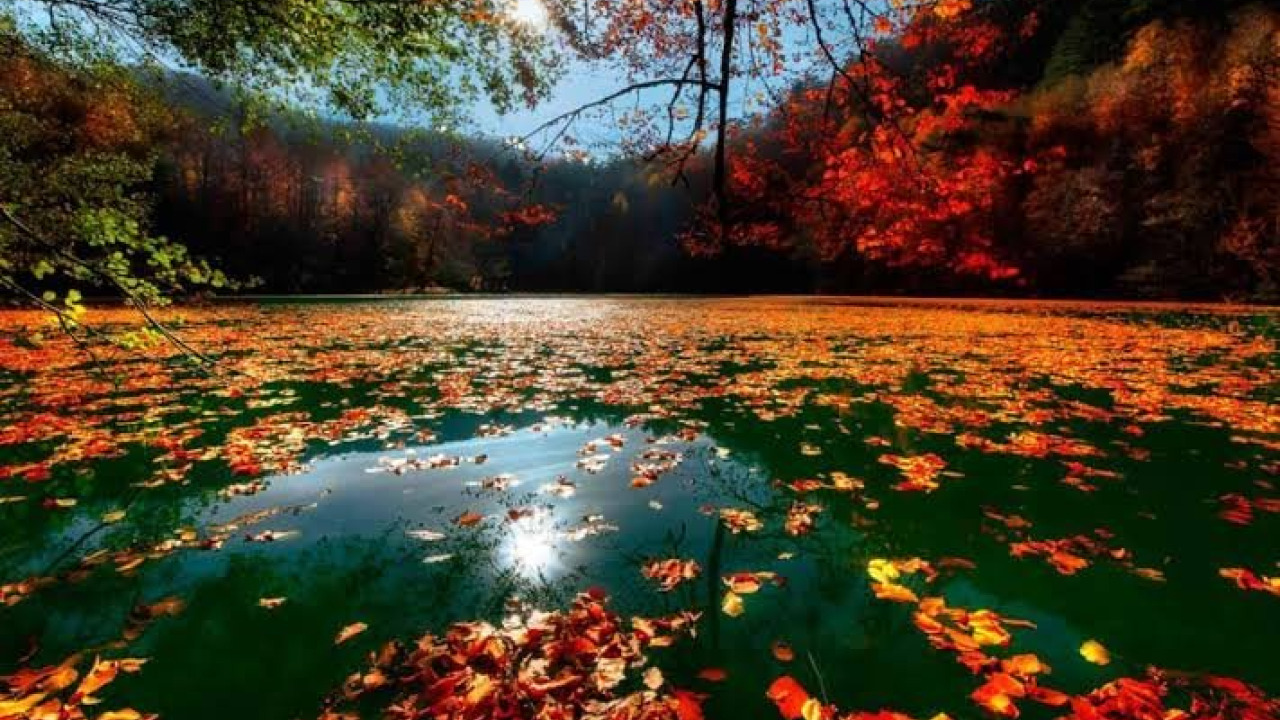
| Autumn (September-October) | Forest colors become vibrant, crowds thin out | Wooden platforms can be slippery after rain |
| Winter (November-April) | Snow activities around Ilgaz | Canyon trails are not suitable due to ice |
Pre-Trip Checklist
- Pack non-slip hiking shoes and a light windbreaker; there's a noticeable temperature difference between the valley floor and the terraces.
- Mark your route on a map beforehand, as there might be areas in the region with no cell phone reception.
- Refuel and stock up on drinking water in district centers; facilities at canyon entrances are limited.
- Aim for morning or late afternoon light for photography, as reflections on glass surfaces increase midday.
- Plan your return times in advance; public transport services on rural routes become less frequent in the evening.
How Many Days to Allocate and Where to Start?
A canyon and terrace-focused program can fit into a full day; with the city center cultural circuit, it extends to two days, and with a coastal or mountain extension, to three days. Kastamonu city center is a practical starting point: accommodations are concentrated here, and the Daday-Azdavay axis connects directly to the canyons. Those who wish to prioritize museums and the urban fabric can balance their route with our historical city tours itineraries.
Frequently Asked Questions 5
Is there a glass terrace in Horma Canyon?
Horma Canyon's own walkway is not glass, but a wooden platform fixed to the rock wall. The glass-bottomed observation terrace is located in Çatak Canyon in the Azdavay district; the Kerte Observation Terrace in Pınarbaşı is a wooden and steel structure. Since these stops are close to each other, they can be planned for the same day.
What are the top 10 places to visit in Kastamonu?
Prominent stops include Horma Canyon, Azdavay Çatak Canyon glass terrace, Ilıca Şelalesi, Kastamonu Castle, Clock Tower, Nasrullah Mosque, İsmail Bey Külliyesi, Liva Paşa Mansion Ethnography Museum, Gideros Koyu, and Ilgaz Dağı National Park.
What is Kastamonu famous for?
The province is known for its çekme helva (pulled halva), Taşköprü garlic, emmer wheat bulgur, Tosya rice, and local pastırma (cured beef). On the nature side, the Küre Mountains canyons and observation terraces stand out, while culturally, its wooden mansions and külliyes (Ottoman-era complexes) are prominent.
Which district of Kastamonu stands out on a travel route?
This depends on the scenery you're looking for: Pınarbaşı and Azdavay for nature and canyons, Cide for coastal views, Ilgaz for winter sports, and Taşköprü for local products and archaeology.
What comes to mind when thinking of Kastamonu?
Generally, the deep canyons of the Küre Mountains, wooden and glass observation terraces, Ottoman-era mansion architecture, and the story of Şerife Bacı, which commemorates the İstiklal Yolu (Independence Road), come to mind.