For those seeking an authentic journey into the heart of Eastern Anatolia, Muş offers a captivating blend of ancient history, sweeping plains, and rare natural wonders. As one of the region's most storied provinces, Muş stands as a testament to millennia of civilization, from the Urartians and Seljuks to the Ottomans and the modern Republic. Most notably, it is the site of the 1071 Battle of Malazgirt, one of the most pivotal turning points in world history.
The city is a living museum where the vast Muş Ovası—famous for its endemic Muş tulips and the endangered Great Bustard—meets a landscape dotted with ancient fortresses, mounds, mosques, and bridges. Whether you are drawn by cultural exploration, spiritual heritage, or the raw beauty of the wild, Muş is a destination waiting to be rediscovered.
At Travel Tour Shop, we specialize in crafting seamless Eastern Anatolia itineraries. We know that the landmarks in Muş can seem scattered, but with the right planning, you can experience the city's historical core and its breathtaking natural outskirts without the stress. Below, we provide a comprehensive guide to the best of Muş, starting with the essentials.
Quick Facts
| Category | Details |
|---|---|
| Province | Muş (Eastern Anatolia Region) |
| Best Time to Visit | Spring (for the Muş tulips) and Summer; early Autumn |
| Recommended Duration | 2 to 3 days |
| Highlights | Malazgirt, Muş Castle, Kayalıdere Archaeological Site, Muş Ovası, Muş tulip, Great Bustard |
| Transportation | Muş Airport (domestic) + road access via the Bitlis-Tatvan-Van route |
The History of Muş: Tracing Millennia of Civilization
The story of Muş begins in prehistoric times, with evidence of settlement dating back to the Chalcolithic Age. This fertile land has been coveted by many; the Hurrians, Urartians, Persians, Romans, Byzantines, Seljuks, and Ottomans have all left their indelible mark on the region.
From ancient mounds and cliff tombs to imposing fortresses, the archaeological wealth of Muş proves it was once a vital hub for the Near East. The Urartian ruins, in particular, offer a fascinating glimpse into the sophisticated engineering and culture of one of Anatolia's earliest great powers.
The Victory of Malazgirt: The Gateway to Anatolia
Muş holds a place of global historical significance due to the Battle of Malazgirt on August 26, 1071. Here, the Great Seljuk Sultan Alp Arslan defeated the Byzantine Emperor Romanos Diogenes, an event widely regarded as the opening of the gates of Anatolia to the Turkish people.
Today, the district of Malazgirt attracts thousands of visitors annually who come to see the battlefields, monuments, and historical structures. More than just a district, Malazgirt is a sacred geography representing a defining moment in the identity of the region.
Historical Landmarks to Visit in Muş
The historical fabric of Muş is woven around its castles, mounds, and ancient ruins. By following a route from the central fortress to the sites in Varto and Malazgirt, you can witness the succession of empires in a single trip. To explore our curated history-focused itineraries, feel free to browse our cultural tours category.
Muş Castle
The iconic symbol of the city, Muş Castle has served as a strategic defense point for various civilizations over the centuries. Perched high above the city, the castle rewards visitors with a breathtaking panoramic view of the vast Muş Ovası.
Kayalıdere Archaeological Site
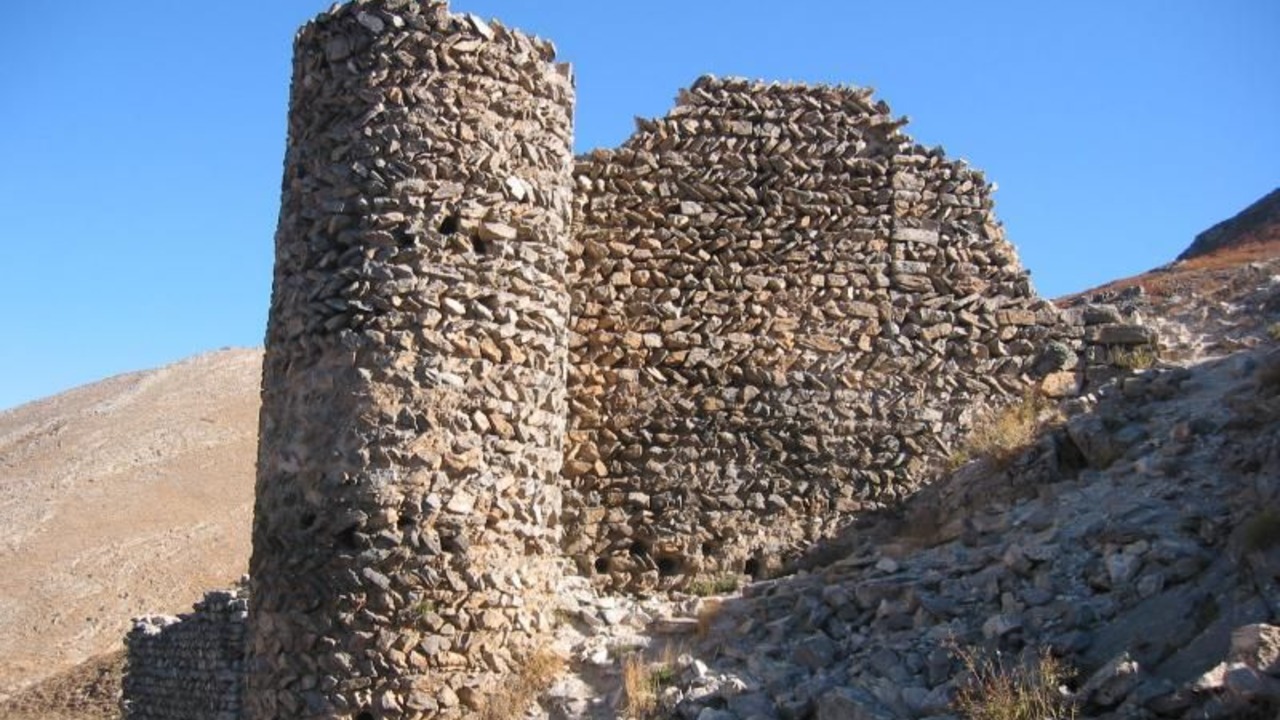
Located in the Varto district, Kayalıdere was one of the most significant settlements of the Urartian civilization. Excavations have revealed temples, a fortress, wine cellars, and rock tombs. Many of the most precious artifacts found here are now displayed at the Museum of Anatolian Civilizations in Ankara.
Mercimekkale Mound
Situated on the Muş-Varto road, Mercimekkale is known as much for its archaeology as for its local legend. Folklore tells of a great drought where only the lentils of Sekavi Bey grew; when he refused to help a wandering dervish, the lentils were said to have turned to stone. This legend gives the "Lentil Castle" (Mercimekkale) its name.
Malazgirt Castle
Having hosted both Byzantine and Seljuk armies, Malazgirt Castle remains one of the district's most imposing structures. With its restored walls and bastions, it continues to stand as a proud reminder of the region's military past.
Faith and Cultural Heritage
For centuries, Muş has been a center of learning and spirituality. The city center's Ulu Cami, Alaaddin Bey Mosque, and Hacı Şeref Mosque are exquisite examples of Seljuk and Ottoman architectural styles.
In the Bulanık district, the Mollakent and Esenlik Mosques stand out for their unique construction using Ahlat stone. Furthermore, the Mollakent, Alaaddin Bey, and Muratpaşa madrasas were once prestigious institutions where scholars studied Hadith, Tafsir, logic, and Islamic law.
A Legacy of Multiculturalism
Muş has historically been a melting pot of different faiths and cultures. The Virgin Mary Church in the center, the ruins of the Surp Garabet Monastery (Çanlı Church)—once a major Armenian monastic center—and the church remains in Kırköy, Kırkayak, and Kızılağaç all testify to the city's diverse and inclusive past.
Bridges and Historic Inns
The Murat Bridge, a Seljuk-era masterpiece, is one of Muş's most striking landmarks, stretching 143 meters across the river with 12 elegant arches. In the city center, the Yıldızlı Han and Aslanlı Han once served as vital caravanserais for traders traveling along the Silk Road. For a touch of Ottoman luxury, the Alaaddin Bey Bathhouse remains a historic structure still in use today.
The Natural Wonders of Muş
The natural beauty of Muş provides a serene balance to its intense historical narrative. From wide-open plains to rare wildlife, the landscape is a photographer's dream. You can find our nature-centric itineraries in the nature and adventure tours category.
Muş Ovası (The Muş Plain)
One of Turkey's largest plains, Muş Ovası is renowned for its fertile soil and rich biodiversity, serving as the agricultural heart of the region.
The Muş Tulip
Every spring, the endemic Muş tulip blooms, painting the entire plain in vibrant shades of red. This breathtaking natural spectacle attracts nature lovers and photographers from all over the world.
The Great Bustard (Toy Kuşu)
The Muş Plain is one of the most critical habitats in Turkey for the Great Bustard, a bird species that is globally endangered. A significant portion of the national population resides here. Protected due to habitat loss and poaching, this majestic bird is a proud symbol of Muş's natural heritage.
When and How to Visit Muş?
The ideal time to visit Muş is during the spring and summer months, when the weather is mild and the landscapes are lush. Spring is particularly magical for those wanting to see the Muş tulips in bloom. Summer is perfect for exploring the castles and archaeological sites, while late August is the peak time for those wishing to attend the Malazgirt anniversary commemorations. Be mindful that winters in Eastern Anatolia are harsh, and travel can be affected by heavy snowfall.
Muş is easily accessible via Muş Airport for domestic flights. For those traveling by road, the city is well-connected through the Bitlis, Tatvan, and Van corridor. Because of this, Muş is often integrated into a larger Eastern Anatolia circuit. A 2 to 3-day visit is usually sufficient to cover the city center, Malazgirt, Varto, and Bulanık. You can compare various regional packages in our tour options.
Most travelers pair Muş with neighboring provinces. For instance, combining a visit to Muş with the Nemrut Crater Lake near Tatvan, the Seljuk Cemetery in Ahlat, and the shores of Lake Van creates a comprehensive 4 to 5-day itinerary. For first-time visitors, Muş acts as the perfect balancing point between deep history and raw nature.
Pro Tip: Plan your archaeological and castle visits for the bright midday hours, and save the mosques, inns, and bridges for the softer light of the morning or evening. Photographers should head to the plains at dawn during the spring for the most vivid tulip shots. If you plan to visit during the August commemorations in Malazgirt, we strongly recommend booking your accommodation well in advance.
Why Visit Muş?
From its ancient fortresses and Urartian ruins to its serene mosques, historic bridges, and the stunning Muş Ovası, Muş offers a diverse experience for every type of traveler.
Whether you are a history buff, a nature enthusiast, a wildlife photographer, or a spiritual seeker, Muş is one of Anatolia's best-kept secrets. This ancient city, which still carries the spirit of the Malazgirt victory, leaves a lasting impression through its culture, its landscapes, and the legendary hospitality of its people. For anyone wanting to touch the roots of ancient civilizations and discover untouched natural beauty, Muş is an absolute must-visit.
Frequently Asked Questions 6
What are the best places to visit in Muş?
The top highlights include Muş Castle, the district and castle of Malazgirt, the Kayalıdere Archaeological Site in Varto, Mercimekkale Mound, the Ulu Cami and Alaaddin Bey Mosque in the city center, the Murat Bridge, and the Muş Ovası with its endemic tulips.
What is Muş famous for?
Muş is best known for being the site of the 1071 Battle of Malazgirt, its vast fertile plains (Muş Ovası), the stunning red Muş tulips that bloom in spring, and as a sanctuary for the endangered Great Bustard.
Why is Malazgirt important?
Malazgirt is the site of the historic battle on August 26, 1071, where Sultan Alp Arslan defeated the Byzantine Empire. This victory is considered the catalyst that allowed the Turkish people to settle in Anatolia.
What are the natural attractions in Muş?
The Muş Ovası is the primary attraction, offering rich biodiversity and fertile lands. The endemic Muş tulip creates a postcard-perfect landscape in spring, and the plain is also a vital habitat for the rare Great Bustard.
How do I get to Muş?
You can fly into Muş Airport via domestic flights. By road, it is accessible through the Bitlis, Tatvan, and Van routes, making it a convenient stop on a broader Eastern Anatolia tour.
How many days are needed to explore Muş?
A 2 to 3-day trip is generally sufficient to cover the city center and the districts of Malazgirt, Varto, and Bulanık. A shorter weekend trip is possible if you focus only on the center and Malazgirt.