
The Azraq Wetland Reserve is a protected area nestled in the heart of Jordan's eastern desert, flanked by limestone plains to the west and basaltic terrain to the east. Its name, meaning 'blue' in Arabic, hints at the underground springs that have nourished this basin for centuries. For travelers accustomed to the iconic landscapes of Petra and Wadi Rum, Azraq offers an unexpected detour: a vibrant tapestry of reeds, shimmering pools, and birdsong amidst the sand and rock. This guide will explore the reserve in three layers: first, the compelling story of its decline and revival; next, what to see and expect on-site during different seasons; and finally, practical tips for planning your trip, including transport, accommodation, and itinerary suggestions.
Quick Facts
| Topic | Information |
|---|---|
| Location | Eastern Jordan desert, Zarqa Governorate, surrounding Azraq town |
| Distance from Amman | Approximately 115 kilometers east, as defined by RSCN and Jordan Tourism Board |
| Conservation Status | Ramsar site registration January 10, 1977 (record no 135), RSCN protected area 1978 |
| Area Size | Approximately 74 square kilometers, as defined by RSCN |
| Operator | Royal Society for the Conservation of Nature (RSCN) |
| Bird Diversity | Approximately 329 species recorded by RSCN |
| Best Time to Visit | Spring and autumn migration periods, waterfowl in winter |
| Recommended Duration | Half a day for the reserve, two days with surrounding attractions |
Why is the Azraq Basin So Critical?
Azraq's significance stems not from its scenery alone, but from its crucial geographical position. Major migratory routes from Europe and Asia to Africa pass over Jordan's eastern desert, and water sources in this arid landscape are few and far between. For birds, the basin serves as a vital stopover, offering a chance to rest, drink, and feed amidst a long wing-journey. This same water has sustained nomadic communities and caravan routes for millennia; the town's fortress was even built to control this precious resource.
The Oasis's Decline
In the latter half of the 20th century, the basin's groundwater was heavily extracted from two main sources: pumping for urban drinking water and wells dug for agricultural use. According to the restoration file published by the Ramsar Convention, water levels began to drop significantly from 1981 onwards. By 1992, the main sources feeding the wetland had dried up, and the water table had plummeted approximately 12 meters below the surface. The same record indicates that the wetland had shrunk to just 0.04% of its former extent, meaning over 25 square kilometers of wet habitat were lost. The degradation was so rapid that the Ramsar Convention dispatched an advisory mission to the site in 1990, publishing its findings in a separate report. The visible decline in migratory bird populations became the most striking consequence of this devastating process.
RSCN Restoration and Current Water Management
RSCN's recovery program began in 1994, successfully re-wetting a portion of the area. Today, the water supplied to the basin is not natural but a managed resource: according to the IUCN Green List file, an agreement with the Ministry of Water and Irrigation ensures 1.5 to 2.5 million cubic meters of groundwater are transferred to the site annually. Permanent pools were created, shorelines reshaped, and observation structures built as birds began to return. The area was added to the IUCN Green List in 2018. The practical takeaway here is that the water levels you observe depend not just on the season, but also on operational decisions. Therefore, inquiring about the site's current status before your visit can save you time and ensure a better experience.
What to See and Do at the Reserve
Azraq is designed not as an expansive national park visit, but rather as a focused nature observation experience, with the visitor journey guided along a specific route.
Reed Bed Walkway and Bird Hides
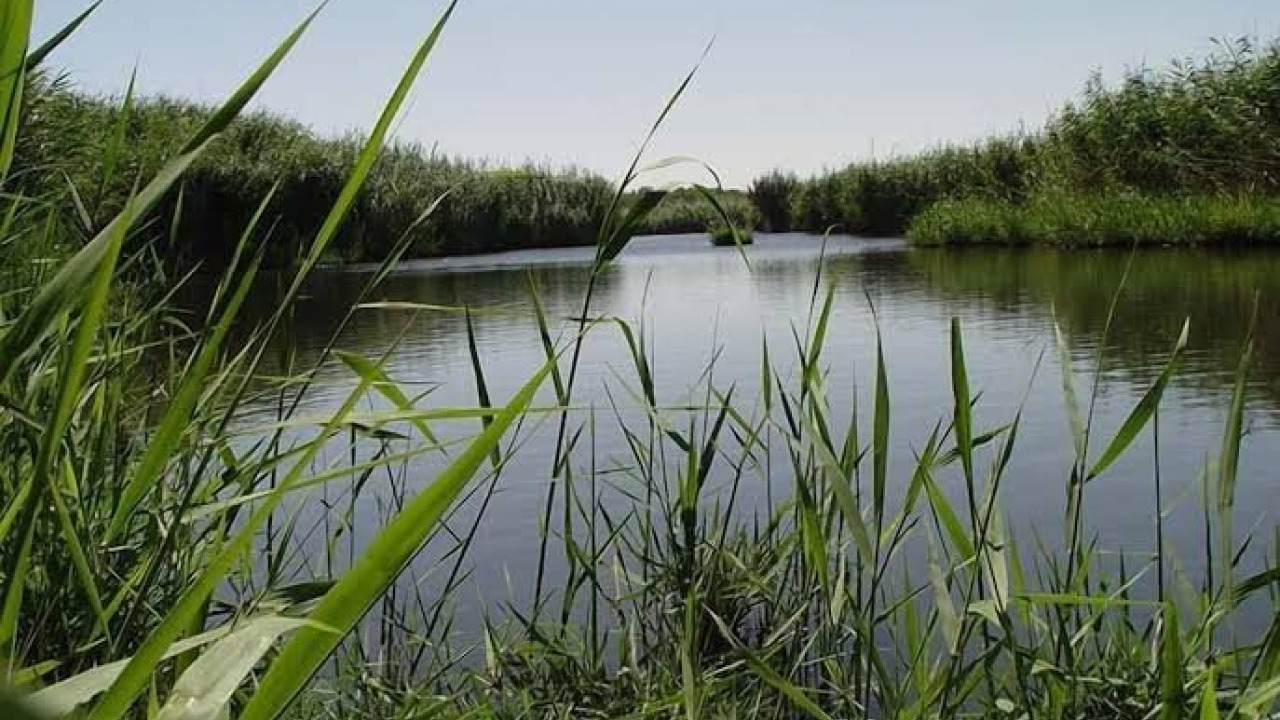
The backbone of the reserve is its wooden platform walkway, winding through the reeds and pools. According to Ramsar records, these platforms and bird hides were constructed by RSCN after the restoration to allow visitors to observe returning birds without disturbance. As the path extends directly over the water's surface, you'll find yourself immersed in the wet habitat, peering through the hide windows at the reflective pond surfaces nestled behind the reeds. The walk is short and flat, posing no technical difficulty, but shade is minimal.
Practical tip: The accessibility of the walkways can vary depending on guide availability and weather conditions, so it's wise to contact the reserve before finalizing your visit date. Be prepared to wait patiently in the hides; bird activity generally increases during the hours when the sun is lower.
The Azraq Killifish and Water Buffalo
The reserve's emblem isn't a large mammal, but a freshwater fish just a few centimeters long. The Azraq Killifish (Aphanius sirhani) is endemic to this basin and is highlighted by RSCN as Jordan's only native vertebrate species. Nearly wiped out during the drying period, the fish was sustained through breeding and reintroduction programs; Ramsar records indicate approximately 650 individuals were released into the wetland by December 2020, while the IUCN Green List file mentions nine viable populations as of 2018. The species is classified as critically endangered on international lists.
Managing the pools is an ongoing endeavor. According to Ramsar records, water buffalo entering the pools caused damage to the shorelines. Coupled with an increase in invasive fish, algae, and aquatic plants, RSCN completely drained and cleaned three of the pools, and brought the surrounding reed beds under control using heavy machinery. The regular shorelines you see on-site are a direct result of these interventions.
Visitor Center, Cycling, and Local Products
Beyond the walking trails, the reserve also features a visitor center, cycling tours, and group programs; bicycle routes extend into the plains surrounding the protected area. RSCN's operational model also includes local employment initiatives: the IUCN Green List file mentions the marketing of handicrafts, salt production in the buffer zone, and educational programs integrated into school curricula. For those who enjoy structured nature observation, similar experiences can be found in Turkey's nature and adventure tours category, offered by Travel Tour Shop.
Bird Migration Calendar and Best Times to Visit
The Jordan Tourism Board recommends timing birdwatching at Azraq to coincide with the spring and autumn migration periods. In a desert climate, the primary factor isn't just bird activity, but also the significant temperature fluctuations throughout the day: while the site is accessible in mid-summer, midday hours are generally unproductive for observation.
| Period | What to Expect On-Site | Weather | Note |
|---|---|---|---|
| March to May | Northward migration, high species diversity | Mild, windy | Mornings are the most active period |
| June to August | Resident species, limited activity | High temperatures | Plan your visit for sunrise and late afternoon |
| September to November | Southward migration | Mild | Water levels vary based on operational decisions |
| December to February | Wintering waterfowl | Cool, cold at night | Layered clothing is recommended |
On-Site Observation Tips
- Bring binoculars and a long-focus lens; birds tend to gather in open areas behind the reeds, and the distance can be considerable.
- Opt for light-colored, quiet clothing; sudden movements and loud noises in the hides will scare birds away.
- Carry a hat, sunglasses, high-factor sunscreen, and more water than you think you'll need; dehydration can progress unnoticed in the desert air.
- Stick to designated platforms and paths, and leave no trace; the wet habitat is sensitive to foot traffic.
Azraq Town and Qasr al-Azraq
In the heart of the town, right next to the wetland, stands Qasr al-Azraq, a fortress built from striking black basalt stone. According to the Jordan Tourism Board, the structure's current form dates back to the early 13th century, though the first fort is believed to have been established during the Roman era, around 300 AD, under Diocletian. The castle was designed with three levels, two of which are still discernible today, featuring a mosque in its courtyard, stone-winged gates, and a water well. Famously, the structure served as T. E. Lawrence's desert headquarters during the Arab Revolt in the winter of 1917. It's listed on the Jordan Pass's included sites with operating hours from 08:00 to 17:00, making it an easy addition to your wetland visit on the same day. For those who enjoy exploring ancient sites with a guide, Travel Tour Shop's cultural tours in Turkey offer a similar experience.
Getting There from Abroad and Regional Logistics
There are no direct routes to Azraq; your journey will always be routed through Amman. This section covers the entire chain, from your flight to reaching the site.
Flights, Airport, and Entry Requirements
The usual gateway to Jordan from many international destinations is Queen Alia International Airport (AMM) in Amman. A scheduled flight from Istanbul, for example, takes approximately two and a half hours. The airport is located about 30 kilometers south of the city center and is connected to downtown by airport bus and taxi services. Visa requirements vary by nationality and are updated periodically; always confirm these via the official Jordan Tourism Board website and Jordan Pass before your trip. The list of sites covered by the Jordan Pass focuses on historical and archaeological attractions; RSCN's nature reserves are not included, meaning wetland entry must be planned as a separate expense. As fees are determined by package type, number of days, and season, check jordanpass.jo and rscn.org.jo for the most current information.
Road Trip from Amman to Azraq
The route begins from Amman's eastern exit, passes through Zarqa, and then proceeds almost straight across the desert plains. Settlements along the way are sparse, so preparation is more crucial than the drive itself.
- Head east from Amman towards Zarqa, aiming to clear city traffic in the early morning.
- Before leaving Zarqa, stock up on fuel, water, and snacks; options become scarce once you're on the desert stretch.
- Complete the approximately 115-kilometer journey in 1.5 to 2 hours, depending on traffic and stops.
- Upon arriving in Azraq, use the junction that divides the town as a reference; one branch leads to the fortress, the other to the wetland's visitor entrance.
- Plan your return time according to daylight; some sections of the desert road are unlit, and night driving can be tiring.
| Transportation Option | Approximate Duration | Flexibility | Note |
|---|---|---|---|
| Rental Car | 1.5 to 2 hours | High | Fortress and surrounding stops can be added on the same day |
| Private Transfer or Taxi | 1.5 to 2 hours | Medium | Waiting time should be specified in the agreement |
| Guided Day Trip | Full Day | Low | Often combined with the Desert Castles route |
| Local Minibus | Variable | Low | Requires transfer in Zarqa, irregular schedules, plan an early return |
Dining and Local Products
Azraq isn't a gastronomic destination; dining plans are best built around practical needs. RSCN's defined services for the reserve include meal service, so it's possible to grab a bite on-site. In town, roadside eateries offer mezze, grilled dishes, and baked goods. If you plan for extended observation, having a hearty breakfast in Amman and bringing dry snacks will prevent you from searching for food during the midday heat. Salt production and handicrafts, carried out in the reserve's buffer zone, are direct contributors to the local economy; choosing these for souvenir shopping directly supports the conservation model.
Accommodation Options
Accommodation in the region revolves around three main options, and your choice will depend on how early you wish to be on-site in the morning.
- Azraq town and around the reserve: RSCN operates a facility near the reserve, converted from a 1940s British military field hospital; it offers 16 rooms with a capacity for up to 38 guests per night. This is the most functional location for those who want to be in the hides at sunrise.
- Amman city center: Offers the widest variety of accommodation and transport links. Suitable for those planning a day trip to Azraq and returning to the city in the evening, though it risks missing early morning bird activity.
- Small accommodations along the Desert Castles route: Provides a convenient stopover for those extending their eastern desert itinerary to two days; facilities are simple, and distances are short.
Suggested Two-Day Itinerary
The following itinerary is designed for a traveler based in Amman to make the most efficient use of their time at the site.
- Day 1: Depart Amman early in the morning and travel to Azraq via Zarqa; aim to arrive before noon.
- Spend the cooler pre-noon hours exploring the wetland's walking trail and bird hides, and learn about the site's water management at the visitor center.
- Pass the midday heat indoors; use the town for lunch and relaxation.
- In the late afternoon, visit Qasr al-Azraq and enjoy the sunset light around the fortress; spend the night in the area.
- Day 2: Return to the wetland at sunrise; the morning is when bird activity is at its peak.
- During the late morning, try the cycling route or explore the surrounding plain trails.
- Return to Amman in the afternoon; you can extend your program by combining the return journey with a visit to the Desert Castles route.
For those looking to plan an itinerary that combines desert, ancient structures, and river culture in a similar region, our Egypt travel guide offers a comparable logic regarding seasons and distances, brought to you by Travel Tour Shop.
Practical Information
| Item | Information |
|---|---|
| Currency | Jordanian Dinar (JOD) |
| Language | Arabic, English widely spoken in tourist areas |
| Time Difference | Jordan observes UTC+3 year-round |
| Electricity | 230 volts, 50 hertz; C, F, and G type sockets are common |
| Emergency Number | 911 |
| Entry Regulations | Entry is made at the reserve entrance; fees are determined and updated by RSCN |
| On-Site Duration | Half a day is sufficient for the walking trail |
Frequently Asked Questions 6
What is the best time to visit Azraq Wetland Reserve?
The Jordan Tourism Board recommends timing birdwatching with the spring and autumn migration periods; March to May and September to November are ideal for both species diversity and weather conditions. Winter months are suitable for observing wintering waterfowl. While the site is accessible in mid-summer, observations should be planned for sunrise and late afternoon hours.
How do I get to Azraq from Amman, and how long does it take?
The road starts from Amman's eastern exit and connects to the desert plains via Zarqa. RSCN and the Jordan Tourism Board define the distance from Amman as approximately 115 kilometers; the drive takes between 1.5 to 2 hours, depending on traffic and stops. Options include rental cars, private transfers, guided day trips, and local minibuses with a transfer in Zarqa.
Is Azraq Wetland Reserve covered by the Jordan Pass?
The list of included sites published by the Jordan Pass focuses on historical and archaeological areas; Qasr al-Azraq is on this list. However, RSCN-operated nature reserves are not included, so wetland entry must be planned separately. Check jordanpass.jo for current coverage and rscn.org.jo for reserve fees.
How many bird species can be seen in Azraq?
RSCN records indicate approximately 329 bird species have been found in the area, representing two-thirds of all species recorded in Jordan. The number of species you'll see on a visit varies by season, water levels, and time of day; diversity significantly increases during migration periods.
How many days should I allocate for an Azraq trip?
The wetland's walking trail and hides can be explored in half a day. If you include the fortress, cycling routes, and early morning birdwatching, two days allow for a comfortable pace. A day trip from Amman is possible, but you risk missing the peak bird activity in the early morning.
Is Azraq a suitable stop for families with children?
The walking trail is short, flat, and platform-based, making it suitable for walking with children. The main considerations are temperature and lack of shade, not distance; planning your visit for cooler hours and bringing water and hats ensures adequate preparation. Explaining the rule of silence in the hides beforehand will enhance the observation experience.