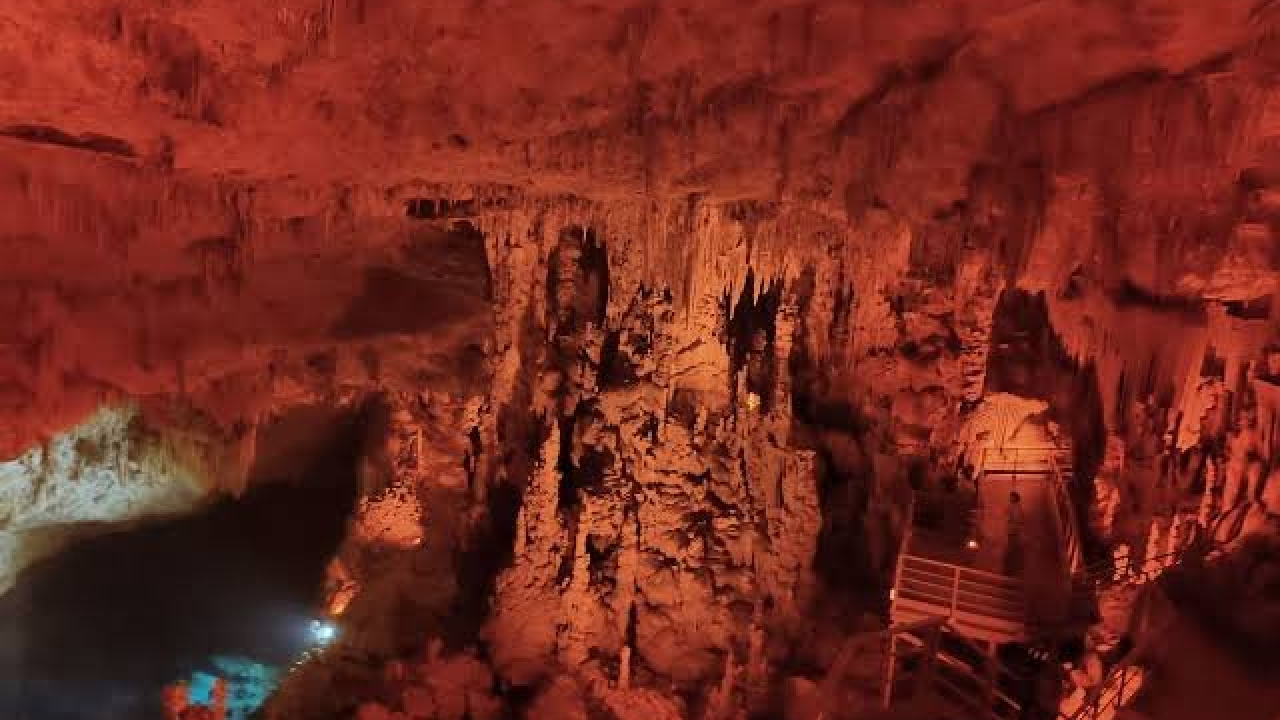
Aynalıgöl Gilindire Cave, nestled within the rocky Mediterranean coastline of Mersin's Aydıncık district, is renowned for its captivating underground lake. Descending hundreds of steps from the warm coastal strip, visitors enter a cool, humid, and dark gallery. At the end of this 555-meter passage lies the tranquil lake, its still surface perfectly mirroring the stalactites above. This guide explores the cave's fascinating discovery, what awaits you inside, how to reach Aydıncık, the most comfortable seasons for a visit, and how to combine your trip with nearby ancient sites.
Aynalıgöl Gilindire Cave at a Glance
- Where: Aydıncık, Mersin; approximately 7.5 km southeast of the district center, between Sancak Burnu and Kurtini Stream.
- What to Expect: A 555-meter-long stalactite gallery culminating in an underground lake; often dubbed the "8th wonder of the world" in the press.
- Origin of Name: The lake's calm surface reflects the cave ceiling like a mirror, hence its local name, Aynalıgöl (Mirror Lake).
- Visitor Experience: Features a walking platform and lighting inside; access involves descending and ascending iron staircases.
- Status: Declared a nature monument in 2013 and a nature park in 2021.
Quick Facts
| Topic | Information |
|---|---|
| Location | ~7.5 km from Aydıncık center; between Sancak Burnu and Kurtini Stream |
| Dimensions | 555 m horizontal length, 46 m depth from entrance |
| Underground Lake | ~140 m long, 18-30 m wide, 5-47 m deep |
| Highlights | Lake with freshwater upper layer, saltwater lower layer; stunning stalactite gallery |
| Status | Nature monument (2013), nature park (2021) |
| Visit Duration | Cave tour approx. one hour, half-day including surrounding area |
| Hours | Summer 08:00-19:00, Winter 08:00-17:00 (may vary seasonally) |
| Best Time to Visit | Spring and Autumn; outside is hot in summer, inside is cool |
| Transport | Private vehicle via D400 highway or Silifke-Anamur bus route |
| Difficulty | Hundreds of steps down and up; moderate physical exertion |
Discovery Story and What to See Inside the Cave
The Hedgehog's Discovery
The cave's rise to prominence dates back to 1999. The popular tale goes that a shepherd, tending his animals, followed a hedgehog into a narrow opening in the rocks and discovered a deep void below. Following the news, researchers explored the galleries; the area was registered as a nature monument in 2013 and declared a nature park in 2021. After the installation of walking platforms, railings, and lighting, the cave was opened to visitors. Ceramic fragments found within the cave indicate that the space was used in much earlier periods. The name Gilindire comes from Aydıncık's ancient name: the city of Kelenderis evolved over centuries into Kilindra and Gilindire, with the district adopting its current name in 1965.
The Descent and the Stalactite Gallery
Your visit begins with a long descent down iron staircases from the entrance. You'll go down 46 meters relative to the entrance to reach the gallery floor, with the number of steps varying in sources, ranging from 351 to 560. As you descend, the outside heat fades, humidity rises, and the gallery expands. Stalactites hanging from the ceiling, stalagmites rising from the floor, columns, curtain formations, and cave needles are all visible in intricate detail thanks to the lighting. Since the ground can be damp, wearing non-slip shoes and holding onto the handrail will make your journey easier.
Aynalıgöl: The Underground Lake and a Glacial Era Record
At the deepest part of the gallery lies the lake that gives the cave its name, approximately 140 meters long and up to 47 meters deep in places. The upper 15 meters of water are fresh, while deeper layers are saline; as the lake's elevation is approximately 47 meters below sea level, it's believed the system is connected to the sea. Submerged stalactites and stalagmites, isolated from atmospheric effects, preserve climate and sea-level data from the last glacial period; for this reason, the cave is considered one of the few recording sites in the Eastern Mediterranean shedding light on this era. In the windless section, the water's surface remains perfectly still, reflecting the formations on the ceiling. Visitors observe from a platform by the lake; entering the water and venturing beyond the platform are restricted to preserve the site.
How to Get to Aydıncık and the Cave
- By Air: The two main gateways to the region are Adana and Gazipaşa-Alanya airports; from either, you can rent a car and connect to the D400 highway.
- By Road from the East: From Mersin or Silifke, head west, reaching Aydıncık via Taşucu and Yeşilovacık.
- By Road from the West: Those coming from the Alanya-Gazipaşa route will use the same coastal road via Anamur.
- Public Transport: Bus and minibus lines operating between Silifke and Anamur stop in Aydıncık; from the town center, a short 7.5 km transfer by car takes you to the cave.
- Final Stretch: The connecting road off the main highway is narrow and winding. Search for the cave's name on navigation and plan your visit during daylight hours, factoring in closing times (7 PM in summer, 5 PM in winter).
Best Time to Visit and Seasonal Comparison
Since the cave's interior remains cool and humid year-round, the determining factor is primarily the outside weather and road conditions.
| Period | Advantage | Note |
|---|---|---|
| Spring (April-May) | Mild weather, lush coastal scenery | Comfortable period for the stair descent |
| Summer (June-August) | Beach season open, wide range of coastal activities | Outside is hot; a light outer layer for inside is useful |
| Autumn (Sept-Oct) | Fewer crowds, sea remains warm | Softer light for photography |
| Winter (Nov-March) | Quiet and unhurried visit | Rainfall may affect the access road; closes at 5 PM |
Combining the Cave with Aydıncık's Coastline
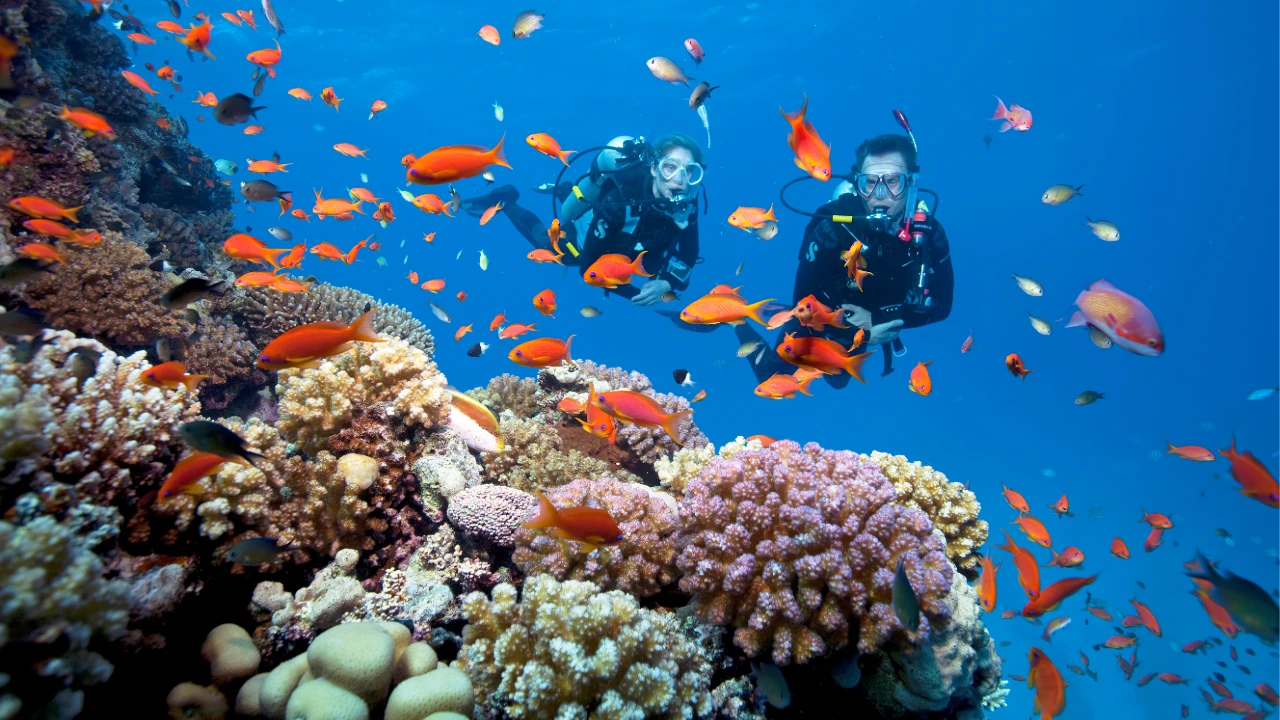
Before a road connection was established to Sancak Burnu, where the cave opens, it was only accessible by boat. This same rocky coastline is excellent for snorkeling today. Spending the morning underground and dedicating the afternoon to the sea is a popular itinerary; coves can be reached by coastal road or boat. Those looking to combine water sports with bay exploration can choose from nature and adventure tours.
Nearby Stops and a Two-Day Itinerary
The Aydıncık Axis: Kelenderis and the Coast
Kelenderis, whose name lives on in the district as "Gilindire," is an ancient port settlement on the coast of the district center; the city's name dates back to 5th-century BC records. Harbor ruins, floor mosaics, and foundations of sea-facing structures can be seen in the area; it easily fits into the same day as your cave visit. Those planning an itinerary centered around ancient cities can explore cultural tours options.
East and West: From Silifke to Anamur
For those heading east, Silifke, the sinkholes around Narlıkuyu, and Kızkalesi, known for its castle in the sea, are on the itinerary. To the west, visitors will find the ancient city of Anemurium near Anamur and Kayacı Valley, famous for its hiking trails. Those wishing to venture inland from the coast can cross the Taurus Mountains and head towards Karaman's attractions. In a two-day plan, the first day covers the cave and Aydıncık's coast, while the second day explores stops either to the east or west.
Local Flavors and Where to Stay
Highlights of Mersin Cuisine
Tantuni and liver wraps are popular everyday choices; on the sweet side, cezerye and kerebiç are local specialties, while künefe is a common post-dinner treat. In coastal towns, the fresh catch of the day features prominently on menus. Those planning a food-focused trip can explore gastronomy and event tours options.
Accommodation Options
Aydıncık center offers small-scale hotels, apartment rentals, and guesthouses. Those seeking wider options can consider Silifke and Taşucu, while those looking for tranquility might prefer the bay resorts around Yeşilovacık; Anamur on the western end is also suitable for an overnight stay. During summer and public holidays, coastal capacity is limited, so book your stay in advance.
Practical Tips Before You Go & Itinerary Summary
- The stairs are steep, and the ground can be damp; opt for non-slip shoes.
- The cave interior is cool year-round; even in mid-summer, a light outer layer is useful.
- Last entries are taken before closing (7 PM in summer, 5 PM in winter); confirm hours before setting out.
- Those with knee, heart, or respiratory conditions should consider the exertion of hundreds of steps up and down.
- Photography in low light is challenging; a steady hand and a wide-aperture lens will improve results.
- Markets and ATMs are limited nearby; carry water and cash (card payments are also accepted at the ticket office).
Aynalıgöl Gilindire Cave adds a subterranean dimension to your coastal holiday. A half-day covers the cave and Aydıncık's coast; adding a second day allows you to explore Kelenderis and other ancient cities to the east or west. Those looking to expand their itinerary around castles and archaeological sites can choose from historic city tours.
Frequently Asked Questions 4
What is the story behind Aynalıgöl Cave?
The cave came to public attention in 1999 when a shepherd, tending his animals, followed a hedgehog into a narrow opening in the rocks. Following investigations, the galleries were explored; the area was declared a nature monument in 2013 and a nature park in 2021, and made suitable for visitors with platforms, railings, and lighting.
How much is the entrance fee for Gilindire Cave?
There is a ticketed entry system for the area; the shared entrance fee for the 2026 season is around 50 TL, payable in cash or by card at the ticket office. As the amount is updated seasonally, it's practical to confirm at the ticket office before your visit.
Where is Gilindire or Aynalıgöl Cave located?
The cave is located in Mersin's Aydıncık district, approximately 7.5 km southeast of the town center, between Sancak Burnu and Kurtini Stream. Access is via the D400 coastal road; it's situated on the route between Silifke and Anamur.
What is the legend of Aynalı Cave?
There is no recorded epic text; the narrative is passed down orally. Two elements stand out: the cave's discovery through the story of the shepherd and the hedgehog, and the still surface of the lake at the bottom reflecting the ceiling like a mirror. The name Aynalıgöl (Mirror Lake) also comes from this reflection.