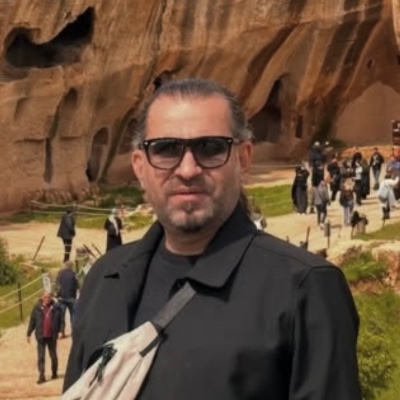
Tunceli stands as one of Eastern Anatolia's most rugged and untouched frontiers—a breathtaking landscape where majestic mountains, roaring rivers, and deep-rooted spiritual traditions converge. The true allure of the region lies in the sprawling Munzur Valley National Park, covering approximately 42,000 hectares, and the mesmerizing Ovacık Springs at the valley's headwaters, where crystal-clear water erupts from between the stones. In this guide, we bring together everything you need to know about exploring the Munzur Valley National Park and Ovacık Springs, from trekking and camping spots to rafting on the Munzur River, transportation tips, the best travel seasons, local delicacies, and a curated day-by-day itinerary.
At Travel Tour Shop, we take quality seriously. We vet our tour and transfer providers rigorously, excluding roughly 83% of potential partners to ensure we only list businesses with strong local expertise and proven guest satisfaction. The following information reflects this commitment to quality, providing essential insights for first-time visitors to Munzur Valley, from must-see natural wonders to practical travel tips.
Quick Facts
| Topic | Information |
|---|---|
| Location | Munzur Valley, stretching between Tunceli center and Ovacık |
| Highlights | Canyons, endemic flora, and the erupting Ovacık (Munzur) Springs |
| Protected Status | National Park (declared in 1971), approx. 42,000 hectares |
| Springs Location | Approximately 17 km from Ovacık center |
| Top Activities | Hiking, camping, photography, rafting on the Munzur River |
| Best Time to Visit | Late spring and summer (May–September); winter travel is difficult |
| Transportation | Private car or Ovacık-bound minibuses; nearest airports are Elazığ and Erzincan |
Where is Munzur Valley National Park? A Wild Paradise in the East
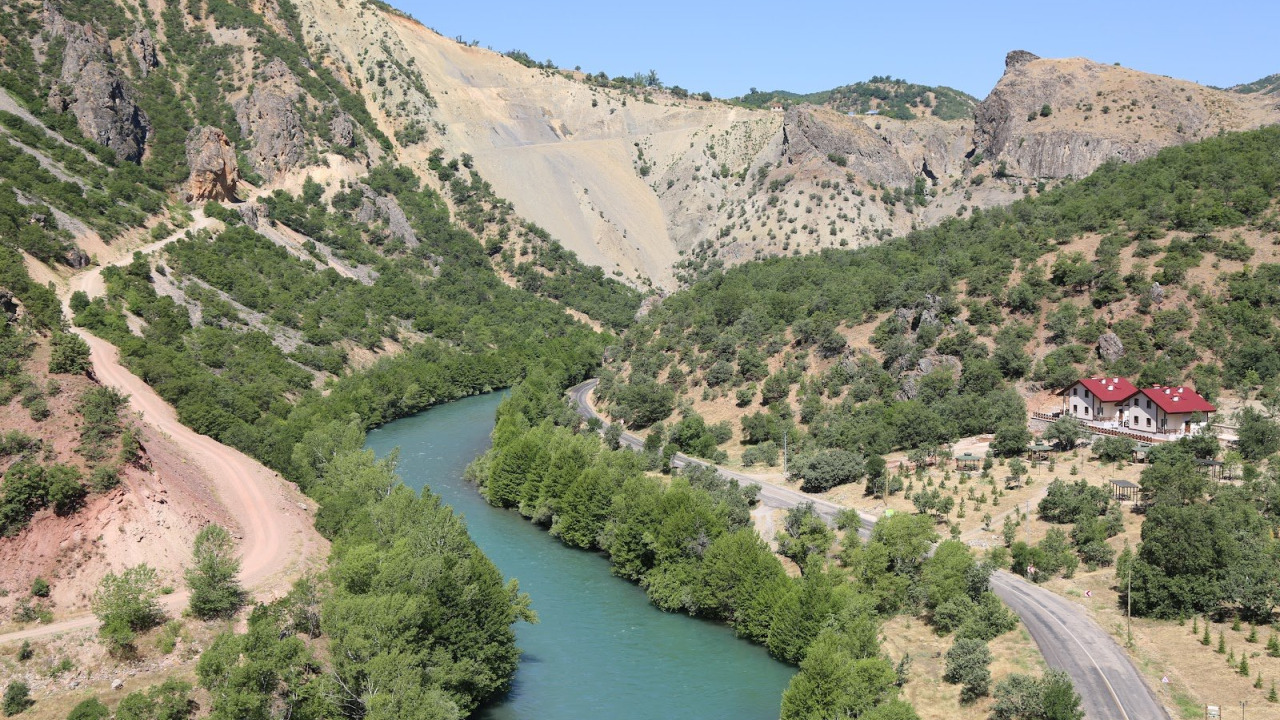
Munzur Valley is a massive canyon stretching approximately 42 kilometers between the Tunceli city center and the Ovacık district. The valley was carved over millennia by the Munzur River as it cut through steep limestone cliffs. In certain sections, the vertical rock walls soar over 1,000 meters, creating one of the most dramatic natural landscapes in Eastern Anatolia. The park was officially protected in 1971 and encompasses about 42,000 hectares of wilderness.
As you move toward the higher northern reaches, the scenery transforms completely. In these high-altitude zones, between peaks of 2,000 and 3,000 meters, you can encounter stunning glacial and crater lakes. The Ovacık plains and high plateaus sit at the foot of this soaring geography, where the lush greenery of the valley floor meets the stark, rocky beauty of the summits. This incredible diversity turns the region into an open-air laboratory where you can experience multiple climates and vegetation zones in a single day.
Pro Tip: For the best experience, start your journey from points near the city center and head toward Ovacık. This allows you to witness the canyon views, the springs, and the high plateaus in a gradual, spectacular progression. Be sure to allow plenty of time for your trip, as you will find yourself stopping frequently to capture photos.
Nature in Munzur Valley: Endemic Wonders and Wildlife
Munzur Valley is an ecosystem of international importance for both botany and zoology. This biological richness is exactly why the area attracts scientific researchers and nature photographers from around the world. The sheer variety of flora and fauna you encounter will make it clear why this land is so fiercely protected.
Endemic Flora
Within the national park, approximately 1,500 (some sources cite 1,518) different plant species have been identified. Of these, 227 are unique to Turkey, with a significant portion being endemic specifically to the Munzur region. Species such as the Munzur wedding flower and the Munzur mountain tea are famous examples of this botanical wealth. The valley floor is lush with poplar, willow, and oak trees, which turn the landscape into a snowy white wonderland in winter and a vibrant green paradise in summer. Most endemic species bloom between late spring and early summer, making this the ideal time for plant lovers.
Wildlife of the Valley
The valley serves as a safe haven for a variety of wildlife, including wild goats (ibex), brown bears, lynx, and otters. The cold, oxygen-rich waters of the Munzur River are also a critical habitat for the endangered brown trout. It is quite common to spot wild goats roaming freely along the steep cliffs during your travels. To increase your chances of a sighting, try to travel in the early morning, move quietly, and bring a small pair of binoculars.
Crater Lakes and High Peaks
The high plateaus in the north are a lesser-known but highly prized section for trekkers. Scattered among the 2,000–3,000 meter peaks, these lakes become accessible in the summer as the snow melts. Reaching these heights requires experience and favorable weather conditions. For safety, we highly recommend planning high-altitude hikes with a local guide and ensuring you have ample daylight.
Ovacık Munzur Springs: The Sacred Source of the River
Located about 17 kilometers from the Ovacık center, right at the foot of the Munzur Mountains, the Ovacık Springs represent the true birthplace of the river. Water filtering through karst fissures deep within the mountains erupts from nearly forty large springs, creating a spectacular display of rushing water. The Munzur water born from these springs flows through the valley, eventually feeding the rivers that join the Euphrates basin. The sight of water bursting through the rocks, creating white foam, is one of the most unforgettable images of the region.
Mystical and Cultural Significance
The Ovacık Springs are more than just a natural wonder; they are a sacred site for the local Alevi-Bektashi culture. According to legend, a shepherd named Munzur spilled drops from his milk bowl, and wherever they fell, these crystal-clear springs emerged. Out of respect for this belief, visitors are expected to speak softly, collect all trash, and treat the waters with profound reverence. For those looking to blend nature with heritage, similar cultural journeys can be found through our cultural tours.
Visiting the Springs
Wooden walkways and observation decks have been built around the springs, allowing you to view the water's emergence from various angles. To get the best light for photography and to avoid the midday crowds, aim to visit in the late morning or late afternoon. Remember, you are in a sacred space: avoid loud noises, carry out your trash, and do not disturb the natural environment. Recent conservation efforts have highlighted the importance of environmental sensitivity, and we encourage all visitors to help protect this delicate site.
Camping, Trekking, and Adventure in Munzur Valley
With its lack of urban sprawl and its pristine riverbanks, the valley is a premier destination for camping and hiking. Activities here are designed for those who want to slow down and move to the rhythm of nature rather than just passing through.
Camping Sites and Rules
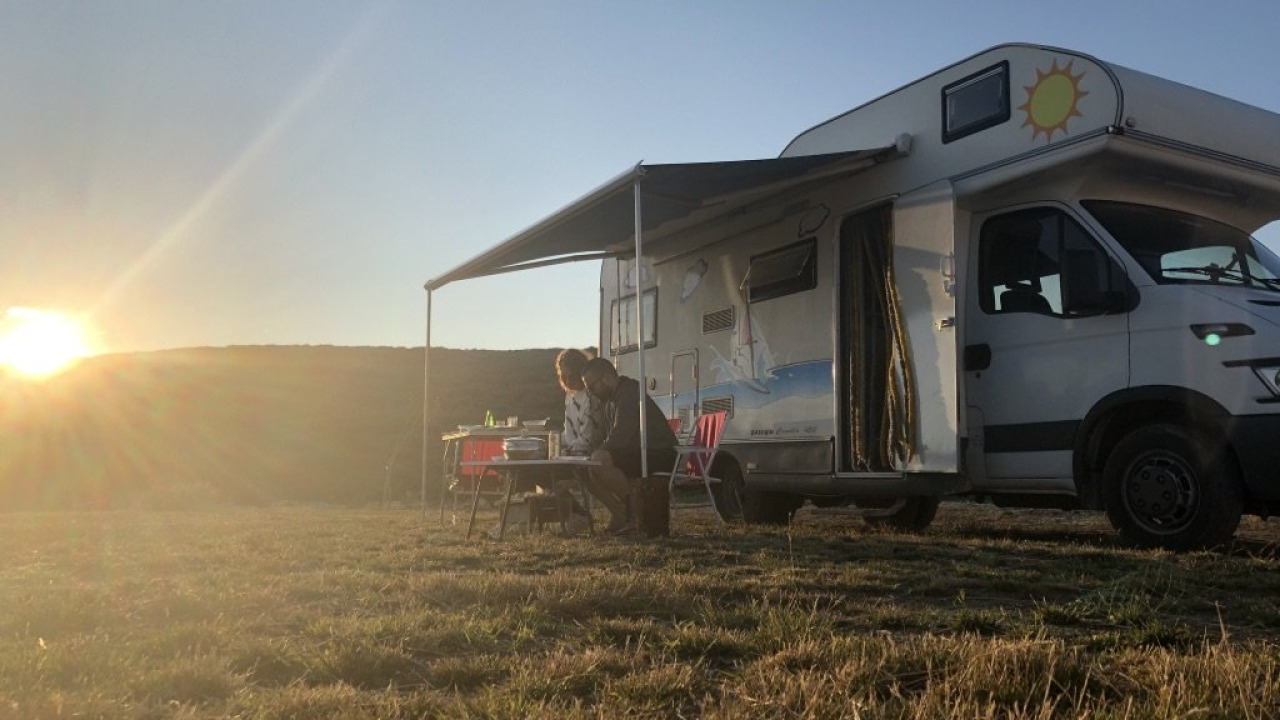
You can stay in designated camping areas within the national park or at approved facilities along the river. However, due to the protected wildlife and the risk of forest fires, camping in uncontrolled areas or lighting open fires is strictly prohibited. If you plan to camp, come prepared with supplies for water, warmth, and waste management. Even in summer, temperatures can drop significantly at night, so a high-quality insulated sleeping bag is essential. Even in designated fire areas, always ensure your embers are completely extinguished before leaving—this is both a legal requirement and a vital rule for nature safety.
Trekking Trails
The paths along the valley floor offer pleasant, largely flat routes that run parallel to the river, making them perfect for beginner hikers. For those seeking a challenge, more strenuous routes lead up to the high plateaus and mountain lakes. If you want to plan a trip focused on hiking and camping, you can explore similar itineraries under our nature and adventure tours. Regardless of the trail you choose, sturdy trekking boots, layered clothing, and plenty of water are the keys to a comfortable day.
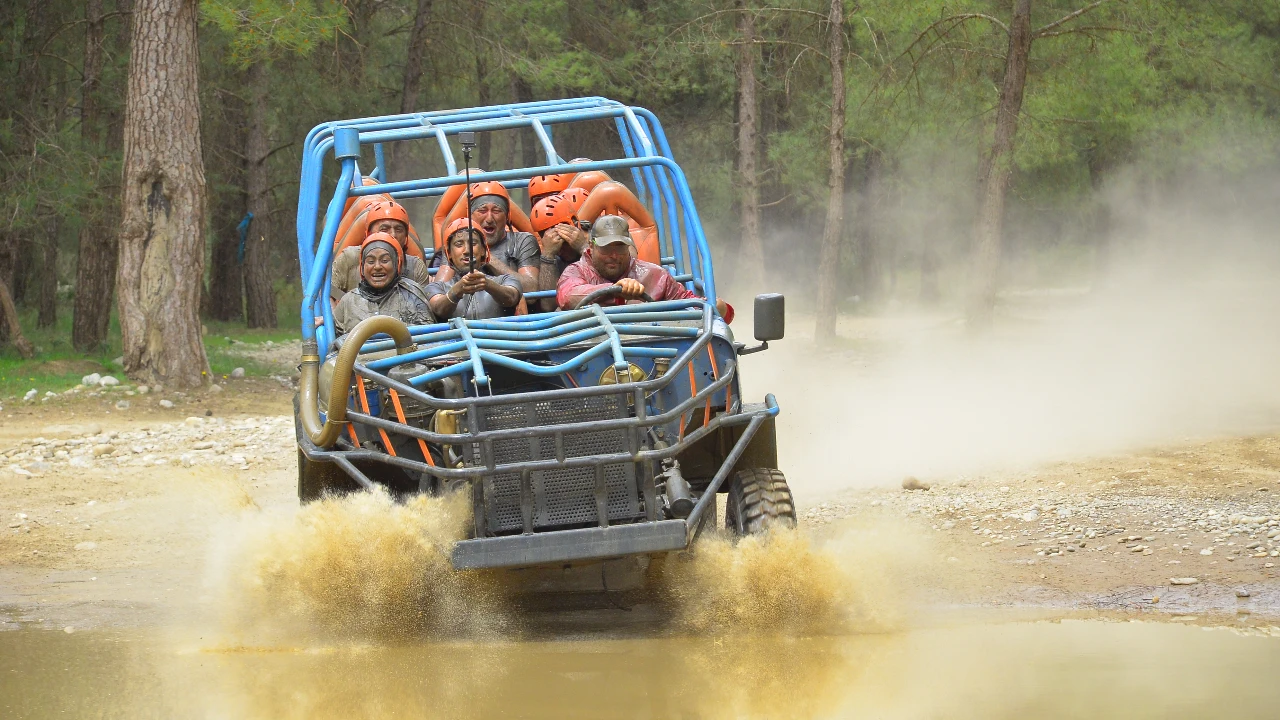
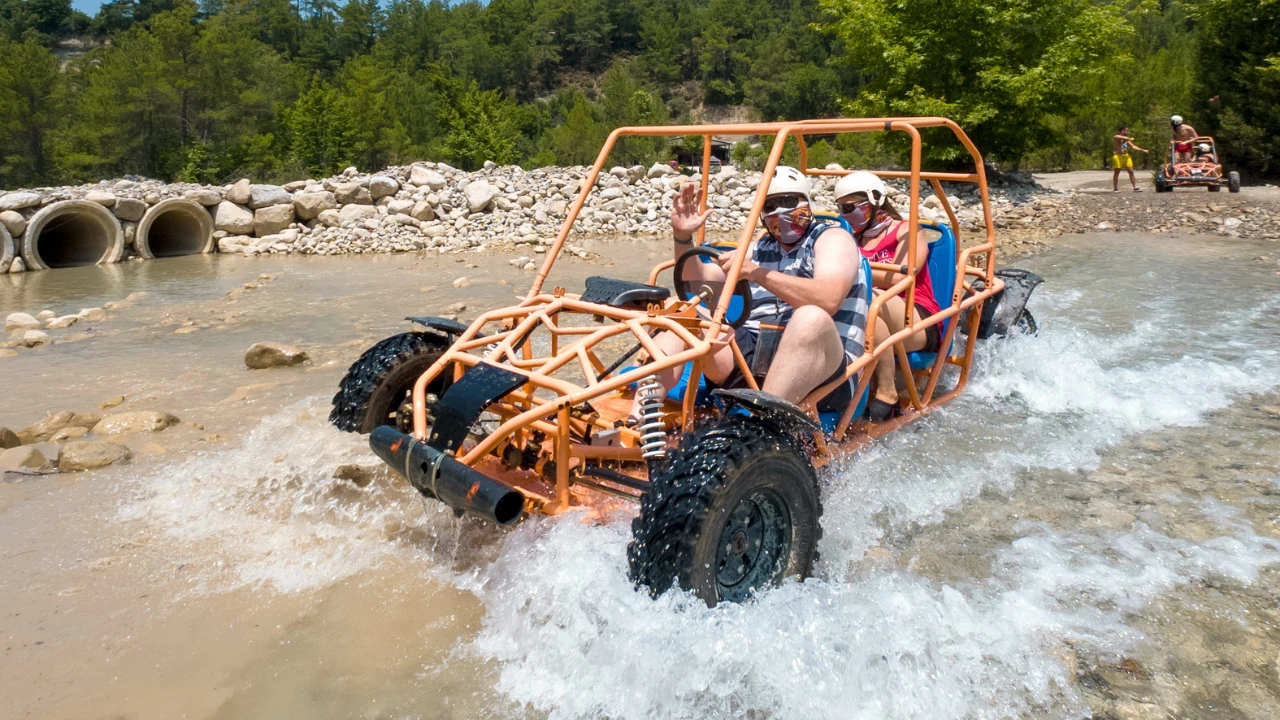
Rafting and Water Sports on the Munzur River
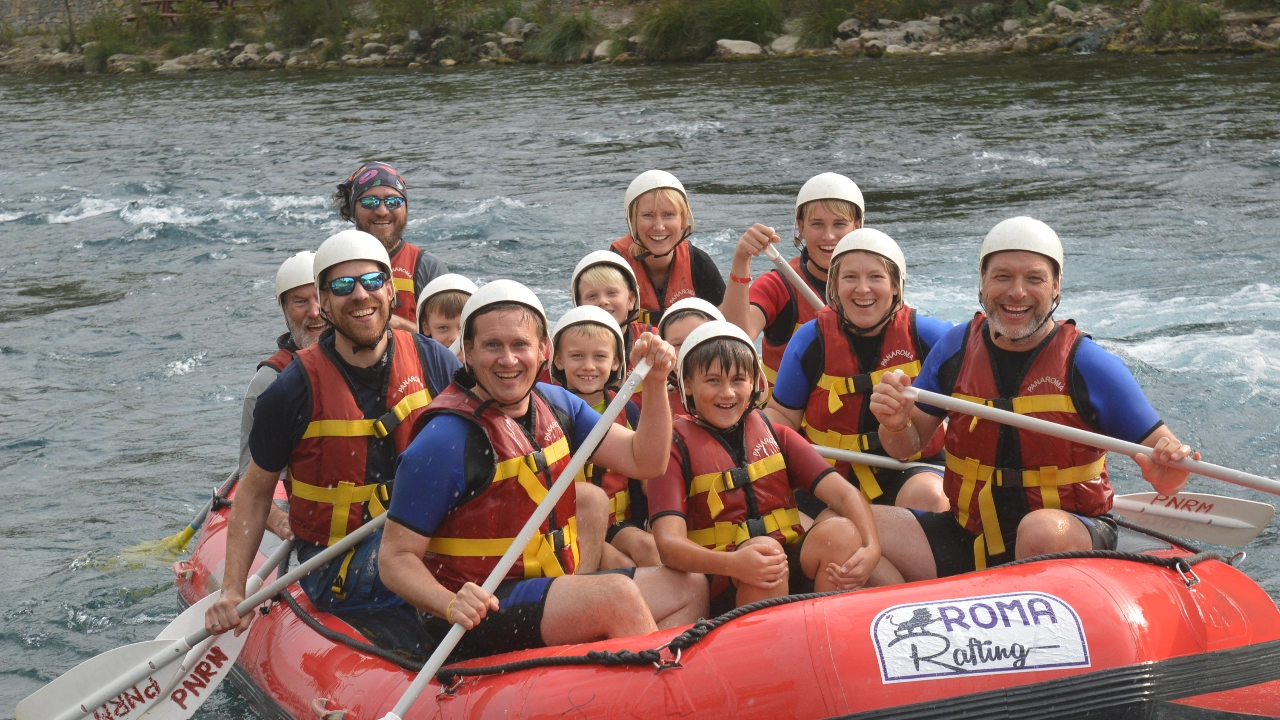
With its impressive flow and speed, the Munzur River is an excellent venue for water sports. Especially in sections near the Tunceli center, it is possible to go rafting or canoeing with local outdoor clubs. The period from late spring to early summer, when the snowmelt increases the river's volume, offers the most exhilarating currents.
Always ensure you have full safety gear, including a life jacket and helmet, and never attempt the river without an experienced team. Since the water remains quite cold for most of the year, wearing a neoprene wetsuit will significantly improve your comfort. Combining water sports with hiking and camping is a fantastic way to experience the valley from both land and water. When planning your adventure, you can also check out our rafting tours for more options.
How to Get to Munzur Valley: Transportation Guide
Tunceli is your primary hub for reaching Munzur Valley and the Ovacık Springs. The springs are located approximately 60 kilometers from the Tunceli city center. If you are driving, you can reach the springs in about an hour via a scenic paved road that winds through the canyon; the drive itself is a highlight of the trip. For public transport, you can take cooperative minibuses from the Tunceli central bus station heading toward Ovacık.
For those traveling from further away, the most practical starting points are the Elazığ and Erzincan airports. From there, road transport to Tunceli is widely available; you can bridge the gap between the airport and the city by renting a car or using local transfer services. While distances within the valley may seem short, the roads are often winding and slow-moving, so we recommend adding extra time to your daily schedule for a more relaxed journey.
The Best Season to Visit and Travel Tips
The ideal time to visit Munzur Valley is from late spring to late summer, roughly between May and September, when the snow has melted. During these months, the springs are easily accessible, and the valley and high plateaus are at their most vibrant green. The first weeks of autumn are also excellent for photographers looking to capture the changing colors. In winter, heavy snowfall makes the high-altitude areas difficult to reach; if you plan a winter visit, check road and weather conditions well in advance.
A few local tips to make your trip easier: Due to the continental climate of Eastern Anatolia, there can be significant temperature swings between day and night, so dress in layers. Since markets and services are limited outside of certain points in the valley, stock up on essentials like water and snacks in the city center. Bring a hat and sunscreen for the summer sun, and a light jacket for the cool evenings. Additionally, if you want to experience the local culture firsthand, keep an eye out for the Munzur Culture and Nature Festival held during the summer.
What to Eat in Tunceli: Local Delicacies
The cuisine in Tunceli is built on simple but powerful flavors derived from local, natural ingredients. One of the most famous dishes is a traditional treat called "Zerefet" (also known as "Babuko"), made with thin dough filled with butter and garlic yogurt. Tulum cheese, made with aromatic local garlic grown in the Munzur mountains, is another standout flavor.
Beyond the main meals, Ovacık's organic beans and Pülümür honey are highly sought-after local products that make excellent gifts. We recommend trying local dishes prepared with mountain herbs and natural ingredients at small businesses in villages or district centers; it is a rewarding experience for both your palate and the local economy. When buying local honey or cheese, always check for seasonality and freshness.
Accommodation: Where to Stay
Accommodation in the region generally falls into two categories: camping in the heart of nature or guesthouses and pensions in the district centers. For those seeking an immersive nature experience, approved campsites around the national park and facilities along the river are the best options. Those preferring more comfort should look into the various pensions and hotels available in the Tunceli center and Ovacık district.
Planning your stay according to your itinerary will save you time: if your focus is on the springs and high plateaus, staying near Ovacık is advantageous. If you want easier access to city culture, rafting starting points, and transport links, the Tunceli center is more practical. Because the region becomes very popular during the summer and festival seasons, we recommend booking your accommodation in advance.
Suggested Munzur Valley Itinerary
For those with limited time, a sample two-day itinerary could look like this:
Day 1: Depart from Tunceli center and head through the valley, taking breaks to enjoy the canyon views. Continue toward Ovacık to visit the Munzur Springs and watch the water emerge from the observation decks. End your day with a short nature walk near the springs.
Day 2: Depending on your interests, head in one of two directions: choose the high plateaus and lakes for a day of trekking, or head toward the Tunceli center area to experience rafting on the Munzur River. End your trip with a relaxing meal of local delicacies.
If you prefer a slower pace, you can spread this same route over three days to allow more time for both nature and cultural stops.
Frequently Asked Questions 6
Is there an entrance fee for Munzur Valley National Park, and can I camp anywhere?
Entry to the national park is generally free, though it is wise to check for any updated local regulations before your visit. Due to the protected wildlife and fire risks, camping in uncontrolled areas or lighting fires is not permitted. You can safely pitch your tent in designated camping areas within the park or at approved facilities along the river.
How do I get from Tunceli center to Ovacık Springs?
Ovacık Springs are approximately 60 kilometers from the Tunceli city center. You can reach them in about an hour by driving your own vehicle along the scenic paved road through the valley. Alternatively, you can take cooperative minibuses from the Tunceli central bus station that run to Ovacık.
How many springs make up the Ovacık Springs and where are they located?
The Ovacık Springs consist of nearly forty large springs where water filters through karst fissures in the Munzur Mountains. They are located about 17 kilometers from the Ovacık district center and serve as the primary source of the Munzur River.
Is rafting or water sports available on the Munzur River?
Yes, the Munzur River is a great location for water sports due to its flow and speed. Rafting and canoeing are possible, particularly in sections near the Tunceli center. You can join professional rafting tours led by local outdoor clubs, ensuring you have all necessary safety equipment. The most active period is late spring and early summer.
What is the best season to visit Munzur Valley?
The best time to visit is between late spring and late summer, roughly from May to September, when the snow has melted and the nature is in full bloom. In winter, heavy snow makes high-altitude areas difficult to access, so check weather and road conditions in advance.
What local delicacies should I try in Tunceli?
Key local flavors include "Zerefet" (Babuko), prepared with butter and garlic yogurt, local garlic tulum cheese, Ovacık organic beans, and Pülümür honey. Trying these at small local businesses in villages or town centers is a great way to experience authentic flavors.