
While the snow-white travertine terraces are the first thing that come to mind when searching for the best places to visit in Pamukkale, this iconic destination in Denizli offers far more than just a natural wonder. From the cascading thermal pools formed by mineral-rich waters to the majestic ruins of the Hierapolis Ancient City, the surreal experience of swimming in Cleopatra's Antique Pool among fallen columns, and the nearby mysteries of Laodikeia, this region is a treasure trove for any traveler. In this guide, we’ve curated the top sights, practical visiting tips, and essential transport and seasonal information to help you plan your perfect trip.
At Travel Tour Shop, we operate on the ground across the Aegean and inner Aegean routes, helping travelers choose the programs that best match their expectations. Below, you'll find a quick-glance summary followed by a detailed breakdown of each location.
Quick Facts
| Category | Details |
|---|---|
| Province | Denizli |
| Best Time to Visit | Spring and Autumn; late afternoon hours |
| Recommended Duration | 1-2 Days |
| Top Highlights | Travertines, Hierapolis, Cleopatra's Antique Pool, Laodikeia |
| Transport | Denizli Çardak Airport, bus, or private vehicle |
| UNESCO Status | Mixed World Heritage Site (Cultural + Natural) |
What to See in Pamukkale?
The heart of Pamukkale consists of several key attractions located within the same archaeological site. Since a single ticket grants access to both the travertines and the Hierapolis Ancient City, planning your visit as a cohesive route will save you time and energy.
The White Travertine Terraces
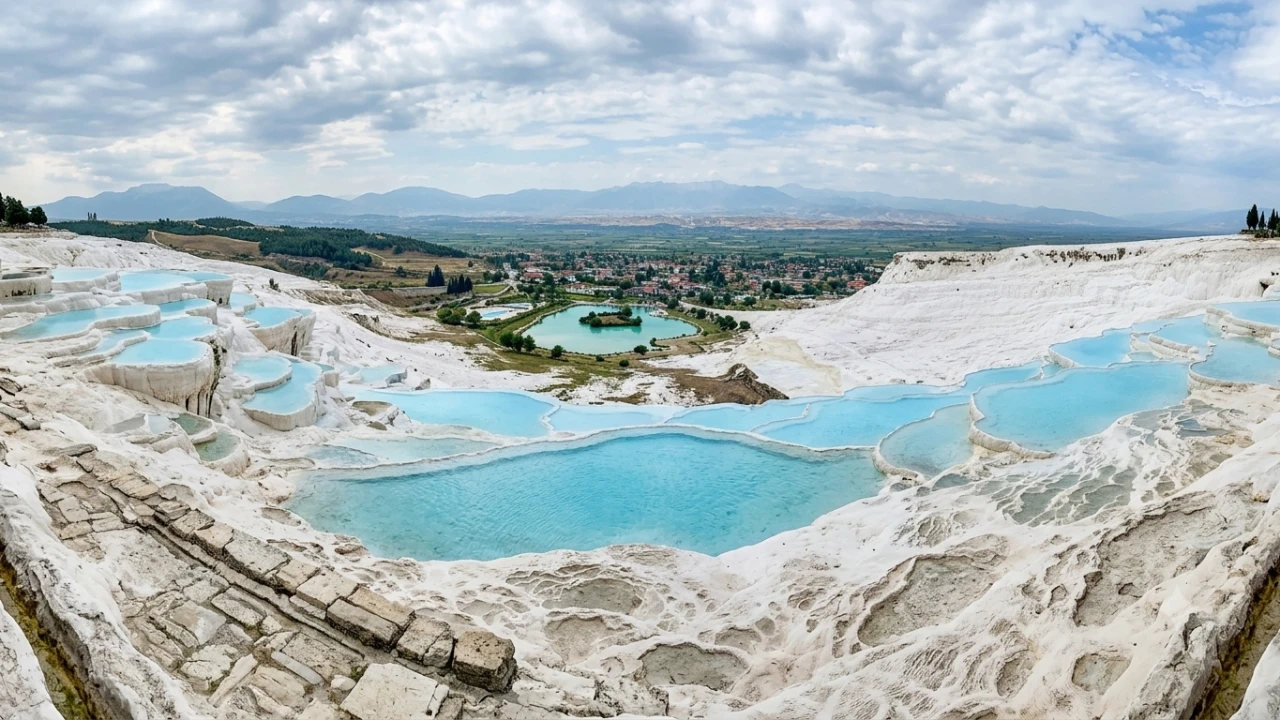
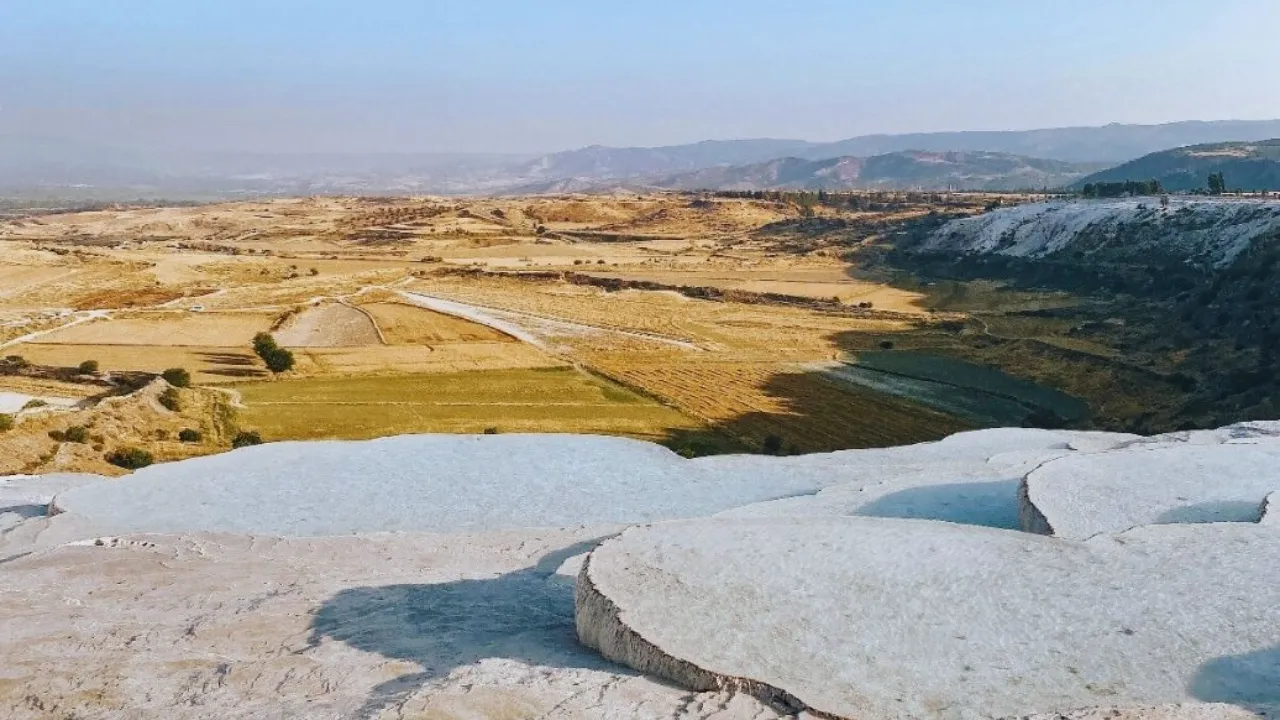
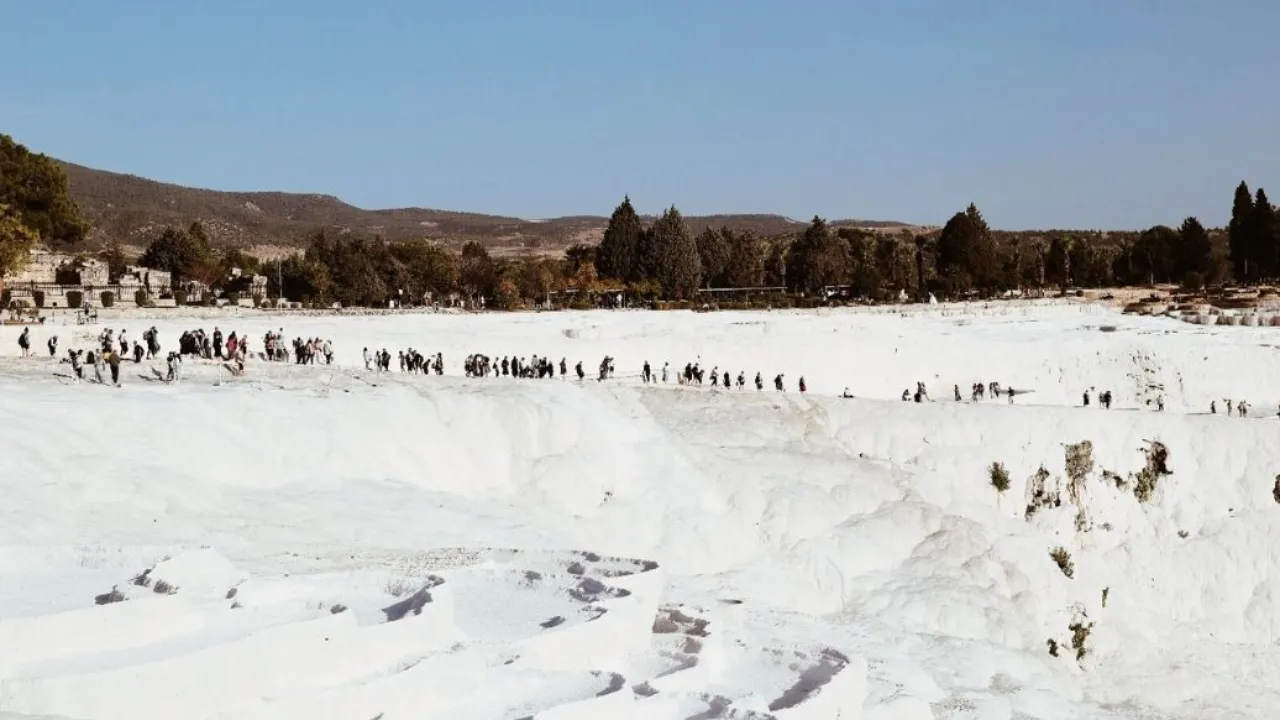
The symbol of Pamukkale is its breathtaking white travertine terraces, formed over thousands of years as calcium carbonate-rich thermal waters deposited minerals on the surface. The water, emerging from the source at approximately 36°C, flows down the hillside, leaving behind mineral deposits that create a series of stepped, white pools. From a distance, these terraces look like a massive pile of cotton or a frozen waterfall. To protect the delicate structure, shoes are strictly prohibited in the travertine areas; visitors must walk barefoot. Stepping into the lukewarm water and relaxing by the pools is undoubtedly the highlight of the trip. To preserve this fragile natural heritage, it is crucial to stay within the marked paths and avoid stepping outside the pools.
Hierapolis Ancient City (The Sacred City)
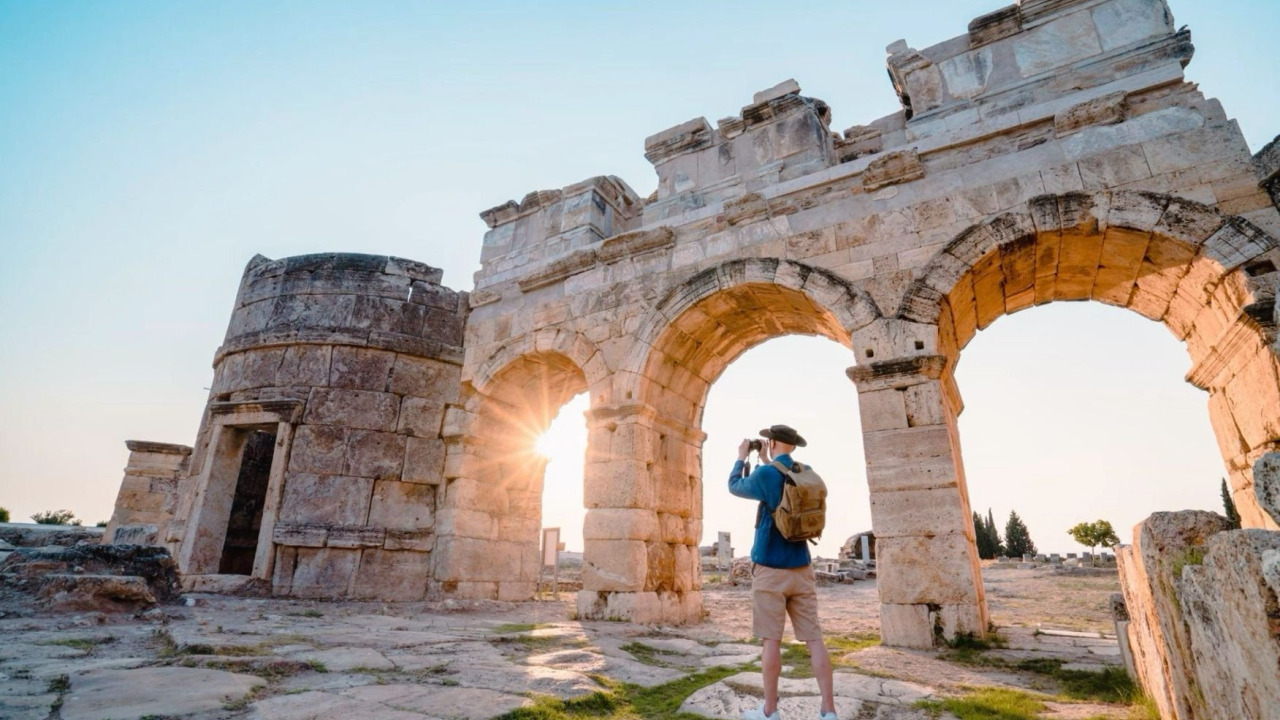
Perched directly above the travertines, Hierapolis was founded in the 2nd century BC by the Kingdom of Pergamon. During the Hellenistic and Roman periods, it flourished as a renowned center for healing and faith, thanks to its thermal springs. One of the city's most striking features is the vast Necropolis (Ancient Cemetery), containing thousands of tombs of people who traveled from across the world seeking cure. Walking through the colonnaded streets, ancient baths, and temple ruins provides a vivid glimpse into ancient urban life. The monumental gates along Frontinus Street, the agora, and the latrines showcase the sophisticated Roman urban planning. Having survived several earthquakes over the centuries, the remaining structures bear the marks of both destruction and meticulous restoration.
The Ancient Theatre of Hierapolis
Built into a steep slope, the Hierapolis Ancient Theatre is one of the best-preserved Roman theatres in the Mediterranean basin. It is particularly noted for its ornate facade and mythological reliefs. From the seating tiers, visitors are treated to a panoramic view that stretches from the ancient city across the vast plains below—a dream spot for photography enthusiasts.
Cleopatra's Antique Pool
Following a massive earthquake in the 7th century AD, the colonnaded street collapsed, and marble blocks fell into a thermal spring, creating what is now known as Cleopatra's Antique Pool. Swimming in these soda-rich waters at around 36°C, surrounded by centuries-old Roman columns, feels like floating through history. Please note that swimming in the pool requires a separate fee from the general site ticket, though sitting by the edge to take photos is free.
Hierapolis Archaeology Museum
Housed within the Roman baths of the ancient city, the Hierapolis Archaeology Museum displays sculptures, sarcophagi, and artifacts of daily life unearthed during local excavations. Visiting the museum after exploring the travertines and open-air ruins helps put the structures you've seen into a historical context. If you are interested in exploring curated cultural programs focused on Denizli and Pamukkale, feel free to browse our Pamukkale cultural tours category.
What Else is Famous in Denizli and Pamukkale?
While Pamukkale is world-famous for its travertines, the surrounding Denizli region offers other gems that can turn a simple trip into a multi-layered experience.
Laodikeia Ancient City
Located about 10 km from Pamukkale, Laodikeia is a massive ancient city mentioned in the Bible and home to one of the first seven churches of Christianity. With its restored church, colonnaded streets, and public buildings, it is a vital stop for any cultural itinerary. You can explore our Denizli-based cultural routes on our Denizli cultural tours page.
Karahayıt Red Water and Thermal Springs
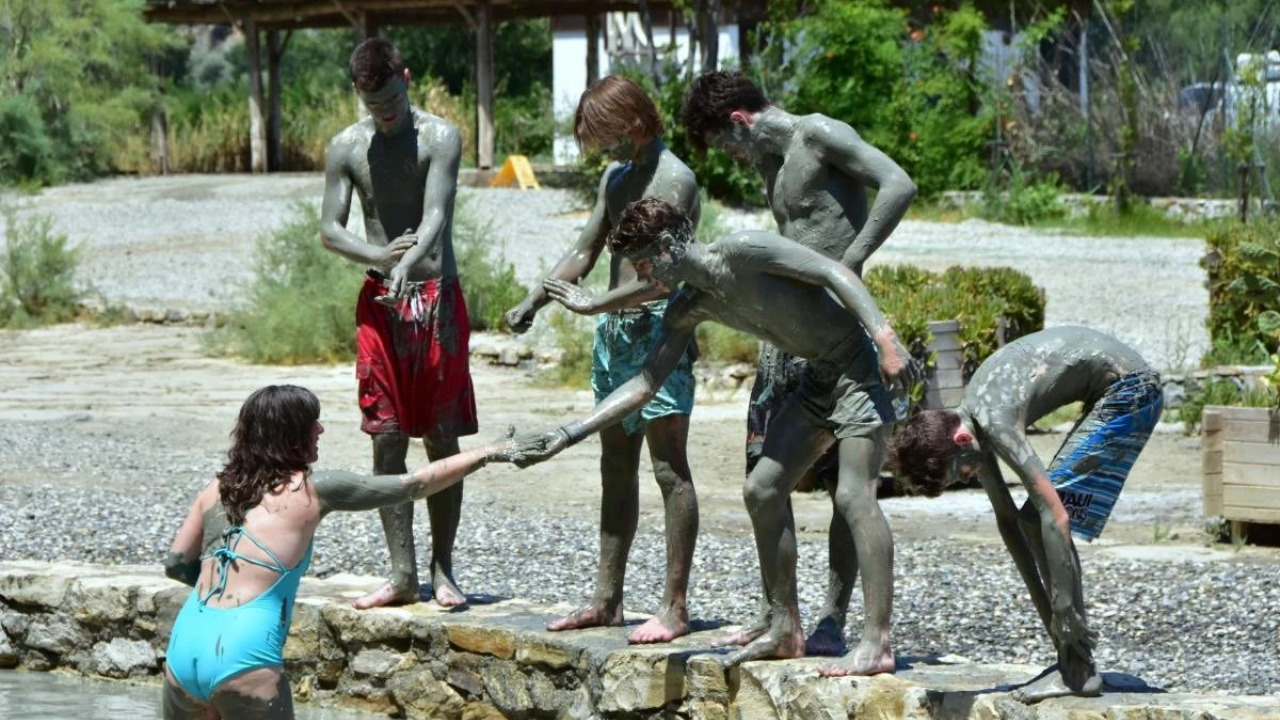
In stark contrast to the white travertines of Pamukkale, the nearby town of Karahayıt is famous for its iron-rich, red-colored thermal waters. The local thermal hotels and spas, offering mud baths and wellness treatments, are ideal for a relaxing overnight stay. Traditionally, these waters are said to benefit the skin and relieve rheumatic complaints (though we recommend consulting a physician for health-specific needs).
Kaklık Cave and Yeşildere Waterfall
For nature lovers, Kaklık Cave is often called the "Underground Pamukkale" due to its internal travertine formations. The cool, damp atmosphere of the cave allows you to see white terraces forming beneath the earth. Yeşildere Waterfall, surrounded by lush greenery, provides a refreshing escape during the hot summer months. These two spots are perfect for those wanting to add a nature theme to their classic Pamukkale route. Additionally, the Pamukkale Nature Park at the entrance of the site, with its ponds and walking trails, is a great spot for families to relax. Adding these locations to your itinerary is the perfect reason to extend your visit to two days.
Why is Pamukkale Important for Faith Tourism?
Pamukkale and its surroundings are significant centers for Christian history. It is believed that Saint Philip, one of the twelve apostles of Jesus, was martyred in Hierapolis. The octagonal Martyrium (memorial tomb and sacred area) built in his honor remains a pilgrimage site for visitors worldwide. Combined with the ruins of the church in Laodikeia, the region offers a rich tapestry of spiritual and historical significance, making Pamukkale much more than just a nature trip.
Can You Visit Pamukkale in One Day?
The short answer: Yes. The travertines, Hierapolis Ancient City, and Cleopatra's Antique Pool can all be seen in a single day. However, for those who want to explore without rushing, hike up to the ancient theatre, and catch the sunset, an overnight stay offers a much more relaxed pace.
For an efficient one-day itinerary, we suggest: Start early in the morning (or late afternoon) by walking through the travertines, then explore the Necropolis and colonnaded streets of Hierapolis, climb up to the Ancient Theatre, and wind down with a dip in Cleopatra's Antique Pool. If time permits, end your day at the Hierapolis Archaeology Museum. If you wish to include Laodikeia and Karahayıt, a two-day plan is highly recommended.
Since the site covers a large area, pacing yourself is key. Even a one-day visit involves significant walking. We recommend comfortable shoes, sun protection, and plenty of water. To avoid the crowds and capture the best photos, aim for the early morning or late evening hours.
Pamukkale Site Entrance Information
Your entrance ticket to the Pamukkale archaeological site covers both the white travertines and the Hierapolis Ancient City, as they are part of the same visitor route. Since entrance fees and MuseumPass coverage are updated periodically, we recommend verifying the current price via official sources before your visit.
Swimming in Cleopatra's Antique Pool requires a separate fee; however, lounging by the pool is free. Remember that shoes are forbidden on the travertines, so dress for easy shoe removal. In summer, bring sunscreen, water, and swimwear. The site has multiple entrances; depending on your transport, choosing the lower gate (Pamukkale village) or the upper gate (Hierapolis) will determine whether you walk up from the travertines or down from the ancient city.
When and How to Get to Pamukkale?
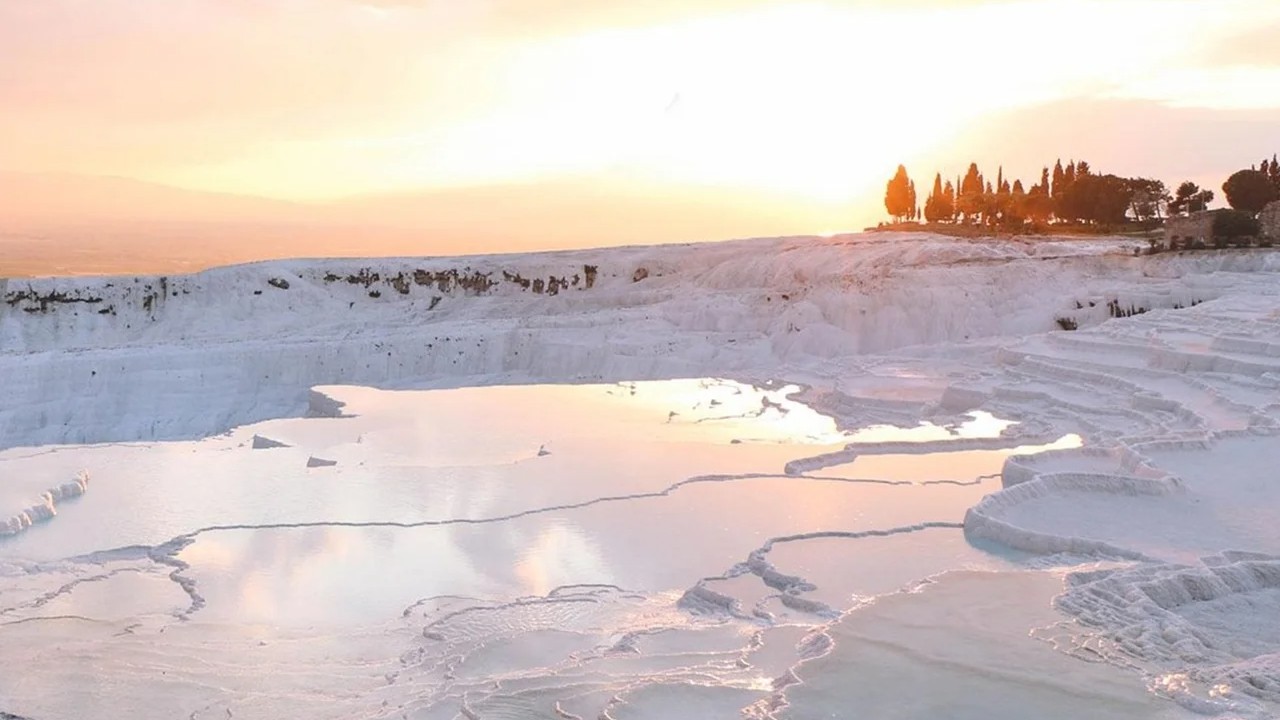
The best time to visit Pamukkale, in terms of weather and crowds, is during the spring and autumn. In the summer, the brilliant white surface of the travertines can be blinding under the midday sun and the ground can get hot, so visiting in the late afternoon is more comfortable. The sunset light hitting the white pools creates one of the most stunning vistas in Turkey. In winter, the region is much quieter, and the warmth of the thermal waters is particularly enjoyable in the cold air.
Pamukkale is located in the province of Denizli. Those flying in can land at Denizli Çardak Airport and take a road transfer to the site. It is also easily accessible by bus or private car from Izmir, Antalya, and Central Anatolia. The distance between Antalya and Pamukkale is approximately 240 km, a journey of about 3 hours via the Taurus Mountain passes; day trips and overnight tours between these two regions are very common. From Denizli city center, local transport can take you to Pamukkale village in a short time.
While one day is enough for a quick getaway, two days allow for a more relaxed tempo to include Laodikeia, Karahayıt, and Kaklık Cave. To compare routes and tour options, you can browse all our tour options.
Frequently Asked Questions 6
Can you visit Pamukkale in one day?
Yes, the travertines, Hierapolis Ancient City, and Cleopatra's Antique Pool can be seen in a day trip. However, an overnight stay is recommended for those who want to explore at a slower pace and experience the sunset. For those coming from distant cities like Antalya or Izmir, overnight tours help reduce travel fatigue.
What are the entrance fees for Pamukkale?
A single ticket grants access to both the travertines and Hierapolis. We recommend checking official sources for the most current pricing and MuseumPass details. Please note that swimming in Cleopatra's Antique Pool requires an additional fee.
How do I get to Pamukkale from Antalya?
The distance is approximately 240 km, taking about 3 hours by road via the Taurus Mountains. Many day trips and overnight tours are organized between the two cities, providing a comfortable way to travel by tour bus or private vehicle.
What is the best season to visit Pamukkale?
Spring and autumn are the most comfortable seasons regarding temperature and crowd levels. In summer, late afternoon is preferred to avoid the midday glare on the white travertines, and the sunset views are spectacular.
What is Pamukkale famous for?
Pamukkale is world-renowned for its brilliant white travertine terraces formed by thermal waters. Additionally, the Hierapolis Ancient City, the Ancient Theatre, Cleopatra's Antique Pool, and the red thermal waters of Karahayıt are major highlights.
What else can I visit around Pamukkale?
Nearby attractions include the Laodikeia Ancient City, Kaklık Cave, Karahayıt thermal springs, and Yeşildere Waterfall. Laodikeia and the St. Philip Martyrium are particularly interesting for those interested in faith tourism.