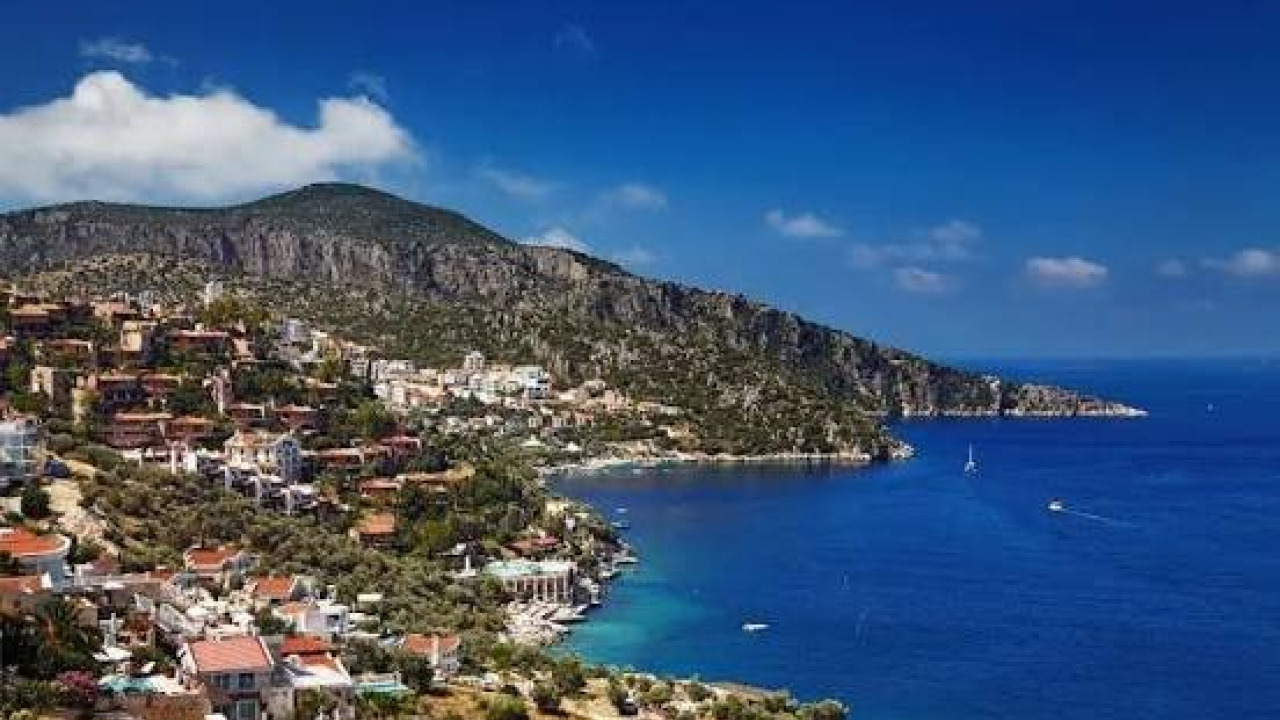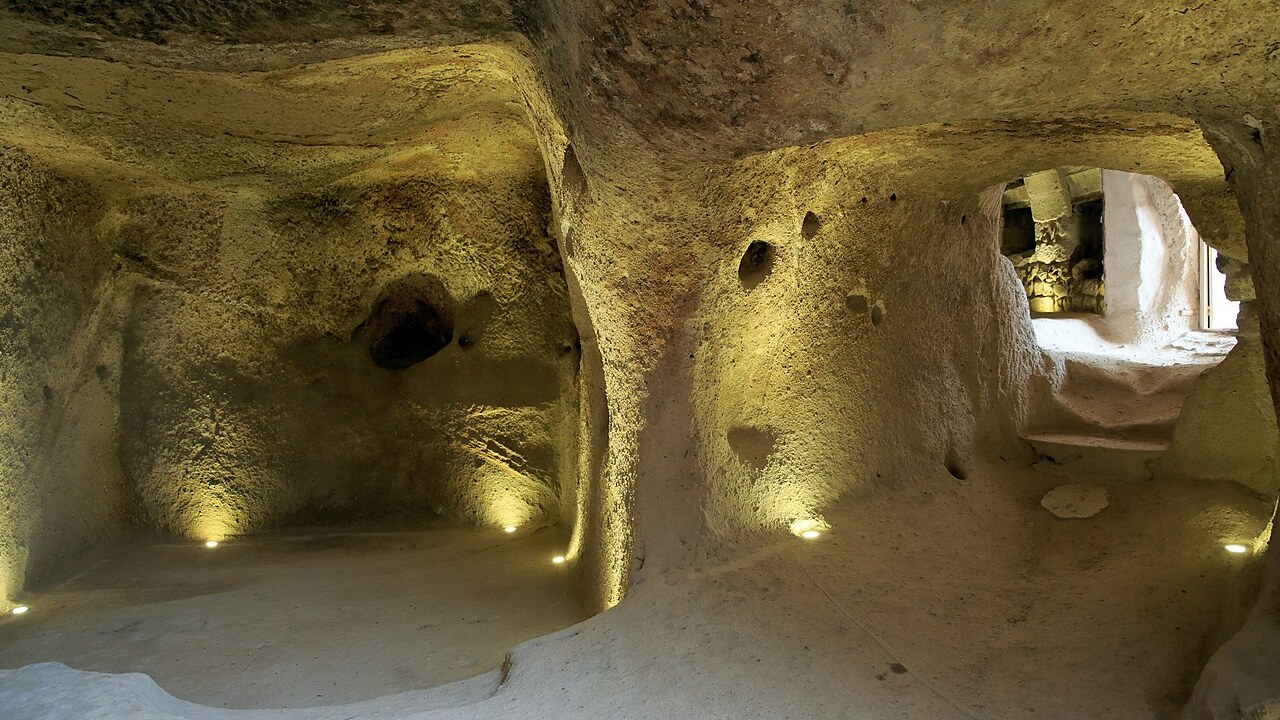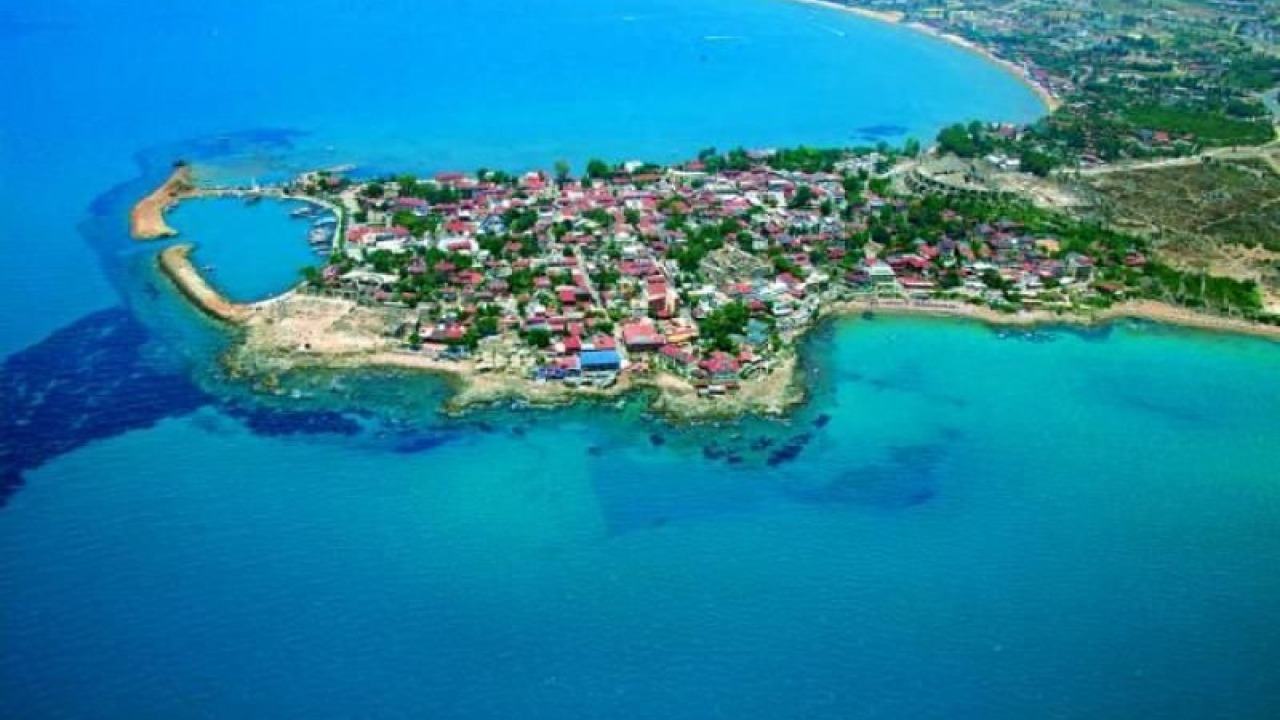

For those who truly know Side, it is far more than just another resort town. Located in the Manavgat district of Antalya, this unique settlement sits upon a peninsula roughly 350 to 400 meters wide, just 7 kilometers southwest of the district center. With roots stretching back to the 7th century BC, Side has been continuously inhabited for millennia. Its name, derived from the Luwian language, translates to "pomegranate." Today, the ancient theater's stage wall and modern beachfront cafes coexist within a few hundred meters of each other.
This seamless blend of antiquity and modernity shapes how you should plan your visit. Whether you are looking for a history-heavy weekend, a beach-focused week with the kids, or a quiet getaway spent wandering the local bazaars, Side can accommodate it all. This guide isn't just about which tours to buy, it's about making the right choices: which month suits you best, how many days you need, and whether you should stay on the peninsula or along the surrounding coastline.
Local's Quick Summary: 3 to 4 days is ideal for Side. The Ancient City, the agora, and the open-air museum at the Temple of Apollo are all clustered together and can be explored in a single day. For families with children, the fine sandy beaches on the east and west coasts offer some of the most comfortable swimming spots in the Mediterranean.
Quick Facts
The following table provides the essential data to help you frame your trip to Side.
| Category | Details |
|---|---|
| Administrative Location | Antalya Province, Manavgat District |
| Distance to Manavgat Center | Approx. 7 km (Southwest) |
| Distance to Antalya Airport | Approx. 65 to 70 km by road |
| Distance to Antalya City Center | Approx. 75 km by road |
| Geography | Peninsula (350-400m wide) |
| History | Continuously inhabited since the 7th century BC |
| Meaning of Name | "Pomegranate" in Luwian |
| Climate | Mediterranean: Hot, dry summers; mild, rainy winters |
| Peak Heat | July and August |
| Key Ancient Sites | Ancient Theatre, Temple of Apollo, State Agora, Monumental Fountain |
| Museum | Side Museum (located within the Ancient Agora Bath) |
| Public Beaches | Evrenseki, Çamiçi, Çolaklı |
| Recommended Stay | 2 days for the peninsula, 4+ days for the wider region |
The narrowness of the peninsula defines Side's character. The road leading into the ancient city follows a tight axis, while most accommodation options are spread along the coastline outside the peninsula. For those looking to explore various activity options, our Side Tours page provides a comprehensive overview.
Who is Side For? Profile & Season Matching
It is hard to pigeonhole Side into one category. From a local's perspective, the experience depends entirely on your preference for history versus beach time and the month you visit.
| Profile | Best Timing | Local Insight | Where you'll spend most of your time |
|---|---|---|---|
| Families with Children | June, September | Warm seas; September offers milder midday heat | Kumköy, Çolaklı, Evrenseki coast, water parks |
| Couples | April, May, October | Perfect for evening strolls and seaside cafes | Side Old Town, coastal promenade |
| Budget Travelers | April, May, Oct, Nov | Municipal public beaches provide easy, affordable access | Çamiçi, Evrenseki, Çolaklı public beaches |
| History & Culture Buffs | March, April, November | The ancient city is best explored on foot in cooler months | Ancient Theatre, State Agora, Side Museum |
| Nature & Adventure Seekers | April, May, October | Lower temperatures make outdoor activities more enjoyable | Manavgat surroundings, canyons, and rivers |
| Beach Lovers (Long Stay) | June, July, August | Peak swimming season; coastal resorts are breezier than the center | Sorgun, Titreyengöl, Kumköy |
| Foodies & Shoppers | May, September, October | The bazaar is a pedestrian-friendly zone with many family-run spots | Side Bazaar, beachfront strip |
Most of these interests overlap. A culture seeker can explore the ruins in the morning and hit the beach in the afternoon. For those seeking guided experiences, our cultural programs combine both in a single day.
When to Visit: Month-by-Month Local Guide
Side enjoys a classic Mediterranean climate: sunny most of the year, with hot, dry summers and mild, rainy winters. July and August are the peak of summer. This climate creates vastly different experiences depending on the month.
| Month | Weather & Sea | Swimming Season | Local Recommendation |
|---|---|---|---|
| January | Mild & rainy; sea is cold | Off-season | Focus on a quiet itinerary: ancient city and museum |
| February | Mild; sunny days increase | Off-season | Great for walking tours and history-focused trips |
| March | Less rain; days warm up | Off-season | Ideal for culture; the sea is still too chilly |
| April | Spring; plenty of sunshine | Pre-season | Combine the ancient city with outdoor activities |
| May | Warming up; sea becomes pleasant | Season start | A perfect balance for both beach and history |
| June | Summer begins; dry and sunny | Mid-season | Sightsee in the morning/evening; stay shaded at noon |
| July | Peak heat; very dry | Mid-season | Focus on the sea; visit the ancient city at sunset |
| August | Hot and dry | Mid-season | Book early; coastal resorts are more refreshing than the center |
| September | Air cools down; sea stays warm | Late season | The "sweet spot" where air and water temperatures align |
| October | Mild; first rains may appear | Late season | Still great for long walks and boat trips |
| November | Increased rain; mild air | Off-season | Plan a history-heavy weekend at the museum and ruins |
| December | Mild and rainy | Off-season | A peaceful time for a history-focused getaway |
The Bottom Line: May and September are the best months to enjoy both the beach and the ruins comfortably. July and August are for the ocean, pushing sightseeing to the evening. November through March is the time for history and avoiding the crowds.
Where to Stay: Inside Side and Beyond
When asking "where to stay" in Side, you are really asking "how far am I willing to travel?" Because the peninsula is narrow, most hotels are located in the surrounding coastal neighborhoods.
| Area | Character | Best For | Local Note |
|---|---|---|---|
| Side Center (Old Town) | Heart of the ancient city; pedestrian bazaar and promenade | Couples, culture seekers, short stays | Everything is walkable; cars are limited |
| Kumköy | Wide sandy beaches; dense hotel zone | Families, long beach holidays | Close to the center with excellent beach access |
| Evrenseki | Quiet coastline with a great public beach | Budget travelers, peace seekers | The municipal beach makes shore access easy |
| Çolaklı | Organized coast with a large public beach | Families, day-trippers | The public beach is the main draw here |
| Çamiçi | Sparse settlement; mostly public beaches | Those avoiding crowds | You'll need a car or shuttle for transport |
| Sorgun & Titreyengöl | Where forest meets sea; luxury resort hub | Long stays, nature lovers | Strong nature vibe; requires a car to reach the center |
| Manavgat Center | Administrative and commercial hub | Those planning to explore the region by car | 7 km to Side; a great base for regional excursions |
Three criteria for choosing your spot:
- Walkability vs. Beach Width: Stay in the Old Town for easy evening strolls; choose Kumköy if you want a wide stretch of sand.
- Budget Access: Evrenseki, Çamiçi, and Çolaklı public beaches are run by the municipality and are ideal for budget-conscious trips.
- Regional Exploration: If you plan to visit the nature spots around Manavgat, staying in the center or the Sorgun line offers more flexibility.
Recommended Themes
Side offers four distinct experiences. From a local's perspective, it's better to spread these across different days rather than cramming them into one.
Culture and Ancient Heritage
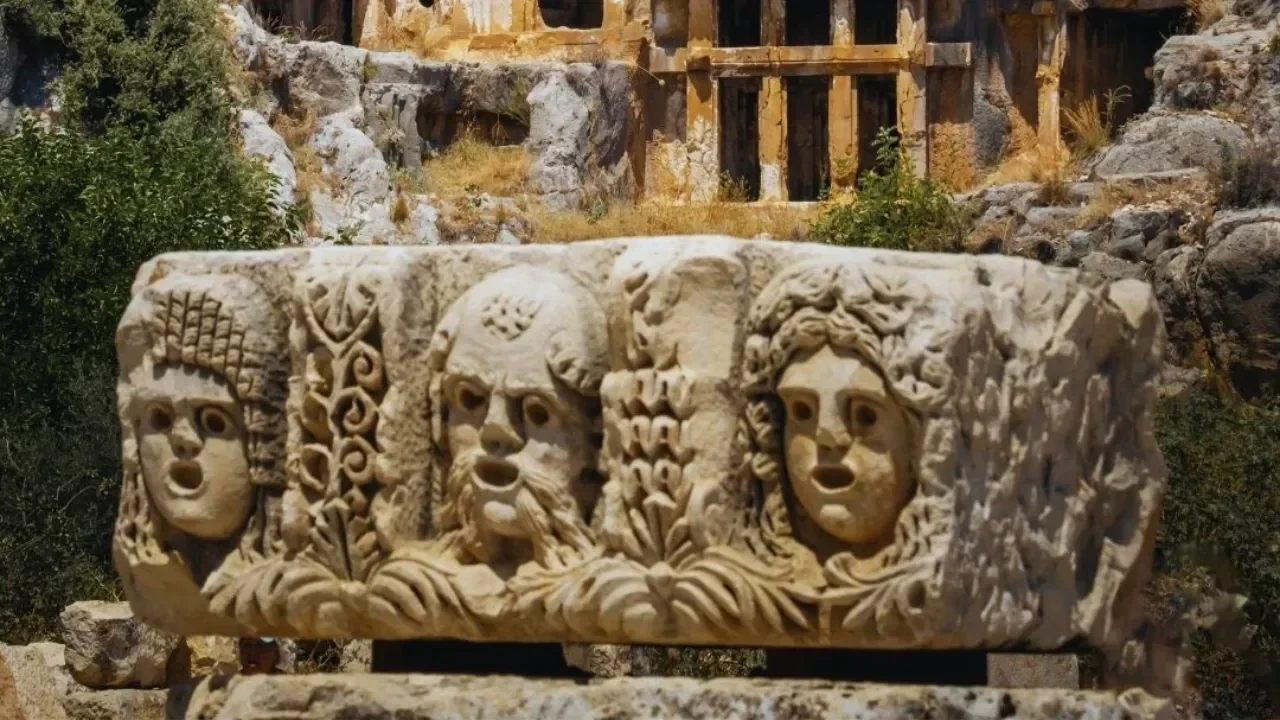
The ancient city is the backbone of the peninsula. The Ancient Theatre (dating to the 2nd century AD with its three-story stage), the Temple of Apollo, the State Agora, and the Monumental Fountain (Nymphaeum) are all within walking distance.
The Side Museum is uniquely housed within the Ancient Agora Bath, meaning you are exploring an ancient structure while viewing the exhibits. The center is pedestrian-only, making the agora, temple, and ancient harbor perfect for evening walks. This is a huge advantage: on a hot summer day, you can move your cultural exploration to the late afternoon without losing any time.
Pro tip: Check the opening hours for the museum and theatre before you head out.
Sea, Beach, and Coastline
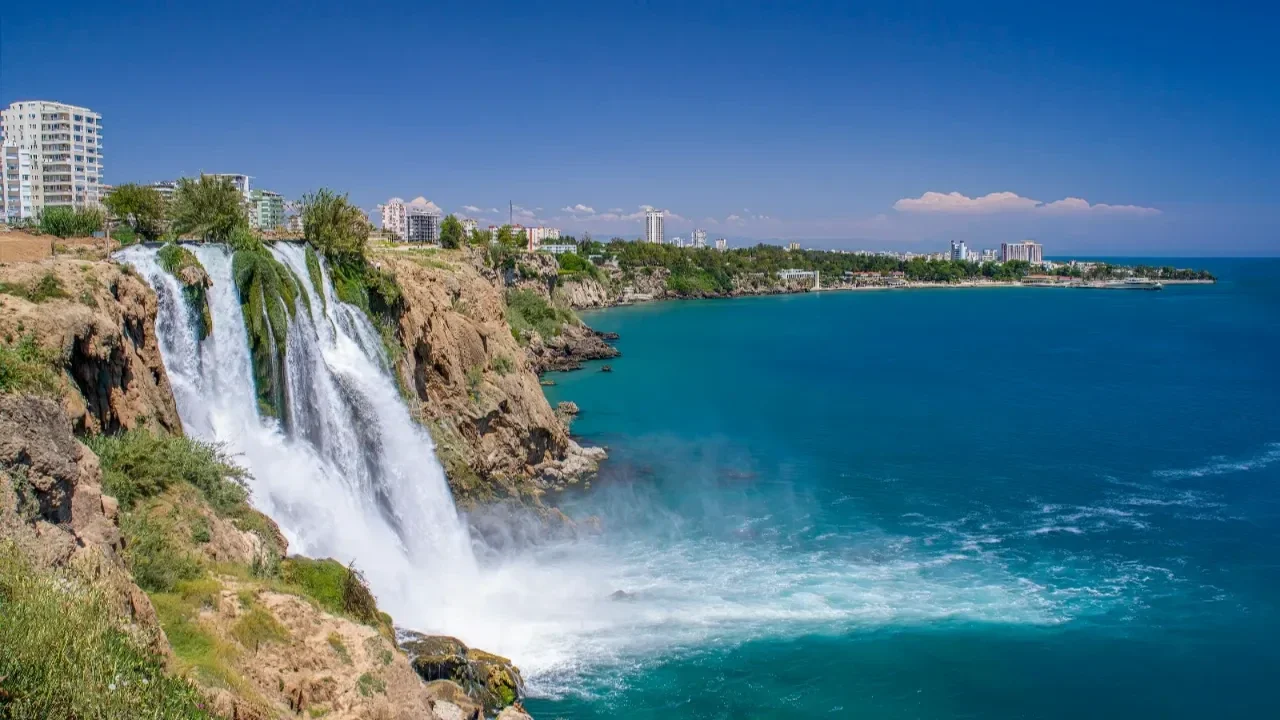
The coastline wraps around both sides of the peninsula. Kumköy is a family favorite due to its wide sands. Evrenseki, Çamiçi, and Çolaklı offer accessible public beaches for those on a budget.
To see the coastline from a different perspective, daily boat trips depart every morning. For families looking for a break from the salt water, Amazon Water World is a fantastic alternative.
Nature and Adventure
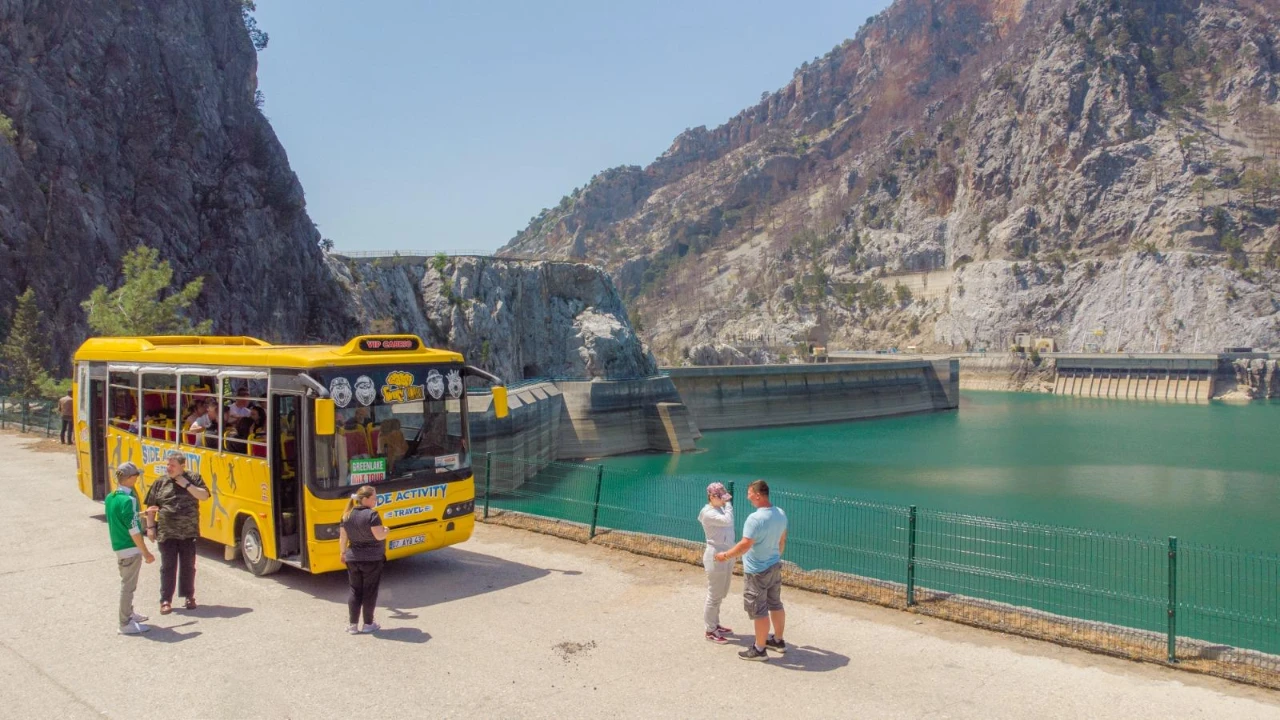
Since Side is an urban ancient settlement, nature programs usually head toward the Manavgat river and canyon systems. Rafting, jeep safaris, and canyon trekking are the highlights here. April, May, and October are the most comfortable months for these activities.
Most nature and adventure options are full-day excursions, so don't try to fit a culture tour on the same day.
Gastronomy and Bazaar Evenings
The Side bazaar is a well-organized pedestrian zone lined with cafes and bars along the waterfront. For dining, small family-run establishments are the local gems. The layout of the peninsula suggests a natural evening rhythm: a sunset stroll along the promenade, dinner in the bazaar, and a short moonlit tour of the ruins.



Getting to Side and Its Location
Side's location dictates your transport plan. The peninsula is about 65 to 70 kilometers east of Antalya Airport, south of the D400 highway.
- Arrival at Antalya Airport. Most visitors start here. Road connections are immediate upon exiting the terminal.
- The D400 Eastbound. Head onto the D400 and follow signs for Manavgat. This is the main leg of the journey.
- The Manavgat Turn-off. Turn south near Manavgat to enter the road leading to the Side peninsula. It's about 7 km from the center to the coast.
- Entering the Peninsula. The ancient city is primarily pedestrian. If staying in the center, leave your car at the entrance; if staying in the resorts, you can drive further.
- Reaching Your Hotel. Depending on whether you are in Kumköy, Evrenseki, Çolaklı, Çamiçi, or Sorgun, the final transfer can take anywhere from a few minutes to half an hour.
For a seamless experience, airport transfer options provide door-to-door service. The drive usually takes about an hour, but summer traffic can add to this, so leave yourself plenty of time on arrival day.






How Many Days Should You Spend?
Your duration depends on whether you want to see just the peninsula or the entire region.
- 2 Days: Sufficient for the Ancient City, Side Museum, the bazaar, and the promenade. Perfect for a culture-focused weekend.
- 3 Days: Adds a full beach day at Kumköy or one of the public beaches. A balanced choice for couples.
- 4 to 5 Days: Allows for the ancient city, the beach, a boat trip, and an excursion to the Manavgat surroundings. This is the most popular choice for families.
- 7+ Days: Ideal for those wanting a slow-paced beach holiday combined with nature programs and day trips to other nearby ancient sites.
For a detailed list of sights, check out our guide on places to visit in Side and Manavgat.
Neighboring Destinations
Using Side as your base opens up several nearby gems for day trips:
- Manavgat: The district center (7 km away) is the hub for regional trips. The Manavgat Waterfall is the most famous natural landmark here.
- Köprülü Kanyon: The go-to spot for rafting and canyon trekking. Most nature tours from Side head in this direction.
- Titreyengöl and Sorgun: A serene area where forests meet the sea, perfect for those seeking quiet luxury.
- Antalya Center: About 75 km west (further than the airport), offering a different set of museums, city life, and beaches.
- Other Ancient Sites: The region is dotted with ruins beyond Side, making it easy to expand a history-focused itinerary.
Frequently Asked Questions 5
When is the best time to visit Side for a balanced trip?
May and September are the top choices for those who want both beach and history. In May, the weather warms up and the sea begins to heat; in September, the air cools while the sea remains warm. July and August are the hottest months, making the trip very beach-centric. November through March is ideal for quiet museum and ruin visits.
Is the Museum Pass (Müzekart) valid at the Side Ancient City and Theatre?
Yes, the theatre and the Side Museum are under the Ministry of Culture and Tourism, so the Museum Pass is valid. Open-air areas like the Temple of Apollo and the agora can be visited freely.
Do I need a professional guide to explore Side?
You can easily walk through the Ancient City on your own. However, to truly understand the mythological background of the three-story theatre, the colonnaded street, and the agora baths, a licensed professional guide provides a significant advantage.
What should I wear when visiting the ancient sites?
Orthopedic walking shoes with good grip are essential for the thousands-of-years-old stone pavements. In summer, bring a hat, sunglasses, and light-colored cotton clothing. Please remember that touching historical columns or taking stones is strictly prohibited by law.
Should I stay inside the peninsula or along the coast?
The Old Town (inside the peninsula) is perfect for couples and culture seekers who want everything within walking distance. Families looking for wide sandy beaches should opt for beach resorts in Kumköy, Çolaklı, or Sorgun.