Rising from the heart of the Fertile Crescent, the ancient "City of Prophets," Şanlıurfa, is a global focal point for archaeological discovery, challenging everything we thought we knew about human history. Göbeklitepe and Karahantepe, dating back 12,000 years to the Pre-Pottery Neolithic era, have proven that humanity was constructing monumental temples and gathering centers long before the advent of settled agriculture. These megalithic structures, brought to light through the Taş Tepeler project, are widely regarded as the "zero point in time."
A journey through Şanlıurfa's ancient routes offers much more than just the massive T-shaped pillars of the Neolithic period; it is a rich chronological odyssey that includes the iconic conical beehive houses of Harran, the ruins of the world's first Islamic university, and Roman-era rock tombs. Guided by professional archaeology experts, visitors can unlock the mysteries of the wild animal reliefs and enigmatic symbols carved into these ancient stone columns.
Quick Facts for Your Şanlıurfa Ancient Cities Tour
Ancient city discovery tours departing from Şanlıurfa city center are intensive, full-day cultural itineraries covering the archaeological sites of Göbeklitepe, Karahantepe, and Harran. Visitors can explore excavation sites under modern protective canopies and visit world-class museums. The practical summary table below outlines the essential details of this fascinating discovery route.
| Feature | Quick Visitor Summary |
|---|---|
| Main Archaeological Sites | Göbeklitepe, Karahantepe, Harran Archaeological Site, Şuayb City |
| Historical Eras | Neolithic Age (9600 BC), Roman, Umayyad, and Islamic periods |
| Key Highlights | T-shaped pillars, anthropomorphic statues, beehive houses |
| Tour Duration | Full-day program (approx. 8 to 9 hours of active touring) |
| Museum Status | Turkish Ministry of Culture Site (Museum Pass/MüzeKart valid) |
| Best Suited For | Archaeology and history enthusiasts, students, cultural travelers |
Modern interpretation centers and digital storytelling make it easy to grasp how Neolithic hunter-gatherers managed to transport and erect these massive pillars. Air-conditioned shuttle transfers ensure a comfortable travel experience despite the Mesopotamian heat. Witness the dawn of human history with our Şanlıurfa ancient city and culture tours.
Major Ancient Centers to Visit Around Şanlıurfa
The Taş Tepeler, rising above the limestone plateaus of Southeastern Anatolia, represent a network of sacred spaces where the first steps of human civilization were taken. These sites reveal that the people of that era possessed highly advanced belief systems and sophisticated artistic aesthetics.
The primary archaeological sites in the region offer visitors a profound philosophical connection to the past.
Göbeklitepe: Humanity's First Monumental Temple
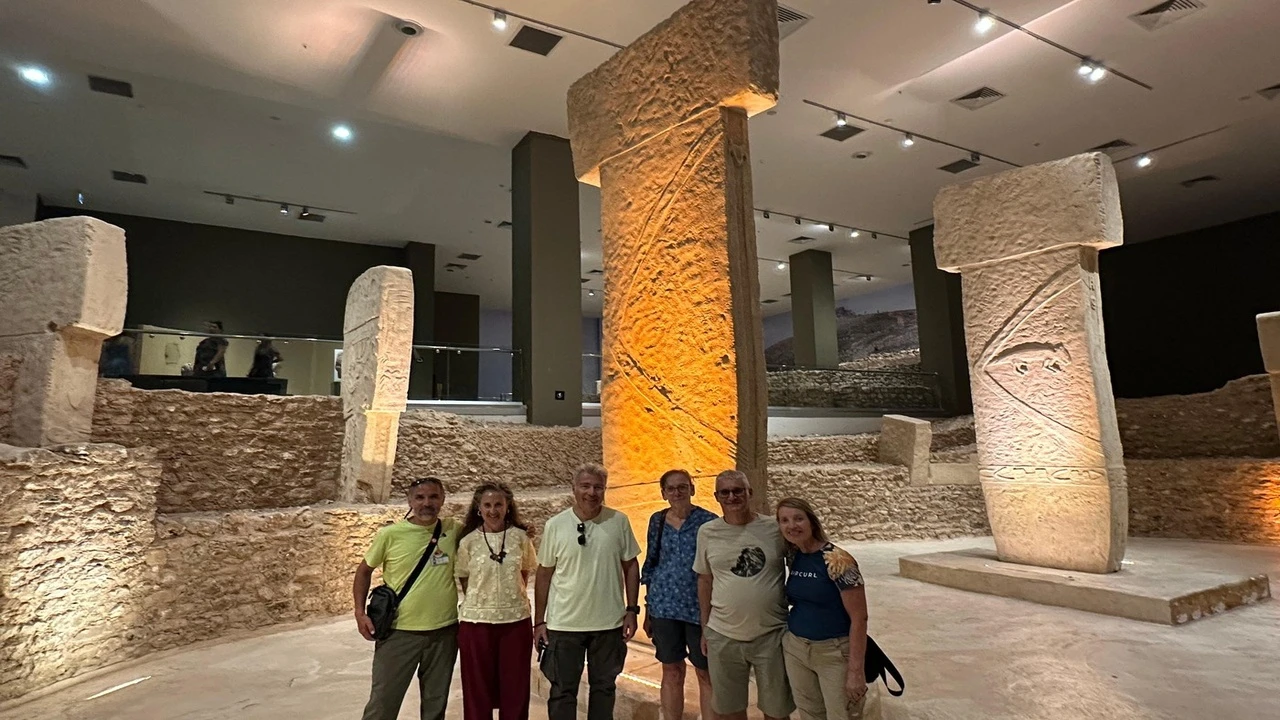
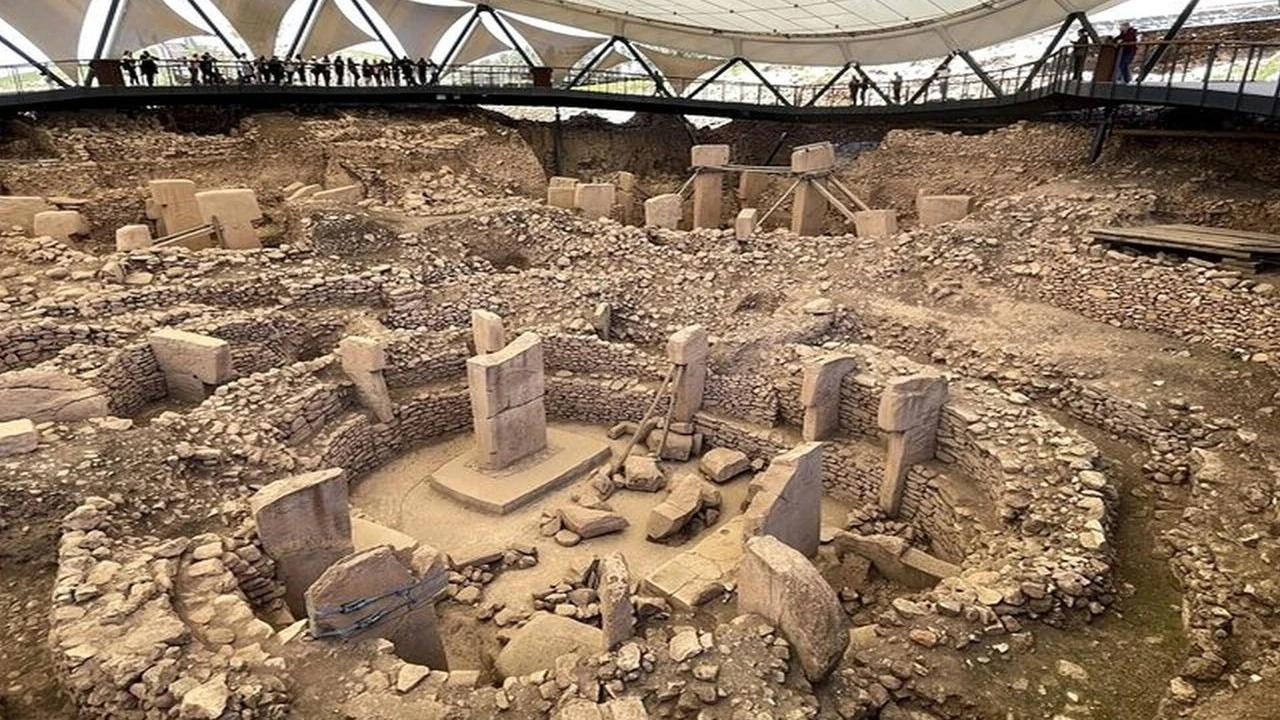
Located just 18 kilometers from Şanlıurfa center, Göbeklitepe has shaken the world of archaeology with its circular temple enclosures and T-shaped limestone pillars weighing up to 16 tons. The high-relief carvings of foxes, wild boars, cranes, snakes, and lions reflect the rich fauna and mythological symbolism of the era.
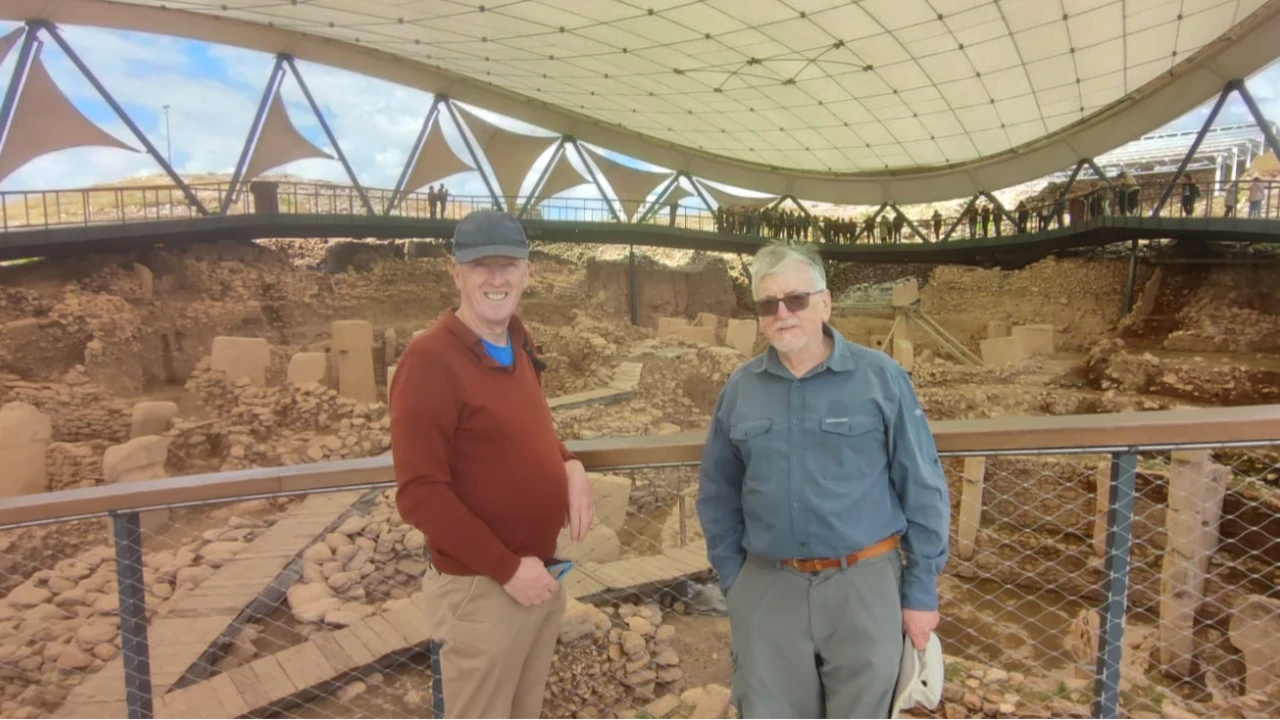
The carvings on the T-shaped pillars, which resemble arms and fingers, provide evidence that these were stylized representations of human beings. Looking out from the wooden walkways under the protective roof, the architectural geometry of structures A, B, C, and D inspires awe in every visitor.
Karahantepe and the Taş Tepeler Discoveries
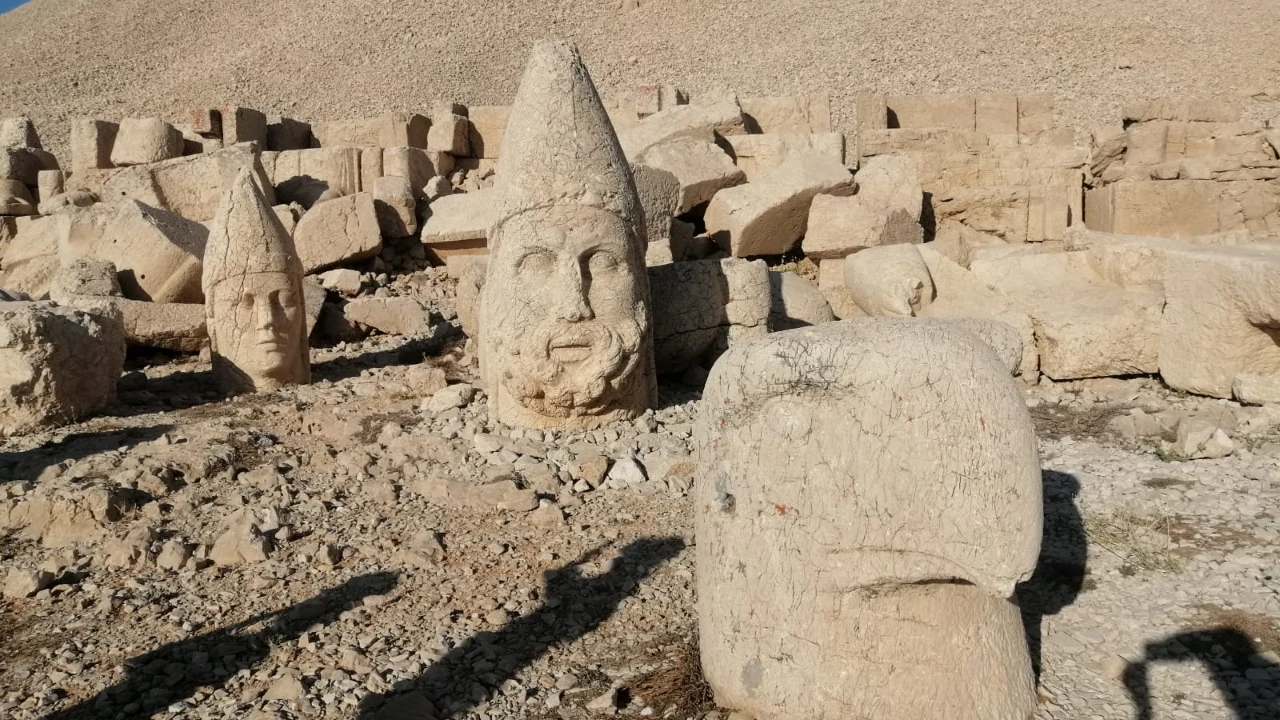
As the most exciting component of the Taş Tepeler project following Göbeklitepe, Karahantepe opens new doors into the Neolithic period with its rock-cut monumental structures and human-headed statues. The massive human head sculpture located within a special meeting area carved into the bedrock, surrounded by phallic pillars, serves as a mesmerizing ritual center.
The three-dimensional, realistic human statues found at Karahantepe showcase an incredible level of sculptural mastery achieved during that period. As excavations are still ongoing, visitors feel the thrill of being part of a living archaeological discovery.
Harran Archaeological Site and Conical Beehive Houses
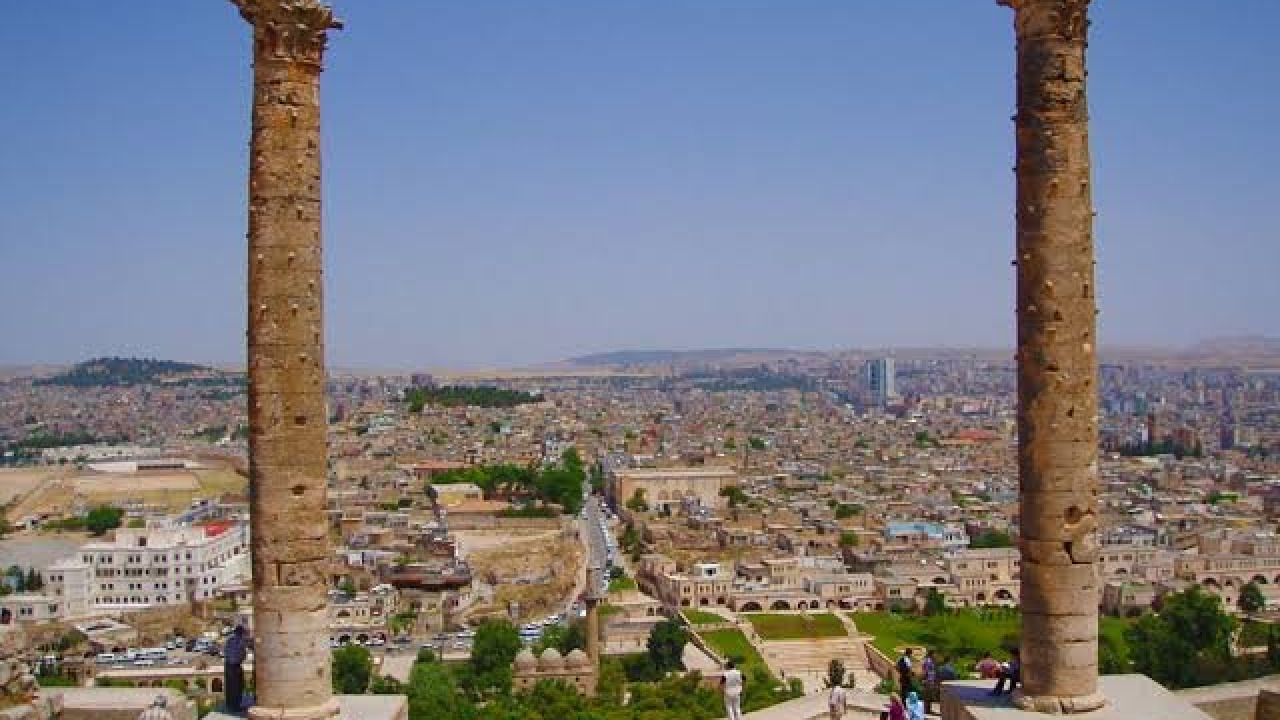
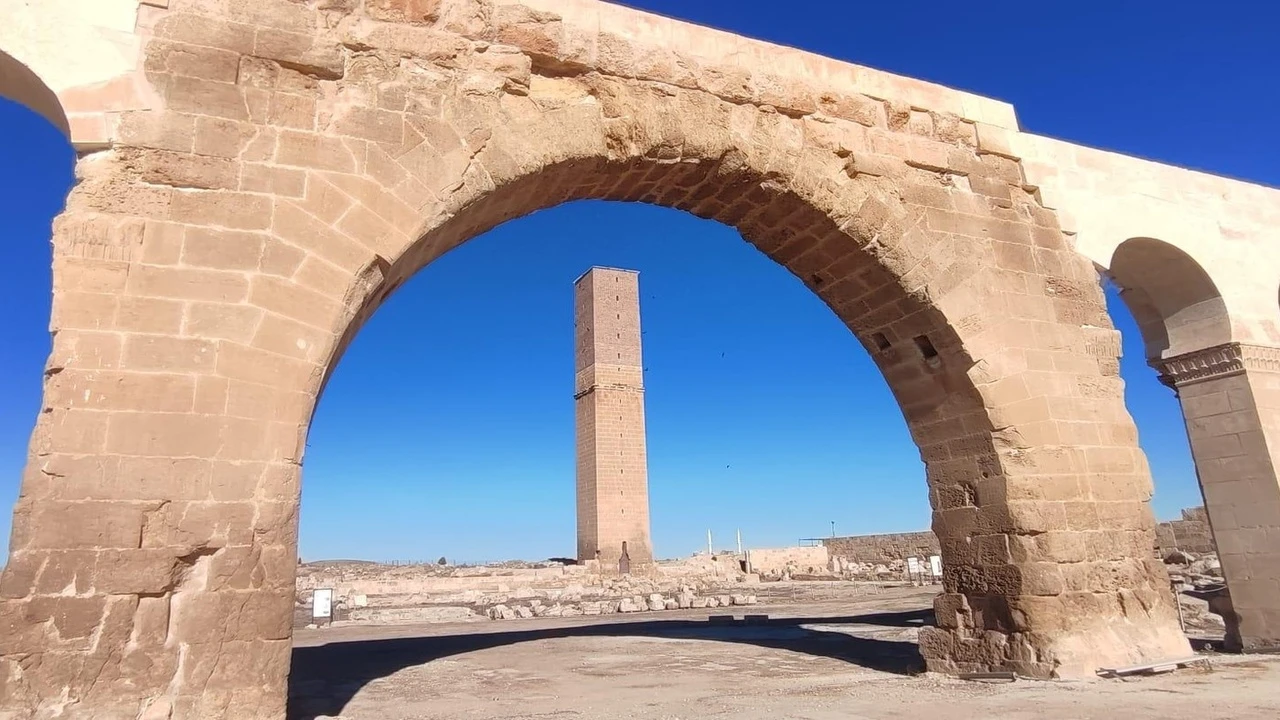
Heading south, the historic Harran plain is one of the world's oldest continuously inhabited settlements. The ancient walls surrounding the city, the ruins of the Great Mosque from the Umayyad period, and the observatory tower of the first Islamic university symbolize the region's profound scientific heritage.
The iconic conical beehive houses of Harran are architectural marvels built using a unique layering technique without mortar or timber. These unique structures, which stay cool in the summer and warm in the winter, reflect a centuries-old way of life perfectly adapted to the Mesopotamian climate.
The circular structures unearthed during the excavations at Göbeklitepe document the collective memory of hunter-gatherer communities. The meticulously carved leopard and snake reliefs on the T-pillars demonstrate the richness of the era's spiritual world. As visitors walk along the ramps under the protective canopy, they can feel the spiritual atmosphere created by these monumental monoliths.
The ritual rooms carved into the bedrock at Karahantepe have opened new horizons in our understanding of Neolithic architecture. The rock-cut human head and the surrounding pillars were once the grand stages for ancient communal ceremonies. The meticulous work of archaeologists continues to add new layers to the history of Mesopotamia every single day.
The beehive houses rising from the yellow mud-brick soil of the Harran Plain are a brilliant solution to the desert climate. Air holes at the top of the domes allow hot air to escape, creating natural ventilation and coolness inside. Sipping traditional mırra coffee in the courtyard of these ancient homes allows you to experience the legendary hospitality of Eastern culture.
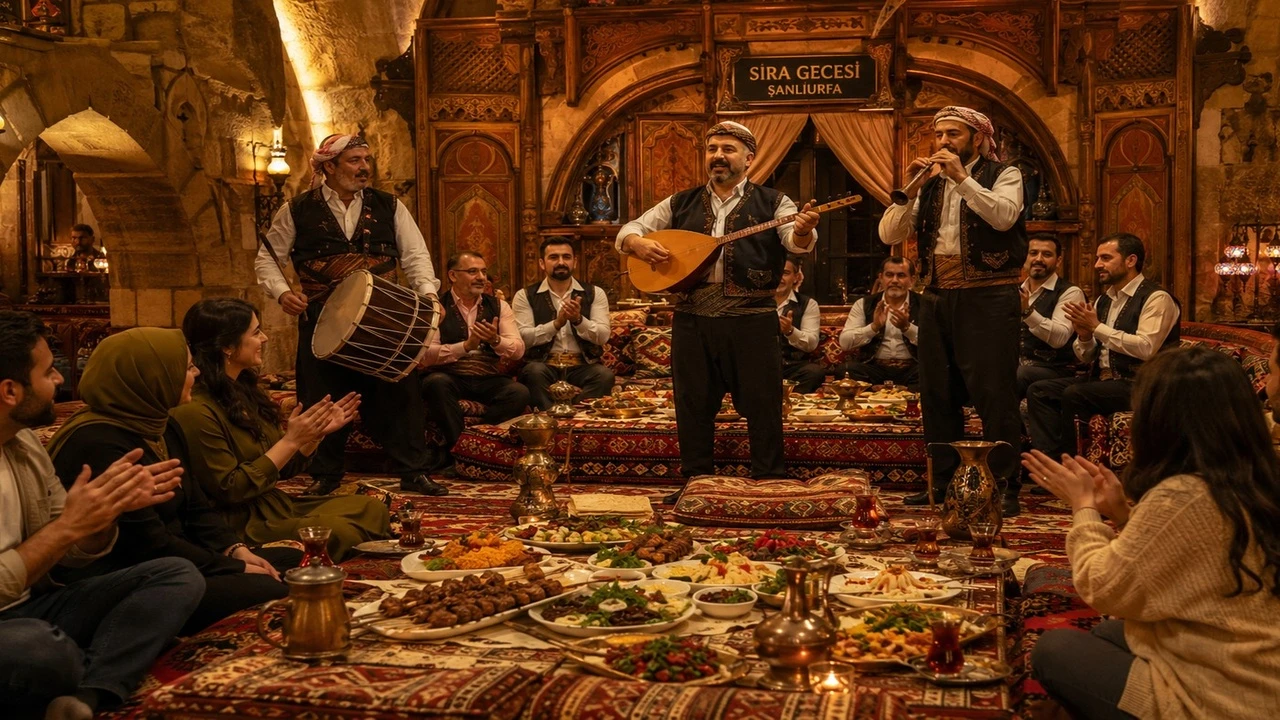
As the sun sets, the Mesopotamian plain is bathed in crimson, casting magical shadows across the ancient stones. Upon returning to the historic streets of Şanlıurfa, the traditional Sıra Gecesi melodies heard in the old inns provide the perfect finale to your journey.
Step-by-Step Şanlıurfa Ancient Cities Itinerary
A highly efficient day trip covering the Neolithic and historical riches of Şanlıurfa typically follows these steps:
- Şanlıurfa Archaeology Museum: Start at 08:30 AM at Turkey's largest museum complex; explore the "Man of Balıklıgöl" and the Neolithic halls.
- Göbeklitepe Exploration: Arrive at Göbeklitepe within 20 minutes from the city center; visit the interpretation center and the monumental temples.
- Traditional Urfa Cuisine Lunch: Enjoy authentic flavors like Urfa kebab, çiğ köfte, and bostana salad at a historic local inn.
- Karahantepe and Excavation Site: Head to Karahantepe in the afternoon to inspect the rock-cut human head and ritual areas.
- Harran Beehive Houses and Observatory: Conclude the tour in Harran by exploring the conical houses and sipping local mırra coffee, finishing around 06:00 PM.
Comparative Analysis of Şanlıurfa Neolithic Centers
The various archaeological sites within the Taş Tepeler project each possess unique characteristics in terms of architectural style and findings.
| Site | Chronological Age | Architectural Character | Key Statues & Reliefs |
|---|---|---|---|
| Göbeklitepe | 9600 - 8200 BC | Circular temples, T-pillars | Wild animal reliefs, foxes |
| Karahantepe | 9400 - 8000 BC | Rock-cut structures, rectangular | Human head statue, 3D figures |
| Sayburç | Around 9000 BC | Rock-cut benches | Leopard and human relief friezes |
| Harran | 3000 BC - Middle Ages | Mud-brick conical domes, fortress | Islamic university ruins |
These sites document the cognitive revolution of Mesopotamia as it transitioned from hunter-gatherer societies to settled agricultural communities. To discover the spiritual landmarks in the city center, check out our Şanlıurfa Balıklıgöl and historic bazaars guide.
Practical Tips for Your Ancient City Tour
To ensure a comfortable and productive cultural trip through the open landscapes of Southeastern Anatolia, consider the following:
- Since walking distances can be significant in large excavation sites, wear comfortable, orthopedic walking shoes that are dust-resistant.
- The Mesopotamian sun can be intense; always carry a wide-brimmed hat, sunglasses, and high-SPF sunscreen.
- As there is distance between archaeological sites, we recommend carrying an adequate supply of drinking water.
- To preserve this precious heritage, it is essential not to touch the delicate limestone pillars or the protective barriers.
- Visiting the Şanlıurfa Archaeology Museum before the archaeological sites makes it much easier to understand the context of the stones you will see in the field.
When photographing, remember that animal reliefs on the pillars are most visible when the low-angle sunlight of early morning or late afternoon hits them. Wide-angle lenses are ideal for capturing the full scale of the circular temples.
During your visit to Harran, remember the local etiquette: when drinking traditional mırra coffee, do not place the cup on the table; instead, return it directly to the person who served you. For more travel inspiration, explore our Southeastern Anatolia culture tours page.
Best Time to Visit and Getting to Şanlıurfa
The ideal seasons for visiting the ancient cities of Şanlıurfa and its surroundings are spring (March, April, May) and autumn (September, October, November). During these months, temperatures hover around 20-25°C, making outdoor walking tours extremely pleasant. In the summer, temperatures can exceed 40°C, so early morning starts are highly recommended.
The excavations conducted within the Taş Tepeler project are introducing Anatolia's pioneering role in human history to the entire world. The symbols found at Göbeklitepe and Karahantepe prove that hunter-gatherers possessed a complex and sophisticated intellectual world. Information panels and digital guides at the sites clearly explain the architectural secrets of every structure.
Walking through the historic streets of Harran, the durability of the conical mud-brick houses against the test of time is truly impressive. Listening to the silence of the Mesopotamian plain under the heat of the Southeastern sun transports you back thousands of years. This journey, completed with the historic flavors of ancient Urfa, is nothing short of a pilgrimage to the beginning of time.
As dusk falls over the Taş Tepeler landscape, a golden glow spreads across the fertile lands of the Mesopotamian plain. The hours spent in these sacred lands, where history was born, constitute an unforgettable journey into the collective memory of humanity.
Şanlıurfa GAP Airport is located 35 kilometers from the city center and offers daily direct flights from Istanbul, Ankara, and Izmir. You can reach the city center from the airport in about 40 minutes via HAVAŞ shuttles. Göbeklitepe and Harran are easily accessible from the city center via municipal buses or daily tour services.
Frequently Asked Questions 5
Can Göbeklitepe and Harran be visited on the same day?
Yes, by planning Göbeklitepe and the museum in the morning and Karahantepe and Harran in the afternoon, you can comfortably visit all sites on a full-day itinerary.
Is the Museum Pass (MüzeKart) valid at these sites?
Yes, the Museum Pass is valid for Turkish citizens at Göbeklitepe, Karahantepe, and the Şanlıurfa Archaeology Museum.
Is the Göbeklitepe excavation site accessible for wheelchairs or strollers?
Yes, the wooden walking platforms and ramps surrounding the excavation site are fully compliant with wheelchair and stroller access.
Is Karahantepe open to visitors?
Yes, the Karahantepe archaeological site is currently welcoming visitors under controlled access as part of the Taş Tepeler project.
Can you sit inside the Harran beehive houses?
Yes, many beehive houses preserved as cultural centers allow visitors to sit on traditional floor cushions (sedir) and take souvenir photos in local attire.