Şanlıurfa, the city of prophets and ancient faiths, is a living open-air museum defined by its millennia-old stone mansions, labyrinthine alleys, and sacred pools steeped in legend. At the spiritual heart of the city lie the Halil-ür Rahman and Aynzeliha pools, the legendary sites where Prophet Abraham was cast into the fire. Here, the serene sight of sacred carp gliding through the water, framed by ancient plane trees and historic madrasas, offers visitors a moment of profound peace.
Our guided walking tours through the historic center take you from the Balıklıgöl plateau to the foothills of the Şanlıurfa Citadel, leading you directly into the bustling Ottoman-era caravanserais and traditional bazaars. Wandering through these stone-arched streets, accompanied by the aroma of exotic spices and the rhythmic clinking of coppersmiths' hammers, feels like stepping through a portal into another era. With the insights of our professional local guides, you will uncover the deep Sufi traditions and historical narratives hidden behind every stone facade.
The architectural soul of this ancient city is crafted from warm, yellow limestone. While these traditional structures may appear modest from the outside, opening their heavy doors reveals a breathtaking inner world of courtyard fountains and elegant eyvans (vaulted halls). As you navigate the walking route, the cool, shaded stone streets provide a natural sanctuary from the Mesopotamian sun, making every step a refreshing experience.
Quick Facts: Şanlıurfa City & Bazaar Walking Tour
Designed as a delightful cultural journey, our Şanlıurfa walking tours typically begin in the morning, connecting the city's most significant monuments on foot. The route traverses flat, pedestrian-friendly areas, allowing groups to explore historical sites at a relaxed pace with scheduled breaks in centuries-old hans (inns). The table below provides a practical overview of what to expect.
| Feature | Quick Visitor Summary |
|---|---|
| Starting Point | Halil-ür Rahman Mosque courtyard and Balıklıgöl plateau |
| Key Stops | Balıklıgöl, Aynzeliha Lake, Şanlıurfa Citadel, Gümrük Hanı, Coppersmiths' Bazaar |
| Walking Distance | Approximately 4 to 5 km of light-paced urban walking |
| Tour Duration | Half-day or full-day options (approx. 4 to 6 hours) |
| Local Flavors | Menengiç coffee, mırra, Urfa liver kebab, and şıllık dessert |
| Best Suited For | History buffs, culture seekers, photographers, and families |
The courtyard of Gümrük Hanı, located in the heart of the city's historic district, is a beloved spot to sip frothy menengiç coffee under the shade of ancient plane trees. The coolness of the stone floors and the gentle sound of water from the fountains offer a refreshing respite from the heat. You can discover the true soul of this ancient city alongside an expert guide with our Şanlıurfa guided walking tours.
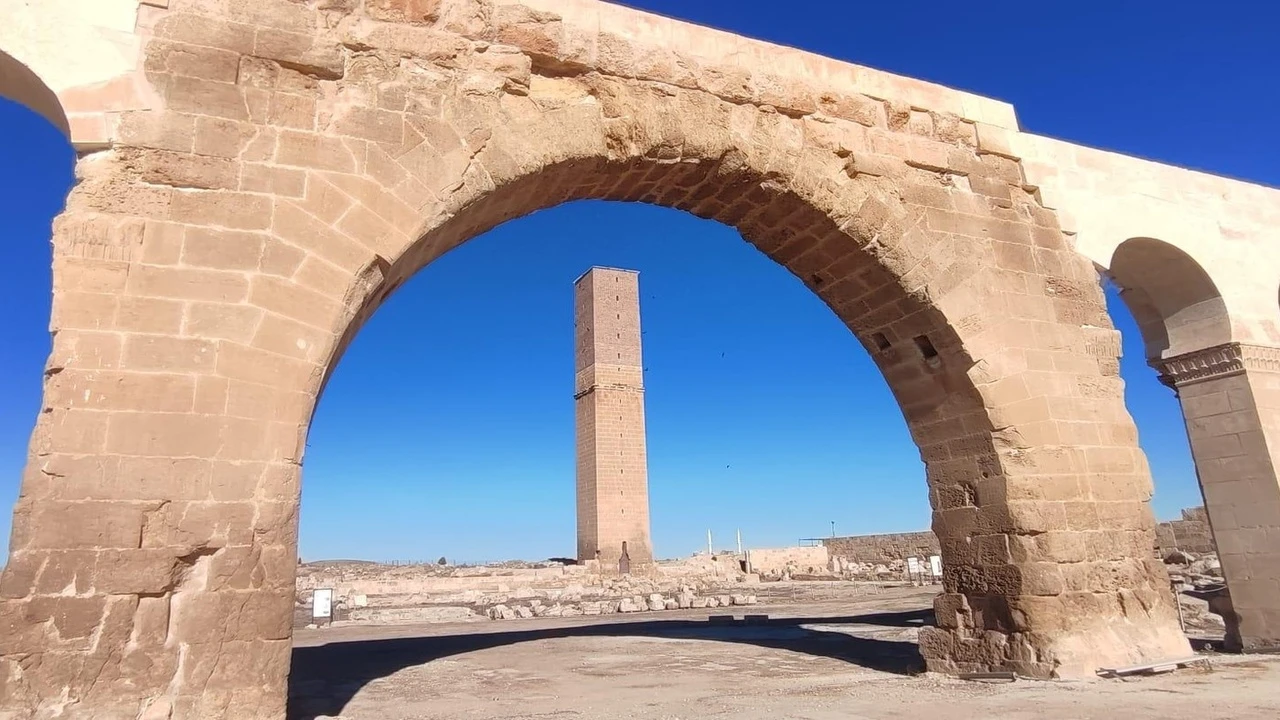
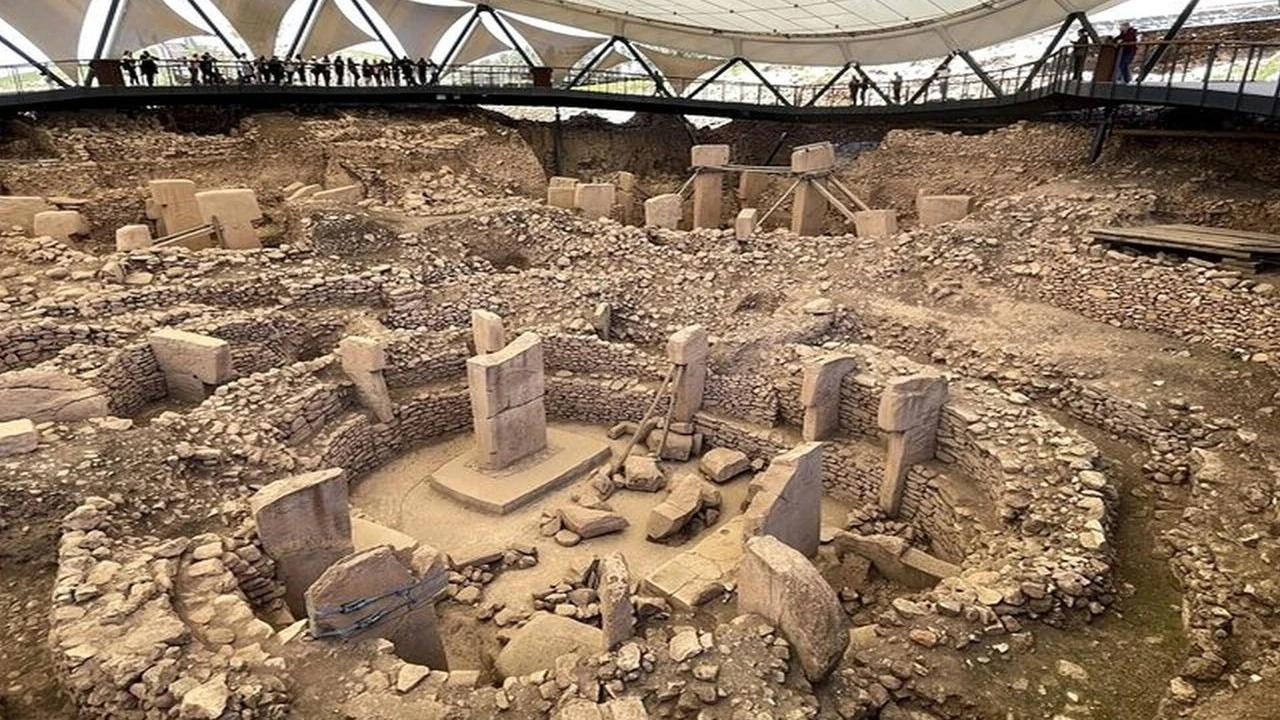
Must-See Historical Landmarks on the Şanlıurfa Walking Route
The historic center of Şanlıurfa boasts a unique urban fabric where sacred sites and traditional commercial hubs are seamlessly intertwined. Exquisite stone masonry is on full display, from the mosque courtyards to the arched walkways of the old inns.
Each stop on our walking route reflects the spiritual and cultural depth of the city, bringing the rhythms of past centuries into the present day.
Halil-ür Rahman and Aynzeliha Lakes
Halil-ür Rahman Lake is the city's most revered site. According to legend, when Prophet Abraham was thrown into the fire by King Nimrod, the flames turned into water and the wood turned into sacred carp. The Rızvaniye Mosque and madrasa rising by the water's edge create a mesmerizing silhouette, their arched porticos reflecting beautifully in the lake.
Adjacent to it lies Aynzeliha Lake, a sacred mirror of water believed to have been formed by the tears of Zeliha, the daughter of Nimrod. The lush green parks surrounding the pond and the small wooden boats on the water offer a tranquil space where visitors can find peace while feeding the fish.
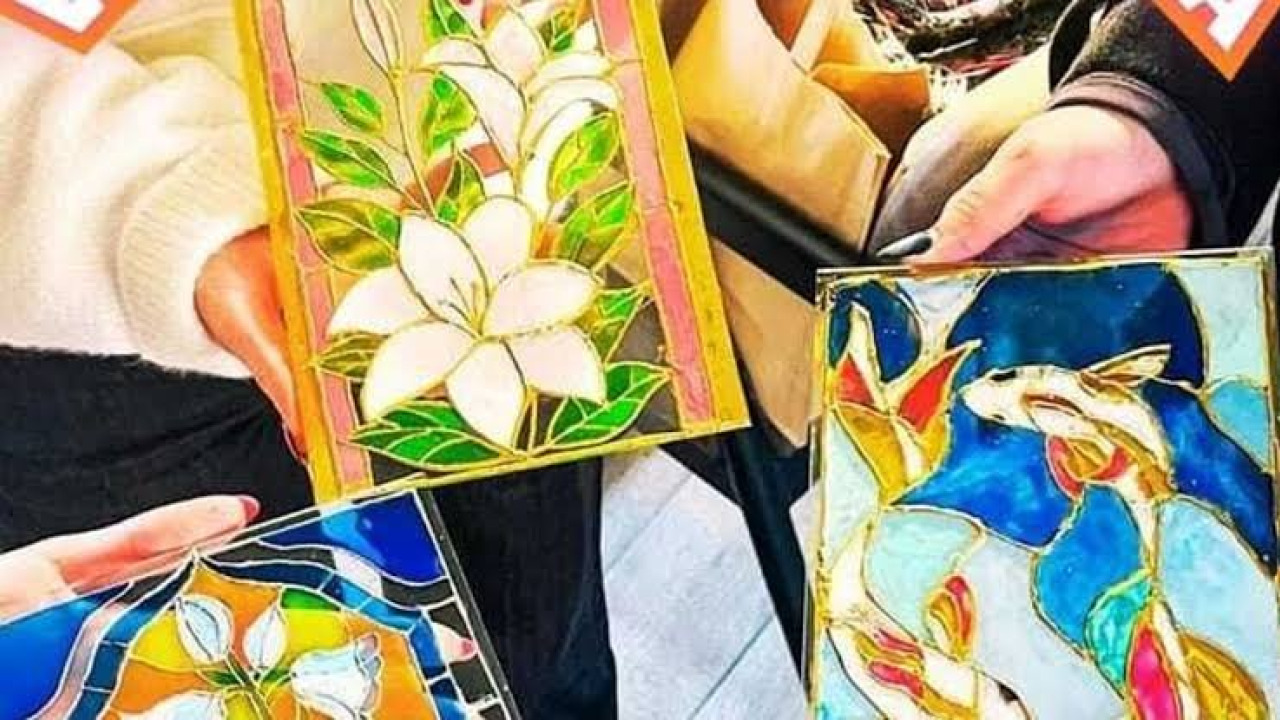
The ancient plane trees on the lake plateau provide much-needed shade during hot Mesopotamian days. Nearby, calligraphy and illumination workshops tucked under madrasa arches offer a rare glimpse into the city's living artistic traditions.
Şanlıurfa Citadel and the Twin Stone Columns
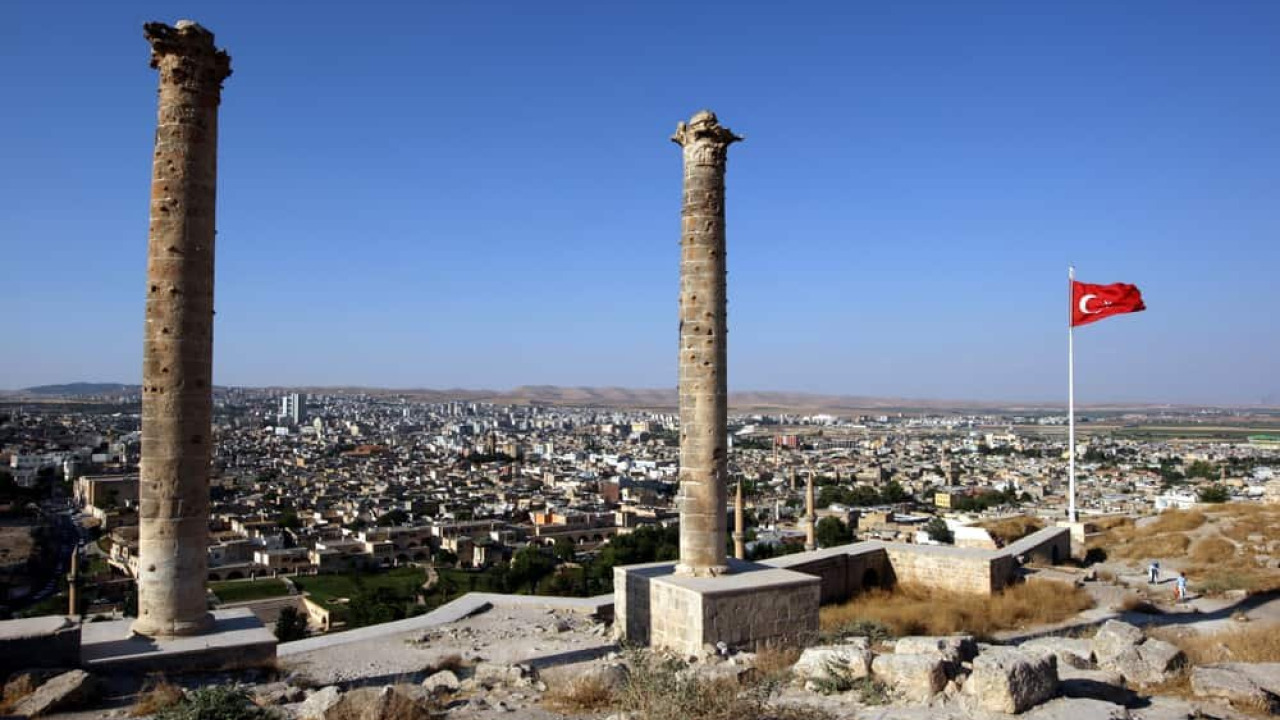
Perched on the slopes of Damlacık Mountain overlooking Balıklıgöl, the Şanlıurfa Citadel is a majestic defensive structure built upon rugged cliffs. The city's skyline is defined by two monumental Corinthian columns atop the citadel, known locally as "Nimrod's Catapults."
Hikers climbing to the citadel terrace are rewarded with panoramic views of traditional Urfa houses, slender minarets, and the vast Mesopotamian plains stretching into the distance. The Syriac inscriptions on the column bases offer vital clues to the region's multi-layered religious and cultural history.
The deep defensive moat surrounding the citadel is a massive feat of ancient engineering, carved directly into the rock during the Roman and Abbasid periods, illustrating how the city has been fortified since antiquity.
Gümrük Hanı and the Historic Bazaars
Built during the reign of Suleiman the Magnificent, Gümrük Hanı is a living example of Ottoman commercial architecture, featuring a two-story stone courtyard with arched galleries and a central water channel. The tea gardens on the ground floor serve as the city's most vibrant social hub, where locals and travelers mingle.
Surrounding the inn, markets such as Sipahi Pazarı, Kazzazlar Çarşısı, and the Coppersmiths' Bazaar (Bakırcılar Çarşısı) keep the pulse of vanishing traditional crafts alive. Watching copper masters hammer intricate designs onto trays and coffee pots in the narrow alleys is a captivating sensory experience.
In the bedesten (covered market) section, hand-woven silk fabrics and root-dyed carpets stand as testament to the city's glorious heritage on the Silk Road. While sipping coffee in the courtyard, guests can witness the enduring tradition of the local merchant class.
Historic Urfa Streets and "Kabaltı" Architecture
In the traditional neighborhoods of Urfa, streets are connected by vaulted stone passages known as kabaltı. These shaded corridors, created by the overhanging upper floors of houses, provide a natural shield against the wind in winter and the scorching sun in summer.
The sound of footsteps echoing through these narrow, white-stone streets transports visitors to a time of peaceful community life. The stone fountains and ornate door knockers tucked into the side streets add a touch of elegant authenticity to every photograph.
While walking through these historic quarters, you can visit cultural houses located within restored stone mansions, which showcase the nuances of traditional Urfa family life through their distinct haremlik (private) and selamlık (public) sections.
Step-by-Step Şanlıurfa Walking Tour Itinerary
To ensure you experience all the major monuments without getting lost in the winding streets, we recommend this efficient walking plan:
- Meet at Balıklıgöl Plateau: Gather in front of the Halil-ür Rahman Mosque at 09:00 AM to feed the sacred fish and hear the legends of the lake.
- Aynzeliha and Rızvaniye Madrasa: Explore the madrasa rooms and traditional calligraphy/ebru (water marbling) workshops to watch local artists at work.
- Citadel Panorama: Climb the stone steps to the citadel observation terrace to photograph the Corinthian columns and enjoy the city views.
- Menengiç Coffee at Gümrük Hanı: Head down to the bazaar district for a relaxing break with frothy menengiç coffee under an ancient plane tree.
- Historic Bazaars and Liver Kebab: Wander through the Coppersmiths' and Spice Bazaars, then enjoy a traditional Urfa liver kebab for lunch at a historic bazaar eatery.
Summary of Şanlıurfa’s Historic Landmarks
The different sites in the city center create a rich, interconnected route, each offering unique architectural and spiritual elements.
| Landmark | Era | Key Feature | Atmosphere |
|---|---|---|---|
| Balıklıgöl & Pools | Ayyubid & Ottoman | Sacred carp, arched madrasas | Peaceful, spiritual serenity |
| Şanlıurfa Citadel | Roman & Abbasid | 17-meter Corinthian columns | Airy, panoramic views |
| Gümrük Hanı | 1563 (Suleiman Era) | Stone courtyard with water channel | Vibrant, social, authentic |
| Coppersmiths' Bazaar | Ottoman Era | Vaulted alleys, copper smithing | Rhythmic, artisanal sounds |
| Traditional Kabaltılar | Seljuk & Ottoman | Stone arched street passages | Cool, labyrinthine, historic |
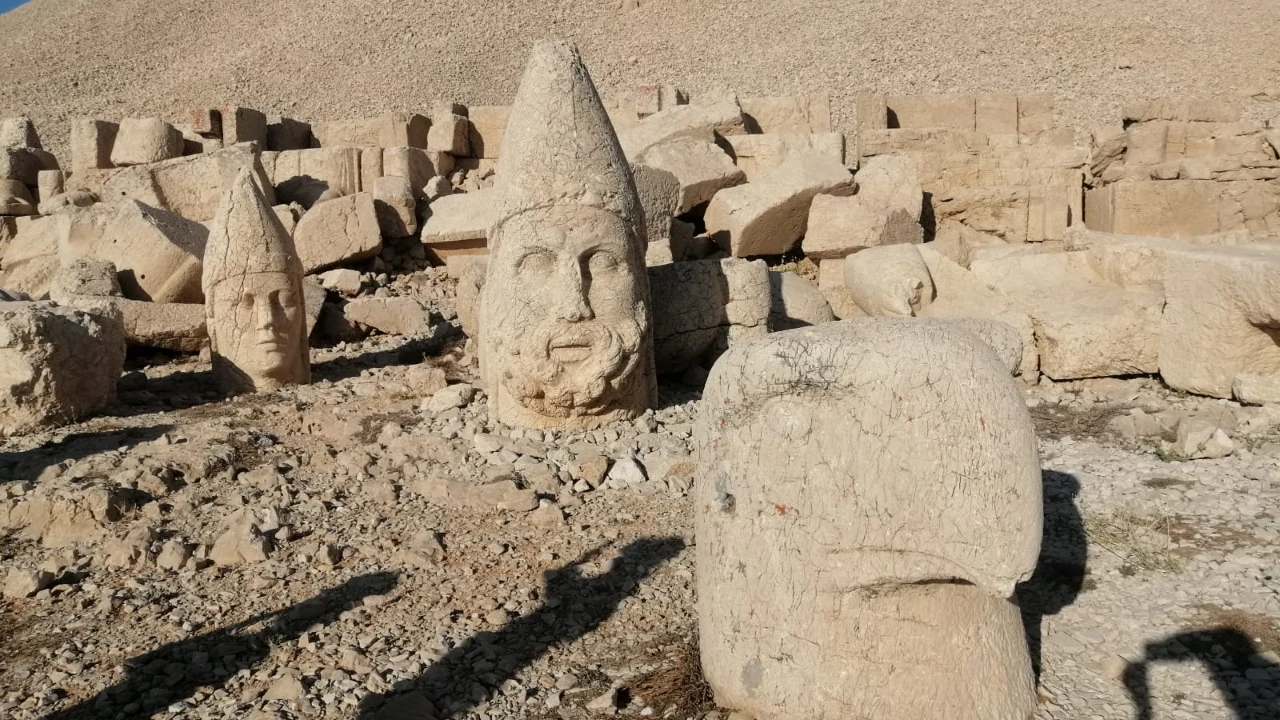
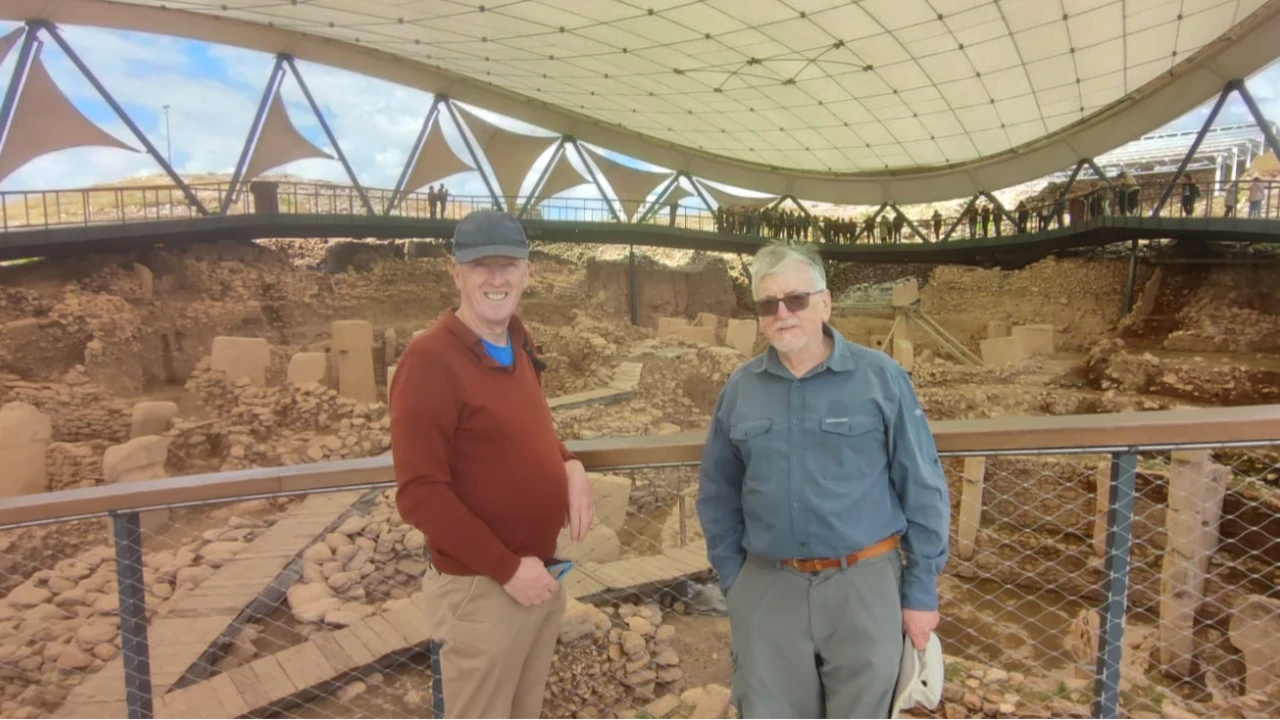
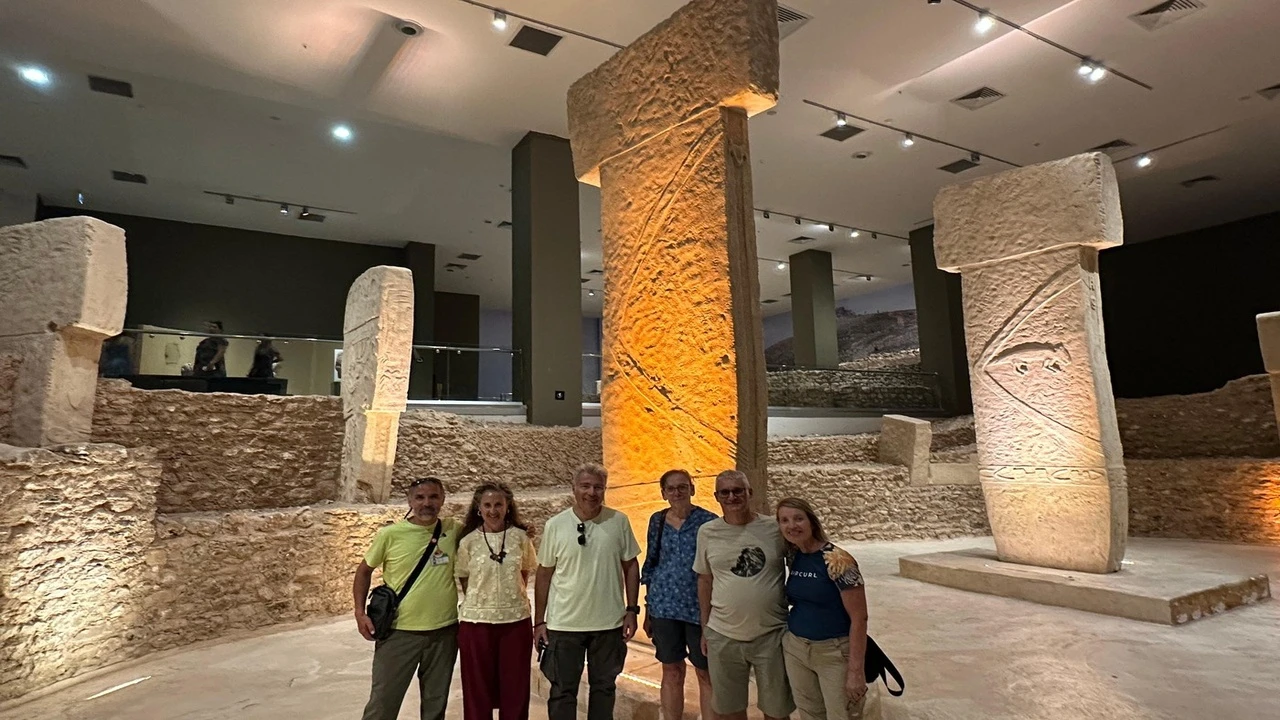
Because these sites are all within walking distance, you can enjoy exploring the city's historic core without needing a vehicle. For those looking to explore the massive Neolithic heritage of the region, please refer to our Şanlıurfa ancient city and Göbeklitepe guide.
Practical Tips for Your Şanlıurfa Walking Tour
To ensure a comfortable journey through the historic bazaars and stone streets, keep these practical tips in mind:
- Footwear: Since the narrow streets and citadel steps are paved with uneven stone, choose comfortable walking shoes with good support.
- Dress Code: When visiting religious and spiritual sites, please dress modestly. We recommend that female guests carry a light scarf.
- Etiquette: When photographing artisans in the narrow bazaar alleys, a quick polite request helps build a warm rapport with local shopkeepers.
- Shopping: When buying traditional Urfa isot (chili flakes) from spice merchants, look for a rich color and a fresh, oily aroma.
- Cash is King: While larger shops accept cards, many small spice stalls and coppersmiths are cash-only. It is wise to carry some Turkish Lira.
- Beat the Heat: During the hottest parts of the day, take breaks in shaded, enclosed spaces like Gümrük Hanı to maintain your energy.
Staying hydrated is essential; we recommend carrying a water bottle throughout your walk. Especially in summer, spending the midday heat in shaded areas will help you stay refreshed.
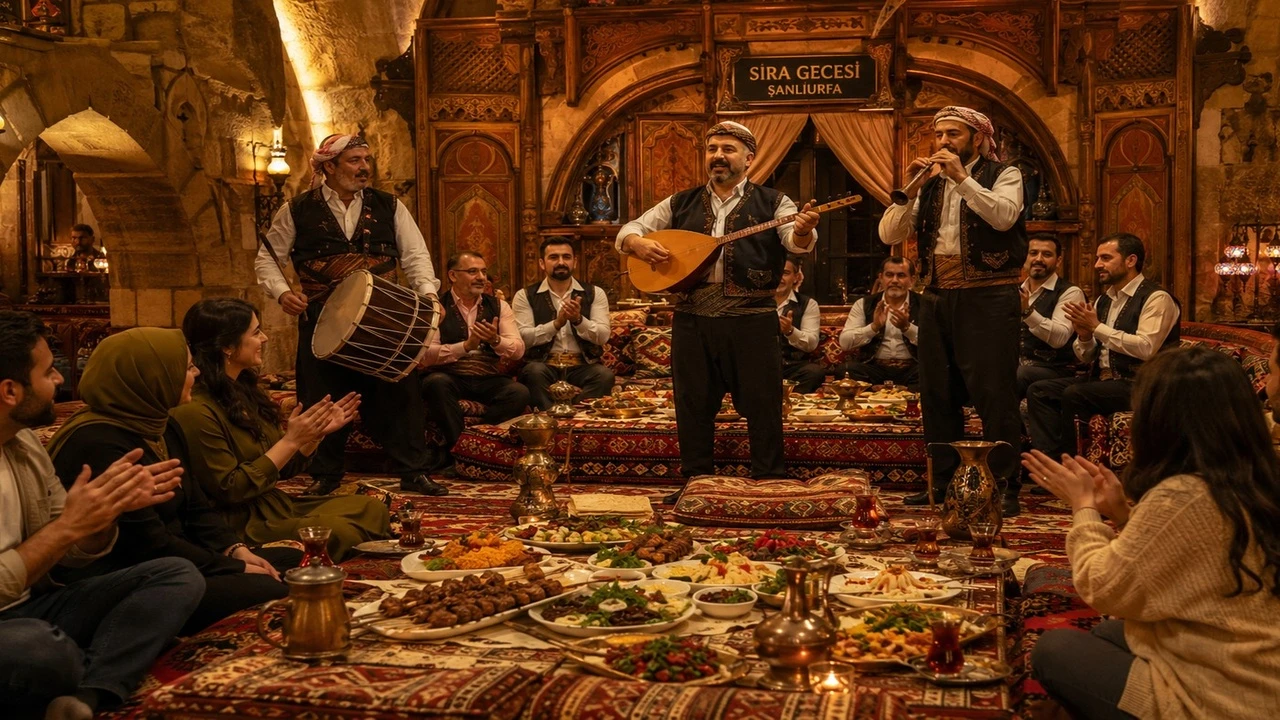
Listening to traditional melodies played by local musicians in the courtyards of historic mansions adds a profound emotional layer to your trip. To view all our cultural programs in the region, please visit our Southeast Anatolia culture tours page.
Best Seasons to Visit and Getting There
The most pleasant months for walking the historic streets of Şanlıurfa are spring (March, April, May) and autumn (September, October, November), when temperatures are ideal for outdoor exploration. During the summer, we recommend starting your tour early in the morning and spending the afternoon in air-conditioned museums or shaded indoor areas.
Winter days are generally mild; on sunny winter days, you can enjoy the Balıklıgöl plateau in a very calm, quiet atmosphere. On rainy days, the covered vaults of the historic bazaars provide a sheltered route for walkers.
Şanlıurfa GAP Airport is located approximately 35 kilometers from the city center. You can reach the center in about 40 minutes via airport shuttle services. Since the Balıklıgöl plateau and the historic bazaars are located in the heart of the city, they are within walking distance of many hotels.
Frequently Asked Questions 5
Can you eat the fish in Balıklıgöl?
No, the carp in the lake are considered sacred. Fishing is strictly prohibited, and they are carefully protected by the local community.
How long does the Balıklıgöl and bazaar walking tour take?
The main walking route covering Balıklıgöl, the Citadel, and the historic bazaars takes approximately four hours, including breaks.
Are credit cards accepted in the bazaars?
Jewelers and larger stores accept cards, but you should carry cash for smaller spice stalls and traditional coppersmiths.
Is there an elevator to the top of the Citadel?
No, the citadel is reached by walking up stone paths and stairs; it requires a light 10-15 minute climb at a steady pace.
Can I visit the area around Balıklıgöl in the evening?
Yes, the area around the pond and the mosque minarets is beautifully illuminated with warm yellow lights in the evening, creating a magical atmosphere.