No prior experience or professional certification is required to join a stained glass workshop in Istanbul. For those following the standard safety and participation guidelines, a comprehensive introductory briefing and the use of provided protective gear under expert supervision are all you need to start creating safely.
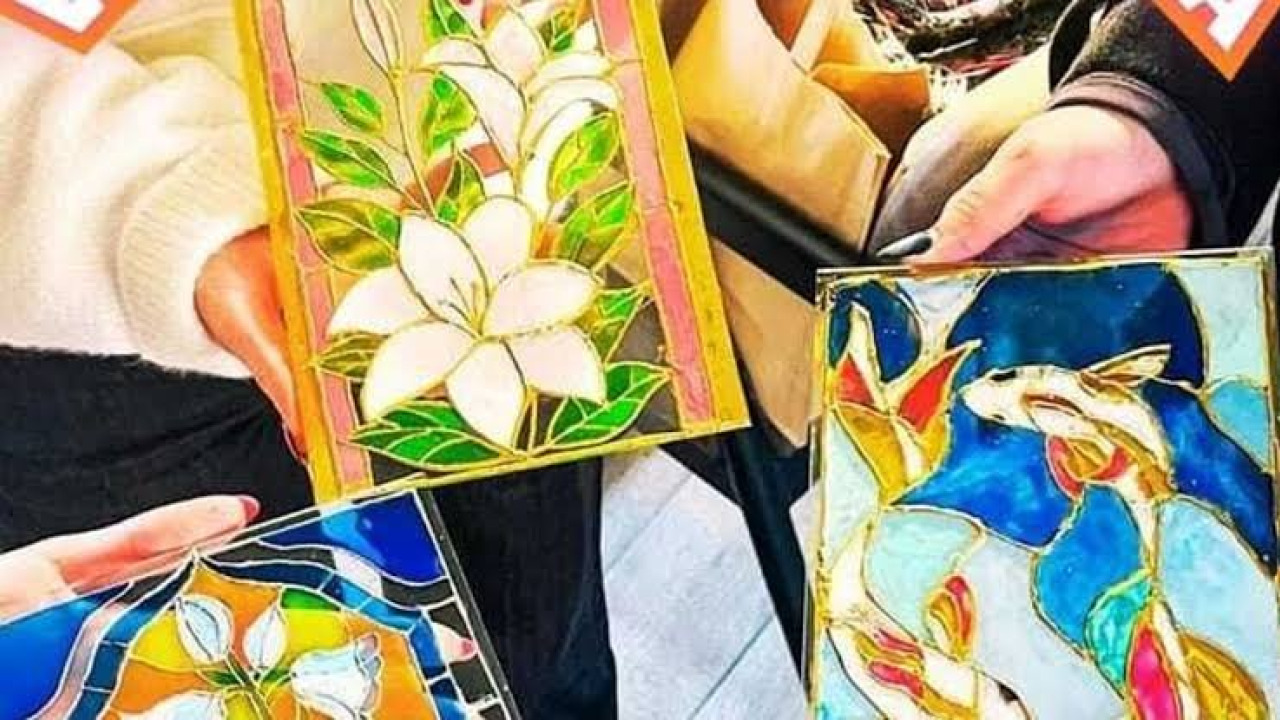
Stained glass art is the magic of capturing light through colored glass to transform a space. These workshops blend traditional glass-joining methods with modern "cold" glass painting disciplines. For art enthusiasts visiting Turkey, we recommend browsing the current studio schedules and course contents via Istanbul stained glass workshop options to better prepare for your session. Throughout the process, you will receive step-by-step hands-on guidance on surface cleaning, applying relief contours, filling with transparent paints, and soldering safety.
- The use of cut-resistant gloves and safety goggles is mandatory during the glass cutting and edge-smoothing phases.
- In cold stained glass painting, water-based or solvent-based transparent paints are carefully dropped between the contour lines.
- For sessions involving soldering and copper foil wrapping, professional desktop fume extraction systems are always active.
- First-time visitors can dive straight into designing using pre-cut and sanded glass plates for a worry-free experience.
Quick Facts and Essential Rules for Istanbul Stained Glass Workshops
Planning your Istanbul stained glass experience involves a balance of glass safety, paint chemistry, and expert mentorship. Whether you are a solo traveler or part of a group, standard studio protocols apply across the Turkish arts scene. The summary table below outlines the key parameters you should know before stepping into the studio.
| Criteria | Workshop & Field Application |
|---|---|
| Art Form & Activity | Relief contouring, stained glass painting, and colored glass assembly |
| Experience Required | None; comprehensive in-studio training is provided before starting |
| Basic Tool Kit | Glass plates, lead-look relief contour tubes, stained glass paints, and brushes |
| Safety Measures | Safety goggles, cut-resistant gloves, desktop ventilation, and protective aprons |
| Available Programs | 1 active product and studio program listed under the Istanbul Stained Glass category |
| Recommended Session | Morning slots are ideal for those wanting to work with natural daylight |
The process begins by placing a design template beneath the glass, where participants follow the lines to create the contour boundaries. The current offering in our Istanbul Stained Glass Workshop category is designed as an all-inclusive package, providing beginners with every material they need. If you wish to compare these techniques with other local crafts, you can explore traditional Turkish handicrafts in Istanbul for more hand-focused programs.
For those interested in experimenting with mosaics and different color compositions, we suggest checking out the glass mosaic art options in Istanbul. This allows you to see the aesthetic difference between flat glass painting and the arrangement of broken glass mosaics.
Template and Glass Selection for Beginners
For those picking up a brush and contour tube for the first time, we recommend geometric patterns with wide sections or stylized floral motifs. Very narrow gaps can cause paint to overflow, so designs with clear, bold boundaries yield the most balanced results. To achieve a striking effect, placing contrasting and complementary tones side-by-side enhances the way light refracts through the glass.
Safety Protocols and Equipment Usage in the Studio
Because stained glass workshops involve glass plates, diamond-tipped cutters, and chemical paint components, studio discipline is paramount. In Istanbul's professional studios, participant safety is ensured through five fundamental steps. The following protocol is standard across all sessions:
- Listen carefully to the instructor's safety briefing and learn the correct angles for holding glass before approaching the workbench.
- Always wear cut-resistant gloves when handling the edges of glass plates; never grip the surface with direct palm pressure.
- Use safety goggles in areas where glass cutting or grinding machines are used to protect against micro-shards.
- Ensure the desktop ventilation fan is on when working with solvent-based paints or soldering flux, and avoid direct skin contact with chemicals.
- Once painting and drying are complete, use a studio brush and dustpan, never your hands, to clear glass fragments from your station.
Edge Grinding and Relief Contour Discipline
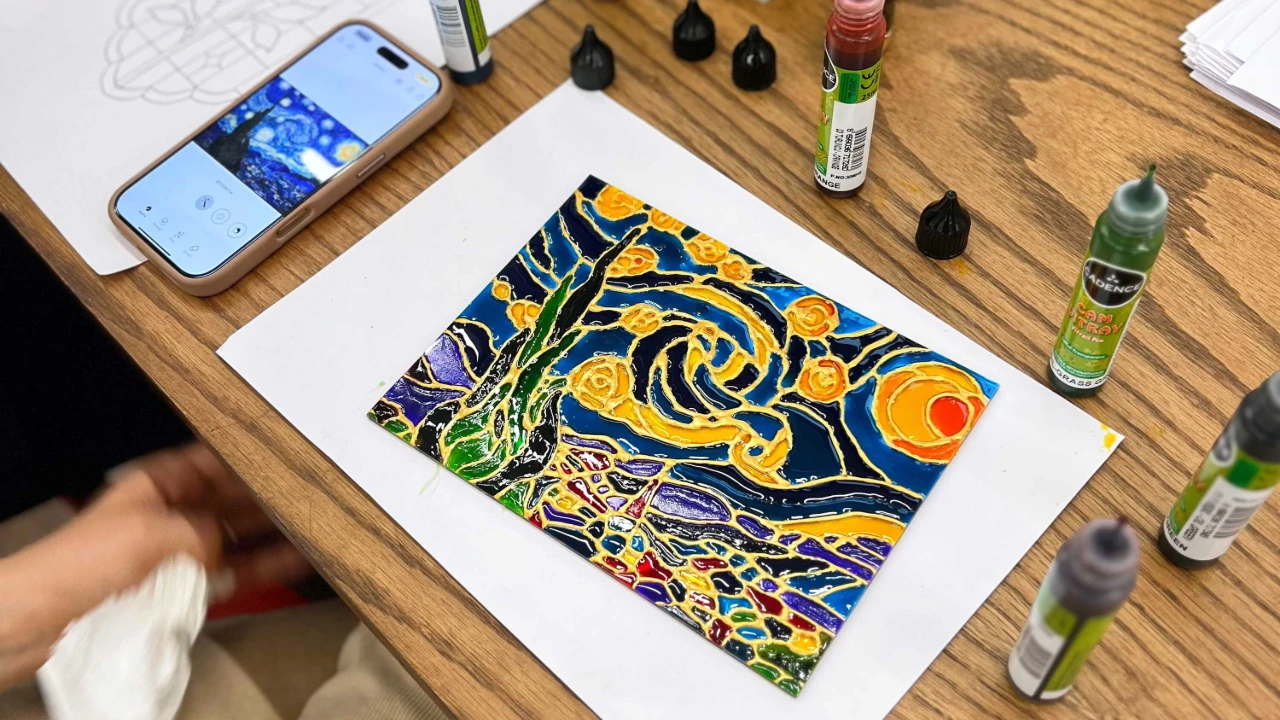
The sharp edges of cut glass are smoothed using water-cooled diamond grinding motors. In cold painting sessions, creating a continuous, unbroken seal with the relief contour paste is crucial, as this prevents the liquid paint from leaking into adjacent sections. By holding the contour tip at a slight angle and moving at a steady pace, you can ensure a consistent thickness throughout the piece.
Cold Glass Painting vs. Tiffany Stained Glass Techniques
Participants in these workshops usually choose between two main methods: painting with contours on a single glass plate or soldering individual colored glass pieces with copper foil. Each requires a different skill set and set of tools. The following table compares these two techniques.
| Comparison Criteria | Cold Stained Glass Painting | Tiffany (Copper Foil) Technique |
|---|---|---|
| Application Method | Relief contours are drawn on a flat plate and filled with transparent paint | Colored glass is cut, wrapped in copper foil, and joined via soldering |
| Primary Equipment | Relief contour tubes, dropper paints, soft brushes, and templates | Glass cutter, running pliers, grinder, copper foil, and soldering iron |
| Safety Focus | Ventilation for paint fumes and edge protection | Protection against glass shards, grinding dust, and hot soldering irons |
| Beginner Friendliness | Very high; similar to painting and requires no cutting or soldering | Moderate; requires step-by-step guidance due to tool usage |
As seen in the table, cold stained glass painting is the preferred choice for short-term experience workshops due to its fast results. Those seeking a deep dive into professional glasswork typically opt for Tiffany sessions, which cover the intricate stages of foil wrapping and soldering.
Water-Based vs. Solvent-Based Glass Paints
Water-based paints are odorless and often require kiln-firing for permanence, making them popular in enclosed studios. Solvent-based paints spread more naturally for a smooth, glossy transparency but must be used in well-ventilated environments.
Field Notes: The Participant Experience in Istanbul Studios
Feedback from visitors attending handicraft workshops across Turkey shows high satisfaction with stained glass studios located around the Historic Peninsula and the Bosphorus. Early morning sessions are particularly praised for how the natural light enhances color perception.
The most common challenges for participants are managing the drying time of the contour lines and spreading the paint without leaving brush strokes. Instructors often teach a "floating" technique, using a dropper or the tip of a brush to let the paint glide across the glass, to achieve a perfectly homogeneous transparency. For those wanting to expand their cultural itinerary, traditional Turkish arts in Istanbul offers a variety of other studio alternatives.
Drying Time and Safe Transport
Once the painting is complete, glass plates must rest on a horizontal surface to prevent the paint from running. To ensure your masterpiece reaches home safely, studios provide professional bubble wrap and rigid cardboard packaging.
Regulations, Health, and Practical Tips for Participants
While no official license is required to join a workshop, general occupational health principles and studio safety standards govern the process. A little preparation regarding your attire can significantly increase your comfort.
Here are some practical tips for your workshop day:
- Wear closed-toe shoes and comfortable clothing to protect yourself from stray glass fragments or paint drips.
- Use thin cotton gloves when applying relief contours to prevent your wrist from sticking to the glass and to reduce tremors.
- Ensure your desk lighting is angled to avoid glare on the glass surface, which helps reduce eye strain.
- Use the provided studio cleaning solutions to remove paint residue from your hands before washing them with soap.
Legal Responsibility and Studio Standards
Art studios are responsible for providing adequate lighting, ventilation, and all necessary protective equipment. In return, participants are expected to follow the instructor's safety boundaries and use cutting or heating tools only as demonstrated.
Physical Ergonomics and Hand Coordination
Squeezing a contour tube with steady pressure can be taxing on the finger muscles, so short breaks are encouraged between sections. Ensuring your seat height is aligned with the workbench helps maintain neck and back comfort during detailed work.
Final Thoughts on the Istanbul Stained Glass Experience
When the proper safety and participation rules are followed, even a complete novice can create a stunning, light-reflecting glass panel. Istanbul's well-equipped studios make this artistic journey safe and rewarding, from the first sketch to the final packaging. You can start planning your creative escape today, and perhaps complete your cultural route by exploring Ebru art options in Istanbul.
Frequently Asked Questions 4
What materials do I need for stained glass painting?
To create a stained glass piece, you need a smooth glass plate, rubbing alcohol for cleaning, a design template, lead-look relief contour tubes to create boundaries, transparent glass paints, and soft synthetic brushes. In our workshop sessions, all these materials and safety gear are provided by the studio.
What is stained glass painting?
Stained glass painting is a decorative art where design boundaries are first drawn on transparent glass using a relief contour paste. Once dry, these sections are filled with special light-transmitting paints. This allows you to achieve the look of traditional leaded glass without the need for cutting or soldering.
What is the Tiffany stained glass technique and how is it done?
The Tiffany technique involves cutting colored glass pieces according to a template, grinding the edges, wrapping them in thin adhesive copper foil, and then joining them using a soldering iron and solder wire. This sophisticated discipline allows for intricate details and the creation of 3D forms, such as glass lampshades.
What is the general stained glass technique?
Stained glass is the art of creating artistic surfaces that integrate with daylight, either by joining pieces of colored glass using lead cames or copper foil, or by coloring transparent glass with specialized paints. It is used in everything from architectural windows to decorative wall panels to bring color into a space through light.