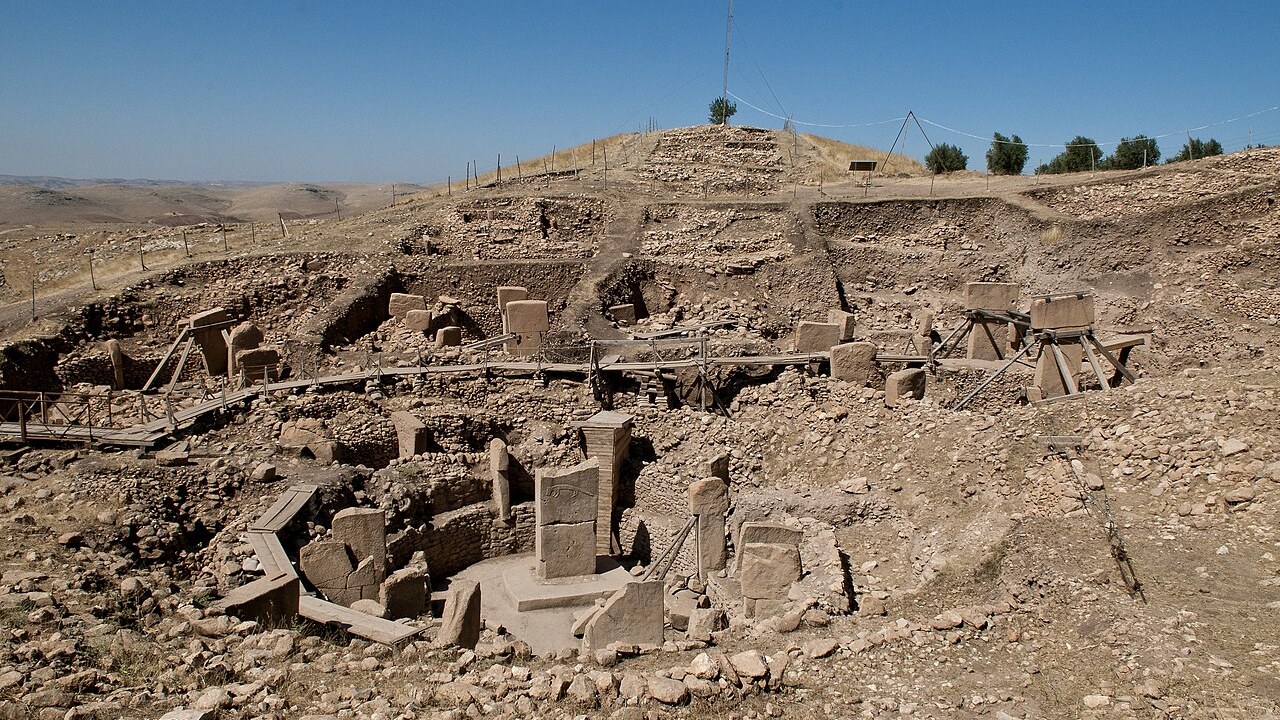
Perched on a limestone plateau overlooking the Harran Plain, Göbeklitepe is an archaeological marvel unlike any other on Earth. Dating back approximately 12,000 years, this sacred site houses the world's first monumental temples, built by hunter-gatherer societies long before the dawn of agriculture.
This is not a site to be rushed through. To truly grasp the meaning of the carvings etched into the stone and to navigate the region's demanding climate, a well-planned itinerary is essential.
For those looking to explore professional guided cultural programs, the Göbeklitepe turları page is a reliable resource for planning your journey.
Quick Facts
Here are the essential parameters you need to know when organizing your trip to Göbeklitepe:
| Topic | Local Insight |
|---|---|
| Location | Örencik Village, Haliliye district, Şanlıurfa; approx. 18 km from the city center |
| Historical Era | Pre-Pottery Neolithic (approx. 9600 BC; 6,000 years older than Stonehenge) |
| Airport Distance | Approximately 35 km from Şanlıurfa GAP Airport (GNY) |
| Visit Status | UNESCO World Heritage Site; managed by the Ministry of Culture and Tourism (MuseumPass valid) |
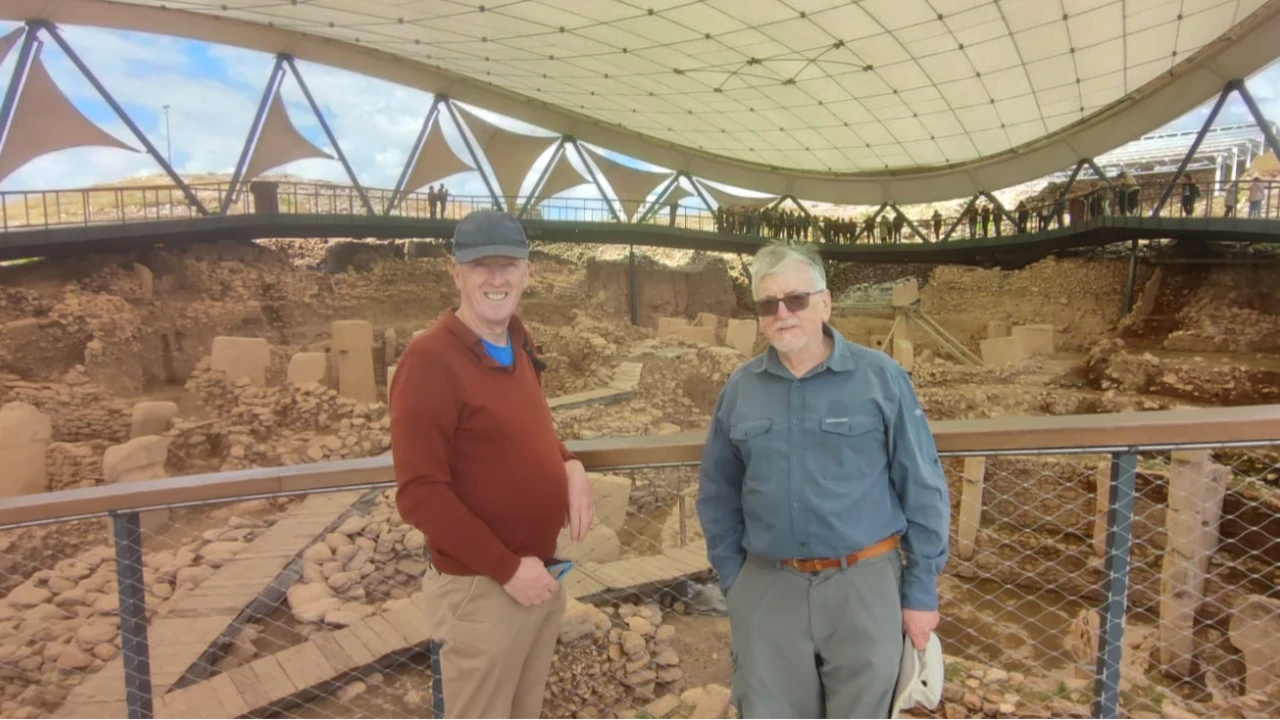
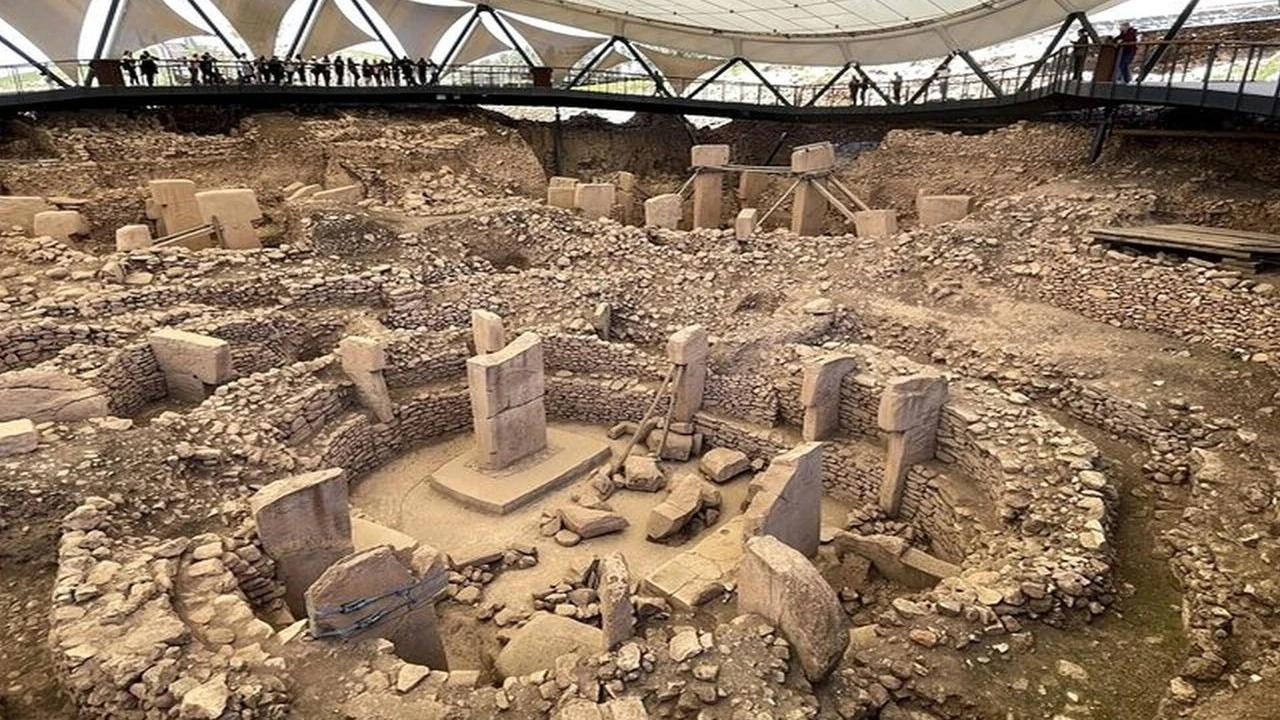
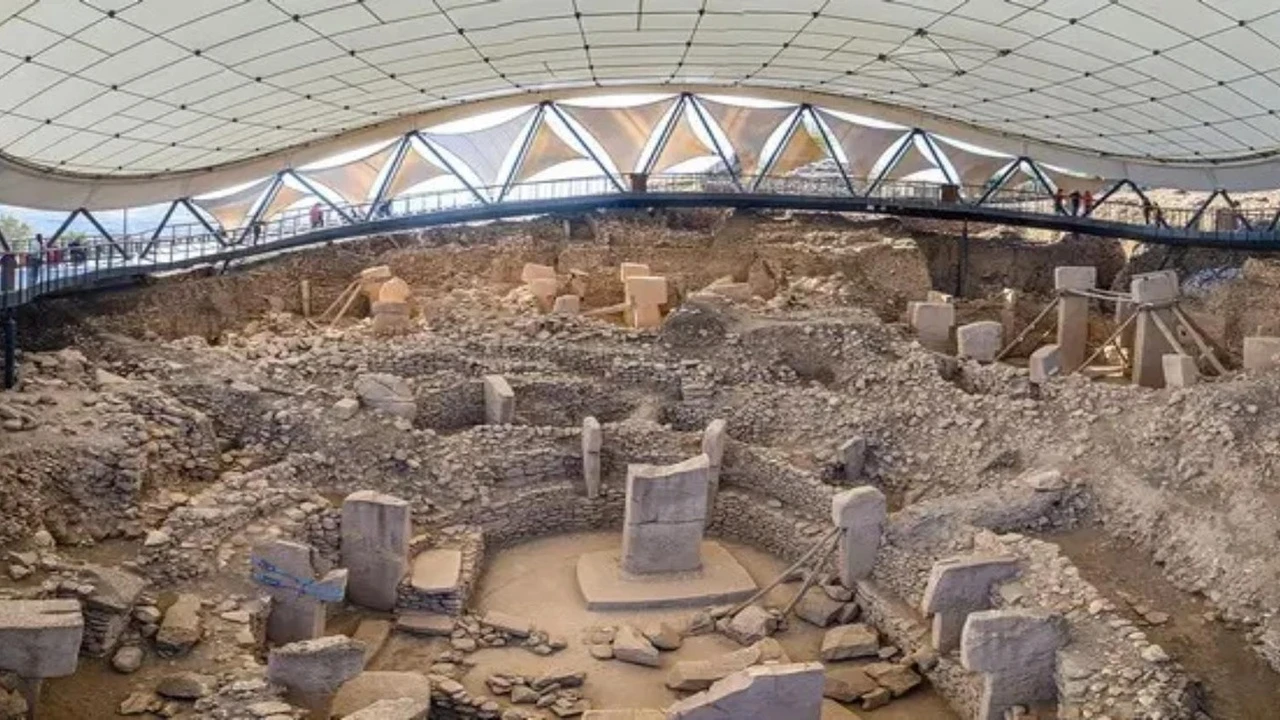
| Site Architecture | Protective membrane roofing over main excavation pits with wooden elevated walkways |
| Climate | Typical Southeastern continental climate; scorching summers, mild and cool springs |
| Nearby Highlights | Karahantepe and the "Taş Tepeler" (Stone Hills) Neolithic network |
| Recommended Duration | 2 to 2.5 hours for the visitor center and excavation site |
| Combined City Trip | Full 2 days including the Şanlıurfa Archaeology Museum and Balıklıgöl |
This table provides the general framework for your visit. To ensure a comfortable experience, we strongly recommend choosing your travel dates based on the season.
Who is Göbeklitepe For? Profile & Seasonal Matching
While Göbeklitepe is a global magnet for travelers, the quality of the experience varies depending on your interests and the month you visit.
| Traveler Profile | Best Period | Local Recommendation | Key Consideration |
|---|---|---|---|
| Archaeology & History Buffs | March, April, May, October | Tour the site with a professional guide, then head straight to the Şanlıurfa Archaeology Museum | The trip is incomplete without seeing the original stelae and sculptures in the museum |
| Culture & Photography Lovers | April and October | Visit during the first light of dawn or just before sunset | Harsh midday sun flattens the details of the stone reliefs |
| Families & Students | April, May, September | Watch the 3D animations and cinematic presentations at the visitor center | Hats, water, and sunscreen are mandatory for the walk up the hill |
| Foodies & City Explorers | October to November | Explore the site by day; enjoy "Sıra Gecesi" and kebab culture in historic inns by night | The historic bazaars of Şanlıurfa are incredibly vibrant on weekends |
| Solo Travelers | March and November | Use public transport from the city center or join organized day tours | Sharing taxi costs in rural areas is a great way to save |
| Heat-Sensitive Travelers | Early March and November | Strictly avoid the summer months; opt for cool spring days | Temperatures in July and August frequently exceed 40°C (104°F) |
Due to its exposed position on an open hill, extreme heat can make walking difficult. Spring and autumn are the gold standards for comfort.
When to Visit: Month-by-Month Local Analysis
The transition between seasons in Şanlıurfa is stark. Based on local experience, here is how the visiting dynamics shift throughout the year:
| Month | Regional Conditions | Local Advice |
|---|---|---|
| January | Cold, dry winter air; very few crowds | Ideal for a quiet, contemplative exploration without the tourist rush |
| February | Winter chill persists; evenings can be freezing | Dress in layers for short, focused visits |
| March | The steppe turns green; temperatures rise to 18-20°C | The season opener; outdoor walking is incredibly refreshing |
| April | Wildflowers bloom; perfect balance of temperature | The most recommended month; flawless for GAP region tours |
| May | Days warm up; evenings remain mild | Visit before mid-May to maximize outdoor comfort |
| June | Temperatures exceed 35°C; landscape turns yellow | Plan your visit strictly between 08:30 and 10:00 AM |
| July | The hottest period; thermometers hit 42°C | Avoid open areas at noon; choose the earliest possible slot |
| August | Scorching heat continues; peak drought | Never enter the site without a hat and ample water |
| September | Heat begins to break after the middle of the month | Cultural tours pick up pace toward the end of the month |
| October | Ideal autumn weather; warm days, cool evenings | The second "golden window" for visiting, as pleasant as spring |
| November | Air cools down; crowds thin out | Perfect for a relaxed weekend cultural getaway |
| December | Winter begins; shorter daylight hours | Best paired with indoor museum visits and shorter programs |
Pro Tip: Aim for April in the spring or October in the autumn for the absolute best experience.
Where to Stay in Şanlıurfa and Surroundings
Since Göbeklitepe is located in a rural area, the city center of Şanlıurfa serves as the primary base for accommodation. Lodging generally falls into two styles:
| Area | Character | Best For | Local Note |
|---|---|---|---|
| Historic Center (Balıklıgöl Area) | Century-old stone mansions, courtyards, boutique hotels | Those wanting to immerse themselves in the city's authentic soul | Historic inns and bazaars are within easy walking distance in the evening |
| Haliliye & Karaköprü Axis | Modern chain hotels on wide boulevards | Travelers with their own cars or those seeking corporate comfort | Very easy access to the airport and the road to Göbeklitepe |
| Eyyübiye Bazaar District | Traditional inns and local trade hubs | Budget-conscious independent travelers | A high-energy, noisy, and vibrant commercial atmosphere all day |
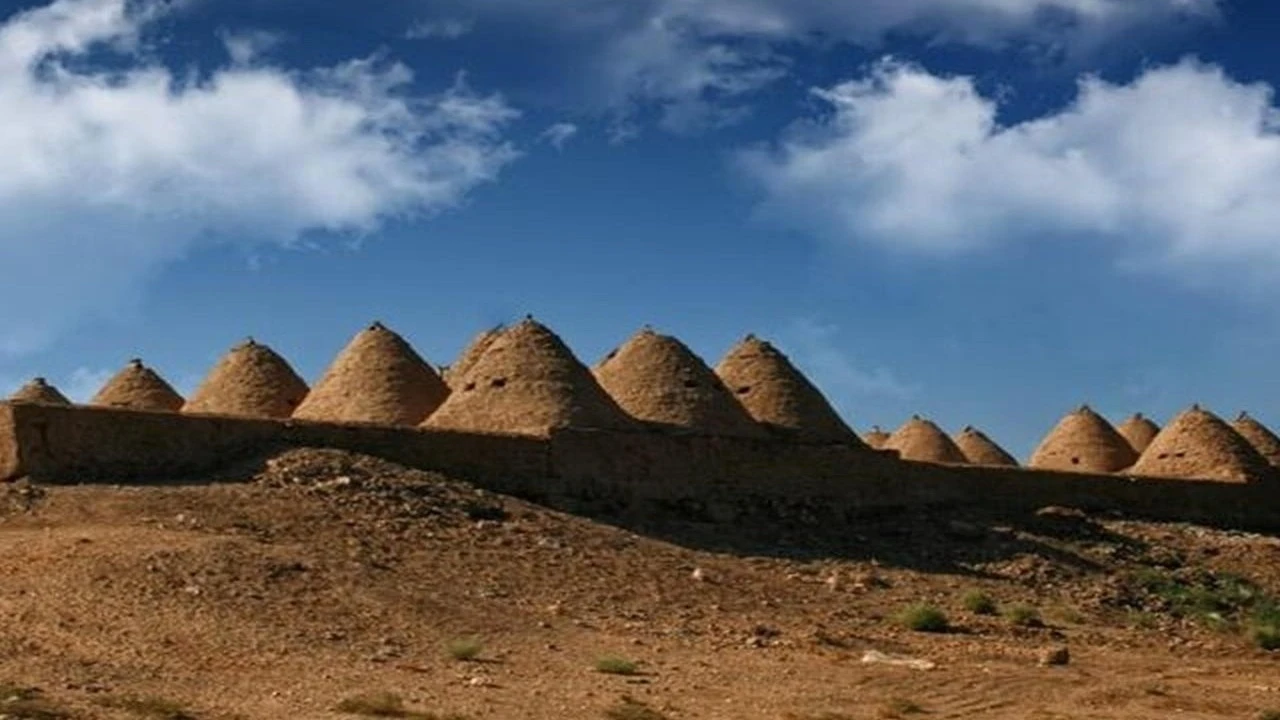
| Harran Road Exit | Accommodations on the city's southern axis | Tour groups continuing their southern GAP route | Provides the fastest access to the Harran Beehive Houses |
If you want to feel the history, choose a restored stone mansion. For modern amenities and accessibility, the hotels along the Haliliye boulevards are your best bet.
Recommended Local Themes
A trip to Göbeklitepe should be more than just a single stop. The historical depth of the region is best explored through these four themes:
Neolithic Temples and Structure D
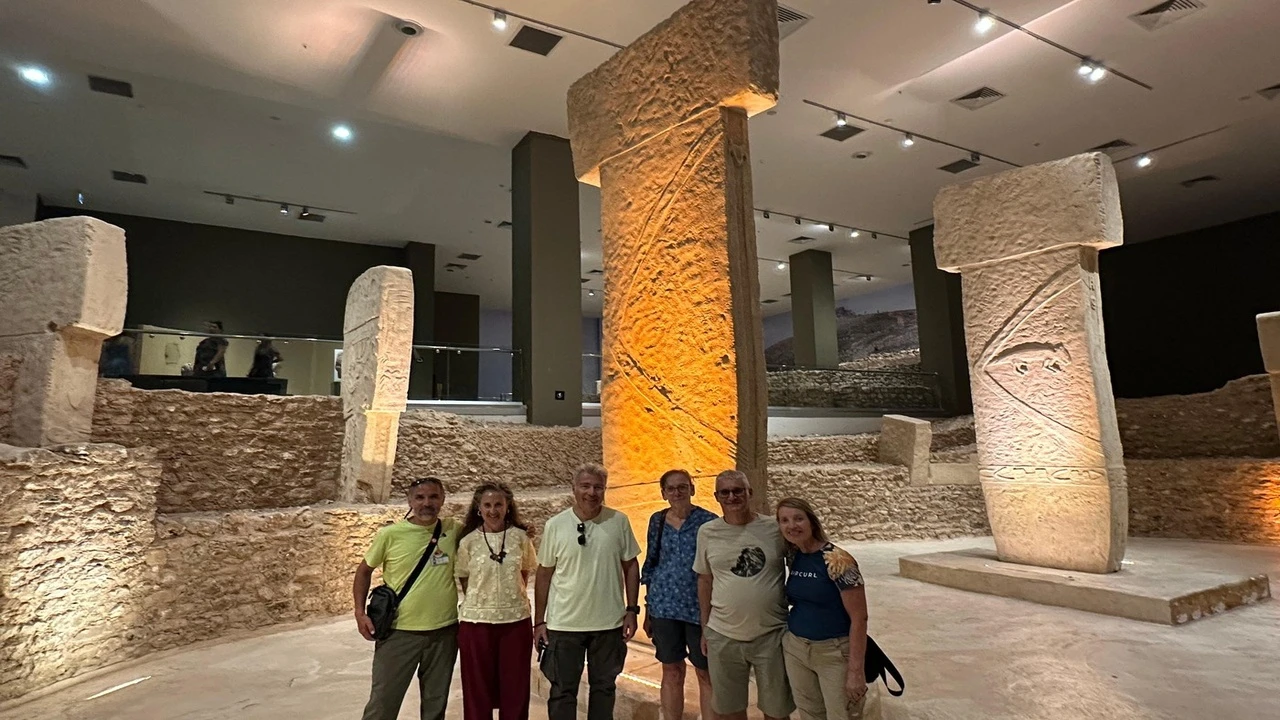
The most breathtaking part of the excavation is Structure D. At its center, two massive T-shaped pillars stand back-to-back, symbolizing human forms.
The animal figures carved into the stone reflect the spiritual world of the era. Take your time on the wooden walkways to observe these symbols in a slow, rhythmic pace.
The "Taş Tepeler" and Karahantepe Network
Göbeklitepe is the pioneer of the "Taş Tepeler" (Stone Hills) network, which encompasses 12 different hills across Şanlıurfa.
Karahantepe, located 45 kilometers from Göbeklitepe, features human sculptures that provide the second major piece of the puzzle regarding Neolithic life.
Şanlıurfa Archaeology Museum and Haleplibahçe
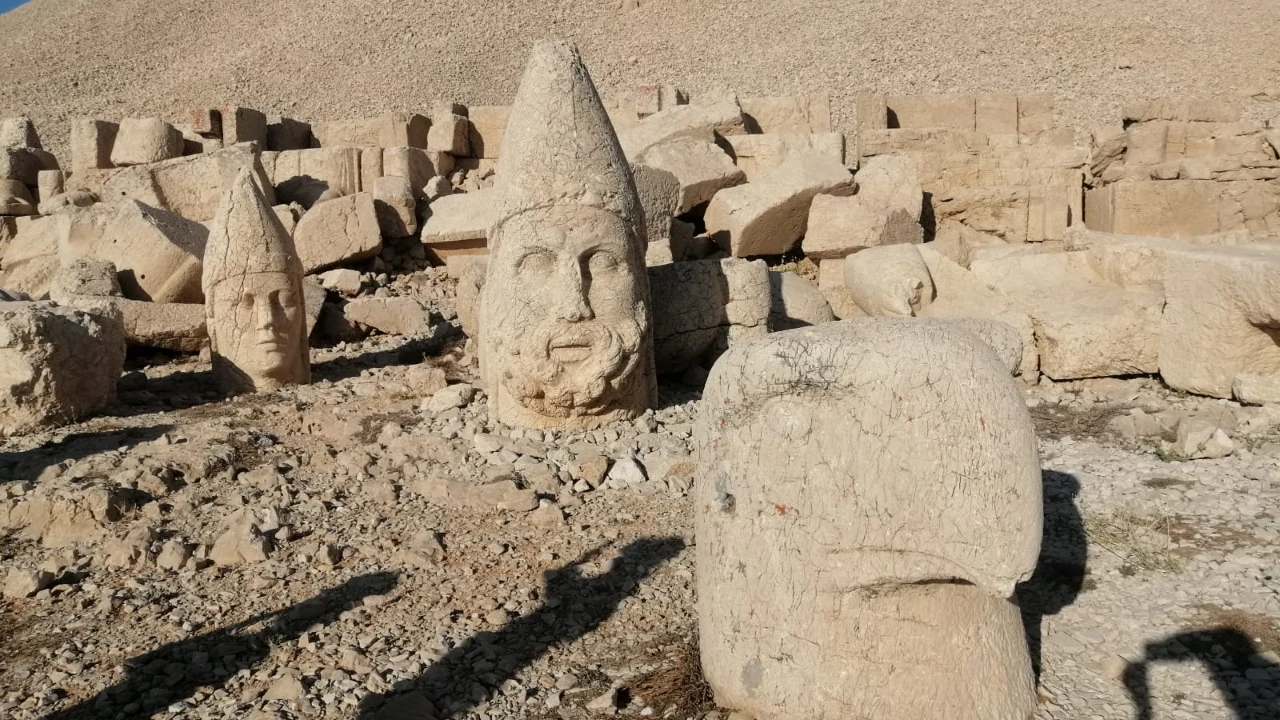
Many of the sculptures and figurines unearthed from the site are displayed at the Şanlıurfa Archaeology Museum.
You can see the "Urfa Man," one of the oldest sculptures in history, here. Visiting the museum is essential to clarify the narrative of the stones you saw at Göbeklitepe.
Historic Bazaars, Balıklıgöl, and Gastronomy
Once the archaeological tour is complete, dive into the city's ancient streets.
A stroll around Balıklıgöl, sipping Menengiç coffee in a historic inn, and tasting the legendary flavors of Urfa in the evening is the perfect way to round out the trip.
How Many Days to Allocate: Planning Your Timeline
Depending on your goals, we suggest three different itineraries:
-
The Day Trip: Morning at the Göbeklitepe site and visitor center; afternoon at the Şanlıurfa Archaeology Museum; evening walk around Balıklıgöl.
-
The 2-Day Cultural Route: Day 1: Göbeklitepe, archaeology museum, and historic bazaars; Day 2: Karahantepe and the Harran Beehive Houses.
-
The 3-4 Day GAP Expansion: First two days in Şanlıurfa center and Neolithic hills; Day 3: Halfeti boat tour; Day 4: Mount Nemrut excursion.
How to Get to Göbeklitepe and On-Site Transport
Getting to the site from the city center is straightforward:
-
Municipal Bus (Line 100): Buses departing from the Abide transfer center go directly to the Göbeklitepe Visitor Center.
-
Private Car or Taxi: A 20-minute drive via the Mardin road on a well-paved highway. Ample parking is available.
-
On-Site Shuttles: Free shuttles run from the welcome center to the hilltop. Alternatively, you can walk up the ramped path if you prefer.
Neighboring Geography and Complementary Routes
After Göbeklitepe, other historical landmarks are easy to add to your itinerary.
The conical Harran Houses to the south and the Euphrates-side town of Halfeti to the west are powerful complementary destinations that can be visited in the same trip.
Frequently Asked Questions 5
Is the MuseumPass valid at Göbeklitepe?
Yes, Göbeklitepe is managed by the T.R. Ministry of Culture and Tourism, and it can be visited for free with a MuseumPass.
How long does it take to tour Göbeklitepe?
The exhibits at the welcome center and the walking platform on the hill take a total of 2 to 2.5 hours.
Where can I see the sculptures found during the excavations?
Original sculptures and stone finds are exhibited in the special Neolithic hall of the Şanlıurfa Archaeology Museum.
Is it possible to visit Göbeklitepe in the summer?
Due to the summer heat, it is recommended to visit in the early morning or late afternoon.
How far is Karahantepe from Göbeklitepe?
The distance between the two centers is 45 kilometers, and it can be reached in approximately 40 minutes by private car.