
The phrase "Rumeli Hisarı boat tour" often suggests something different from what most visitors expect. The official pier list published by Şehir Hatları (City Lines) does not include a pier named Rumeli Hisarı, meaning no scheduled ferry actually docks directly at the fortress. During Bosphorus cruises, the fortress is admired from the water, but visitors wishing to explore inside its walls must disembark elsewhere. This guide connects those two experiences: we'll detail what sections of the fortress are visible from the sea, what to explore within its walls, and which pier and rail line offer the closest access. Our goal is to help you plan a day that allows you to appreciate this magnificent structure from both perspectives.
Quick Facts
| Topic | Information |
|---|---|
| Location | Sarıyer, Yahya Kemal Caddesi No 42, Rumelihisarı |
| Builder and Date | Sultan Mehmed the Conqueror; construction began March 1452, completed August 1452 |
| Current Status | Monument museum under the Directorate of Fortresses Museum (1968) |
| Visiting Hours | 09:00 to 19:00; ticket office closes at 18:00 |
| Closed Day | Monday |
| Exhibition Style | Open-air exhibition; no indoor exhibition halls |
| Scale | Approximately 30 acres, three large towers, and 13 bastions |
| Closest Ferry Pier | Aşiyan (Üsküdar line and Anadolu Hisarı-Küçüksu circular line) |
| Rail Connection | M6 Boğaziçi Ü./Hisarüstü station, then F4 funicular to Aşiyan |
| Admission Fee | Ministry museums have different rates based on visitor type; current fees are on muze.gov.tr |
Do Boat Tours Dock at Rumeli Hisarı?
No, they don't. The official pier listings for the European side of the Bosphorus, published by Şehir Hatları, include Arnavutköy, Bebek, Emirgan, and İstinye, but no pier named Rumeli Hisarı. Therefore, "visiting the fortress by boat" practically translates into two separate decisions: admiring the castle from the water or disembarking to explore inside its walls. Both can be done on the same day, but one does not substitute the other.
The table below compares what each approach offers and what it doesn't.
| Decision Point | Viewing from the Water | Visiting from Land |
|---|---|---|
| Entry inside the walls | No, the fortress is seen from the shore | Yes, the courtyard and towers can be explored |
| Perception of the structure | The mass spread across the hillside is perceived as a whole | Perceived at the scale of steps, battlements, and gates |
| Monday | Schedule unaffected | Museum closed to visitors |
| Rainy weather | Sheltered on boats with indoor cabins | Open-air exhibition, no indoor shelter |
| Time allocation | A short segment of the Bosphorus route | Can extend up to half a day |
Those planning to see the fortress from the water can choose a departure time from the Istanbul Bosphorus boat and ferry tours that passes through the narrow section where the fortress is located.
Where is the Fortress Visible from the Sea?
The fortress appears nestled on the European side's hillside, at the narrowest point of the Bosphorus. Şehir Hatları itself describes the pier on the opposite shore as being "at the narrowest part of the Bosphorus, opposite Rumeli Hisarı," meaning the area directly in front of the fortress is where the two shores come closest.
The Mass Visible from the Water
According to museum records, construction began in March 1452 and was completed by August of the same year. This incredibly short timeline has a direct visual impact for anyone viewing it from the sea today: because the structure didn't grow with additions over centuries, its walls, bastions, and towers were built with a unified architectural language. From the deck of a boat, you won't find stylistic breaks between its parts. As the approximately 30-acre site spreads along the hillside, the fortress is best appreciated not from sea level, but by its elevation difference.
Distinguishing North and South Boundaries
Two references help to gauge where the fortress begins and ends. As a boat travels north, it soon passes under the Fatih Sultan Mehmet Köprüsü (Sultan Mehmed the Conqueror Bridge); this bridge line serves as a practical marker for visually noting the upper boundary of the fortress walls. Continuing in the same direction, the green facade of Emirgan Grove descends to the shore, clearly defining the boundary as the first extensive vegetation after the stone texture of the castle. On the opposite shore, the Kandilli ridge provides a backdrop that helps visually measure the elevation difference behind the tower sequence. On a route heading south, the Beylerbeyi coastline comes into view, and the fortress gradually recedes from the frame.
How Much Time Does Exploring Inside the Fortress Take?
The museum is open to visitors between 09:00 and 19:00, with the ticket office closing at 18:00. This one-hour difference suggests the minimum time needed for a quick tour of the area. If you plan to see the towers, courtyard, and all three observation terraces, you'll need to allocate more time, as the elevation changes will slow your pace.
Five common factors can disrupt your plans:
- Monday closures invalidate land visits; any program on this day can only include the water-based viewing.
- Since the ticket office closes an hour before the museum, starting your visit in the last hour of the day can be risky.
- As the entire exhibition is open-air, rain and heat are directly felt; there are no indoor exhibition halls.
- The hillside terrain and steps within the walls are steep and uneven; comfortable, sturdy shoes will make your walk much more enjoyable.
- Ministry museums have different admission fees based on visitor type; please verify current rates on muze.gov.tr.
What to See Inside the Fortress Walls?
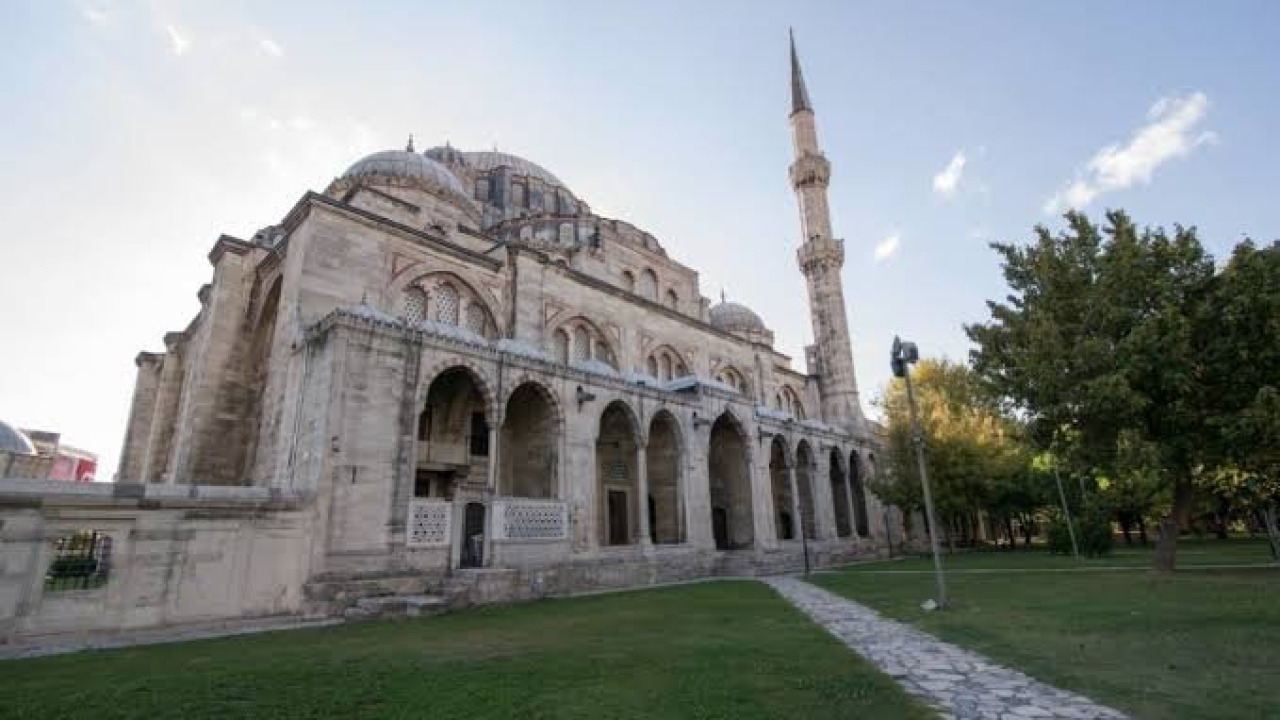
Once you disembark, the fortress transforms from the flat facade seen from the sea into a layered, expansive area. According to the Kültür Portalı (Culture Portal), the structure consists of three large towers, surrounding walls, and 13 bastions. Entrances to the area are known as Dağ Kapısı (Mountain Gate), Dizdar Kapısı, Hisarpeçe Kapısı, Sel Kapısı (Flood Gate), and Mezarlık Kapısı (Cemetery Gate).
The Three Great Towers and Thirteen Bastions
The towers were overseen by Sultan Mehmed the Conqueror's viziers, hence they bear their names. The difference in height is the first clue that helps with orientation while walking inside the walls.
| Tower | Height | What it offers inside the fortress |
|---|---|---|
| Saruca Paşa Tower | 28 meters | Wooden floors still stand; known for the acoustics of its divanhane (reception hall) and wall inscriptions from its time as a prison |
| Çandarlı Halil Paşa Tower | 22 meters | The middle height among the three towers, making it easy to gauge the scale of the tower sequence from here |
| Zağanos Paşa Tower | 21 meters | The lowest of the three great towers, situated near the upper elevation of the hillside |
Saruca Paşa Tower and the Divanhane
Within the fortress walls, Saruca Paşa Tower most clearly reveals the castle's life after its military function. Museum records state that the tower's wooden floors are still intact today, and its divanhane is renowned for its acoustics and the wall inscriptions left from the period when the structure was used as a prison. This information directly impacts your visit: knowing that the area was converted into a prison from the 16th century onwards allows you to interpret the marks on the walls as historical documents rather than mere decorations.
Courtyard, Collection, and Observation Terraces
The exhibition in the courtyard is set up outdoors. The collection includes cannonballs used during the conquest, as well as cannons from the era of Bayezid II, late Ottoman cannons, stone artifacts from the Eastern Roman period, and the Golden Horn chain. There are three observation terraces in the area; these points reverse the view you get from the sea during your fortress tour, as you now look down upon the same narrow Bosphorus section from above. For those considering a guided program to explore the castle's post-conquest transformation, the Istanbul cultural tours list can be a starting point. You can find detailed information about connections with structures in the historical peninsula in our article Istanbul cultural tours and museums guide.
From Sea to Land: Your Route via Aşiyan
The closest scheduled pier to the fortress is Aşiyan. Şehir Hatları announced on May 12, 2026, that Aşiyan-Üsküdar and Aşiyan-Anadolu Hisarı-Küçüksu circular line services have commenced from Aşiyan pier with their normal schedule. The route is established in the following order:
- If you are coming from the Anatolian side, take the Aşiyan line from Üsküdar pier; this will drop you directly at the coastal level south of the fortress.
- If you prefer to come by land, transfer to Levent via the M2 line, then switch to the M6 Levent-Boğaziçi Üniversitesi/Hisarüstü line; this four-station, 3.3-kilometer line takes 7 minutes.
- At Boğaziçi Ü./Hisarüstü station, transfer to the F4 funicular line; this 0.8-kilometer descent takes 2.5 minutes and connects the ridge elevation to the coast.
- From Aşiyan, follow the coastal road north for a short walk to reach the fortress's entrance gate on the shore.
- For your return, use the same line in reverse or take a coastal bus; IETT records indicate the 25E Sarıyer-Kabataş line takes 38 minutes.
Metro and Funicular Connection
The F4 line was put into service on October 28, 2022, and with its two stations, it connects the Rumeli Hisarüstü area to the coast. The combined operation of the M6 and F4 makes it possible to descend to the fortress without a long downhill walk; both lines operate between 06:00 and 00:00. This connection is convenient for those who prefer to start their day exploring the Bosphorus ridge rather than directly from the water.
Bus and Coastal Road
The Kültür Portalı states that the museum can be reached by IETT buses departing from Beşiktaş. The 25E Sarıyer-Kabataş services, operating along the coastal route, travel along the shore. For those wishing to descend from the ridge, the 59RS Rumeli Hisarüstü-Sarıyer line offers another option. As the coastal road can get busy during summer months, bus travel times may exceed those listed in the schedule.
Viewing the Fortress from the Sea as Part of a Tour
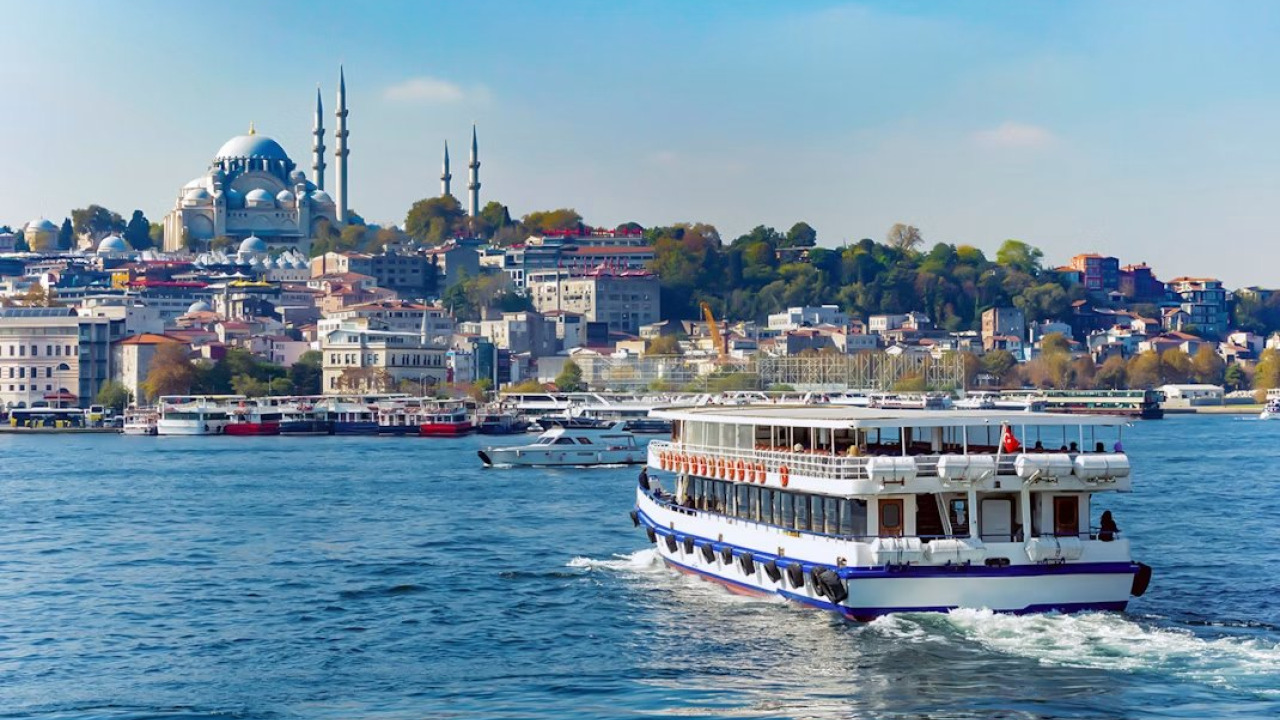
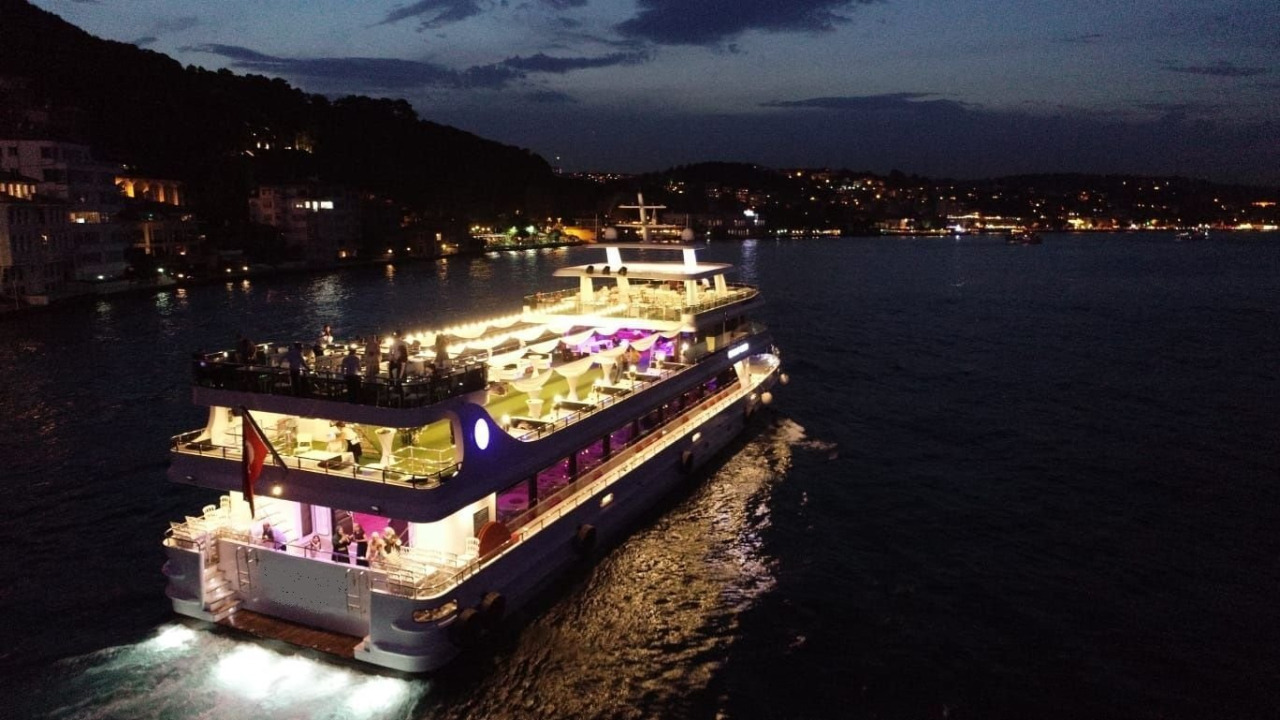
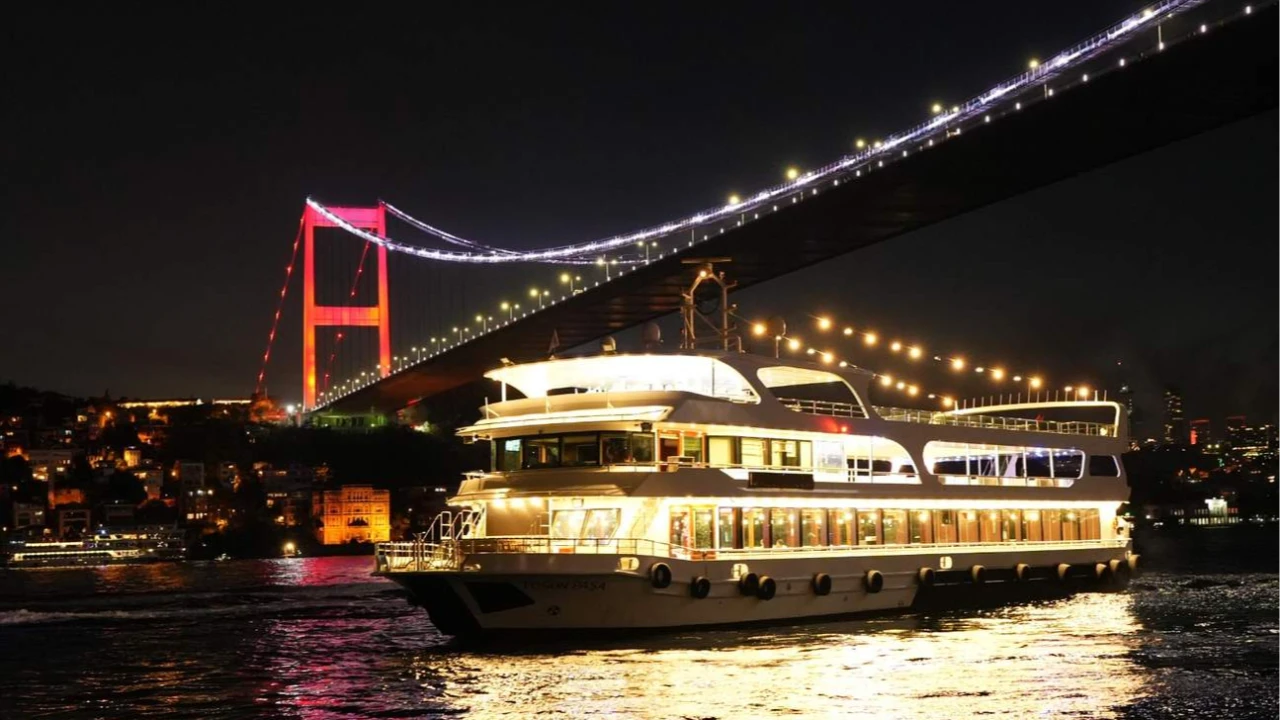
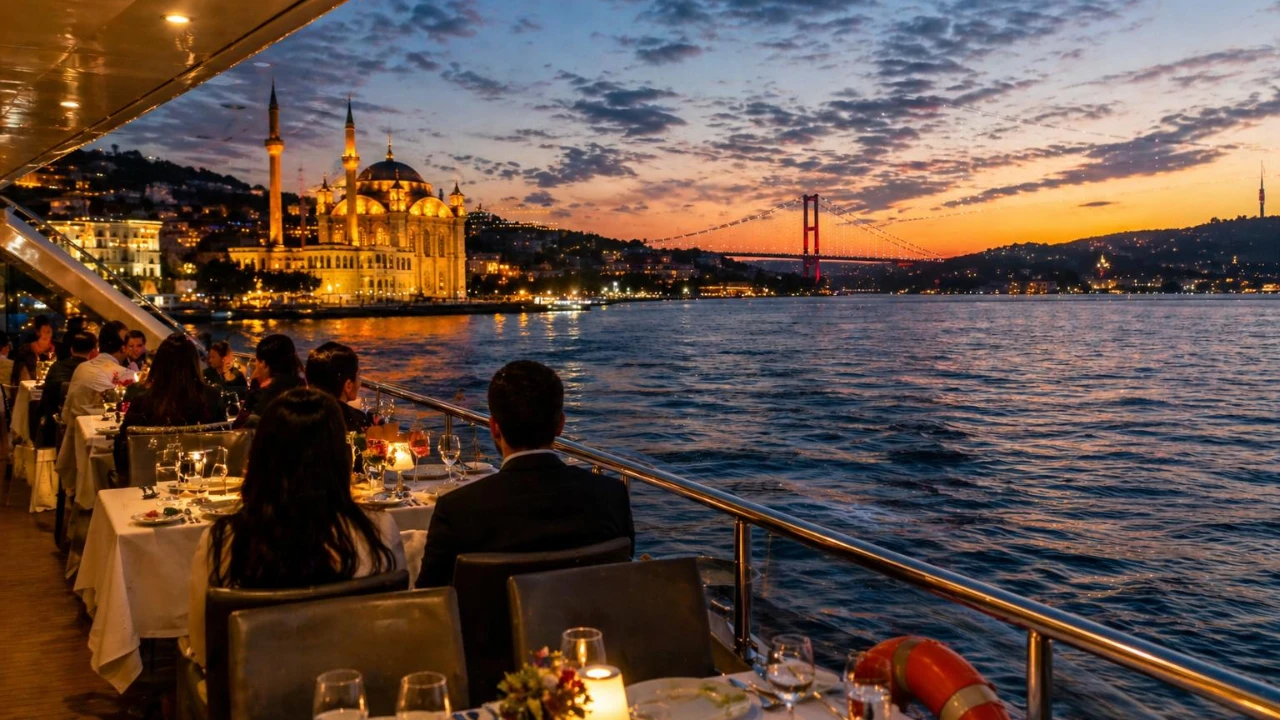
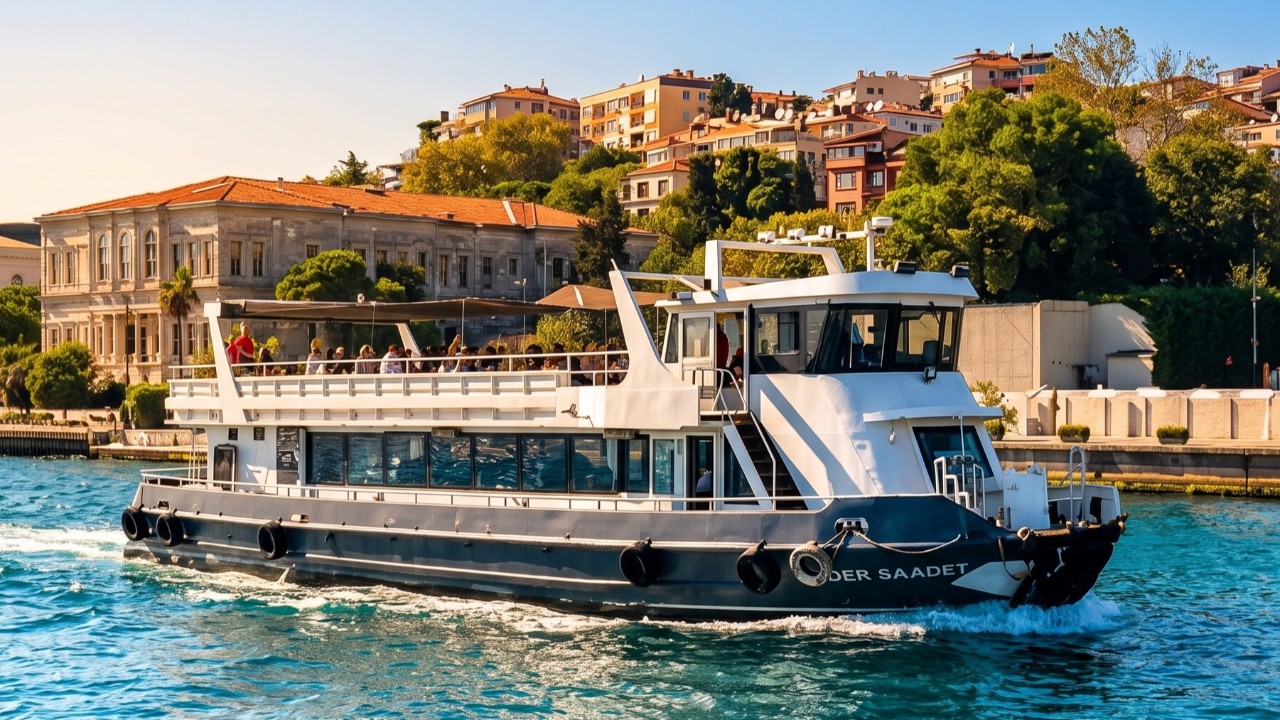
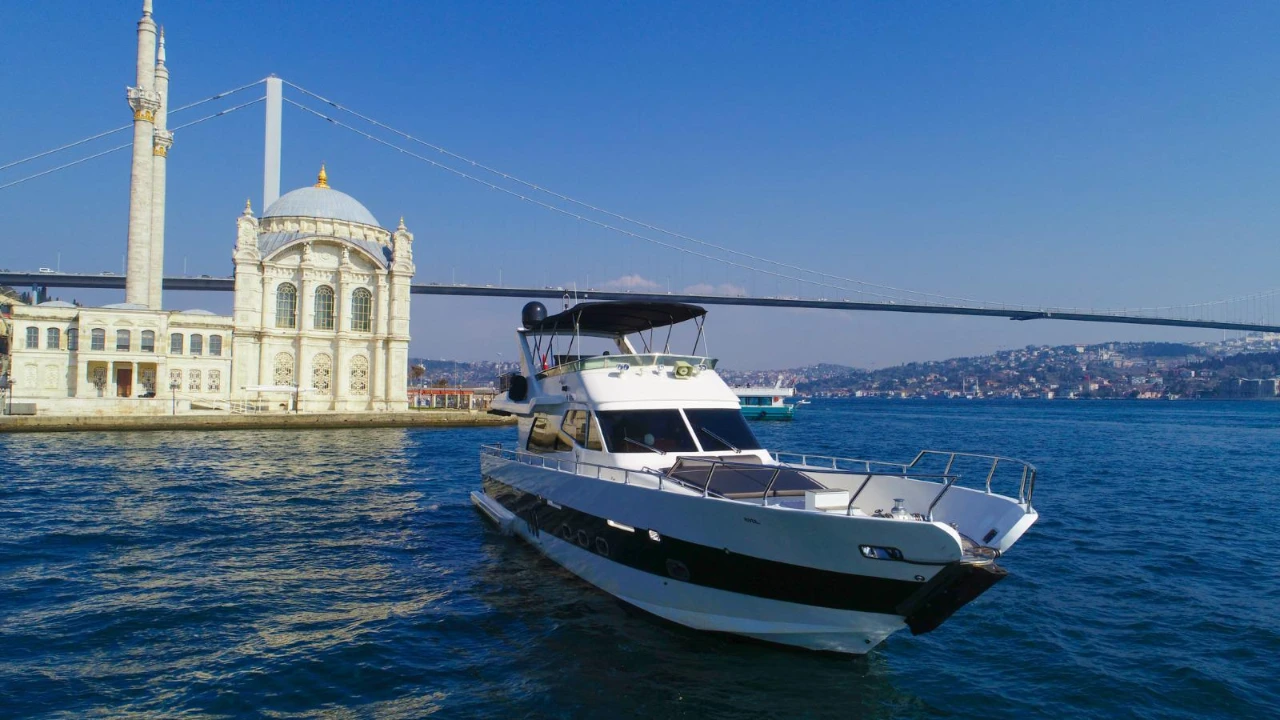
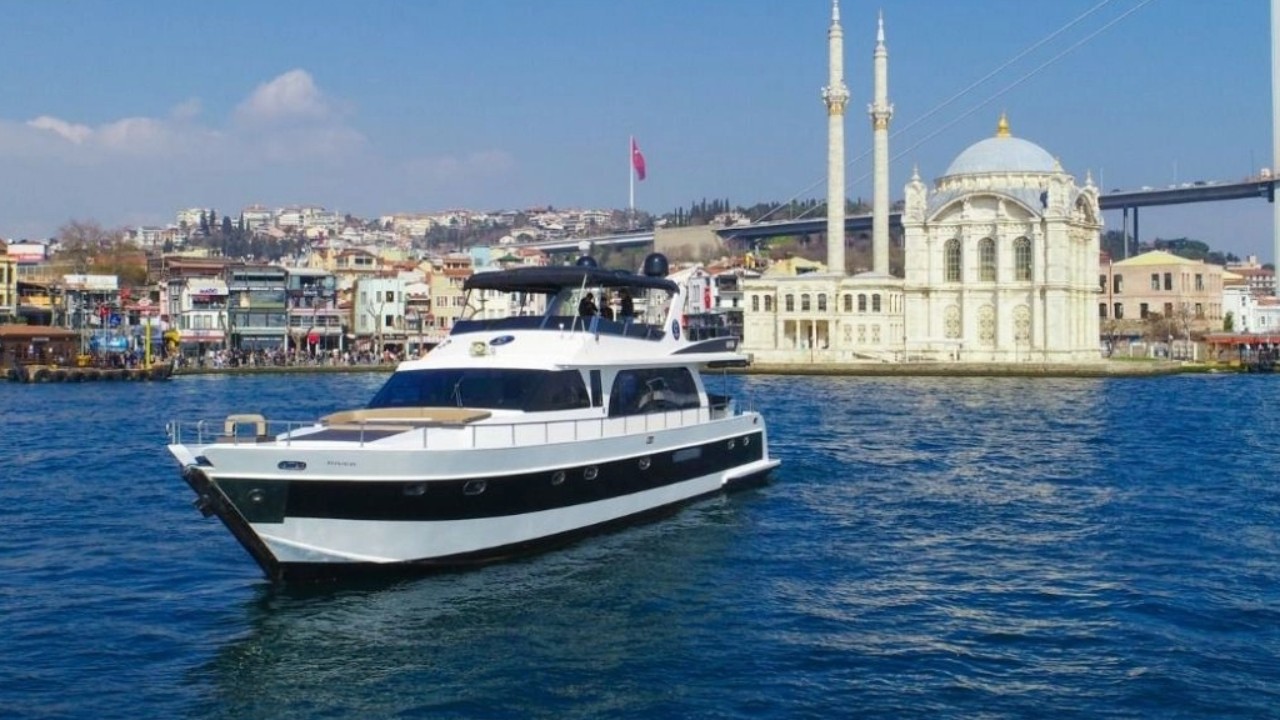
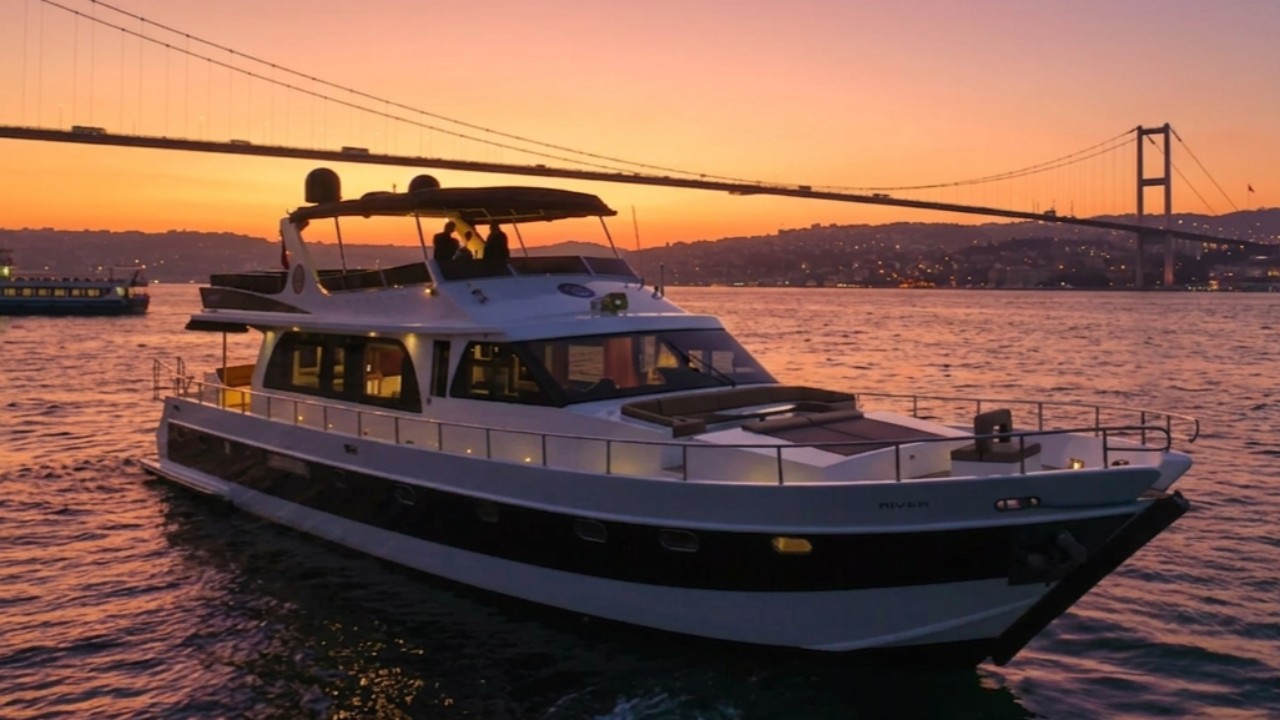
During Bosphorus cruises, the fortress appears in the northern section of the route, forming one of the two "walls" of the narrow strait along with the opposite shore. The practical difference between a scheduled ferry and a tour boat is felt at this point: a scheduled service is a transport line and doesn't slow down for views, whereas a tour boat designs its route specifically for sightseeing. For those planning to photograph the fortress walls, the direction of the departure time is more crucial than the pier name.
For another sea-based day trip planned with the same logic, our article Princes' Islands tours and transportation guide offers a comparison of scheduled line planning.
Fortress Interior or Boat Deck: Which Season is Best?
The open-air nature of the fortress exhibition elevates the seasonal decision beyond a simple comfort preference. The table below illustrates how the experience inside the walls differs from being on a boat deck during the same periods.
| Period | What changes inside the fortress | What changes from the sea |
|---|---|---|
| March-May | Green foliage on the hillside shades the steps, making the climb cooler | The coastline begins to be obscured by new foliage |
| June-August | Shade is scarce, midday hours in the open courtyard can be challenging | Decks become crowded, finding space in the narrow section becomes difficult |
| September-October | Steps are dry, days are still long | Light falls sideways on the fortress facade |
| November-February | No indoor shelter from rain, it gets dark before closing time | After leaves fall, the entire fortress outline becomes visible |
The Impact of No Indoor Halls
According to Kültür Portalı records, the museum features open-air exhibitions with no indoor halls. This detail leads to two key outcomes. Firstly, on a rainy day, you might need to cut your visit short due to limited indoor shelter. Secondly, in winter, as leaves fall, the fortress walls become fully visible, making it easier to appreciate the entire structure from both above and the water. Thus, bad weather is a disadvantage for exploring inside the fortress but an advantage for viewing from the deck; it's useful to consider this distinction when planning your day.
Frequently Asked Questions 6
Do Rumeli Hisarı boat tours dock at the fortress?
No, they don't. The official Şehir Hatları pier list does not include a pier named Rumeli Hisarı; the fortress is viewed from the water during Bosphorus cruises. To enter inside the walls, you must disembark on land, using the closest scheduled pier, Aşiyan, or coastal buses.
What days and hours is Rumeli Hisarı open?
The museum is closed to visitors on Mondays. On other days, it is open from 09:00 to 19:00, with the ticket office closing at 18:00. As days and hours are updated periodically, it's advisable to verify them on muze.gov.tr before your visit.
How do I get to Rumeli Hisarı by metro?
Take the M6 Levent-Boğaziçi Üniversitesi/Hisarüstü line to Boğaziçi Ü./Hisarüstü station, then transfer to the F4 funicular line. The 0.8-kilometer funicular descent takes 2.5 minutes and drops you at Aşiyan, at coastal level; the remaining part is a short walk along the coastal road.
Who built Rumeli Hisarı and when?
The fortress was built by Sultan Mehmed the Conqueror. According to museum records, construction began in March 1452 and was completed in August of the same year. The structure was used as a prison from the 16th century onwards, and after restorations began in 1953, it was opened as a monument museum in 1968.
How many towers does Rumeli Hisarı have and what are their heights?
The fortress has three large towers and 13 bastions. Saruca Paşa Tower is 28 meters tall, Çandarlı Halil Paşa Tower is 22 meters, and Zağanos Paşa Tower is 21 meters. The towers are named after the viziers who oversaw their construction.
Which is the closest ferry pier to Rumeli Hisarı?
Aşiyan pier is the closest. According to Şehir Hatları's announcement on May 12, 2026, Aşiyan-Üsküdar and Aşiyan-Anadolu Hisarı-Küçüksu circular line services operate from this pier with their normal schedule. For current ferry times, please check sehirhatlari.istanbul.