Travel trends are shifting rapidly. The relentless pace of modern work, urban stress, and digital fatigue are driving travelers toward a vacation style that goes far beyond the traditional "sun, sea, and sand" formula. At the heart of this movement is wellness tourism, specifically the rising popularity of Pilates-based retreats designed to rejuvenate both physical and mental well-being. In this guide, we explore the concept of wellness retreats, what a typical Pilates and yoga retreat program entails, Turkey's premier retreat destinations, and essential tips for planning your own restorative journey.
Travel Tour Shop has curated this guide from a lifestyle and relaxation perspective. Please note that this information is not intended as medical advice or a promise of clinical results; rather, it aims to showcase how mindful movement—such as Pilates, yoga, and meditation—can enhance relaxation and elevate your travel experience. Clinical treatments, physical therapy, and thermal cures fall outside the scope of this guide and are covered under our specialized health and thermal tourism content.
Quick Facts
| Topic | Summary |
|---|---|
| Theme | Pilates, yoga, and meditation-based wellness retreats (lifestyle-focused) |
| What is a retreat | A dedicated stay at a specific destination featuring a curated daily schedule of mindful movement and relaxation |
| Top destinations | Bodrum, Fethiye and Ölüdeniz, Datça, Kapadokya, Assos, and the North Aegean |
| Program content | Pilates sessions, yoga and breathwork, meditation, healthy nutrition, nature activities |
| Ideal season | Spring and autumn; indoor studios allow for winter sessions as well |
| Typical duration | Usually 3 to 7 days; some programs can extend up to two weeks |
| Note | For informational purposes only; consult a professional regarding personal health |
What is Wellness Retreat Tourism?
Wellness tourism transcends the idea of a simple "escape." It is a form of travel dedicated to preserving or enhancing an individual's physical and mental well-being. While a classic vacation is built around "the places you see," wellness-focused travel is built around "the time you give yourself." The term "retreat" refers to a restorative stay at a specific destination, following a pre-designed daily flow.
A wellness retreat typically offers a structured rhythm: starting with a morning Pilates or yoga session, continuing with breathwork, meditation, nature walks, and nutritious meals throughout the day, and concluding with evening relaxation rituals. During this time, participants step away from their daily routines, reduce screen time, and redirect their focus inward. This is the true allure of retreat tourism: the opportunity to combine rest with movement without compromising healthy habits while traveling. You can explore these types of experiences in our wellness and spa health tours category.
Pilates and Wellness: The Union of Mind and Body
Pilates is one of the core mindful movement disciplines at the heart of the wellness retreat concept. Because it is rooted in breath, control, and concentration, practicing Pilates in the fresh air, by the seaside, or in serene natural settings creates a unique sense of holistic integration. This is precisely what distinguishes a Pilates retreat from a standard gym experience.
Joseph Pilates and the Origins of the Method
The Pilates method was developed in the early 20th century by Joseph Pilates, who was born in Germany. He originally called his system "Contrology," placing the conscious connection between mind and body at its center. The method gained global recognition through his studio in New York and has since spread worldwide. At its core, it focuses on controlled movement, balance, flexibility, and core strength. While it is widely recognized for supporting posture and increasing body awareness, these effects vary by individual and should not be presented as medical treatment.
Mat Pilates vs. Reformer Pilates
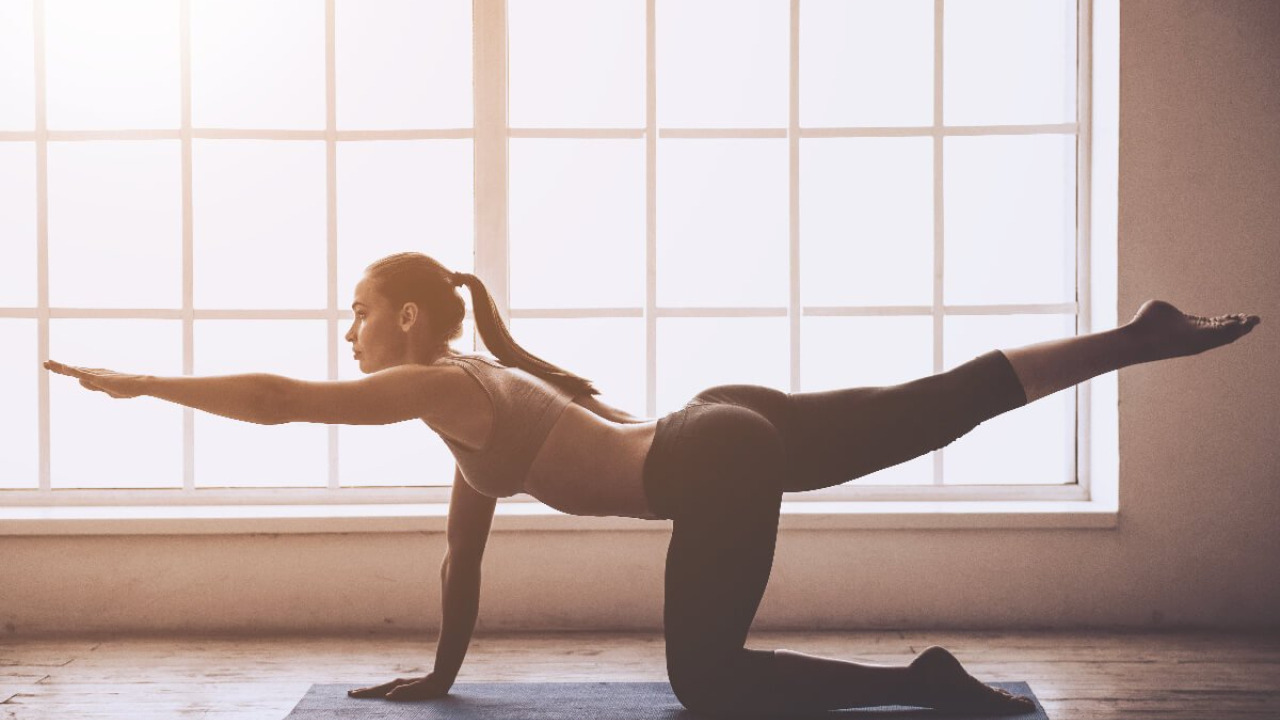
In retreat programs, you will typically encounter two main forms of Pilates. Mat Pilates is practiced on a mat using only body weight; because it is easy to organize in groups and outdoors, it is a favorite for retreats. Reformer Pilates, on the other hand, uses a spring-based machine to provide resistance. The availability of indoor studios equipped with Reformers allows retreat facilities to offer flexibility regardless of the weather. Programs that offer separate beginner and advanced groups based on experience levels further enhance the comfort of participation.
What Does a Wellness Retreat Program Include?
While retreat programs vary depending on the destination and facility, most are built upon a similar framework. The goal is not just to provide exercise, but to create a conscious, balanced flow from morning to night.
Pilates and Mindful Movement Sessions
The day is often structured around one or two Pilates sessions. A morning session prepares the body for the day ahead, while afternoon sessions focus on releasing the tension accumulated during the day. Instructors typically tailor movements to different skill levels, ensuring that even a complete beginner can participate comfortably.
Yoga, Breathwork, and Meditation
Many retreats integrate Pilates with yoga and meditation. Breathwork helps smooth the transitions throughout the day, while meditation sessions support mental stillness. The concept of a yoga retreat follows a similar logic, emphasizing flexibility and balance. Offering these components together allows participants to experience physical movement and mental relaxation in a single, cohesive schedule.
Detox, Healthy Nutrition, and Spa
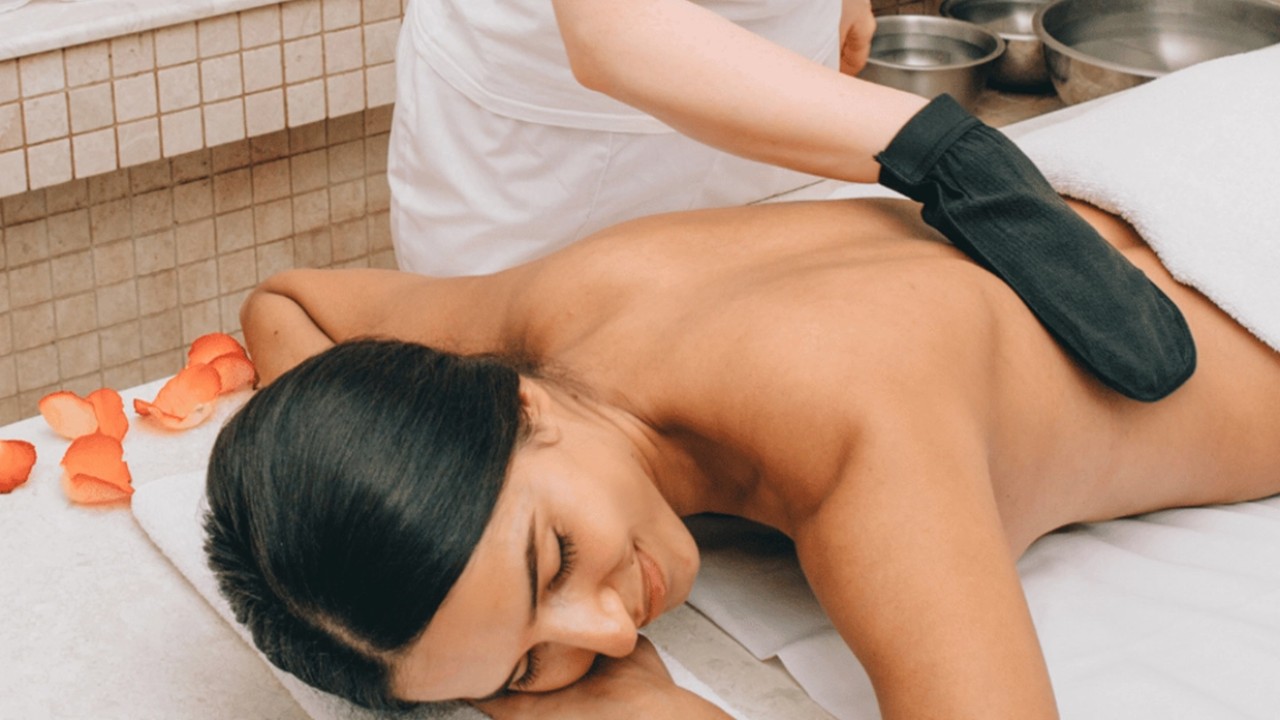
Wellness-oriented travelers prioritize nutrition; therefore, retreat kitchens usually design menus based on fresh, seasonal, and local ingredients. Some programs include light detox days, fresh juices, or nutritional guidance. Massage and spa treatments are also common elements used to complete the relaxation experience. For those seeking independent relaxation outside of a retreat, our spa center tours category is an excellent resource.
Nature Activities and Free Time
A well-designed retreat always leaves room for breathing space. Coastal walks, swimming in secluded bays, short nature excursions, and quiet reading hours are essential parts of the program. This balanced flow ensures that participants feel rejuvenated rather than exhausted by an intense camp schedule.
Top Pilates and Wellness Retreat Destinations in Turkey
Thanks to its natural diversity and climate, Turkey is an ideal geography for Pilates and yoga retreats. The following regions stand out for their nature-integrated accommodations and tranquil atmospheres.
Bodrum
Where the Aegean and Mediterranean climates meet, Bodrum is a hub for wellness retreats, thanks to its boutique hotels and eco-friendly facilities. The peninsula's bays provide a serene backdrop for morning Pilates, while sunset relaxation sessions are a staple of the evening. You can find relaxation-focused experiences in this area through our Muğla wellness and spa health tours.
Fethiye and Ölüdeniz
Fethiye and its neighbor Ölüdeniz attract retreat participants with landscapes where pine forests meet the sea. Facilities perched on the hillsides provide the perfect setting for both outdoor sessions and nature hikes. The relatively long season in this region makes it easy to plan programs from spring through autumn.
Datça Peninsula
Datça is a peninsula favored by travelers seeking silence, far from the crowds, with its simple and nature-friendly atmosphere. Bays surrounded by almond and olive trees provide a tranquil environment for meditation and breathwork. Datça is a prime example of how a boutique, lesser-known destination can gain brand value through retreat tourism.
Kapadokya
Kapadokya offers a completely different vibe for retreats that don't require a coastline. The otherworldly landscape of fairy chimneys and valleys adds visual depth to morning yoga and Pilates sessions. The local cave hotel concept aligns perfectly with a relaxation-focused stay. For those wishing to explore the valleys on their free days, check out our Kapadokya nature and adventure tours.
Assos and the North Aegean
With its ancient texture and stone architecture, Assos is a calm retreat route that blends history with nature. The North Aegean coast is ideal for those seeking a peaceful environment away from the summer crowds. This region demonstrates that the retreat concept is not limited to the southern coasts but can thrive in diverse geographies.
Off-Season Tourism and Four-Season Wellness
A structural challenge in the tourism industry is the concentration of activities in the summer months. Pilates and wellness retreats play a balancing role here. Mindful movement does not require sweltering heat; in fact, spring and autumn are often more favorable for outdoor sessions. This helps extend tourism activity in regions like the Mediterranean and Aegean beyond the peak summer months.
On rainy or cool days, Reformer and Mat sessions can be held in indoor studios. This flexibility allows retreat facilities to host guests even during traditionally quiet months. This lifestyle-driven demand is a key factor in helping destinations achieve a more balanced, year-round visitor flow.
Planning Your Retreat: Transport, Season, and Accommodation
The success of a retreat is directly linked to good preparation. The following points summarize the practical considerations to keep in mind before you join.
Transport
Access to retreat destinations is usually organized via the nearest airport. For Bodrum, Fethiye, and Datça, the airports in Muğla and Dalaman are practical entry points; for Kapadokya, Nevşehir and Kayseri airports are used. Most facilities either include airport transfers in their packages or offer them as an option. Clarifying transfer details in writing before the program begins is helpful for a smooth first day.
The Best Season
Spring (April and May) and autumn (September and October) are generally considered ideal for outdoor sessions. During these periods, the weather is neither oppressively hot nor too chilly for movement. In the summer, programs are typically shifted to the cooler early morning and late afternoon hours. In winter, choosing facilities with indoor studios ensures your program continues uninterrupted.
Accommodation and Dining
Retreat accommodations typically consist of boutique hotels, nature-integrated facilities, or characterful options like cave hotels. Before booking, it is wise to ask if accommodation is included in the program, what the meal plan covers, and if special dietary requirements can be met. Regarding dining, menus based on fresh, local cuisine are the standard; light and balanced meals create a holistic experience that complements the daily movement schedule.
Who is it For and How to Prepare?
A wellness retreat is a flexible type of vacation that can appeal to travelers with various expectations. However, getting the most out of your program is closely tied to proper preparation.
Who is it suitable for?
These programs are ideal for professionals looking to escape a hectic pace, travelers wanting to maintain healthy habits while on vacation, solo travelers seeking a safe group environment, and anyone looking to combine rest with light movement. Experience level is not a barrier; programs tailored to everyone from beginners to advanced practitioners are common. If you are interested in a similar theme of rejuvenation around Antalya, you can explore our Antalya spa and health tourism article.
Pre-Retreat Preparation
It is practical to pack comfortable clothing, a personal water mat (if the facility does not provide one), sun protection, and light walking shoes. Reading the daily schedule in advance helps keep expectations realistic. Anyone with existing health conditions is advised to consult a professional before participating; while instructors adapt movements to personal limits, this assessment remains the participant's responsibility. Finally, planning to reduce phone usage will make it much easier to embrace the tranquility the retreat offers.
Frequently Asked Questions 6
What is wellness tourism?
Wellness tourism is a form of travel that transforms a vacation into an experience aimed at preserving or enhancing physical and mental well-being. Unlike a classic vacation, the program is built around relaxation, movement, and disconnecting from daily routines. Pilates, yoga, meditation, and healthy nutrition are common components.
What is Pilates wellness?
Pilates wellness is the application of the Pilates discipline—based on breath, control, and concentration—within the context of a holiday focused on relaxation and quality of life. The goal is not intense performance training, but a balanced experience that supports both bodily awareness and mental relaxation.
What does a yoga retreat mean?
A yoga retreat is a restorative program held at a specific destination with overnight stays, where the daily flow is centered around yoga, breathwork, and meditation. Many programs offer yoga and Pilates together, combining flexibility, balance, and stillness in a single schedule.
How many days a week can I do Pilates?
In retreat programs, it is common to have one or two Pilates sessions per day, with sessions tailored to the participant's level. Personal frequency varies by individual; it is recommended to plan based on your experience level and how your body responds, consulting a professional if necessary.
Where can I do Pilates and wellness retreats in Turkey?
Bodrum, Fethiye and Ölüdeniz, Datça, Kapadokya, and Assos and the North Aegean are top regions for retreats due to their nature-integrated accommodations and tranquil atmospheres. Since each destination has a different climate and character, your choice should depend on your personal expectations.
What is the best season for a retreat?
Spring and autumn are generally considered ideal for outdoor sessions. In the summer, programs are shifted to cooler hours, and in the winter, facilities with indoor studios ensure the program continues seamlessly. This flexibility makes retreat tourism a viable option across all four seasons.