
Afyonkarahisar is a city positioned at the crossroads of western Anatolia's major highways and ancient historical routes. While many travelers simply drive through it on their way to other destinations, it is a region that truly deserves its own dedicated itinerary. The city is defined by two extraordinary assets: high-mineral thermal springs rising from beneath the earth and the massive Phrygian Valley to the north. On one hand, you have a hub known as "Turkey's Thermal Capital," famous for its spa culture; on the other, an open-air museum of Central Anatolia, featuring rock-cut monuments, churches, and fortresses carved into volcanic stone. In this guide, we explore the hidden gems of the valley, the charm of Ayazini Village, the thermal wellness opportunities in Afyon, transport tips, the best seasons to visit, local delicacies, and a sample itinerary.
At Travel Tour Shop, we take quality seriously. We vet our tour and transfer providers rigorously, excluding approximately 83% of applicants to ensure we only list those who meet our standards for local expertise and exceptional guest reviews. The following information is an extension of that commitment: we have compiled everything you need to know, from must-see landmarks to practical travel tips for your first visit to Afyonkarahisar.
Quick Facts
| Topic | Information |
|---|---|
| Location | Afyonkarahisar (Transition zone between Inner Aegean and Central Anatolia) |
| Highlights | Phrygian Valley rock monuments and mineral-rich thermal springs |
| Main Stops | Ayazini Village, Aslantaş, Yılantaş, Gazlıgöl, Ömer-Gecek |
| Trip Duration | 1 day for Phrygian Valley; 2-3 days including thermal wellness |
| Entry Fees | Phrygian Valley open-air areas are free; some museums may charge |
| Best Time to Visit | Spring and Autumn (Phrygian Valley); Winter (Thermal springs) |
| Transport | Private car recommended; Ayazini is ~32 km from Afyon center |
Where is the Phrygian Valley? Central Anatolia's Hidden Rock Landscape
The Phrygian Valley covers a vast area starting from the north of Afyonkarahisar and extending toward the borders of Eskişehir and Kütahya. The valley was shaped millions of years ago by volcanic activity, creating layers of tuff that were subsequently sculpted by wind and water. This soft, easily carvable rock structure has given the region a natural "sculpture garden" appearance and provided a perfect canvas for human craftsmanship.
Dating back to the 1200s BC, the Phrygian civilization carved these steep volcanic rocks to create religious monuments, rock tombs, and settlements. Today, you can find formations reminiscent of Cappadocia alongside rock churches and mysterious streets; this is why the region is often called the "Cappadocia of Central Anatolia." For those seeking a quieter, more undiscovered atmosphere away from the crowds of Cappadocia, this is the perfect destination. To weave these historical and cultural stops into a seamless journey, you can explore our culture tours for expert-led planning.
Must-Visit Sites in the Phrygian Valley
The valley route consists of open-air monuments connected by short distances. The most practical way to experience the scale and atmosphere of the region is to drive through the valley and explore the specific stops on foot. For first-time visitors, the following three locations form the backbone of the route.
Ayazini Village and Rock Churches
The heart of the route is Ayazini Village, which has been transformed into a charming tourism village thanks to recent restoration efforts. Within the village, you can witness a unique layering of history: massive Byzantine-era rock churches, ancient tombs, cisterns, and religious niches from the Phrygian period are all carved into the same steep cliffs. You can take a break at local cafes nestled among the stone streets and experience the warm hospitality of the villagers. Pro tip: The walking paths in the village are stony and can be steep, so wear comfortable walking shoes. Planning your visit for the morning will ensure cooler temperatures and a more peaceful experience. If you want to experience this historical texture with a professional guide, consider our historical city tours.
Aslantaş and Yılantaş Monuments
Located near the İhsaniye district, Aslantaş and Yılantaş are among the most significant examples of Phrygian stonework. Aslantaş is a monumental tomb carved into a massive rock block, flanked by lion reliefs that appear to guard the city and the tomb. Yılantaş, though partially damaged by earthquakes, still showcases the mythology of the era through its striking lion figures crushing serpents with their claws. These two monuments are essential stops for understanding the region's ancient belief systems and funerary culture. Pro tip: Since these monuments are in open areas, visiting during the morning or late afternoon light is much better for photography and walking comfort than the harsh midday sun.
Avdalaz Castle and Surrounding Rock Settlements
One of the lesser-known but deeply impressive stops is the multi-level Avdalaz Castle, hidden within the rocks, along with its surrounding settlements. The rock-cut rooms, passages, and stairways suggest that the area was used not only for religious purposes but also for defense. These spots are typically far from the crowds, allowing you to truly feel the mysterious and exploratory spirit of the valley. Pro tip: When heading to these more isolated stops, ensure you have plenty of water and a fully charged phone, and plan your return before sunset.
Turkey's Thermal Capital: Afyonkarahisar Hot Springs
After exploring history along the dusty paths of the valley, you can unwind in the healing waters of Afyon's thermal hotels. Afyonkarahisar is a renowned center known for its high-mineral underground waters, earning it the title of "Turkey's Thermal Capital." The local spa culture caters to both traditional daily bathers and those seeking modern spa and wellness retreats, making the city an ideal destination for a quick rejuvenation getaway.
Gazlıgöl, Ömer, and Gecek Thermal Regions
The underground waters in the thermal regions of Gazlıgöl, Ömer, Gecek, and Heybeli emerge from their sources at temperatures ranging from approximately 45°C to 68°C. Each area offers a different vibe: some are characterized by traditional stone bath structures, while others have evolved into luxury holiday resorts with high-end thermal hotels. Pro tip: If you are visiting for a day trip, it is wise to confirm entry hours in advance; for hotel guests, it is worth asking if they offer specific therapeutic water programs. Because the thermal experience feels even more luxurious as the air cools, early mornings or late afternoons are often the most enjoyable times.
Mineral Content and the Wellness Experience
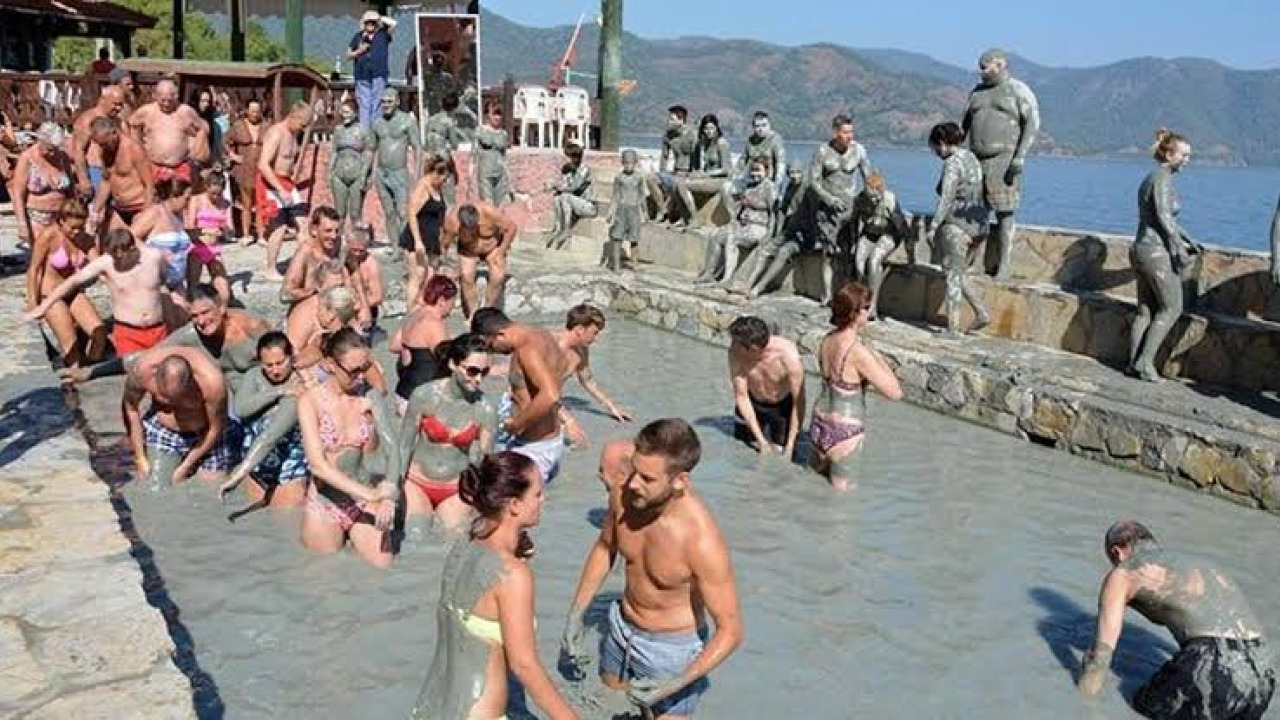
Afyon's thermal waters are famous for their high concentrations of sulfur, sodium, calcium, and carbon dioxide. When used in the form of medicinal baths or mud treatments, they are traditionally sought out to provide relief for rheumatic joint complaints, muscle fatigue, and certain skin conditions. Important Note: Thermal treatments are not a substitute for medical treatment; if you have a chronic condition, we recommend consulting your physician before starting a thermal wellness program. Modern wellness hotels combine these healing waters with massages, saunas, and relaxation areas, providing the perfect environment to recover from a day of hiking in the valley. For those looking to plan similar relaxation programs across the country, our wellness and spa health tours offer excellent options.
The Phrygian Way Hiking Route
For those who wish to explore the region more slowly and deeply, the Phrygian Way is an ideal choice. Similar to the Lycian Way, this route is marked with red-and-white stripes and stretches across the provinces of Afyon, Ankara, Eskişehir, and Kütahya, following the ancient paths of the Phrygian civilization. Spanning approximately 500 kilometers, the Phrygian Way is considered one of Turkey's premier long-distance culture and trekking routes. It is divided into stages of varying difficulty, making it suitable for both experienced trekkers and those looking for shorter walks. Pro tip: Before setting out on longer stages, check for updated trail markings and water source information, and dress in layers suitable for the season. If you want to combine hiking with other outdoor activities, check out our nature and adventure tours.
How to Get to Afyonkarahisar and the Phrygian Valley
Afyonkarahisar is a major transport hub with strong road and rail connections; highways from Ankara, Istanbul, Izmir, and Antalya all converge here. This strategic location makes the city easily accessible via both the highway network and high-speed train. Once you arrive in the city center, the most practical way to reach the valley is by private car, as the landmarks are spread out and public transport connections are limited.
Traveling from the City Center to the Phrygian Valley
Ayazini Village, considered the heart of the valley, is approximately 32 kilometers from the Afyon city center. You can reach it in about 30 minutes by following the Afyon-Eskişehir road and turning onto the Phrygian direction signs near the İhsaniye district. The roads are paved and suitable for passenger cars. For those without a vehicle, the most comfortable solution is to join a regional day tour or utilize a private transfer service; this allows you to efficiently visit the scattered landmarks of the valley in a single day. Pro tip: Since fuel stations and markets can be limited within the valley, make sure to stock up on any necessities in the city center before you depart.
The Best Season for Phrygian Valley and Thermal Holidays
The best time to visit Afyonkarahisar depends on your primary interest. For exploring the valley, the most pleasant months are spring (April–June) and autumn (September–October), when the weather is mild. During these periods, walking among the open-air monuments and planning long treks is much more comfortable. In the summer, the heat of the Anatolian interior can be intense during midday, so it is wise to schedule your sightseeing for early morning or late afternoon.
Thermal tourism, however, reaches its peak during the winter months. The contrast of soaking in hot, mineral-rich waters while the air is crisp makes the thermal experience exceptionally enjoyable; therefore, December through February is considered ideal for a spa and wellness retreat. For those wanting to combine both experiences, early spring or late autumn offers a balanced option for both Phrygian hiking and thermal relaxation.
What to Eat in Afyon? Local Delicacies
Afyonkarahisar is a city renowned for its geographically protected and certified culinary products; therefore, the gastronomic side of your trip is just as satisfying as the history and the spas. The city's most famous treasure is the legendary Afyon kaymağı (clotted cream), made from water buffalo milk, which is typically served with bread pudding or honey. Additionally, Afyon sucuk (spiced sausage), various types of Turkish delight (lokum), certified meat keşkek, and rich buffalo yogurt are must-try delicacies.
Many of these products also make excellent souvenirs. Sucuk and lokum are particularly popular because they are durable enough for travel. Pro tip: To ensure maximum freshness, try to purchase perishable items like kaymağı on your final day of travel. For those who want to experience these local flavors as part of an organized experience, the certified establishments in the city center are a great starting point.
Accommodation and Thermal Hotels in Afyon
Accommodation in Afyon offers two main paths depending on your travel goals. For those planning a history-focused trip to Phrygia, hotels in the city center provide a central location for both transport and dining, offering easy access to both the valley and the thermal regions. For visitors prioritizing the thermal and wellness experience, the hotels around Gazlıgöl, Ömer, and Gecek offer a more holistic holiday with thermal water available directly in your room, alongside full spa facilities and relaxation areas.
Pro tip: When choosing a thermal hotel, ask in advance whether the thermal water is supplied to the rooms or only to the pools, and whether massage and treatment programs are included. Because thermal hotels fill up quickly during the peak winter season, booking your weekend plans early will give you better options for both room type and location. As cancellation and refund policies vary by provider, it is always wise to read the terms before booking.
Suggested Itinerary: Phrygian Valley & Thermal Wellness
If you are short on time, Afyonkarahisar can easily be enjoyed in two days. A sample itinerary could look like this: On the first day, depart from the city center in the morning to explore the rock churches and tombs of Ayazini Village, then move on to the Aslantaş and Yılantaş monuments. In the afternoon, discover the rock settlements around Avdalaz Castle before returning to the city center in the evening to sample Afyon's famous local cuisine.
Dedicate your second day entirely to relaxation: spend the morning enjoying the hot springs and spa at a thermal hotel in the Gazlıgöl or Gecek region, and spend the afternoon shopping for local souvenirs like kaymak and lokum to complete your trip. For those with more time, a third day can be used to expand the itinerary with a hike along a short section of the Phrygian Way, creating a perfect balance of history, nature, and thermal rejuvenation.
Frequently Asked Questions 6
Is visiting the Phrygian Valley and Ayazini Village free?
Exploring open-air areas within the Phrygian Valley, such as Ayazini Village, Aslantaş, Yılantaş, and Avdalaz Castle, is generally free; no tickets or Museum Pass are required for these specific sites. However, separate fees may be charged for certain enclosed museums or archaeological sites in the area; it is helpful to check the current status before your visit.
How do I get to the Phrygian Valley from Afyon center?
Ayazini Village, the heart of the Phrygian Valley, is approximately 32 kilometers from the Afyon city center. You can reach it in about 30 minutes by following the Afyon-Eskişehir road and turning onto the Phrygian direction signs near the İhsaniye district. The roads are paved and suitable for passenger cars; those without a vehicle may consider a day tour or a private transfer.
What is the Phrygian Way hiking route?
The Phrygian Way is a cultural and hiking route marked similarly to the Lycian Way, stretching across the provinces of Afyon, Ankara, Eskişehir, and Kütahya. The historical paths of the Phrygian civilization are marked with red-and-white stripes, and at approximately 500 kilometers, it is one of Turkey's premier long-distance routes. It is divided into stages of varying difficulty, making it suitable for both short walks and multi-day trekking plans.
When should I use Afyon's thermal waters?
Afyon's thermal waters are known for their high sulfur, sodium, calcium, and carbon dioxide content. In traditional balneotherapy, they are used to provide soothing support for rheumatic joint complaints, muscle fatigue, and certain skin conditions. Please note that these treatments are not a substitute for medical treatment; if you have a chronic condition, consult your doctor before starting a thermal program.
What should I eat and buy in Afyonkarahisar?
Afyon is a city with certified gastronomic excellence. The famous Afyon kaymağı (made from buffalo milk), Afyon sucuk, various types of lokum, certified meat keşkek, and buffalo yogurt are top culinary recommendations. Sucuk and lokum are also popular souvenirs due to their durability during travel.
What is the best season for a Phrygian Valley and thermal holiday?
The most suitable months to explore the Phrygian Valley are spring (April–June) and autumn (September–October) when the weather is mild. The thermal and wellness experience is most impactful during the winter months, thanks to the pleasant contrast with the cold air. For a balanced trip, early spring or late autumn is an excellent choice.