
While Bodrum and Marmaris grab the spotlight in Muğla, Köyceğiz remains a serene hidden gem, cradled by rugged mountains, vast sığla forests, and lush citrus groves. As a proud member of the international Cittaslow (Slow City) network, this tranquil lakeside town is celebrated for preserving its peaceful village charm. On the southern shores of the lake, the Sultaniye Thermal Springs offer a legendary wellness experience, famous for their mineral-rich waters and therapeutic mud baths that have drawn visitors since the Roman era. In this guide to Köyceğiz Lake and Sultaniye Thermal Springs, we explore lakeside living, healing mud baths, nature trails, transport, and essential travel tips.
At Travel Tour Shop, we take quality seriously. We vet our local tour, boat, and transfer providers rigorously, excluding approximately 83% of options to ensure we only recommend those that meet our high standards for authentic local experiences and proven guest satisfaction. This guide is part of that commitment: everything you need to know, from top sights to practical travel advice.
Quick Facts
| Topic | Details |
|---|---|
| Location | Muğla, Köyceğiz district (North shore of Köyceğiz Lake; Sultaniye on the southwest shore) |
| Highlights | Cittaslow lakeside town, sığla forests, Sultaniye thermal springs, and mud baths |
| Must-See Spots | Lake promenade, sığla forests, Sultaniye Thermal Springs, Delta Beach, Dalyan canals |
| Water Temperature | Approximately 39-42°C |
| Recommended Duration | 1-3 hours for the springs; 1-2 days for Köyceğiz |
| Best Time to Visit | Spring and Autumn (thermal springs are open year-round) |
| Getting There | ~35 km from Dalaman Airport; via road, minibus, or lake boat |
Where is Köyceğiz? The Slow City Charm
Köyceğiz is a district in the Muğla province, situated on the northern shores of the lake that shares its name, nestled inland from the busy coastline between Bodrum and Marmaris. As a member of the international Cittaslow network, the town is dedicated to maintaining its local character and natural rhythm against the tide of rapid development. This "Slow City" identity is the secret to its unique atmosphere; the moment you arrive, you feel the pace of life slow down, with daily life flowing gently along the water's edge.
The Natural Beauty of the Lake
With a surface area of approximately 52 square kilometers, Köyceğiz Lake is one of Turkey's significant tectonic-coastal lakes. The lake connects to the Mediterranean through a labyrinth of narrow, natural Dalyan canals, creating a rich ecosystem where fresh and saltwater meet. The shores are fringed with citrus orchards, reed beds, and forested mountain slopes. In the early morning, the lake surface is often as still as a mirror, offering a perfect, quiet window for photography and birdwatching.
A Walk Along the Lakeside Promenade
Once you arrive in town, your first priority should be a stroll along the wide, tree-lined promenade stretching along the lake. Watching ducks glide across the still water while breathing in the scent of nearby tangerine and orange groves is an instant stress reliever. The promenade is dotted with tea gardens and cafes, making it a local favorite for watching the sunset over the lake. To avoid the summer heat, we recommend planning your walk for the cool of the early morning or late evening.
Sığla Forests and Nature Trails
The natural heritage of the region is defined by its magnificent sığla forests. These woods are home to ancient tree communities that grow only in limited parts of the world, making them vital for both biodiversity and the local landscape.
The Legend of the Sığla (Liquidambar) Tree
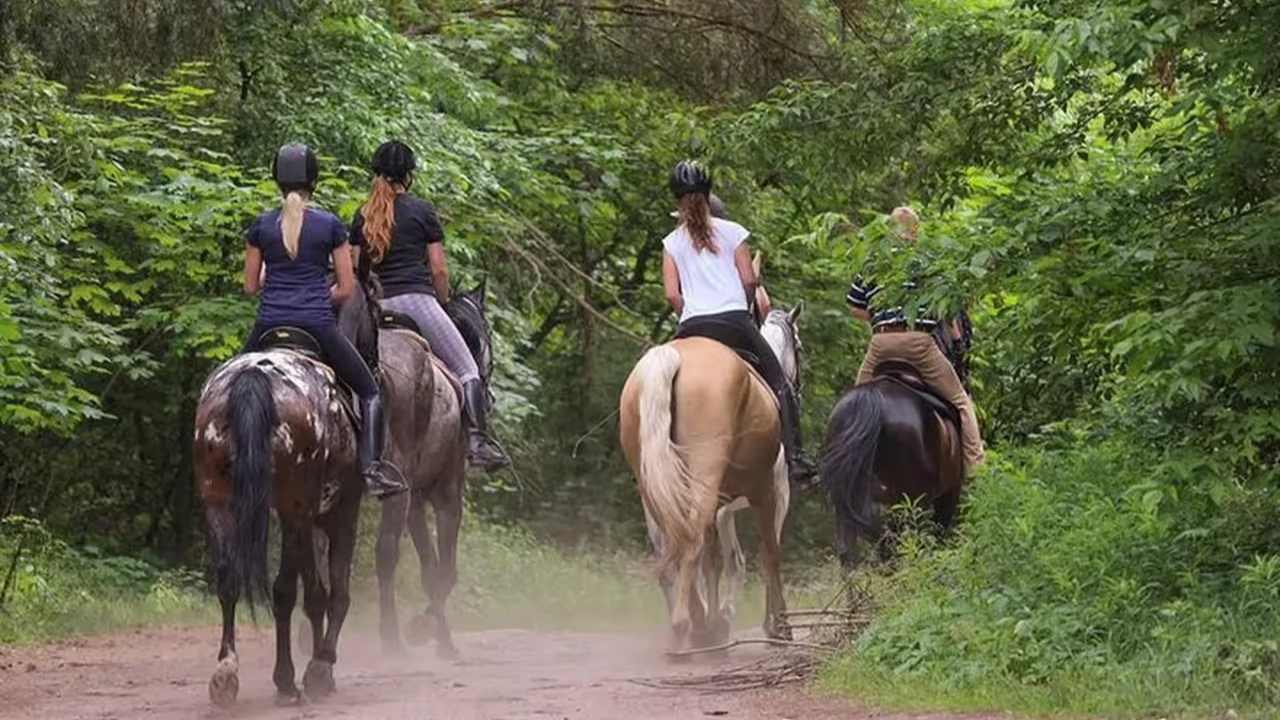
The sığla tree, also known as the sweetgum or "günlük" tree, is a rare species endemic to Southwest Anatolia. The sığla oil extracted from its trunk has been a prized ingredient in the perfume and pharmaceutical industries for centuries. The forests surrounding Köyceğiz are precious conservation areas for this species. Hiking through the forest trails, accompanied by the resinous, sweet scent of the trees, offers a deeply calming trekking experience. For those looking to explore these routes with a professional, check out our Muğla nature and adventure tours.
Kulak Picnic Area and Local Trails
Beyond the lake, the district offers several forested picnic areas. Spots like the Kulak picnic area are popular with locals for relaxing under the shade and taking short woodland walks. These areas are perfect for anyone looking to complement their lakeside stroll with a deeper immersion into nature. We recommend checking with local businesses for the latest trail conditions, especially during the rainy season.
Sultaniye Thermal Springs: History and Healing
Located at the foot of Ölemez Mountain on the southwest shore of Köyceğiz Lake, the Sultaniye Thermal Springs are one of the region's most famous wellness destinations. With a history spanning millennia, the springs are a major draw for both health and culture enthusiasts.
From Kaunos to the Present Day
The history of the Sultaniye thermal source reaches back to antiquity. According to local lore and historical records, these waters were used as a health center by the residents of the nearby ancient city of Kaunos; during the Roman era, the area was even organized to function as a type of hospital. The surviving ruins in the area serve as a reminder that people have been seeking healing here for ages. This layered history transforms the springs from a simple spa into a significant cultural landmark.
Mineral Composition and Temperature
The waters of Sultaniye Thermal Springs emerge at temperatures between 39-42°C and are rich in minerals such as calcium, sulfate, sulfur, and radon. According to local authorities and regional reports, the springs are noted for their high radon content, making Sultaniye one of Turkey's most well-known high-radioactivity thermal sources. While these mineral properties are widely celebrated for their wellness benefits, please note that this does not constitute official medical advice. For those looking to combine a thermal experience with luxury, explore our Muğla wellness, spa, and health tours.
The Sultaniye Mud Bath Experience
The most talked-about part of a visit to Sultaniye is the natural clay mud baths. Applying the mineral-rich mud is a signature activity that sets this location apart from other thermal resorts.
How to Enjoy a Mud Bath
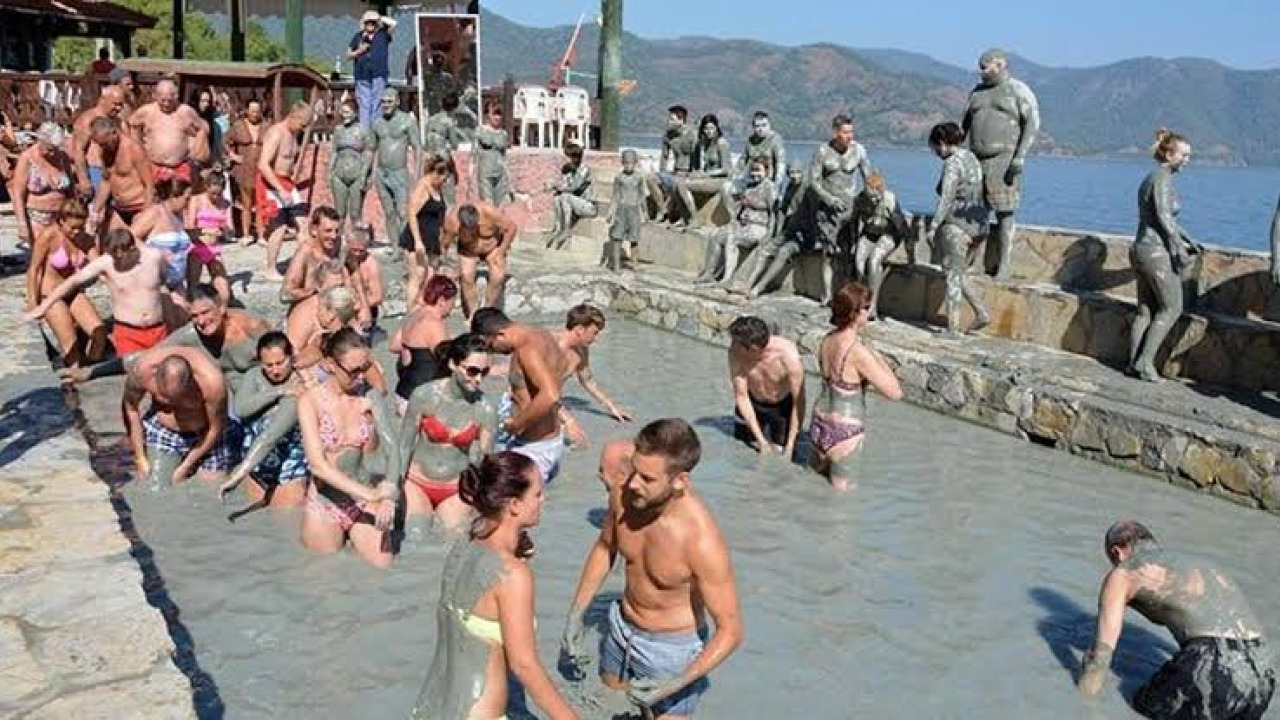
The mud bath process is usually quite simple: first, warm your body in a thermal pool; then, apply the natural mud from head to toe and wait for it to dry in the sun. This typically takes about half an hour. Once the mud has dried, rinse off and return to the thermal pool to complete the experience. Pro tip: bring an old swimsuit, a towel, and a change of clothes, as the mud can leave stains on light-colored fabrics. While showers and changing facilities are available, expect queues during peak seasons.
Local Beliefs and Visitor Experiences
Local tradition holds that the combination of mud and thermal water is excellent for the skin, leaving it incredibly soft. The waters are traditionally believed to provide relief for rheumatism, joint pain, and similar ailments. However, since effects vary from person to person, we strongly recommend that visitors with chronic conditions, heart issues, or high blood pressure consult a doctor before participating. Staying hydrated and resting after your soak will also make the experience much more comfortable.
Swimming and Boat Tours on the Lake
Köyceğiz is as much about its water activities as it is about its thermal springs. The freshwater nature of the lake provides a calm, gentle environment for swimmers, and there are designated areas for safe swimming.
Lake Beaches and Swimming Areas
Swimming is both safe and enjoyable in designated spots, such as around Delta Beach. During the summer, the lake water reaches a pleasant, mild temperature and offers a much calmer environment than the sea. This makes it a top choice for families traveling with children. To secure a good spot in the shade, try to arrive in the morning.
Boat Tours: The Lake and Dalyan Canals
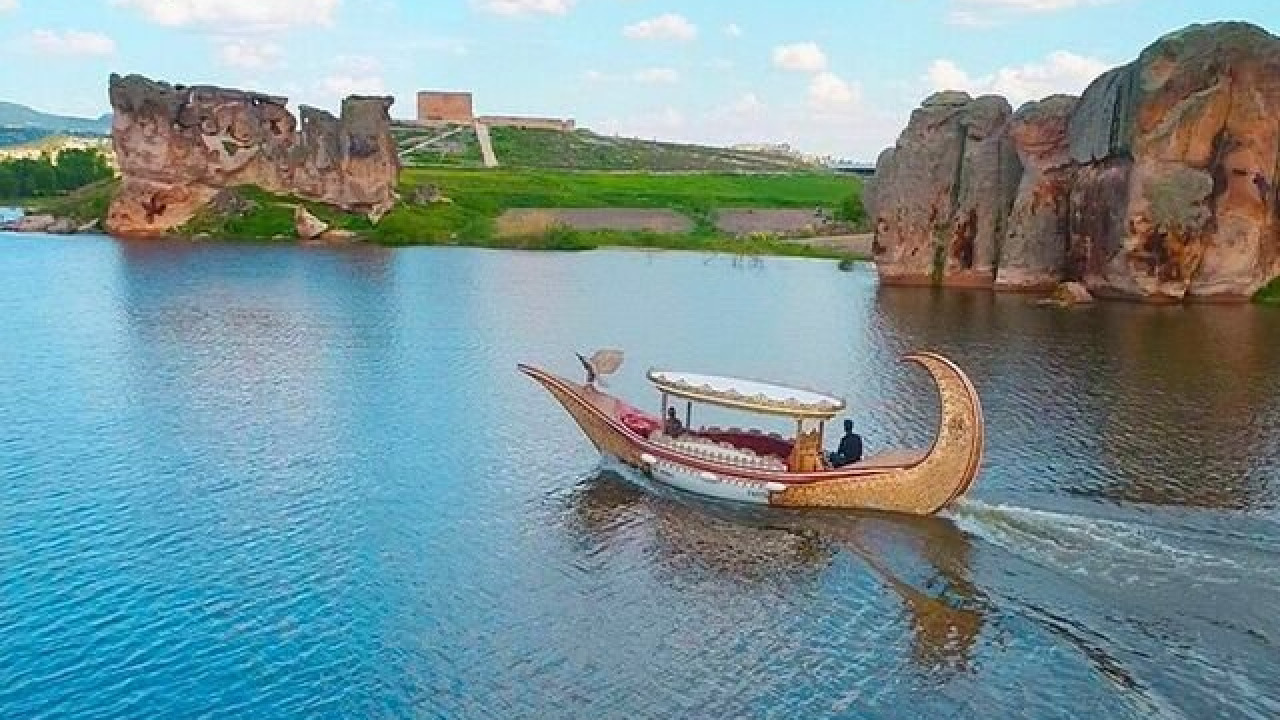
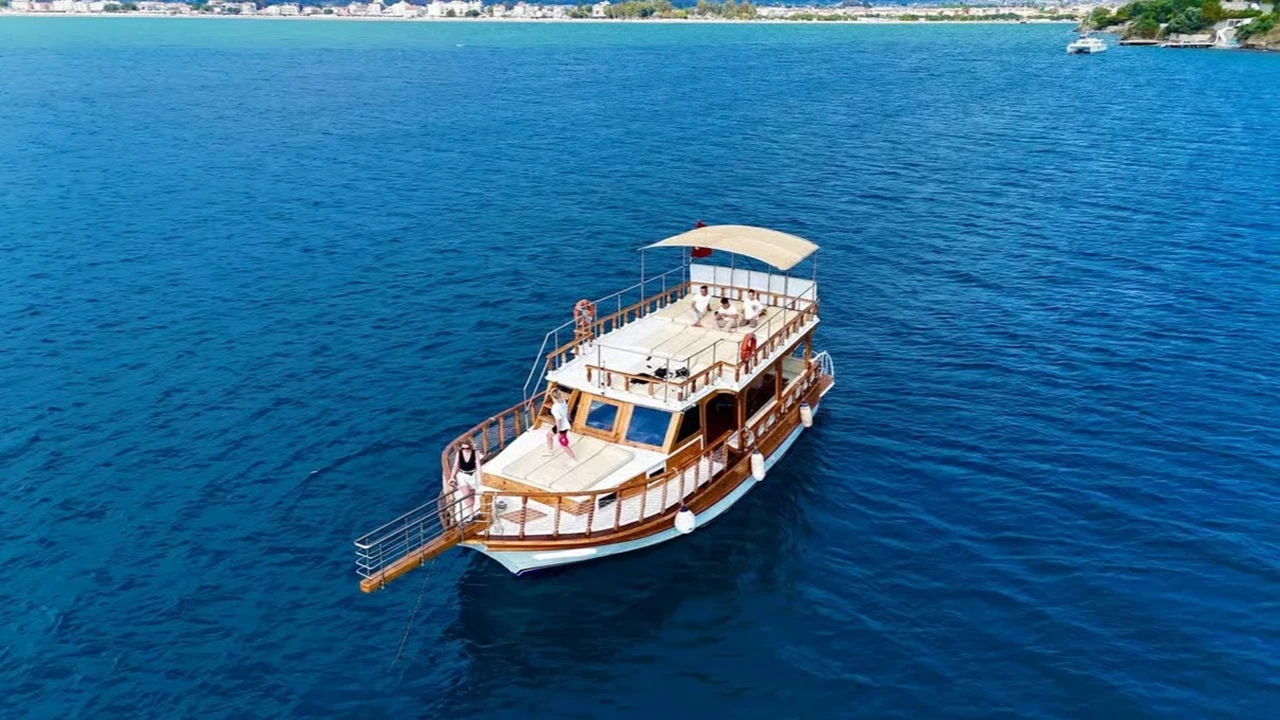
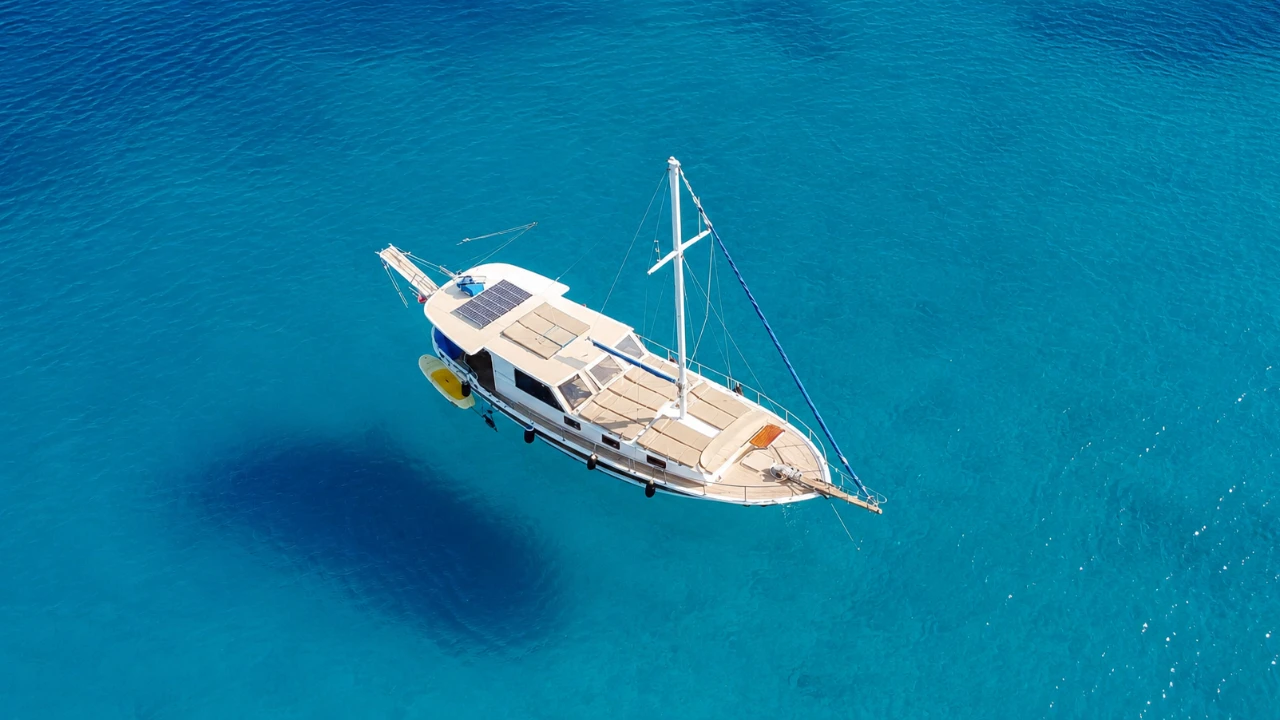
Every morning, day boats depart from the town harbor, following a scenic route that takes you across the lake to Sultaniye Thermal Springs, and then onward through the Dalyan canals to İztuzu Beach. This boat journey is a perfect way to glide through reed beds, stop for a soak at the springs, and catch a glimpse of the famous Caretta Caretta sea turtles at İztuzu. To plan your water adventure, browse our Muğla boat and yacht tours.
Getting to Köyceğiz: A Transport Guide
Köyceğiz is easily accessible thanks to its proximity to major transport hubs. You can reach the area by road or via the lake.
Air and Road Travel
The nearest airport is Dalaman Airport, located approximately 35 km away. You can reach Köyceğiz quickly by renting a car or booking a transfer. The district is about 60 km from the Muğla city center and 60 km from Marmaris. For those using public transport, regular minibuses run from the Muğla and Marmaris bus stations. To ensure a seamless arrival from Dalaman Airport, consider booking Dalaman transfer services in advance. If you are driving, the lakeside road offers beautiful views of the surrounding villages along the way.
Reaching the Springs by Boat
For a more scenic and enjoyable route, take a sightseeing boat from the town harbor directly to the Sultaniye Thermal Springs. This water route is much more picturesque than the winding roads. If you choose to drive, follow the lakeside road and take a short detour from the main highway. Whichever method you choose, be sure to check the boat departure schedules to avoid long waits.
The Best Time to Visit
The ideal time to visit Köyceğiz is during the spring and autumn months, when the weather is neither too hot nor too cool. The period from April to June and September to October offers the perfect balance for lakeside walks, nature treks, and outdoor thermal experiences. While the region becomes hot and lively in the summer, you can stay comfortable by scheduling your mud baths for the early morning or late afternoon. Since Sultaniye Thermal Springs are open year-round, you can enjoy the thermal waters even in winter—just remember to keep warm when stepping out of the hot water!
What to Eat in Köyceğiz? Local Delicacies
The culinary star of Köyceğiz is the mullet (kefal) caught from the lake and its canals, along with its specialty: local mullet caviar. Tasting fresh fish at a lakeside restaurant while enjoying the view is a must-do experience. Before you leave, don't forget to try the local sığla honey, tangerine jam made from nearby orchards, and high-quality local olive oil. You can find these authentic products directly from producers at the local market.
Accommodation Options
Köyceğiz offers a variety of stays to suit every budget. Boutique hotels and guesthouses near the lakeside promenade are perfect for those who want to wake up to a view of the water. For a more nature-focused retreat, look for bungalow-style accommodations around Sultaniye or along the lake shore. If your priority is the thermal experience, staying near Sultaniye is best, while staying in the town center provides easier access to restaurants and local life. We recommend booking in advance during the busy summer months.
Suggested Köyceğiz & Sultaniye Itinerary
If you are short on time, Köyceğiz can be enjoyed in a single, action-packed day. Here is a suggested route: Start with a morning walk along the lakeside promenade and enjoy breakfast overlooking the water. Then, take a boat from the harbor to Sultaniye Thermal Springs for a few hours of soaking and mud baths. In the afternoon, continue the boat trip through the Dalyan canals and perhaps visit İztuzu Beach. End your day with a fresh mullet dinner at a restaurant on the promenade.
For a more relaxed pace, spread this over two days. Dedicate the first day to the lake, sığla forests, and nature trails, and the second day to the thermal springs, boat tours, and the Dalyan region.
Frequently Asked Questions 6
What are Sultaniye Thermal Springs good for?
According to local tradition and visitor experiences, the thermal water and mud at Sultaniye are believed to be excellent for the skin, leaving it soft and rejuvenated. They are also traditionally used to provide relief for rheumatism and joint pain. Since effects vary by individual, those with chronic health conditions should consult a physician before visiting.
Is there an entrance fee for Sultaniye Thermal Springs?
Yes, there is an entrance fee for the Sultaniye Thermal Springs facility. The fee is set by the local municipality and covers access to the thermal pools, mud bath areas, and shower facilities. Please note that the Museum Pass (Müzekart) is not valid here. It is always a good idea to check current prices before your visit.
How do I get to Köyceğiz from Muğla or Dalaman?
Köyceğiz is approximately 60 km from Muğla city center, 60 km from Marmaris, and 35 km from Dalaman Airport. You can reach it quickly via car rental or a transfer service from the airport. Additionally, regular minibuses run from the Muğla and Marmaris bus stations.
Can I swim in Köyceğiz Lake and take boat tours?
Yes. Swimming is permitted in designated areas of Köyceğiz Lake, such as around Delta Beach, where the freshwater provides a calm environment. You can also take daily boat tours from the town harbor that travel across the lake to Sultaniye Thermal Springs, the Dalyan canals, and İztuzu Beach.
What is the best season to visit Köyceğiz?
The best times to visit are spring and autumn (April–June and September–October), as the weather is mild and perfect for outdoor activities. However, Sultaniye Thermal Springs are open year-round, so you can enjoy the thermal waters even in the winter.
What should I eat in Köyceğiz, and what local products should I buy?
The standout local delicacy is mullet fish and its traditional caviar. We also highly recommend trying local sığla honey, tangerine jam, and regional olive oil. These can be purchased directly from local producers at the town market.