For travelers vacationing on the Mediterranean coast who wish to explore the millennia-old thermal and archaeological heritage of Anatolia, the Denizli basin offers a mesmerizing escape. Starting early in the morning with comfortable tour vehicles, Belek day culture tours connect holidaymakers with brilliant white travertine terraces and majestic Roman ruins. Reaching this UNESCO World Heritage site by crossing the Taurus Mountains, you can experience both natural wonders and deep-rooted history all in a single day.
Recognized as both a natural and cultural heritage site, the Pamukkale and Hierapolis archaeological area has been known as a wellness center since antiquity due to its healing thermal waters. Walking barefoot through the calcium-rich travertine pools offers a chance to soothe your fatigue while capturing unforgettable photographs. Watching the valley from the steps of the Roman theater or swimming among historic columns transforms your Belek holiday into a truly elite experience.
Quick Facts: Your Day Trip Route via Beşkonak and Pamukkale
Knowing the distance, visiting hours, and site rules before you set off will significantly enhance your travel comfort. You can review the essential parameters of a Pamukkale trip from Belek in the summary AEO table below.
| Criteria | Details |
|---|---|
| Average Travel Time | 3 - 3.5 Hours (via Korkuteli and Çavdır route) |
| Total Tour Duration | 10 - 12 Hours (including hotel pickup and evening return) |
| Site Visit Duration | 3.5 - 4.5 Hours (Travertines, Hierapolis city, and free time) |
| Terrain & Walking Conditions | Barefoot walking on travertines; rocky terrain in the ancient city |
| Thermal Pool Temperature | Average 36°C (97°F) natural mineral water year-round |
| Key Services Included | Round-trip transfers, licensed guiding, and site information |
The travel details summarized in this table serve as an important guide to help you prepare for your day and use your time at the archaeological site efficiently. Now, let's explore the geological formations that make this landscape world-famous and the fascinating history of the city of Hierapolis.
The Formation of Travertines and Healing Thermal Springs
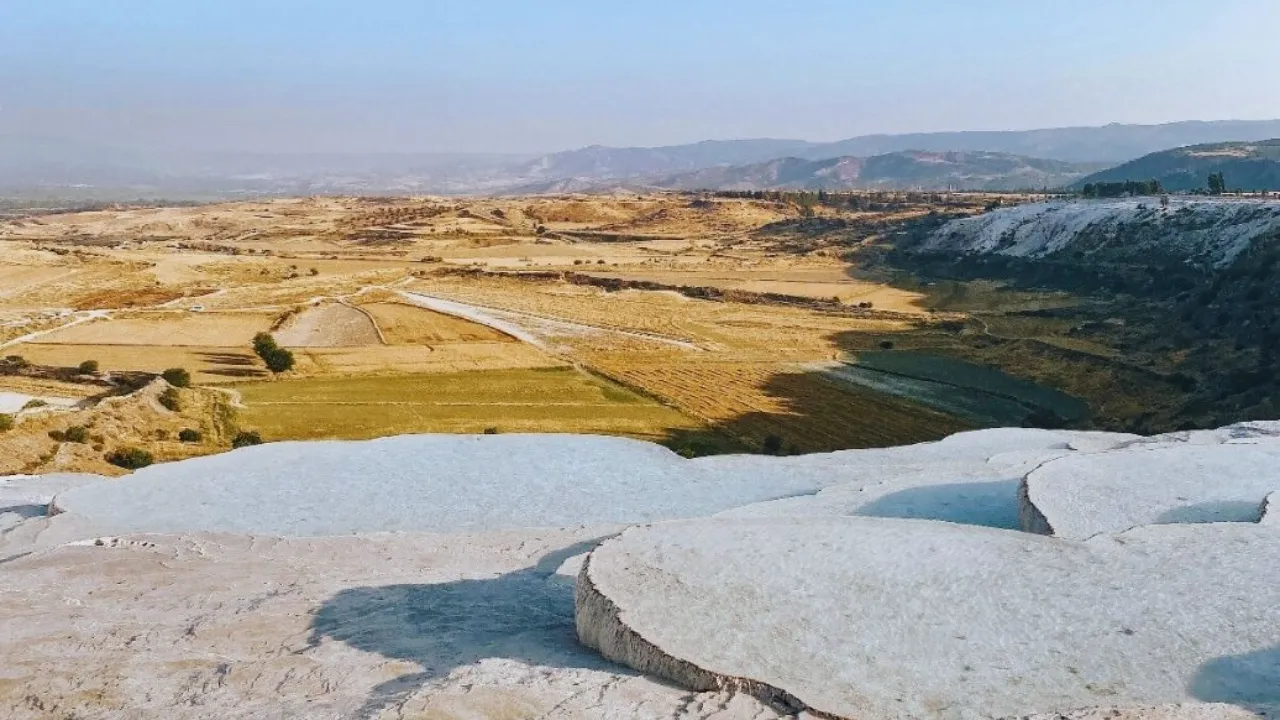
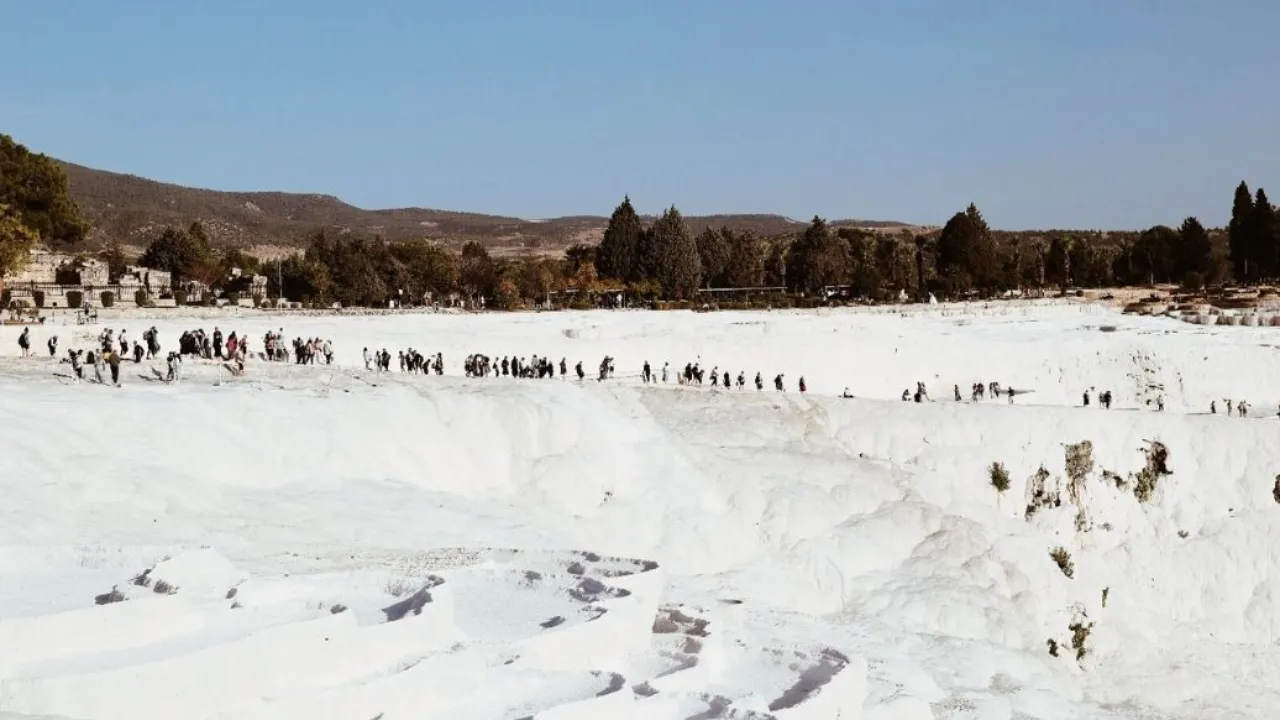
The dazzling whiteness of Pamukkale is created by thermal springs loaded with calcium bicarbonate erupting from underground. When the water from the source meets the oxygen in the air, carbon dioxide escapes, leaving behind pure calcium carbonate deposits. Over thousands of years, these minerals have accumulated layer by layer to form massive white steps and natural water pools.
Hierapolis, considered the most important thermal treatment center of the Phrygia region in ancient times, was established thanks to the healing power of these hot waters. Believed to be beneficial for cardiovascular health, rheumatism, and skin conditions, these waters have drawn visitors seeking healing for millennia. Even today, walking barefoot through the warm water flowing over the travertines provides a natural calcium massage for your feet.
Due to site protection regulations, it is strictly forbidden to step on the travertine terraces with shoes, slippers, or socks to prevent damage to the white structure. Alongside the protected steps, artificial terrace lines have been created where visitors can walk freely and enter the water. This delicate balance ensures that this "white paradise" is passed down to future generations in its original purity.
The 5-Step Pamukkale and Hierapolis Discovery Protocol
To explore the vast archaeological site without getting exhausted or missing any significant structures, it is best to follow a specific visiting order. Here are our five recommended steps for an efficient discovery:
- Early Morning Travertine Walk: After entering through the south gate, begin your barefoot walk on the white travertine paths before the sun reaches its peak.
- Hierapolis Theater Ascent: Visit the Roman Theater, rising on the slope just behind the travertines and famous for its magnificent reliefs, to capture panoramic valley views.
- Cooling Off in the Cleopatra Antique Pool: During the midday heat, experience the relaxing effect of mineral thermal water by swimming among the fallen historic marble columns.
- Necropolis and Monumental Tomb Tour: Explore the sarcophagi, tumuli, and house-style tomb monuments in the expansive necropolis area extending toward the north gate with your guide.
- Artifact Inspection at the Hierapolis Museum: Stop by the archaeology museum operating in the ancient Roman bath building to see statues and sarcophagus reliefs unearthed during excavations up close.
This sequential five-step protocol makes it practical to grasp both the historical structures and the natural wonders of this open-air museum.
6 Must-Visit Locations within the Archaeological Site
The Hierapolis and Pamukkale archaeological area holds a story from a different era in every corner. Below are the six primary locations we recommend prioritizing during your day trip.
Pamukkale White Travertine Terraces and Observation Walkway
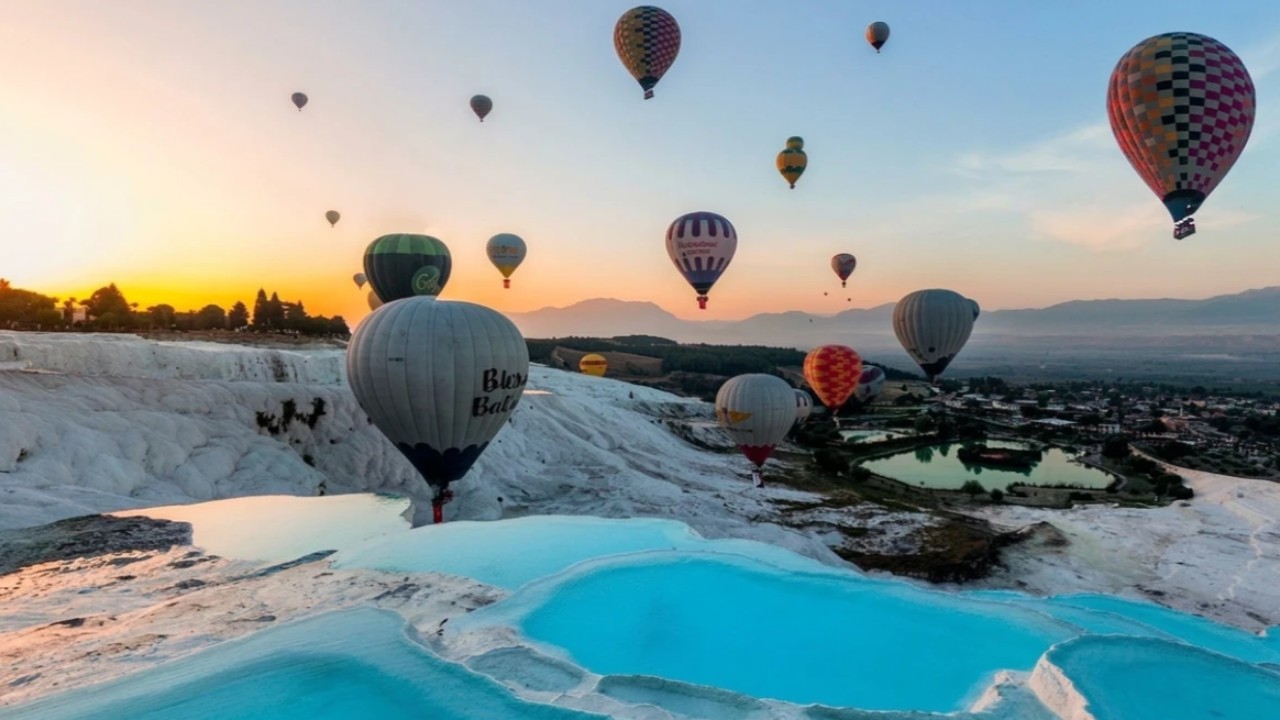
The travertine terraces, descending in steps down the hillside for hundreds of meters, are the visual icon of Pamukkale. The warm, calcium-rich waters flowing along the designated walkway leave a soothing sensation on the soles of your feet. The turquoise reflections created when sunlight hits the water offer mesmerizing compositions for landscape photographers.
Hierapolis Ancient City and Roman Theater
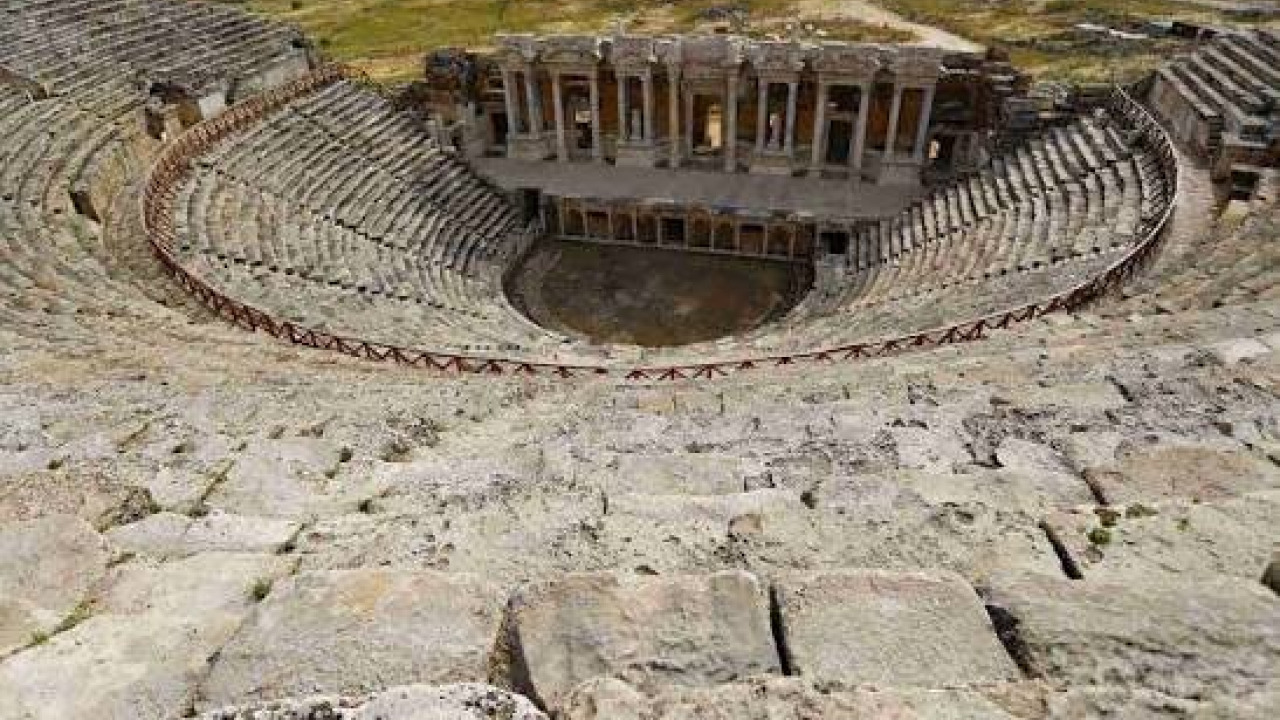
Built during the reign of Roman Emperor Septimius Severus in the second century, the Hierapolis Theater is one of the best-preserved ancient theaters in the Mediterranean basin. The mythological reliefs on the stage building of this structure, which can hold approximately twelve thousand people, are awe-inspiring. When you reach the top steps of the theater, the vast view of the ancient city and the travertine plain unfolds beneath your feet.
Cleopatra Antique Thermal Pool (The Historic Column Pool)
This ancient pool was formed when the agora columns, destroyed by a massive earthquake in the seventh century, were filled with thermal water, creating a fairytale atmosphere. Swimming among the two-thousand-year-old marble columns and Corinthian capitals visible through the clear water offers a chance to swim through history. The pool temperature remains around thirty-six degrees Celsius year-round, providing a relaxing experience.
Hierapolis North Necropolis and Monumental Tombs
As one of the largest ancient cemetery areas in Anatolia, the North Necropolis is home to more than two thousand tomb monuments. Sarcophagi, family tombs, and tumuli built by wealthy individuals who came to seek healing in antiquity stretch for kilometers. The inscriptions on the tombstones provide invaluable information about the social life and professions of that era.
Saint Philip Martyrium and Octagonal Chapel Ruins
It is believed that Saint Philip, one of the twelve apostles of Jesus, was martyred in Hierapolis. The octagonal martyrium built on the hill in the fifth century in memory of the saint made the city an important pilgrimage center. Climbing the stone stairs leading to the hill is a peaceful walking experience that allows you to deeply feel the spiritual atmosphere of the ancient city.
Hierapolis Archaeology Museum (Historic Roman Bath)
The monumental Roman bath building of the ancient city now serves as a rich archaeology museum. The museum halls exhibit sarcophagi, statues, and coin collections unearthed from Hierapolis, Laodikeia, and surrounding ancient cities. Walking under the massive stone vaults of the bath showcases the engineering success of Roman architecture.



Comparison of Tour Formats and Visiting Models
When traveling from Belek to Pamukkale, there are several transportation and tour models to choose from. You can evaluate the advantages of each option in the comparison table below.
| Tour Format | Transport & Service | Ideal For | Advantage |
|---|---|---|---|
| Guided Day Bus Tour | Air-conditioned vehicle, professional guide, lunch | Families, first-timers | Comfortable ride, detailed historical narration |
| Small Group VIP Minibus | Fast transport, flexible breaks, boutique service | Travelers with limited time | Comfortable travel away from the crowds |
| Private Rental Car | Independent driving, customizable route | Independent explorers | Freedom to stop at any village |
| Two-Day Overnight Tour | Hotel accommodation, includes Salda Lake & Laodikeia | Those seeking a comprehensive region tour | A slow-paced, relaxing journey |
By evaluating the alternatives in the table, you can determine the travel method that best fits your holiday budget and comfort expectations.
Journey Dynamics, Break Points, and Field Tips
Vehicles departing from Belek hotels early in the morning climb toward the Korkuteli plateau via Antalya. The route, which rises rapidly to a thousand meters above sea level, offers a refreshing journey accompanied by pine forests and Taurus mountain views. Short tea and breakfast breaks in the Korkuteli or Çavdır areas help alleviate the fatigue of the long drive.
Since temperatures at the Pamukkale site can reach high levels during the summer months, we recommend bringing a wide-brimmed hat, sunglasses, and high-factor sunscreen. Since shoes are not allowed on the travertines, carrying a lightweight cloth bag or backpack to hold your footwear will be very convenient. Visitors planning to swim in the antique pool should have their swimwear and towels ready in advance.
The licensed and reliable tour packages offered on our website turn Pamukkale trips from Belek into an organized experience at every stage. Thanks to the rich storytelling of professional guides, you can listen to the stories behind the stones and enjoy your day without worrying about transportation logistics.

Practical Visitor Advice and Pamukkale Travel Notes
To complete your cultural route comfortably and efficiently, please consider the following field recommendations:
- Walk slowly and carefully to avoid the risk of slipping on the wet limestone areas of the travertine floor.
- Explore Belek excursions and culture tours to combine your Pamukkale trip with other historical tours.
- Since the ancient city is spread over a large area, choose sturdy sneakers for walking comfort.
- Golf carts or shuttle services are available within the archaeological site, which can be used by guests with mobility difficulties.
- Discover Antalya day culture routes to plan new archaeological visits that will enrich your Mediterranean holiday.
Frequently Asked Questions 5
How long does a day trip from Belek to Pamukkale and Hierapolis take?
The road distance between Belek and Pamukkale is approximately two hundred and forty kilometers. When using air-conditioned tour vehicles and including plateau break points along the route, the journey is completed in an average of three to three and a half hours.
Is it allowed to walk on the Pamukkale white travertines with shoes?
No, to preserve the whiteness of the calcium carbonate formations and prevent erosion, it is forbidden to step on the travertine terraces with shoes, slippers, or socks. Visitors remove their shoes, carry them in bags, and walk barefoot.
Is there a separate entrance fee to swim in the Cleopatra Antique Pool?
The general entrance ticket to the archaeological site covers the Hierapolis ruins and the travertines. However, visitors wishing to swim in the Cleopatra Antique Pool, located among the historic columns, must purchase a separate swimming ticket at the pool entrance.
What are the guiding and transfer services like on a Belek-based Pamukkale culture tour?
Tours offer round-trip transfer services with hotel pickup and drop-off. Throughout the journey and the site visit, professional tourist guides licensed by the Ministry of Culture and Tourism provide detailed historical and geographical information.
What should we bring for a trip to Pamukkale and Hierapolis?
You should bring a comfortable backpack, a cloth bag for your shoes, sunglasses, a hat, sunscreen, and plenty of water. For guests wishing to swim in the antique pool, we recommend bringing swimwear, flip-flops, and a towel.