Nestled in the heart of Cappadocia, between Avanos and Göreme, Paşabağ Monks Valley and the neighboring Zelve Open Air Museum stand as the most striking examples of volcanic nature and millennial rock architecture. To discover these fairytale valleys and underground cities with the expertise of local guides, you can explore our Cappadocia tour options. From the towering, multi-capped fairy chimneys of Paşabağ to the monastic rock village of Zelve carved across three canyons, these sites reveal the spiritual and geological soul of the region.
This comprehensive field guide covers everything a visitor needs, from the secluded hermit cells of the monks to the multi-layered rock settlements of Zelve, including hiking trails and practical terrain tips.
Quick Facts: Paşabağ Monks Valley and Zelve
Before you set foot in these two historic valleys on the Avanos-Göreme line, here are the essential parameters to help you plan your visit.
| Parameter | Visitor Information |
|---|---|
| Location | Nevşehir province, Avanos district, on the Göreme-Avanos road |
| Valley Character | Paşabağ: Multi-capped fairy chimneys; Zelve: Rock village across 3 canyons |
| Historical Era | Early Christian hermit period (4th-13th century), inhabited until the 1950s |
| Entry & Museum Pass | Combined ticket for Zelve and Paşabağ; T.C. Müzekart is accepted |
| Walking Distance | Paşabağ trail: approx. 1 km; Zelve canyon route: approx. 2.5 km |
| Terrain | Fine volcanic tuff dust, sloping dirt paths, and rock-cut steps |
| Key Highlights | St. Simeon Chapel, Üzümlü Church, Balıklı Church, and the rock mill |
Geological Wonders: The Mushroom Fairy Chimneys of Paşabağ
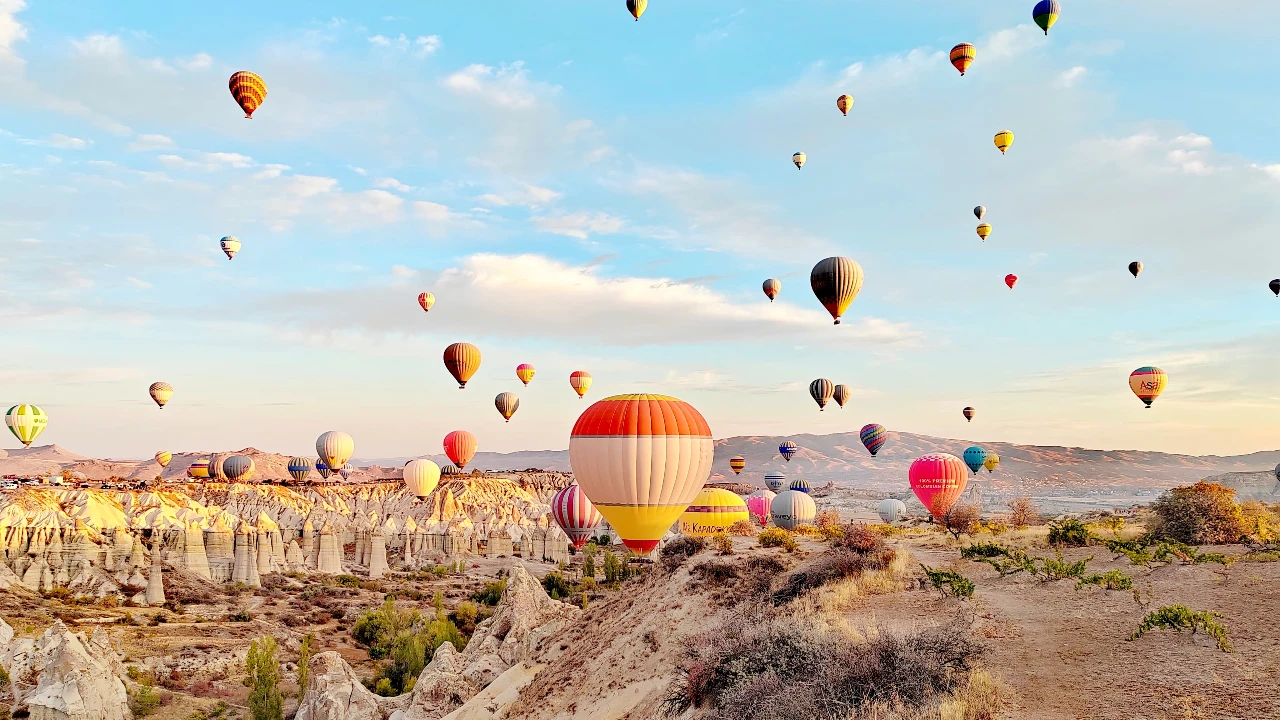
The geological foundation of Cappadocia was laid millions of years ago by the lava and ash eruptions of Mount Erciyes, Hasandağı, and Güllüdağ, creating thick layers of tuff. Over time, river currents, rainwater, and wind erosion sculpted these soft tuffs into the iconic "fairy chimneys."
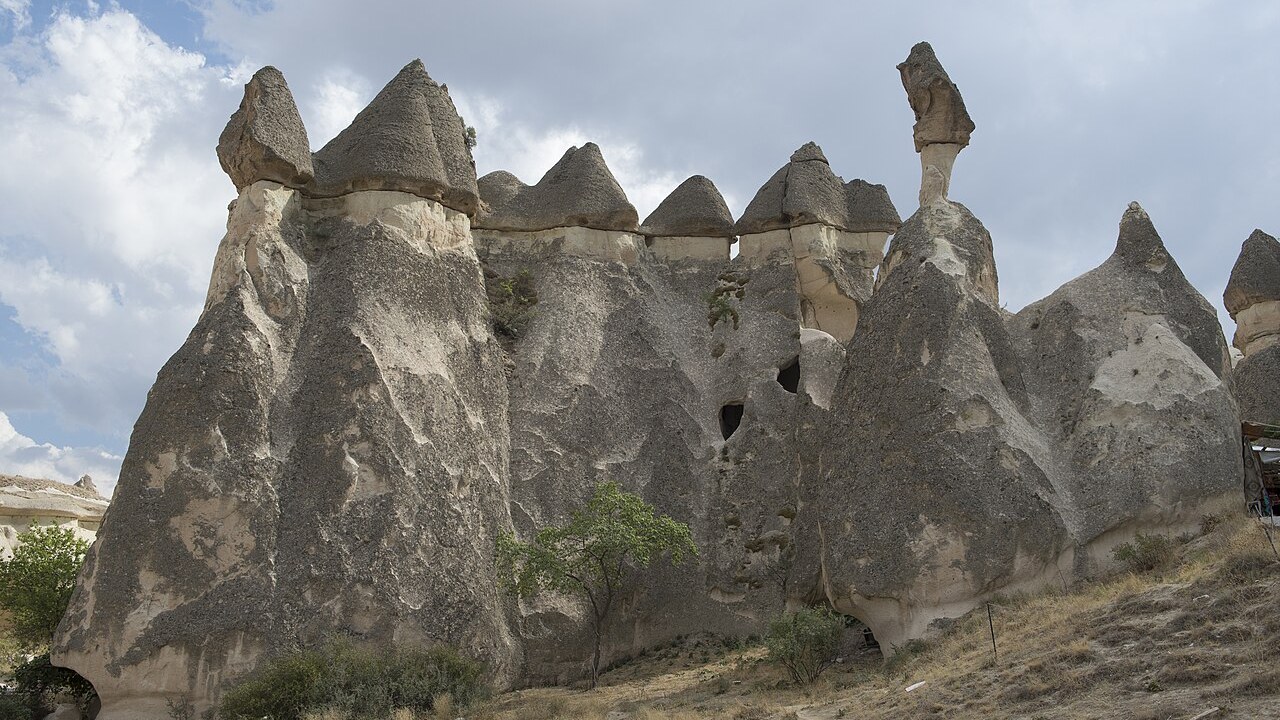
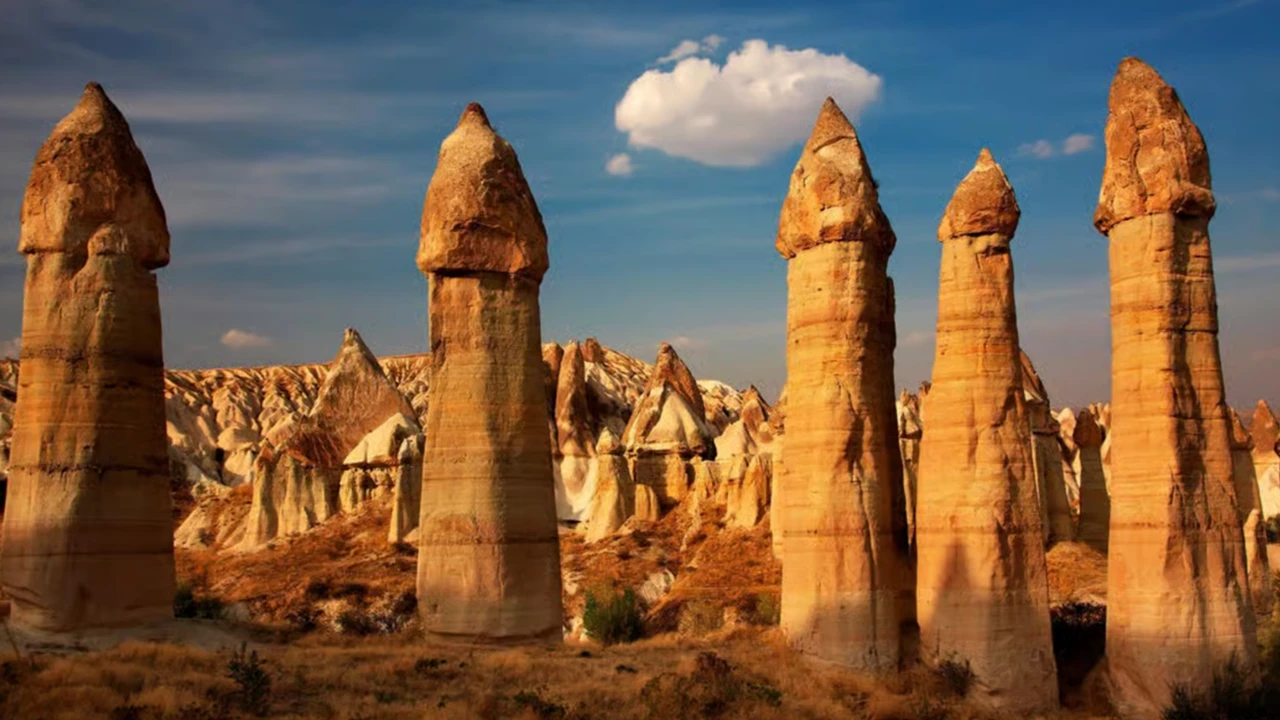
Paşabağ Valley represents the most mature and developed stage of these formations. The bodies of the chimneys consist of relatively soft, light-colored tuff, while the "caps" are made of harder basalt and andesite. This hard top layer acts as a protective umbrella, shielding the tuff beneath from rain and allowing the chimney to remain upright.
What sets Paşabağ apart from other valleys are its monumental double and triple-headed mushroom formations. Due to ongoing erosion, some of these massive structures have developed natural cracks and hollows within their bodies. Rising amidst the surrounding vineyards, these structures are a vivid testament to nature's sculptural power.
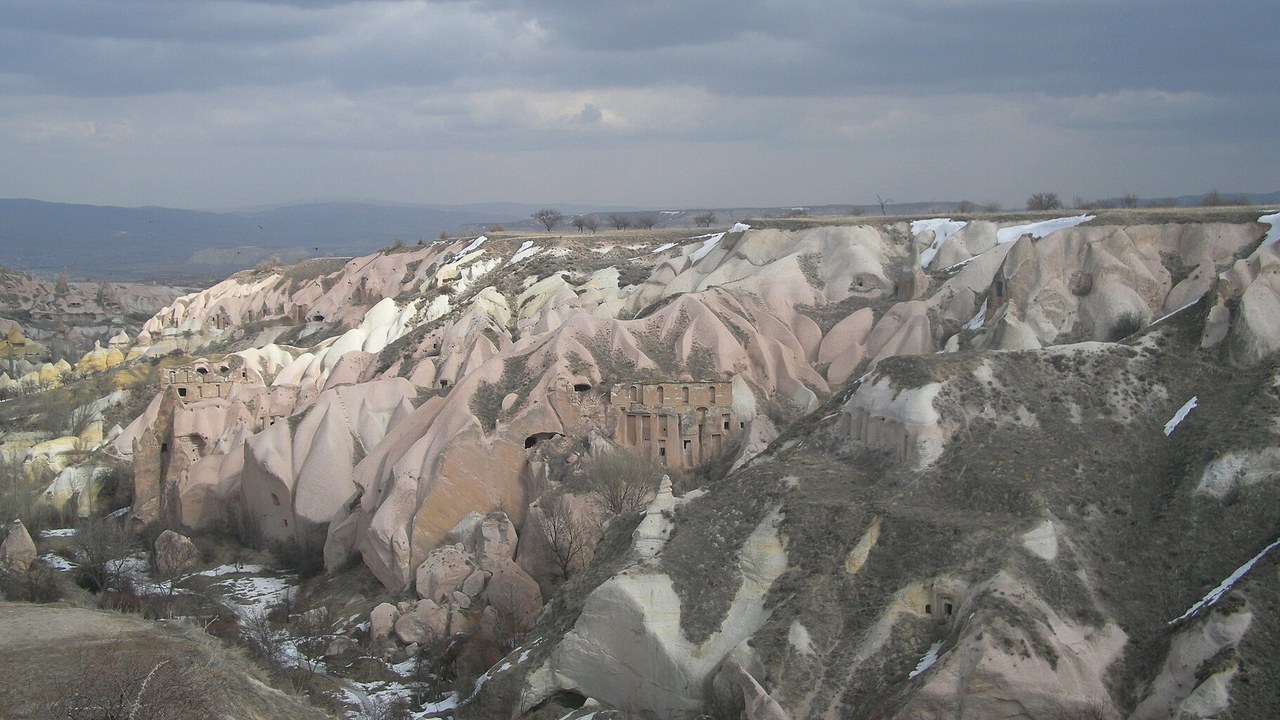
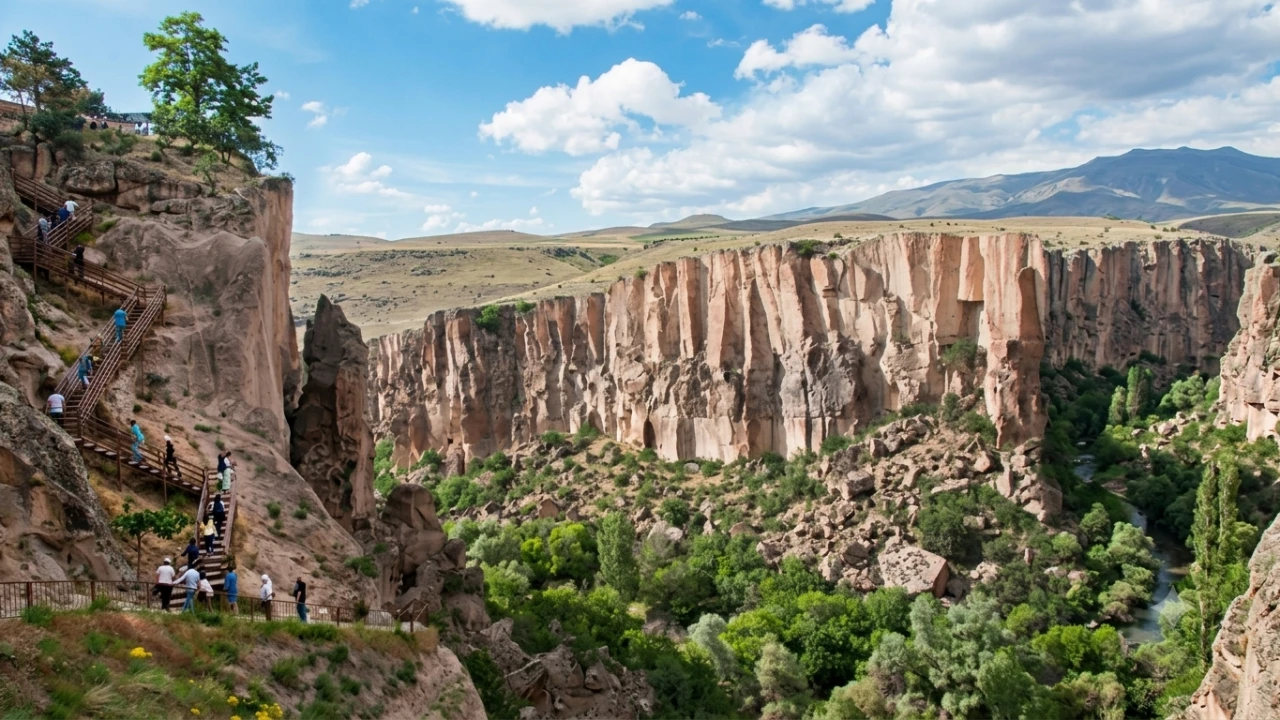
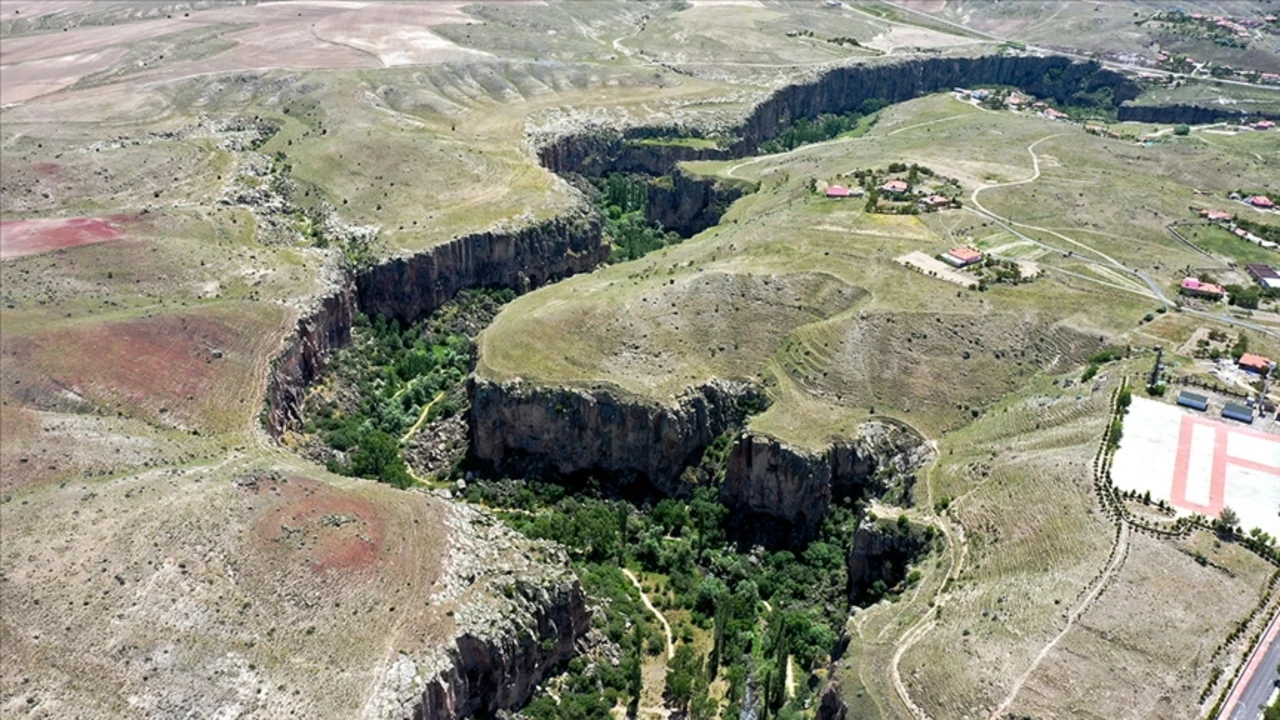
Zelve Valley, located about a kilometer from Paşabağ on the steep slopes of Aktepe, offers a different landscape. Rather than pointed chimneys, Zelve is defined by deep canyons, vertical tuff cliffs, and expansive rock rooms carved into the valley walls over thousands of years.
Early Christianity and the Tradition of Solitude in Paşabağ
During the early spread of Christianity in Cappadocia, Paşabağ became a sanctuary for monks seeking a hermit's life, far removed from worldly distractions. This deep spiritual history is why the area is known as the Monks Valley (Rahipler Vadisi).
The monks carved individual worship and meditation cells into the bodies of the multi-headed fairy chimneys. Among the most famous were the disciples of St. Simeon Stylites, who started the tradition of living atop pillars in 5th-century Syria. In Cappadocia, the monks adapted this by living in narrow cells at the very peaks of the fairy chimneys.
The St. Simeon Chapel, which is still open to visitors, is carved into a triple-headed chimney. The lower level served as a hermit cell, while the upper level contains a small apse and remnants of frescoes. Monks reached these heights via vertical shafts and steps carved into the rock, spending their days in prayer and contemplation.

Zelve Open Air Museum: The Three-Canyon Rock Settlement
Zelve Valley is one of the oldest and most continuously inhabited rock villages in Cappadocia. The valley is structured like a natural amphitheater, consisting of three main canyons.
The first canyon, stretching to the left, houses rock homes and traditional wine presses. The second canyon, in the center, is home to the Üzümlü and Balıklı Churches, dating back to Early Christianity. Here, you can see pre-iconoclastic geometric and symbolic examples of fresco art. The third canyon is the widest section, featuring a large rock mosque, the village square, and rock tombs.
Zelve is one of the rare settlements where Christian and Muslim populations lived side-by-side in peace for centuries. Local residents continued to live in these rock-cut homes until the 1950s. However, due to the risk of rockfalls and erosion, the village was evacuated in 1954, and the population moved to the nearby "Yeni Zelve" (New Zelve) village.
Today, Zelve is protected as an open-air museum, allowing visitors to experience step-by-step how a real community thrived inside fairy chimneys. For those wanting a deeper dive into the region's monastic and canyon routes, choosing one of our Cappadocia cultural tour programs is a highly enriching choice.
Comparison Matrix: Paşabağ vs. Zelve
To help you plan your visit to these neighboring sites, here is a comparative look at their characteristics.
| Criterion | Paşabağ Monks Valley | Zelve Open Air Museum |
|---|---|---|
| Primary Geology | Multi-headed mushroom fairy chimneys | Three deep valleys and vertical tuff canyons |
| Historical Function | Solitary hermit cells for monks | Communal monastic and village life |
| Trail Difficulty | Flat, wide, and easy walking paths | Sloping paths, steep steps, and canyon crossings |
| Avg. Visit Time | 45 minutes to 1 hour | 1.5 to 2.5 hours |
| Architectural Highlight | Triple-headed St. Simeon Chapel | Rock Mosque, Üzümlü Church, and Mill |
| Best Lighting | Ideal during morning and late afternoon | Soft light inside canyons in the afternoon |
Terrain, Safety, and Logistics
When exploring Paşabağ and Zelve, it is important to be mindful of the natural terrain. Both valleys are covered in a layer of crumbled volcanic tuff dust and calcareous sand.
In Paşabağ, the ground consists mostly of leveled dirt roads, making walking quite easy. However, because Zelve Valley spreads across steep canyon slopes, the terrain is inclined, rocky, and occasionally slippery. The rock-cut stairs in Zelve have rounded over time due to wear. Therefore, we strongly recommend sturdy hiking boots or sneakers with gripped soles rather than flat-bottomed shoes or dress shoes.
Additionally, be mindful of ceiling heights when entering rock hollows; some passages are low and require crouching. Never enter areas marked with warning signs regarding rockfall risks, and always stay on the designated walking trails.
Since the valleys are completely open to the elements, they are exposed to intense sunlight in the summer. Carrying a sun hat, sunglasses, sunscreen, and plenty of drinking water will significantly increase your comfort.
The 5-Step Paşabağ and Zelve Exploration Protocol
To make the most of your time and ensure you don't miss any historical or natural details, we recommend this itinerary:
- Paşabağ Entrance & Mushroom Chimneys: Start your morning at Paşabağ, walking among the massive double and triple-headed mushroom chimneys.
- Explore St. Simeon Chapel: Get a close-up look at the monk's cell carved into the monumental triple-headed chimney and the Early Christian architecture.
- Transition to Zelve & 1st Canyon: Take a short drive to Zelve and explore the rock houses and wine presses in the left-hand canyon.
- Zelve 2nd & 3rd Canyon Churches: Examine the fresco remnants of the Üzümlü and Balıklı churches in the middle canyon, then visit the historic rock mosque in the right canyon.
- Break at Aktepe Viewpoint: End your tour at the high point overlooking the valley for a panoramic photo op of the tuff slopes.
Local Flavors and Relaxation Spots
After your hike, you can savor the authentic tastes of Cappadocia at local restaurants toward Avanos and Göreme. The region's most famous dish, the traditional Testi Kebab (Pottery Kebab), is slow-cooked in clay pots made by Avanos potters and served by breaking the pot at your table.
Other must-try local flavors include dried beans in a clay pot (güveç), buttered tandoori soup, and stuffed grape leaves. For dessert, köftür (made from local grapes) and walnuts with dried figs are excellent options to regain your energy.
At the refreshment stands near the Paşabağ entrance, you can enjoy freshly squeezed pomegranate or orange juice and pick up dried fruits and pumpkin seeds from local vendors.
Frequently Asked Questions 5
Where are Paşabağ and Zelve located?
Paşabağ and Zelve valleys are located within the borders of the Avanos district in Nevşehir province, on the connecting road between Göreme and Avanos. They are approximately 5 km from Göreme center and 6 km from Avanos center.
What is Paşabağ Valley known for?
Paşabağ Valley is home to Cappadocia's most characteristic multi-headed, mushroom-shaped fairy chimneys. It is also known as the Monks Valley because it served as a retreat for hermit monks during the Early Christian period.
How much is the entrance fee for Zelve Open Air Museum?
Zelve Open Air Museum and the Paşabağ archaeological site are managed by the Ministry of Culture and Tourism and are visited with a combined ticket. Turkish citizens can visit both sites for free throughout the year using the Müzekart.
What is the St. Simeon cell in Paşabağ Monks Valley?
The St. Simeon cell is a two-story monastic space carved into the body of a triple-headed fairy chimney. This chapel, where hermit monks prayed in isolation from the world in the 5th century, contains an apse and fresco remnants.
How long does a visit to Paşabağ and Zelve take?
Walking through Paşabağ Valley takes about 45 minutes to an hour. Exploring the three canyons of the Zelve Open Air Museum takes approximately two hours. It is ideal to allocate half a day for the entire route.