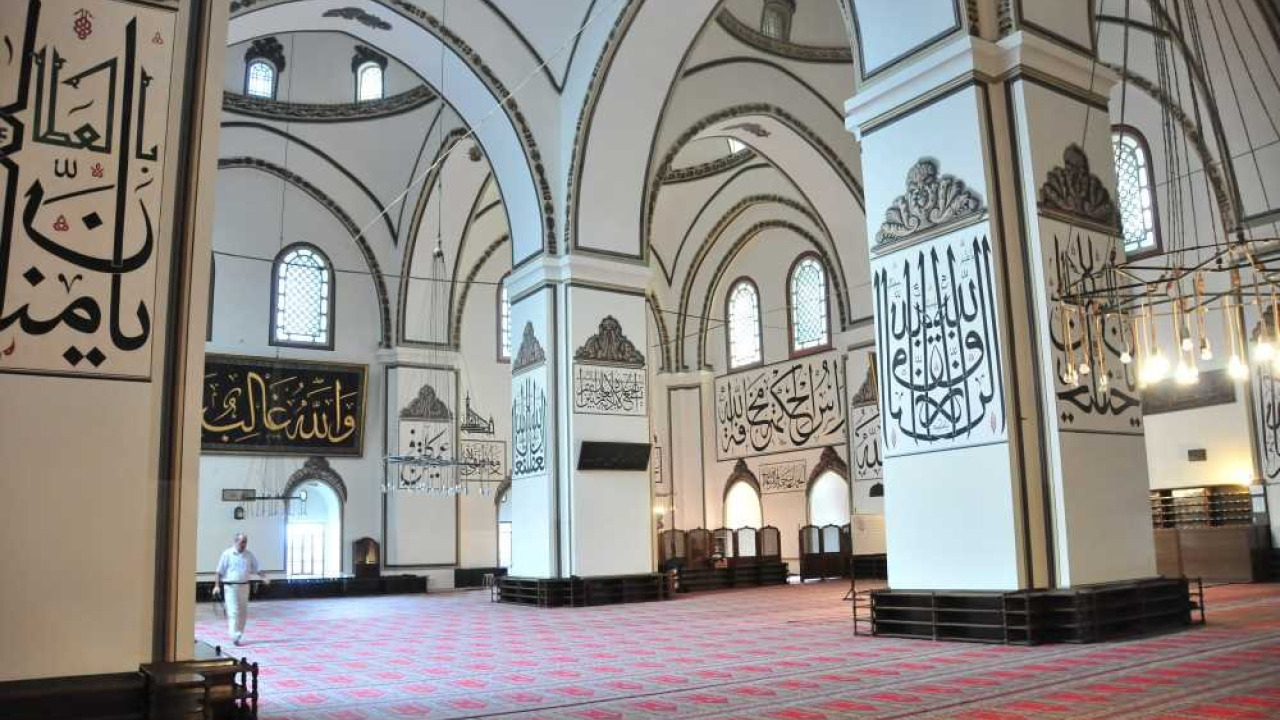
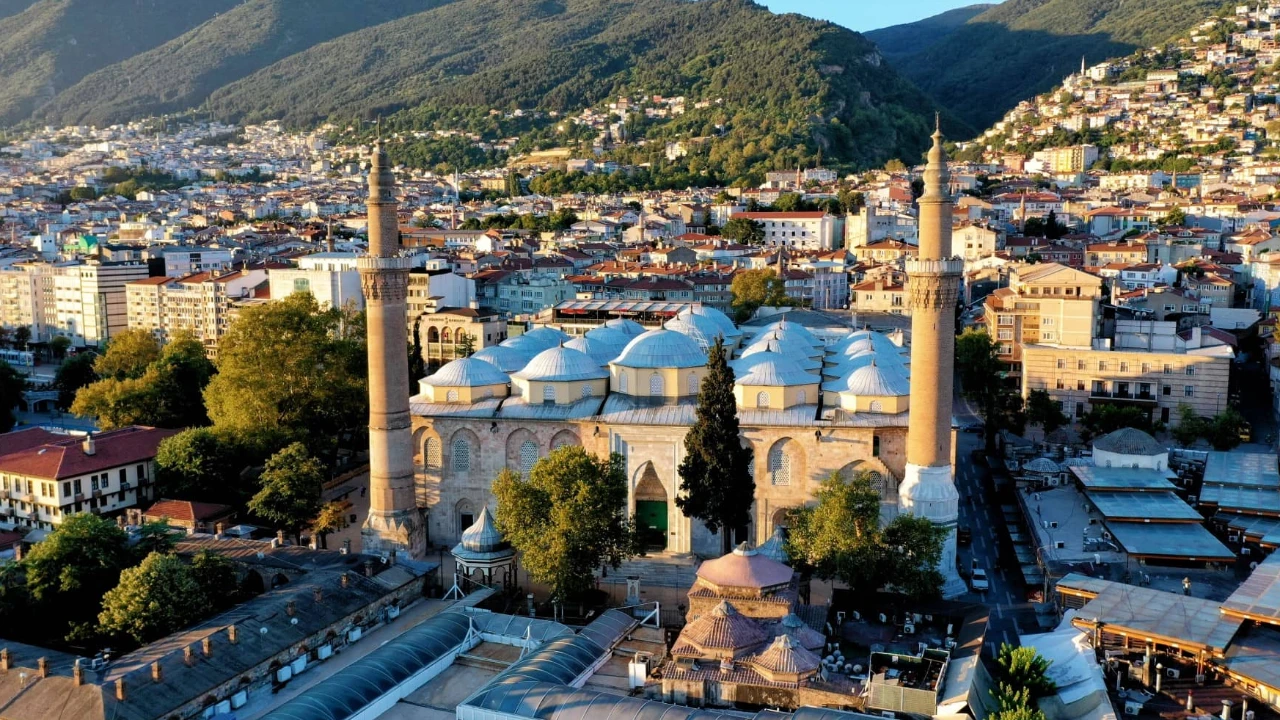
Standing as a monumental testament to the founding years of the Ottoman Empire, Bursa Ulu Camii rises with breathtaking majesty in the heart of the city. Commissioned during the reign of Yıldırım Bayezid, this grand mosque served as much more than a place of worship; it was the spiritual and commercial heartbeat of the surrounding social life.
To truly uncover the centuries-old heritage and complex structures of the city, Bursa cultural tours offer expertly curated routes. With its twenty-dome architecture, the elegant central fountain, and walls adorned with exquisite calligraphy, visiting this sanctuary is an unforgettable cultural immersion. Witnessing the grace of early Ottoman architecture firsthand will add profound depth to your Turkish travels.
Quick Facts: Bursa Ulu Camii and the Historic Center
Use this quick reference guide to plan an efficient visit to the city's historical and natural landmarks.
| Feature / Detail | Visitor Summary & Conditions |
|---|---|
| Location | Heart of the Hanlar Bölgesi, Osmangazi district |
| Architectural Highlight | 20-dome early Ottoman multi-column plan with an internal fountain |
| Calligraphy Heritage | 192 monumental inscriptions by 41 different master calligraphers |
| Entry & Tickets | Completely free; always open for worship and visitors |
| Best Time to Visit | Spring and Autumn for pleasant walking weather |
| Average Visit Duration | At least 1 hour for the mosque; half a day to include surrounding inns |
What to See Near Bursa Ulu Camii?
A trip to Bursa should extend far beyond the walls of the Ulu Camii. The surrounding historic villages and nature parks offer a rich tapestry of experiences. For a complete overview of the city's top attractions, check out our Bursa sightseeing guide.
Ulu Camii
The iconic symbol of Bursa, Ulu Camii was commissioned by Yıldırım Bayezid following the victory at Nicopolis in 1396. Completed between 1399 and 1400, this massive structure represents the pinnacle of the multi-domed mosque typology in early Ottoman architecture. Twenty domes rest upon twelve massive pillars, creating a rhythmic, undulating ceiling silhouette.
The centerpiece of the interior is a sixteen-sided marble fountain (şadırvan) located in the middle of the hall, which receives soft, natural light through a glass-domed ceiling. The mosque's minbar (pulpit), crafted from walnut wood using the intricate kündekari technique (joining wood without nails), is a masterpiece of woodworking. Furthermore, the 192 calligraphic panels decorating the walls and pillars transform the mosque into a living museum of Islamic art.
The two minarets reflect different eras: the western minaret was built during the time of Yıldırım Bayezid, while the eastern one was added during the reign of Çelebi Sultan Mehmed. For a peaceful experience, aim to visit in the early morning or during the quiet intervals between prayer times.
Bursa Kalesi and Tophane Hill
The Hisar district, the city's oldest settlement area, is encircled by the ancient walls of Bursa Kalesi. Following the Ottoman conquest, the tombs of the city's founders, Osman Gazi and Orhan Gazi, were built upon this hill.
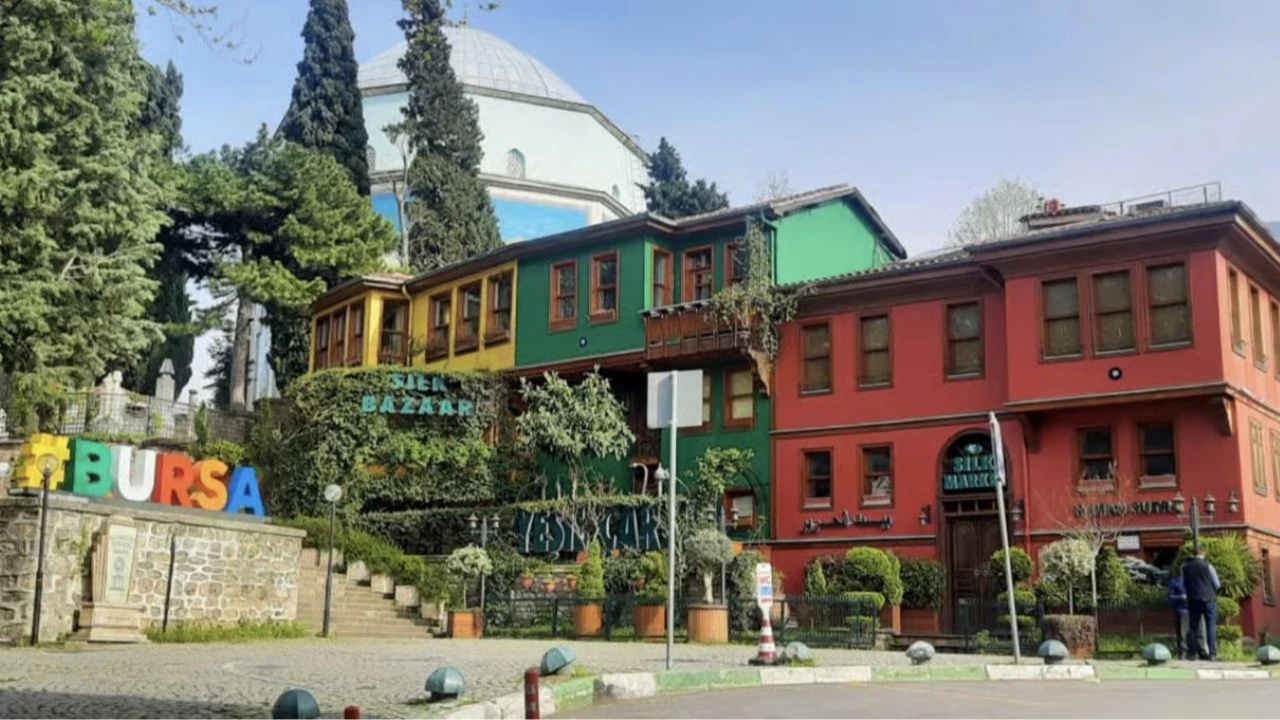
Walking along the ramparts offers a stunning contrast between the modern city and traditional Ottoman wooden mansions. The shaded tea gardens around the historic Clock Tower in Tophane Square are perfect for relaxing with a panoramic view of the cityscape. We recommend planning your visit during the cooler parts of the day to navigate the steep slopes comfortably.
Cumalıkızık Village
To experience a living historical atmosphere, take a short trip from the center to Cumalıkızık Köyü. A UNESCO World Heritage site, this village preserves the architectural essence of an early Ottoman endowment village.
The village is a labyrinth of narrow cobblestone streets lined with timber-framed, stone-based houses. In the village square, local artisans sell homemade jams, tarhana, and intricate handiwork. To hear the deep history of these streets from a local perspective, consider booking guided cultural tours through Bursa's ancient villages.
Traditional eateries in the courtyards of village houses serve fresh butter and warm, oven-baked bazlama bread, providing the perfect start to a rustic morning.
Gölyazı Village and Lake Uluabat
For those looking to add a breathtaking lakeside view to their historical journey, Gölyazı Köyü in the Nilüfer district is a must. This peninsula, connected to the mainland by a narrow bridge over Lake Uluabat, is famous for its ancient ruins and traditional fisherman cottages.
The centuries-old "Weeping Plane Tree" (Ağlayan Çınar) stands proudly in the village square, offering shade to weary travelers. Boat tours on the lake provide unique opportunities to photograph ancient wall ruins from the water. The crimson reflections on the lake during sunset offer some of the most beautiful photographic moments in the region.
Don't miss the chance to taste fresh pike at the lakeside fish restaurants. For birdwatchers, the arrival of migratory storks in the spring adds a vibrant layer of life to the village.
Saitabat Şelalesi
If you want a refreshing break in nature following your cultural tour, Saitabat Şelalesi at the foot of the Kestel mountains is an ideal stop. Cool waters cascading through pine and oak forests create a soothing atmosphere in the valley.
You can enjoy fresh trout cooked in clay pots at the wooden gazebos by the falls. A walk through the quiet woods is the perfect way to shake off "city fatigue." To explore more adventure-filled routes, you can include Bursa tours in your travel itinerary.
As you wander the trails around the waterfall, breathe in the scent of mountain thyme and capture stunning nature shots among the mossy rocks by the stream.
How to Explore Bursa Ulu Camii and Its Surroundings: A 5-Step Itinerary
To make the most of your time in the historic district without missing any highlights, follow this optimized route:
- Morning at Ulu Camii: Start your day in the morning cool to admire the central fountain, the kündekari minbar, and the calligraphy in a serene atmosphere.
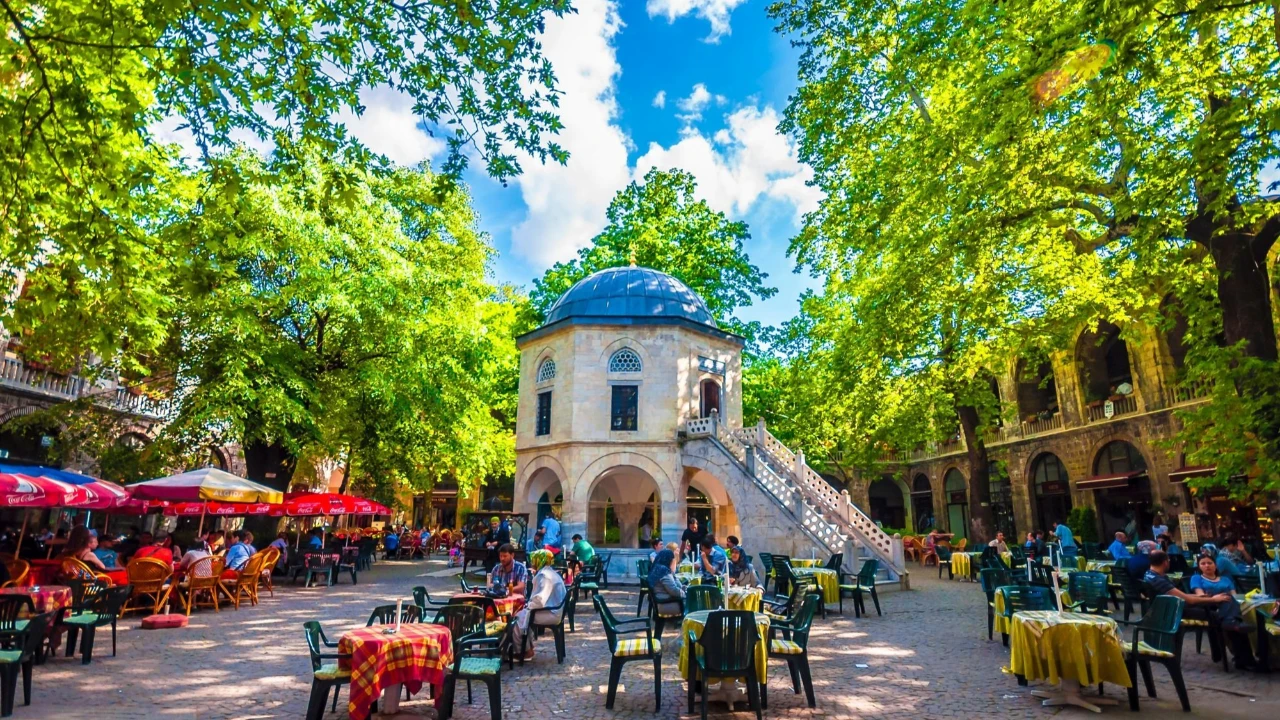
- Relax at Koza Han: After the mosque, head to the courtyard of Koza Han. Sip Turkish coffee under ancient plane trees while browsing the silk fabric shops.
- Ascend Tophane Hill: Take a short walk to the Hisar area to visit the tombs of Osman Gazi and Orhan Gazi, then capture the city view from the observation terrace.
- Rural Heritage Break: In the afternoon, take the Bursaray or a connecting shuttle to Cumalıkızık Köyü for a stroll through its historic streets.
- Sunset by the Lake: Complete your journey at the Gölyazı peninsula with tea under the Weeping Plane Tree and a relaxing sunset boat tour.
When is the Best Season to Visit Ulu Camii?
Weather conditions directly impact both the coolness of indoor sanctuaries and the enjoyment of outdoor excursions.
| Season | Visitor Conditions | Local Advice & Travel Notes |
|---|---|---|
| Spring (March - May) | Waterfalls are flowing, and parks are lush and green | The most comfortable temperature for walking tours and village visits |
| Summer (June - August) | The mosque interior stays very cool thanks to thick stone walls | Seek shade at waterfalls or indoor bazaars during the midday heat |
| Autumn (Sept - Nov) | Mild and tranquil weather in the courtyard and lakeside | Ideal season for nature photography and peaceful walks |
| Winter (Dec - Feb) | Domes covered in snow offer a magical, fairy-tale view | Be prepared for potential ice on village roads |
How Much Does a Bursa Ulu Camii Trip Cost?
Visiting Ulu Camii, the historic tombs, and the courtyard of the ancient inns is completely free of charge. Your primary travel budget will consist of transportation, local gastronomy, and shopping.
For city travel, using the Bursakart public transport card makes commuting very economical. In the historic restaurants around the Hanlar, famous Bursa kebabs or pideli köfte are available at reasonable prices. When shopping for silk products in Koza Han, you will find souvenir options to suit every budget.
Etiquette and Tips for Visiting Ulu Camii
To ensure your visit is respectful and peaceful, please keep the following practical rules in mind:
- When entering the mosque, shoulders and legs should be covered; female visitors should carry a headscarf.
- The mosque is very crowded during Friday prayers; plan your architectural sightseeing for times outside of prayer hours.
- Wear comfortable, flat-soled shoes for walking on the historic cobblestone streets and courtyard stones.
- When photographing the calligraphy inside the mosque, please avoid using flash and ensure you do not disturb those praying.
- When heading to villages like Gölyazı or Cumalıkızık, depart early to avoid weekend traffic congestion.
Final Thoughts on Bursa's Culture and Faith Tourism
Bursa Ulu Camii is a universal monument that gathers the founding spirit, spiritual richness, and architectural mastery of the Ottoman era under one magnificent roof. The sound of the fountain, the nobility of the calligraphy, and the vibrant bazaar life surrounding it make this city truly unique.
For those wishing to discover every historical layer of the city with a professional plan, explore our comprehensive Bursa travel routes. If you wish to add winter sports to your trip, consider the winter tourism options in Uludağ. With the right itinerary, your journey to Bursa will leave a lasting impression on your heart.
Frequently Asked Questions 5
When was Bursa Ulu Camii built?
Construction began during the reign of Yıldırım Bayezid following the victory at Nicopolis in 1396, and the structure was completed between 1399 and 1400.
How many domes does Bursa Ulu Camii have?
The mosque features a monumental architectural plan with twenty domes resting on twelve large pillars, reflecting the early Ottoman style.
Is there an entrance fee for Bursa Ulu Camii?
No, entry to the mosque is completely free; it is open to all local and international guests during worship and visiting hours.
What is the architectural purpose of the central fountain?
The sixteen-sided fountain provides freshness to the interior space and illuminates the main hall with light filtering through its glass dome.
How much time should I allocate to explore Ulu Camii in detail?
You should set aside at least one hour to examine the calligraphy and the minbar, and about half a day if you wish to include the surrounding inns and bazaars.