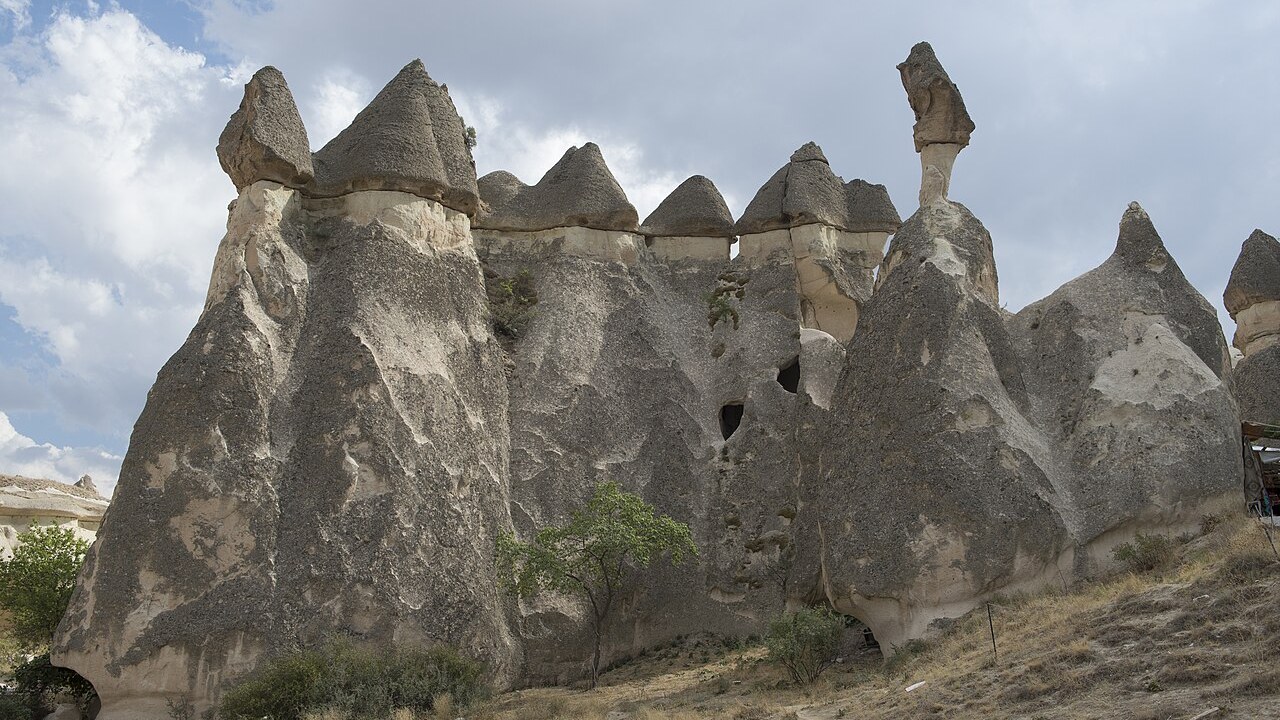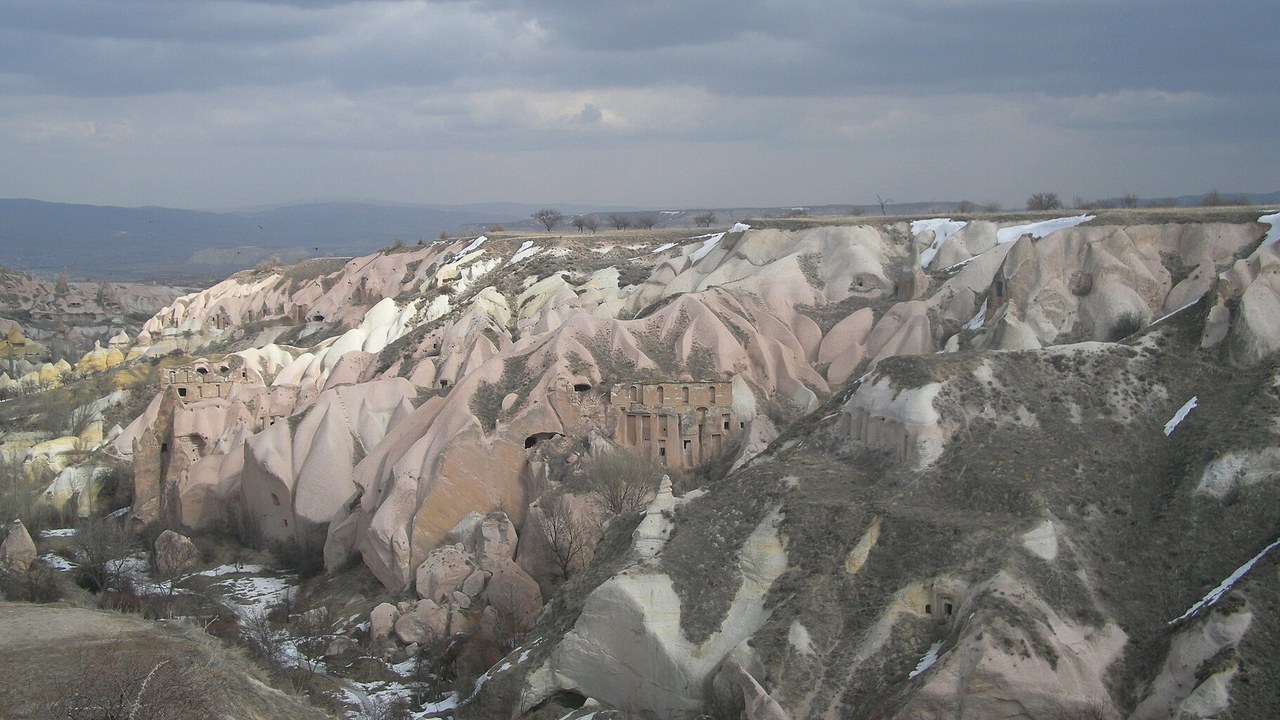
Carved deep into the volcanic tuff of the Anatolian heartland, Turkey's massive underground settlements are breathtaking monuments to human ingenuity and the will to survive. Built as multi-level sanctuaries to shield populations from ancient invasions, these subterranean metropolises are complete with pantries, stables, chapels, and sophisticated ventilation shafts. To explore the mysterious corridors of Cappadocia with expert archaeologists and historians, you can browse the live itineraries on our underground city tours and cavern excursions page.
For first-time visitors, the most common concerns usually revolve around air circulation and the risk of claustrophobia in narrow tunnels. In certain sections, ceiling heights can drop to as low as one meter, which may limit physical mobility.
However, thanks to the lighting and security standards monitored by the Ministry of Culture and Tourism, these sites offer a safe cultural journey for those who follow the guidelines. Assessing your own health and comfort levels before descending ensures that this unforgettable voyage remains a peaceful and awe-inspiring memory.
Underground City Architecture: Quick Facts for Visitors
| Feature | Visitor & Site Summary |
|---|---|
| Legal Regulations | General Directorate of Cultural Assets and Museums Visit Guidelines |
| Accessible Levels | Derinkuyu: 8 levels (approx. 55m); Kaymaklı: 4 levels |
| Indoor Temperature | Constant cool microclimate between 13°C and 15°C year-round |
| Health & Claustrophobia | Upper levels recommended for those with panic disorders, asthma, or herniated discs |
| Entry & Ticketing | MuseumPass valid for Turkish citizens; e-tickets for international visitors |
| Mandatory Rules | Follow the red arrows and remain with your guided group |
| Best Visiting Hours | Early morning (08:30) or late afternoon to avoid tour bus crowds |
Cappadocia's Most Magnificent Underground Settlements and Routes
The soft volcanic tuff of the Cappadocia region allowed ancient civilizations to carve hundreds of independent underground shelters. The most profound and expansive complexes, Derinkuyu, Kaymaklı, and Özkonak, are the primary highlights of our Cappadocia underground city tours and guided programs. These sites feature massive infrastructures capable of housing thousands of people for months without them ever needing to step outside.
For guests wishing to explore ancient cave dwellings and shelter tunnels in the Mediterranean region, the karstic cave routes around Manavgat cave tours offer a compelling alternative. These natural voids beneath the Taurus Mountains were utilized by local populations in antiquity for storage and refuge.
The underground cities across Cappadocia were designed to be interconnected by secret tunnels stretching for kilometers. These corridors ensured that if one city fell during a siege, the population could safely evacuate to another. Today, most of these tunnels remain closed to the public for safety reasons and are studied by specialized archaeological teams.
Having a professional guide by your side is essential to truly appreciate the rock-cut kitchen vents, wine presses, and massive rolling stone doors. Without a guide, you might feel you are simply walking through stone hallways; with one, the functional purpose of every room comes vividly to life.
Managing Claustrophobia and Health Restrictions in Narrow Tunnels
By design, the tunnels of underground cities were built to be narrow and low as a defensive strategy. This architecture forced invading Roman or Persian soldiers to enter in single file and stoop low, making them vulnerable. For modern visitors, this can be a psychological challenge. Individuals with claustrophobia or panic disorders may experience heightened anxiety in these tight passages.
Tactics for Managing Claustrophobia and Anxiety
For visitors with mild claustrophobia, focusing on the steps ahead rather than the ceiling can help alleviate anxiety. Practicing deep, rhythmic breathing, avoiding the very back of the group, and taking short breaks in the wider halls can prevent panic.
Medical professionals recommend that those with severe claustrophobia avoid descending past the first two levels and instead remain in the spacious living areas near the entrance. Pausing in the airy ventilation corridors can also help clear the mind.
Precautions for Orthopedic and Respiratory Sensitivities
From a physical standpoint, guests with herniated discs, neck issues, or knee osteoarthritis may find the constant stooping difficult. Some corridors require walking on one's knees or crouching for 20 to 30 meters. We recommend that guests with these restrictions choose Kaymaklı or Özkonak, which generally feature more spacious galleries.
Additionally, visitors with asthma or chronic respiratory conditions should be mindful of the high relative humidity in the deeper levels. It is a fundamental safety rule to keep your prescribed inhalers on hand and notify your tour guide immediately if you experience shortness of breath so you can return to the upper levels.
Cappadocia Underground Cities: Comparison Matrix
Different underground cities offer varying experiences based on their depth, ventilation capacity, and tunnel width. Choosing the city that best matches your physical condition and interests will maximize your experience.
The following table compares the technical and architectural features of Cappadocia's most popular underground cities:
| Underground City | Accessible Depth | Number of Levels | Tunnel & Gallery Structure | Physical Difficulty |
|---|---|---|---|---|
| Derinkuyu | Approx. 55 Meters | 8 Levels | Very deep, steep stairs, narrow corridors | Advanced (Requires stamina) |
| Kaymaklı | Approx. 35 Meters | 4 Levels | Wider halls, horizontal and labyrinthine | Moderate (Balanced for families) |
| Özkonak | Approx. 25 Meters | 3 Levels | Communication holes, airier rooms | Easy-Moderate (Comfortable walk) |
| Mazı | Approx. 20 Meters | 2 Levels | Rock tombs, quiet route, fewer crowds | Easy (Wide passages) |
Derinkuyu represents the pinnacle of religious and defensive architecture, featuring a missionary school and a baptismal font. The vertical stairs descending to the eighth level provide a true "underworld" experience. Kaymaklı, on the other hand, showcases the richness of agricultural storage with its expansive stables and wine presses.
Özkonak is unique for its rolling stone doors equipped with communication holes and slots for pouring hot oil on invaders, a genius defensive detail. Depending on your schedule, we recommend exploring at least one of these cities in detail.
Ventilation Shafts and the Natural Subterranean Climate
The most miraculous engineering feat that has allowed these cities to survive for millennia is the system of vertical ventilation shafts. These shafts descend continuously from the surface to the lowest levels, creating a natural "chimney effect" that keeps air circulating. Standing at the bottom of a shaft, you can clearly feel a cool, fresh breeze drifting down from the surface.
The Chimney Effect and Oxygen Balance
Thanks to these shafts, smoke from torches or cooking fires in the lowest levels was quickly exhausted. For defense, the surface openings were camouflaged as wells to prevent enemies from poisoning the air supply.
This impressive balance ensures that oxygen levels remain stable even 50 meters underground, meaning thousands of refugees could survive for weeks without the risk of suffocation.
Year-Round Microclimate and Clothing Tips
Regardless of the weather outside, the internal temperature of these settlements remains constant between 13°C and 15°C (55-59°F) all year. Whether it is a scorching summer day or a freezing winter snowfall above, the atmosphere below is always cool and damp. Because of this microclimate, we suggest bringing a light cardigan or windbreaker to avoid getting chilled.
Due to the humidity, the tuff floors can be slippery in some areas. We strongly recommend rubber-soled sneakers or hiking shoes; leather-soled shoes or high heels should never be worn in the tunnels.
Underground Exploration Checklist
To move comfortably through the tunnels and be prepared for any situation, we recommend the following:
- Non-Slip Sneakers: Rubber-soled walking shoes to prevent slipping on damp tuff.
- Light Fleece or Cardigan: To maintain body heat against the constant 13°C chill.
- Small Backpack: A compact bag to keep your hands free in narrow passages.
5-Step Protocol for a Conscious and Safe Underground Tour
To avoid getting lost in the complex tunnels dozens of meters below ground and to ensure a safe trip, please follow these five basic rules:
- Follow the Directional Arrows: Red arrows on the walls indicate the descent route, while blue arrows show the exit; never walk against the flow.
- Stay With Your Guide and Group: Do not wander into side tunnels out of curiosity; always stay within sight and earshot of your guide.
- Mind Your Head and Back: Avoid sudden movements when passing through low-ceiling tunnels and be cautious of protruding rock formations.
- Respect Emergency Lighting: Do not touch the lighting fixtures. In the event of a power outage, turn on your phone flashlight and wait calmly.
- Respect the Historical Fabric: Do not push the massive millstone-style rolling doors, do not write on the tuff walls, and leave the area clean.
Following these guidelines transforms a visit to the underground cities into a profound journey through time, where the resilience and intelligence of our ancestors are appreciated in every stone.
Lighting and Emergency Evacuation Standards
The General Directorate of Cultural Assets and Museums has installed a continuous lighting infrastructure in all open underground complexes. Low-voltage LED fixtures line the corridors, preserving the natural texture of the tuff while making navigation easy. In case of a city grid failure, automatic generator systems kick in within five seconds to prevent total darkness.
LED Lighting and Generator Backup
The lighting is tuned to warm and daylight tones to maintain the historical ambiance. In security corridors, battery-backed units ensure the path remains lit during power transitions.
Emergency Exits and Security Protocols
In an emergency, visitors should remain calm and follow the blue exit signs on the walls. Smoke detectors and emergency call buttons placed at regular intervals throughout the tunnels allow staff to respond rapidly. By following the rules in these well-equipped facilities, you can ensure your tour is completed with joy and safety.
Frequently Asked Questions 5
Is there a risk of claustrophobia in the narrow tunnels of underground cities?
Yes; in some areas, the tunnels are only wide enough for one person to pass while stooping. Visitors with severe claustrophobia, panic disorders, or asthma are advised to descend no further than the 2nd level or remain in the spacious halls near the entrance.
How many levels deep can you go in Cappadocia's underground cities?
Derinkuyu is open to 8 levels (approx. 55-60 meters), while Kaymaklı is open to 4 levels. Lower sections, where some estimate there are 12-18 levels in total, remain closed for safety reasons.
What is the air and oxygen situation in underground cities?
Vertical ventilation shafts built thousands of years ago create a natural airflow. However, as you descend, the temperature remains constant around 13-15°C and the humidity increases.
Is it necessary to hire a professional guide for underground cities?
Yes; with hundreds of complex passages, hidden rolling stones, pantries, and church rooms, a guide is essential to avoid getting lost and to understand the historical defensive logic.
Is the MuseumPass valid for underground cities?
Yes; the MuseumPass is valid for Turkish citizens at Derinkuyu, Kaymaklı, and Özkonak underground cities, allowing direct entry through the turnstiles.