Stretching along the shores of the Golden Horn in Istanbul's historic peninsula, the neighborhoods of Fener and Balat are among the city's most enchanting open-air museums. With their rows of vibrant, bay-windowed wooden houses, steep cobbled slopes, and centuries-old places of worship, these districts offer a glimpse into a bygone era. To uncover the city's multilayered history with the insight of expert guides, you can explore our Istanbul historic city tour options. For centuries, these neighborhoods served as a sanctuary where Greek, Jewish, and Armenian communities lived side-by-side, creating a cultural mosaic that still breathes through every alleyway.
This comprehensive field guide covers the historic architecture of Fener and Balat, their iconic streets, the Red School, the Greek Patriarchate, terrain tips, and practical walking routes.
Quick Facts: Fener and Balat Historic Streets
Before you set out to explore these two ancient neighborhoods on the slopes of the Golden Horn, here are the essential details to help you plan your visit.
| Parameter | Visitor Information |
|---|---|
| Location | Fatih District, Istanbul, Southern shore of the Golden Horn |
| Historical Texture | Byzantine inner-wall settlement, Ottoman-era multicultural neighborhoods |
| Architectural Style | 19th-century masonry bases, bay-windowed wooden houses, and stone structures |
| Transportation | T5 Eminönü-Alibeyköy Tram (Fener and Balat stops) and Golden Horn ferries |
| Terrain & Slope | Sloping cobblestone streets, steep stone stairs, and narrow passages |
| Key Religious Sites | Fener Greek Orthodox Patriarchate, St. Stephen's Bulgarian Iron Church, Ahrida Synagogue |
| Must-Visit Streets | Kiremit Street, Merdivenli Yokuş, Vodina Street, and Yıldırım Street |
Two Ancient Neighbors: The History of Fener and Balat
Although they are adjacent, Fener and Balat evolved as centers for different communities and social classes. Fener was established near the "Pharos" (lighthouse) gate of the Golden Horn walls during the Byzantine era. Following the conquest, it became the prestigious residence of wealthy Greek merchants, sailors, and bureaucrats.
The aristocratic families known as the "Phanariotes" held high-ranking diplomatic roles in the Ottoman Empire, serving as translators, ambassadors, and voivodes of Wallachia and Moldavia. The grand masonry mansions and high-walled courtyards found in the district are architectural echoes of this elite past.
Balat, on the other hand, derives its name from Palation (palace), owing to its proximity to the Byzantine Palace of Blachernae. In 1492, after the Sephardic Jews were expelled from Spain and welcomed into Ottoman lands, Balat transformed into the primary Jewish settlement of Istanbul.
The narrow-fronted, three- and four-story bay-windowed houses of Balat reflect the lifestyle of the merchant and artisan class. For centuries, the neighborhood has stood as a symbol of peaceful coexistence, home to synagogues, churches, and mosques.
Colorful Bay-Window Houses, Kiremit Street, and Merdivenli Yokuş
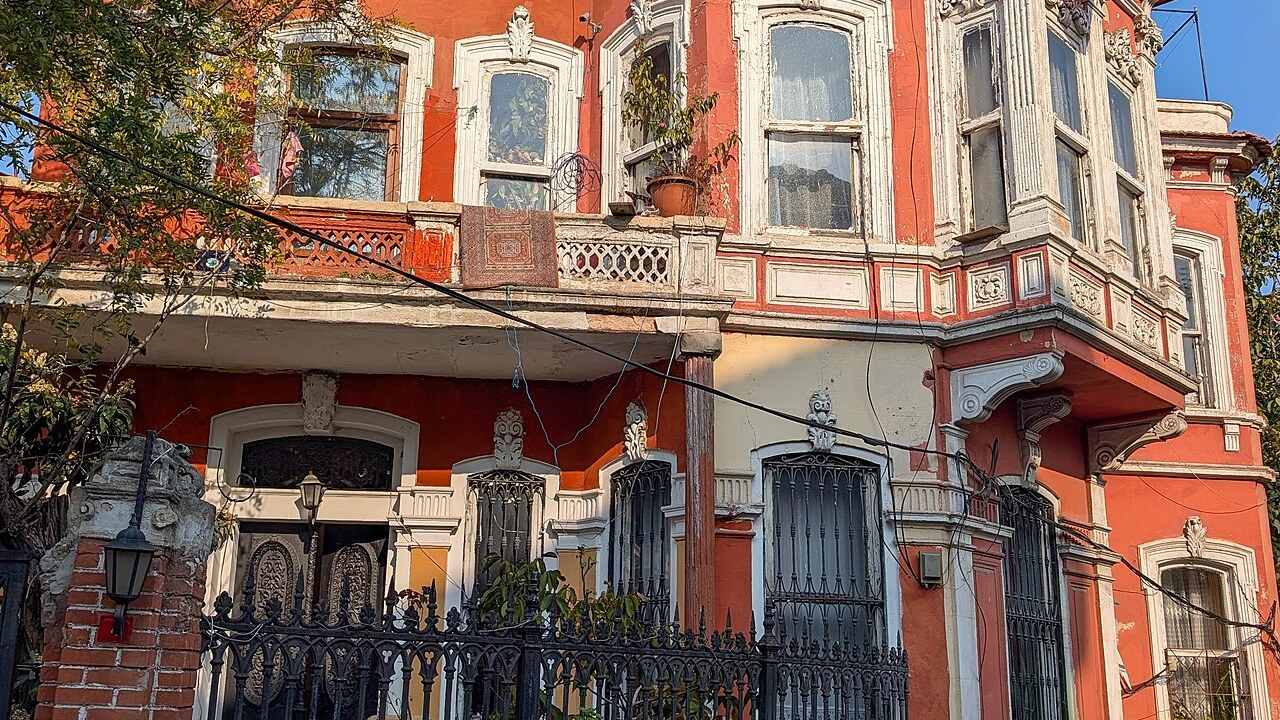
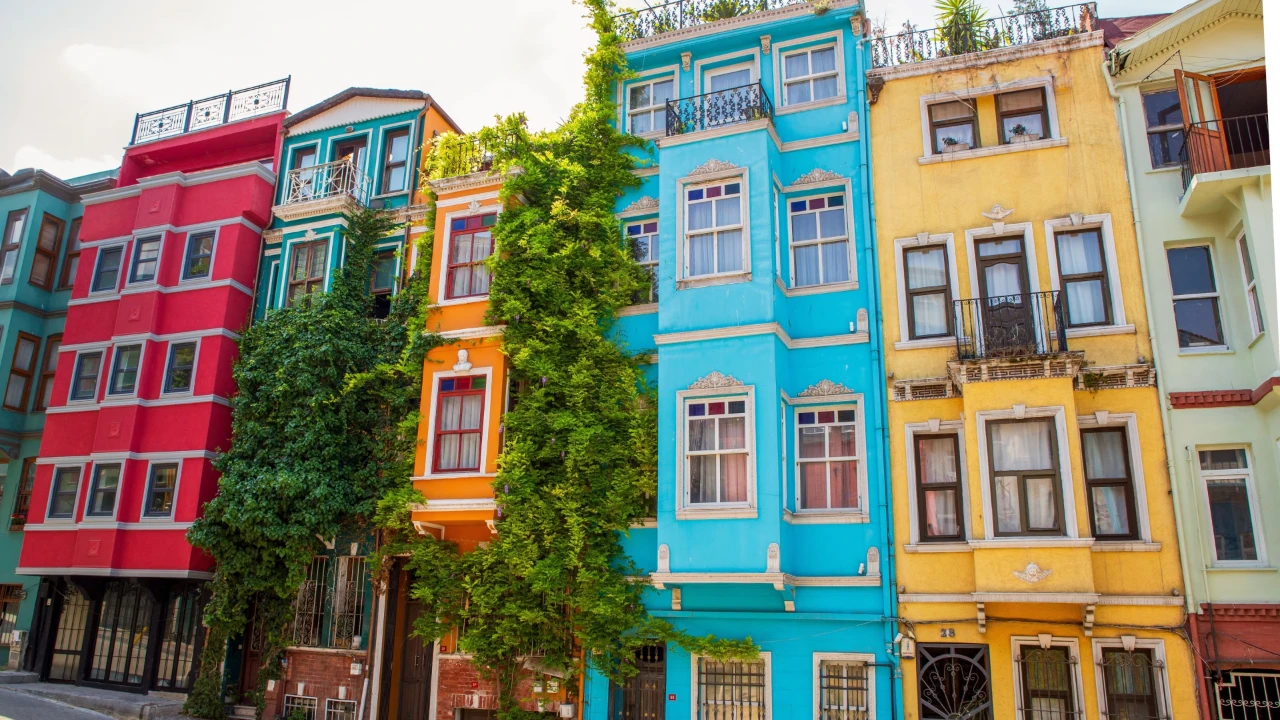
The most striking feature that has made Fener and Balat world-famous is the historic wooden houses painted in soft pastel tones. Thanks to restoration projects led by UNESCO and the Fatih Municipality, many of these homes have been meticulously renewed to preserve their original character.
Kiremit Street is the most photographed spot in the district, famous for its kaleidoscope of facades. The rows of yellow, blue, pink, and green houses, adorned with bougainvillea and local street cats, create an unforgettable visual atmosphere. The wooden bay windows (cumba) are a practical element of Ottoman civil architecture, designed to let in more light and provide a better view of the street.
Merdivenli Yokuş (The Staircase Slope) is a narrow, stepped alley that climbs the steep ridge between Fener and Balat. The wooden and stone houses lining both sides create a postcard-perfect perspective. Due to the steepness of the stone steps, visitors should tread carefully.
Vodina Street and Yıldırım Street serve as the main commercial arteries. Along these roads, you will find a charming array of antique shops, vintage boutiques, design studios, second-hand bookstores, and nostalgic cafes.
The Greek Patriarchate and St. Stephen's Iron Church
The most significant landmark in Fener is the Fener Greek Orthodox Patriarchate, located on Sadrazam Ali Paşa Street. Serving as the spiritual center for nearly 300 million Orthodox Christians worldwide, the Patriarchate has operated within the St. George's Cathedral complex since the 1600s.
Inside St. George's Cathedral, the gold-leafed wooden iconostasis, the 5th-century patriarchal throne, and various holy relics showcase exquisite artistry. The church is open for both worship and visitors.
Rising along the Golden Horn shoreline, the St. Stephen's Bulgarian Church is a marvel of architectural history. It is one of the few churches in the world constructed entirely of cast iron. The prefabricated iron parts were manufactured in Vienna, shipped via the Danube and the Black Sea, and assembled in 1898. With its rich Neo-Gothic and Neo-Baroque ornamentation, the "Iron Church" is the architectural jewel of the waterfront.
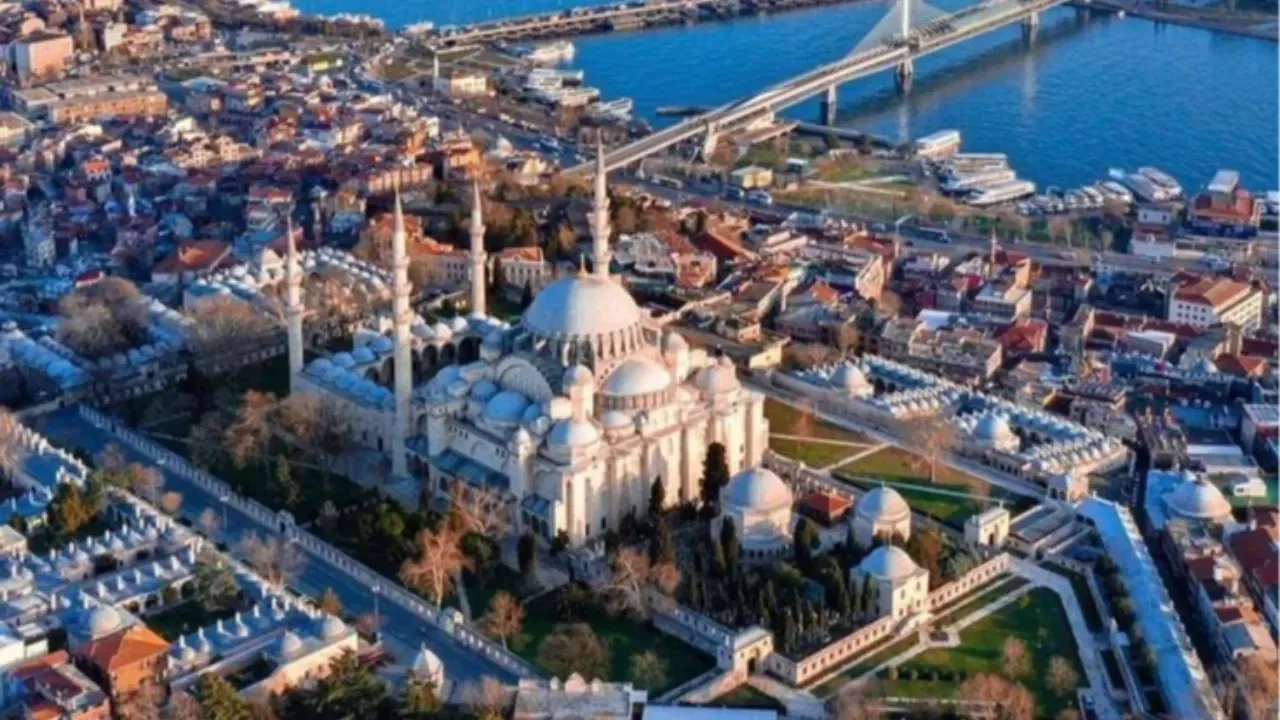
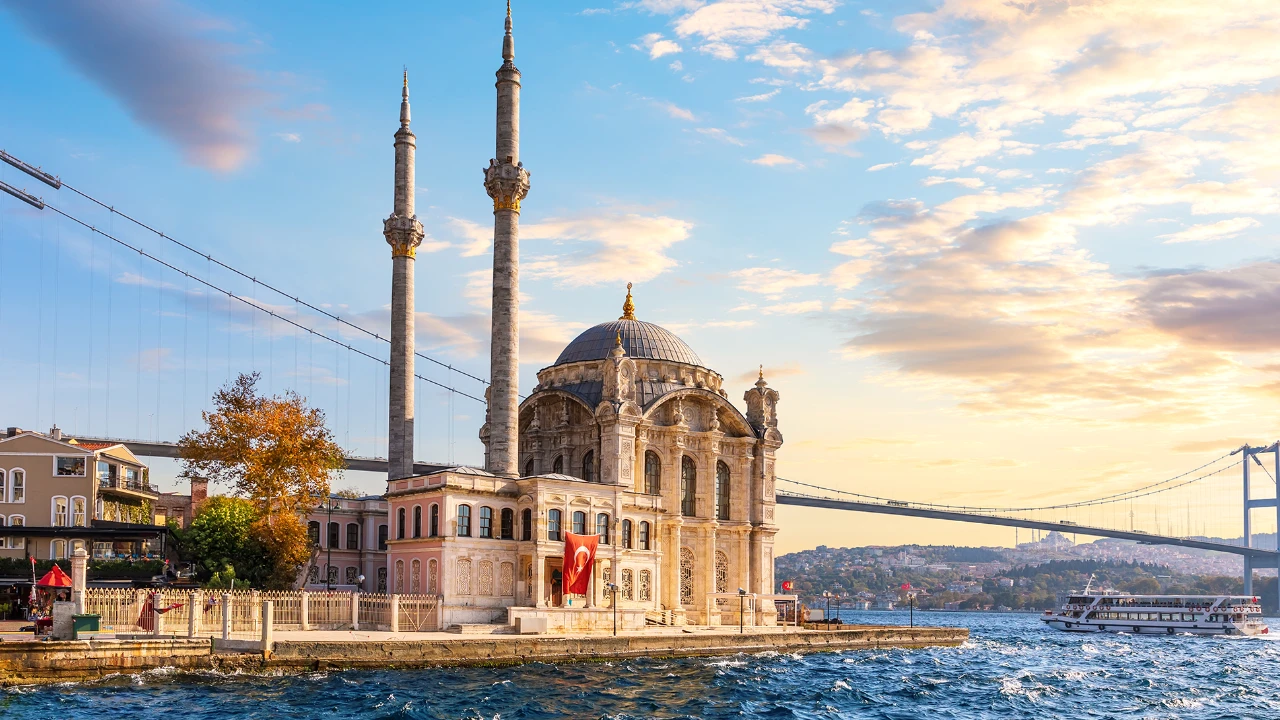
For those wishing to experience the historical richness of the Golden Horn and the Bosphorus, adding Istanbul culture tour programs to your itinerary is a highly efficient choice.

Comparison of Historic Monuments in Fener and Balat
Explore the diverse cultural and religious heritage sites within the neighborhood boundaries.
| Landmark | Period & Architecture | Cultural Significance | Visitor Status |
|---|---|---|---|
| Fener Greek Patriarchate | 17th Century (St. George's) | Spiritual center of the Eastern Orthodox world | Open for worship and visits |
| Red School (Fener High School) | 1881 Red Brick "Castle" | A historic educational landmark dominating the skyline | Exterior viewing/photography only |
| St. Stephen's Iron Church | 1898 Prefabricated Cast Iron | One of the world's rarest cast-iron churches | Open daily for visits |
| Ahrida Synagogue | 15th Century (Sephardic) | One of Istanbul's oldest and largest synagogues | Visit by special permission |
| Church of St. Mary of the Mongols | 13th Century Byzantine | A rare Byzantine church not converted to a mosque | Open during visiting hours |
The Red School: Private Fener Greek Orthodox College
Perched atop the hill like a castle, the Private Fener Greek Orthodox College is known locally as the "Red School" or "Red Castle." Built in 1881 by architect Konstantinos Dimadis, this massive structure was constructed using red bricks specially imported from Marseille.
From a bird's-eye view, the building resembles an eagle and is easily spotted from anywhere along the Golden Horn. It exhibits an eclectic architectural style with its domed observatory tower and wide arched windows. The school continues to operate today as an active educational institution.
Because it is a functioning school, the interior is closed to general tourist visits. However, the imposing brick walls and dome can be captured from stunning angles via Sancaktar Yokuşu.
Terrain, Slopes, and Walking Safety
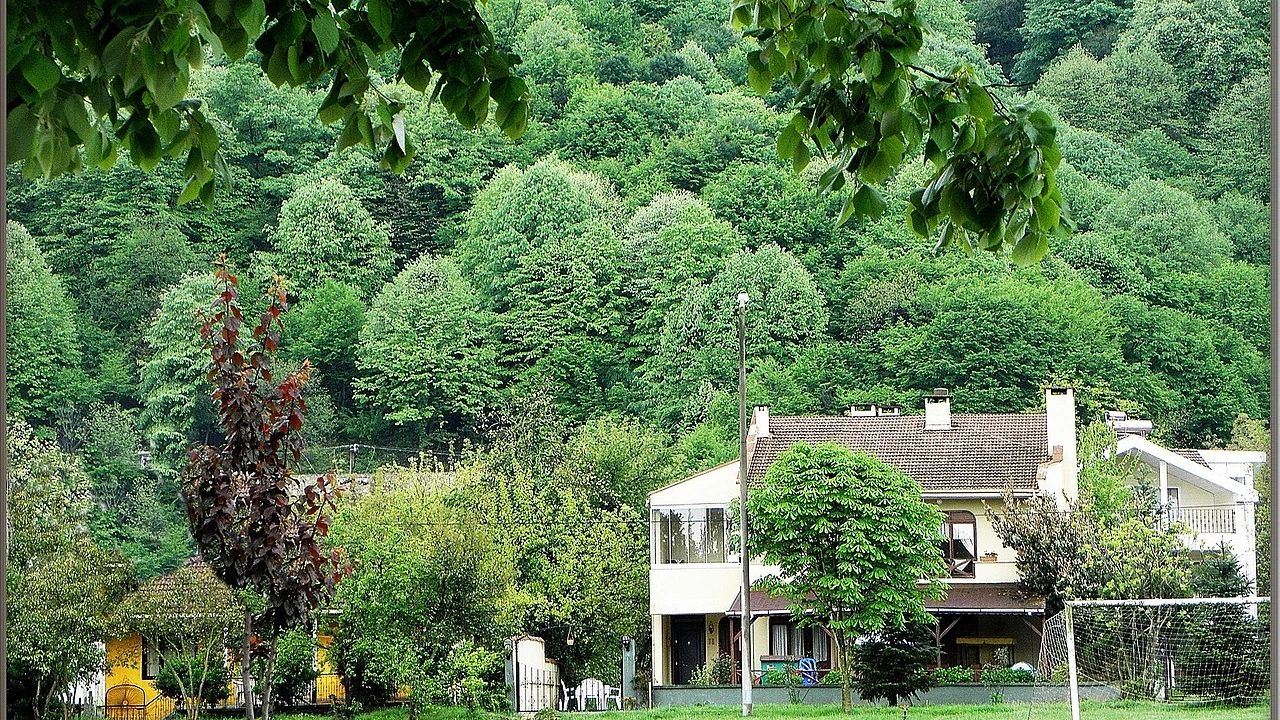
Topographically, Fener and Balat rise sharply from the shoreline. Therefore, visitors should be mindful of the terrain and the physical effort required.
The streets are paved with century-old cobblestones and granite setts. Gaps between stones can occur, and worn surfaces can become slippery during rainy weather. High heels, leather-soled shoes, or flat slippers can be hazardous. We strongly recommend non-slip rubber-soled walking shoes or sneakers.
On steep routes like Merdivenli Yokuş and Sancaktar Yokuşu, step heights are inconsistent. Families with children may find strollers difficult to navigate due to the stairs and steep inclines; using a baby carrier or sling is much more practical.
Since the streets are very narrow, finding parking is extremely difficult. Instead of bringing a private vehicle, we recommend using the T5 tram line that runs along the coast.
The 5-Step Fener & Balat Exploration Protocol
For travelers who want to explore the neighborhood with a balanced and efficient flow, we suggest the following route:
- Start at the Iron Church: Get off at the Fener stop on the T5 tram and begin your day at the magnificent St. Stephen's Bulgarian Iron Church on the waterfront.
- The Patriarchate and Fener Streets: Head inland to visit the Fener Greek Orthodox Patriarchate and wander past the historic stone mansions.
- Red School and Merdivenli Yokuş: Climb Sancaktar Yokuşu to photograph the Red School, then descend toward Balat via Merdivenli Yokuş.
- The Colorful Houses of Kiremit Street: Take a break in front of the iconic colorful bay-window houses to capture the neighborhood's essence.
- Vodina Street and Market Finale: End your day by browsing the antique shops and design boutiques on Vodina Street, followed by a coffee break at a nostalgic cafe.
Gastronomy and Relaxation in Balat
After a long walk through the streets of Fener and Balat, relaxing in historic bakeries and courtyard cafes is an essential part of the experience. Traditional Balat bakeries offer delicious snacks like galeta, kandil simidi, and flour cookies.
For lunch, you can taste home-cooked meals at traditional esnaf lokantası (tradesmen restaurants). Along the Golden Horn shore, historic taverns and fish restaurants are famous for their evening mezzes, featuring lakerda (cured bonito) and topik.
Third-wave coffee shops and tea salons on Vodina Street offer modern flavors inside historic stone buildings. Unwinding with a traditional stone-ground Turkish coffee or a freshly brewed herbal tea is the perfect way to end the day.
Frequently Asked Questions 5
Which streets are the best to visit in Balat?
The primary historic streets to visit are Kiremit Street, Merdivenli Yokuş, Sancaktar Yokuşu, Vodina Street, Yıldırım Street, and Çorbacı Çeşmesi Street.
Where is the Fener Greek Patriarchate and how do I visit?
The Fener Greek Orthodox Patriarchate is located on Sadrazam Ali Paşa Street in the Fener neighborhood of Fatih. It is easily accessible via the T5 tram (Fener stop); St. George's Cathedral is open to visitors daily.
What is the Red School and can I go inside?
The Red School is the Private Fener Greek Orthodox College, built in 1881 with red Marseille bricks. As it is an active school, the interior is not open to the public, but the exterior can be photographed from Sancaktar Yokuşu.
How do I get to the historic streets of Fener and Balat via public transport?
The most convenient way is the T5 tram line running between Eminönü and Alibeyköy. You can get off at either the Fener or Balat stops and reach the historic streets within minutes. Golden Horn ferry lines are also an option.
How many hours does it take to explore Fener and Balat?
To explore the historic buildings, colorful streets, and churches at a relaxed pace, including time for photography and cafe breaks, we recommend allocating half a day (approximately three to four hours).