The districts of Mersin span a diverse landscape stretching from the turquoise shores of the Mediterranean to the rugged peaks of the Taurus Mountains. With thirteen distinct districts, the region is a treasure trove of ancient heritage and breathtaking natural trails. For travelers looking to explore the region effortlessly, Mersin tour programs offer safe and curated travel experiences.
From the bustling port hubs in the east to the secluded bays in the west, this coastal stretch is a year-round magnet for adventurers. As you travel, you'll be accompanied by fragrant citrus groves, dramatic canyons, and timeless ruins. Each district reflects the laid-back Mediterranean lifestyle, offering a unique blend of cultural legacy and natural beauty for every visitor following the coastline.
Trip Highlights
- Mersin features a rich administrative network consisting of thirteen diverse districts.
- The region enjoys a classic Mediterranean climate, with an average annual temperature of around 22°C.
- The D400 highway serves as the primary artery, providing seamless connectivity between all coastal districts.
- Numerous Nature Parks offer world-class routes for hiking, trekking, and landscape photography.
Essential Geography and Administrative Overview of Mersin
Mersin's administrative boundaries stretch along the Mediterranean coast. When planning your itinerary, it is important to note the geographical contrast between the coastal hubs and the mountain districts. The following data provides a snapshot of the city's general layout and field conditions.
The table below summarizes the geographical, climatic, and logistical characteristics of Mersin's districts.
| Feature | Regional Details & Field Notes |
|---|---|
| Location & Region | Mediterranean coast and the foothills of the Taurus Mountains |
| Key Coastal Districts | Akdeniz, Mezitli, Yenişehir, Erdemli, Silifke, Anamur, Aydıncık, Bozyazı |
| Mountain & Highland Districts | Toroslar, Çamlıyayla, Mut, Gülnar |
| Climate & Temperature | Typical Mediterranean climate; average annual temperature of 22°C |
| Natural & Geological Wonders | Natural sinkholes (up to 300m deep), Hell Hole (Cehennem Obruğu) at 128m |
| Transport & Infrastructure | D400 Mediterranean coastal road and advanced highway connections |
Regional Distribution and Strategic Location
Strategically positioned, Mersin is bordered by Adana to the east, Antalya to the west, and Karaman to the north. While the coastal districts bask in the warm Mediterranean breeze, the inland districts lean against the slopes of the Taurus Mountains. This diversity allows travelers to experience both a beach sunrise and a mountain highland sunset in a single day.
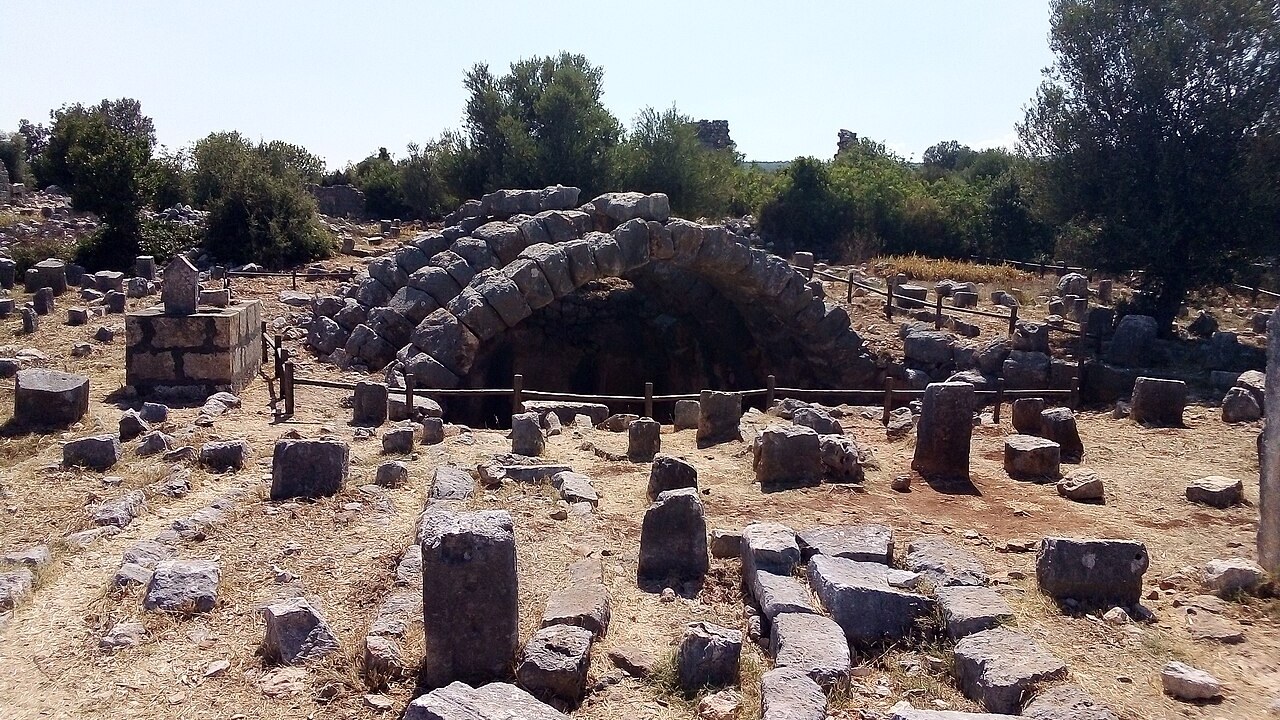
The urban core is formed by the districts of Akdeniz, Mezitli, Yenişehir, and Toroslar. Moving westward, you enter districts like Erdemli and Silifke, where tourism and agriculture blend seamlessly. For those interested in ancient maritime history, our Kelenderis Ancient City Guide: Mersin Aydıncık explores the deep history of the western coast's ancient ports.
Top Districts and Cultural Heritage Routes
Each district in Mersin acts as an open-air museum, boasting a deep-rooted history. Ancient structures are evenly distributed across the region, allowing travelers to witness different eras of civilization.
The table below outlines the travel dynamics and terrain features of Mersin's most prominent districts.
| District | Geographical Character | Heritage & Natural Highlights | Terrain & Walking Conditions |
|---|---|---|---|
| Tarsus | Historical & Cultural Hub | Tarsus Waterfall | Flat city pavements and park trails |
| Silifke | Coastal & Valley Terrain | Karstic caves and sinkholes | Rocky steps and natural ground |
| Erdemli | Coastline & Citrus Groves | Lamas Canyon and coastal paths | Sandy beaches and valley trails |
| Anamur | Southern Mediterranean Edge | Anemurium Ancient City & Mamure Castle | Historic cobblestone roads and paths |
| Mut | Taurus Foothills | Mut olive groves and ruins | Rugged terrain and highland roads |
Tarsus: A Gateway to Antiquity
Tarsus is an ancient settlement that has hosted numerous civilizations over millennia. The area around the Tarsus Waterfall, with its cool cascading waters, provides a refreshing sanctuary during the hot summer months.
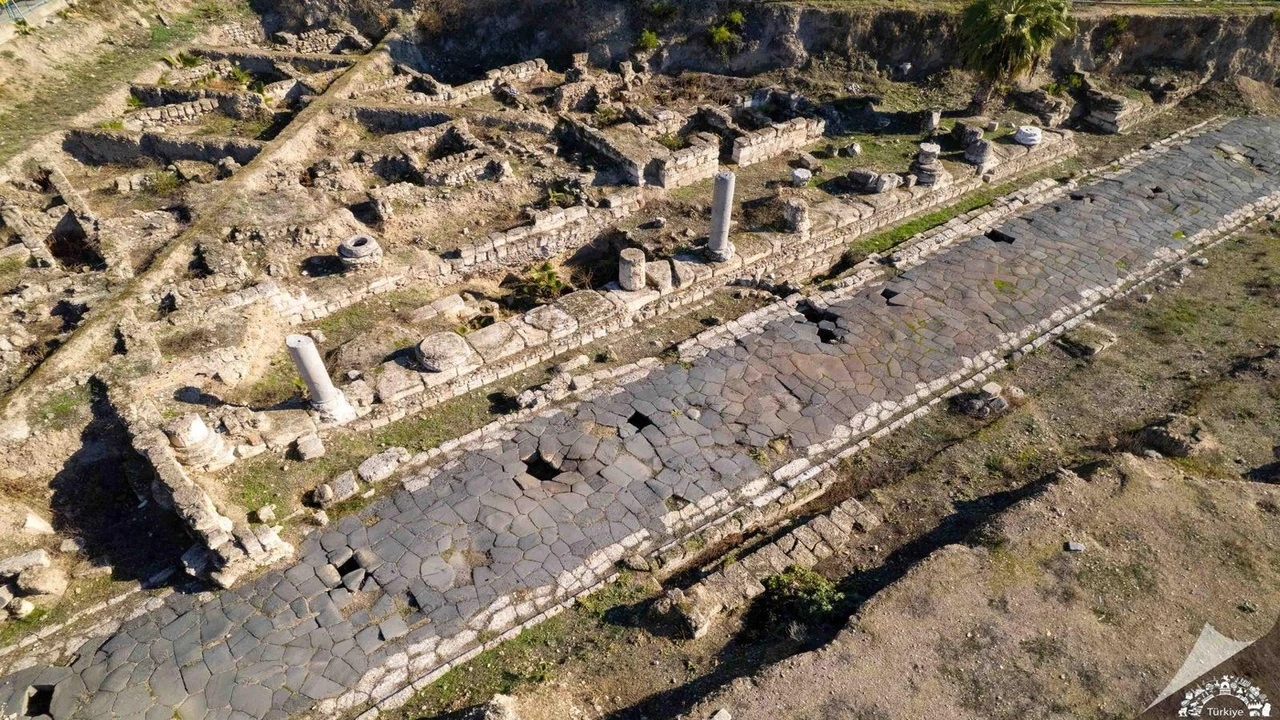
The Cave of the Seven Sleepers (Eshab-ı Kehf) and the remnants of the Roman road are must-visit landmarks for history enthusiasts.
Silifke: Geological Wonders
Silifke is home to both the Göksu River delta and world-renowned karstic sinkholes. The descent into the massive sinkhole, a staircase dropping approximately 300 meters, is a thrilling experience for nature lovers. Nearby, the "Hell Hole" (Cehennem Obruğu) showcases an impressive geological structure with a depth of 128 meters.
To dive deeper into these natural wonders, check out our Mersin Sinkholes and Kanlıdivane Travel Guide. While here, don't forget to taste the famous Silifke Yogurt, a local delicacy.
Erdemli: Coastal Fortresses and Citrus
Erdemli is characterized by its vast lemon orchards and crystal-clear waters. The island castle sitting just off the coast is one of the region's most iconic symbols. The coastal promenades allow for leisurely strolls along the sandy shores.
For tips on exploring the beaches and historic texture, our Kızkalesi and Surroundings: Mersin's Beaches and Bays guide is an essential resource. The Erdemli Lamas Lemon is also a standout agricultural product of the region.
Anamur: The Western Frontier
Located at the westernmost tip of Mersin, Anamur is famous for its fertile banana plantations and well-preserved ruins. The ruins of the Anemurium Ancient City, with its walls rising from the sea, are particularly striking. The Anamur Banana is the economic heartbeat of the district.
The Mamure Castle stands as a monumental defensive structure, remaining imposing and intact right on the shoreline.

Transport Guide: Navigating Between Districts
Traveling between Mersin's districts is straightforward along the coast, where divided highways dominate. However, the winding roads climbing into the Taurus Mountains require more cautious driving. While coastal transit is fluid, highland routes demand attention.
Follow this five-step planning protocol for a smooth journey through Mersin:
- Route & Weather Planning: Account for the temperature difference between the coast and the highlands when packing and planning.
- Follow the Coastal Axis: Use the divided lanes of the D400 highway when moving east or west from Mersin center.
- Highland Transitions: Be prepared for winding climbs and reduce your speed when heading toward Çamlıyayla, Mut, or Gülnar.
- Public Transport Logistics: Check the schedules for minibuses and municipal buses departing from district terminals in advance.
- Parking & Rest Stops: Use designated parking areas when visiting archaeological sites to ensure easy access.
Road Routes and Driving Safety
The highway connection between Mersin and Adana makes the transit through Tarsus very comfortable. Heading west, the Mediterranean coastal road through Erdemli, Silifke, Aydıncık, and Anamur has been largely upgraded to divided highway standards. However, maintain a safe following distance in tunnels and on sharp bends.
To avoid the peak summer tourist traffic on the coast, starting your journey in the early morning is recommended. In winter, be mindful of potential fog and precipitation on the high-altitude roads to Çamlıyayla and Mut.
Adventure Sports and Diving Routes
Mersin's coastline features sheltered bays perfect for scuba diving and kayaking. The transparent waters of the Mediterranean reveal a vibrant underwater world.
Underwater Exploration and Coastal Activities
The protected bays of Silifke and Mezitli are hotspots for divers. Specifically, the reef areas off Yapraklı Bay and Susanoğlu are ideal for those wanting to study Mediterranean marine flora and fauna. For a detailed guide, see our Mersin Susanoğlu and Taşucu Scuba Diving and Reef Guide.
Kayaking and boat trips along the coast offer the chance to discover pristine, untouched bays that are inaccessible by land. Engaging in water sports while following conservation principles helps maintain the sustainability of the coastal ecosystem.
Local Flavors and Gastronomy of Mersin
Mersin's cuisine is a rich tapestry woven from the products of the Taurus highlands and the Mediterranean coast. Each district offers certified local flavors that crown any travel itinerary.
Highland Delicacies and Geographic Indicators
The district of Mut, nestled in the Taurus foothills, offers a serene highland atmosphere and is famous for its olive groves. Mut Olive Oil is prized for its unique aroma. In the city center, the traditional Mersin Tantuni (spiced meat wrap) and Mersin Cezeryesi (carrot-based sweet) are the top culinary choices.
Travelers staying in highland villages can enjoy authentic tables prepared with organic products, accompanied by the legendary hospitality of the locals. The fresh mountain air and the shade of century-old plane trees provide the perfect setting for relaxation.
Practical Tips for Your Mersin Trip
Preparing for the geographical conditions of Mersin's districts will significantly enhance your travel comfort. Since you will be moving between sandy beaches and rocky ruins, the right gear is essential.
Here is a checklist of essentials for exploring Mersin:
- Weather-Appropriate Clothing: Light, breathable clothes and a sun hat for summer; a cardigan or light jacket for highland visits.
- Sturdy Walking Shoes: Choose non-slip footwear for navigating sinkhole stairs and ancient city paths.
- Water Bottle & Sunscreen: Stay hydrated and protect your skin during full-day outdoor excursions.
- Camera & Spare Batteries: Ensure you have enough power to capture panoramic canyon views and historic ruins.
Best Time to Visit
The most favorable periods to visit Mersin are spring and autumn. April, May, September, and October offer ideal temperatures for sightseeing. In the peak of summer, while the coastal districts are perfect for beach holidays, the highlands like Çamlıyayla are preferred to escape the heat.
In winter, historical sites and ancient cities can be visited in a peaceful atmosphere, far from the crowds. With something to offer in every season, Mersin's districts are open for discovery year-round.
Frequently Asked Questions 5
Which district is Mersin University in?
The main campus of Mersin University, Çiftlikköy Campus, is located within the boundaries of Yenişehir, one of the city's central districts. Regular public transport runs to the university from the city center and other districts.
Which district does Susanoğlu belong to?
Susanoğlu, one of Mersin's most popular holiday resorts, is located within the administrative boundaries of the Silifke district. It is known for its wide sandy beaches and shallow bays.
Which district does Ayaş belong to?
Ayaş, known for its historical ruins and beaches, is a coastal settlement belonging to the Erdemli district. It is located on the D400 highway.
Which district does Kızkalesi belong to?
Kızkalesi, one of the iconic symbols of the Mediterranean coast, is located within the Erdemli district of Mersin. It features a famous island castle reachable by boat.
Which district does Taşucu belong to?
Taşucu, renowned for its port and yacht tourism, is an important coastal center belonging to the Silifke district and serves as a ferry port for Cyprus.