The Cennet Cehennem Sinkholes and Kanlıdivane in Silifke, Mersin, offer an extraordinary journey where geology meets mythology and early Christian heritage. These massive depressions, formed by the erosion of limestone over thousands of years, house a historic church at their base and are steeped in the legend of the hundred-headed dragon. Combined with the cliffside ancient city of Kanlıdivane just a few kilometers away, the region becomes a rich destination for nature lovers, history buffs, and spiritual seekers alike. In this guide, we cover everything from the formation of the sinkholes and the 452-step descent to the Virgin Mary Church, the legend of Typhon, the ancient city of Kanlıdivane, transportation, the best time to visit, local flavors, and a suggested one-day itinerary.
At Travel Tour Shop, we take a curated approach to travel; we don't just list every provider, we only feature those who meet our high standards for local expertise and guest satisfaction. The following information is an extension of that commitment: we have compiled practical, field-verified details for those planning their first trip to the Silifke route.
Quick Facts
| Topic | Information |
|---|---|
| Location | Mersin, Silifke (near Narlıkuyu, Mersin-Antalya coastal road) |
| Highlights | Karst sinkholes, 5th-century church, and the cliffside city of Kanlıdivane |
| Main Stops | Cennet Sinkhole, Cehennem Sinkhole, Kanlıdivane, Kızkalesi, Narlıkuyu |
| Trip Duration | Half day; full day if including surrounding stops |
| Entry | Archaeological site; paid; Museum Pass (Müze Kart) accepted |
| Best Season | Spring (April–June) and Autumn (September–October) |
| Transport | Private car or Silifke minibuses; approx. 25 km from Silifke center |
Where are the Cennet Cehennem Sinkholes and How Were They Formed?
The Cennet Cehennem Sinkholes are located in the Silifke district of Mersin, just north of the Narlıkuyu town. They are approximately 25 kilometers from Silifke center and 70 kilometers from Mersin city center. After reaching Narlıkuyu via the Mersin-Antalya coastal road, follow the signs heading north to reach the plateau where the sinkholes are situated. The region is a classic example of the Cilician landscape, where the sea and mountains meet in close proximity; this makes it possible to explore both the coastline and the karst formations near the highlands in a single day.
Understanding the geological backstory makes your visit even more meaningful. For those looking to combine this natural wonder with other canyon and cave routes, we recommend exploring our nature and adventure tours.
What is a Sinkhole? The Story of Karst Erosion
A sinkhole is a deep, pit-like formation created when underground water erodes limestone layers over long periods, creating large voids that eventually cause the ceiling to collapse. The Cennet and Cehennem pits are classic karst sinkholes formed this way. The fact that these two sinkholes sit side-by-side but at different depths makes the area feel like an open-air geological laboratory. Paying attention to the edge profiles during your visit offers a glimpse into a million-year-old erosion process.
Cennet Sinkhole and the Virgin Mary Church
Cennet Sinkhole is a vast depression, approximately 70 meters deep and 250 meters wide, with a floor covered in lush greenery and abundant water sources. Looking down from above, this verdant pit appears as a refreshing oasis amidst the warm Mediterranean climate, which is how it earned its name. The interior of the sinkhole is significantly more humid and cooler than the surface, making the bottom a perfect, breezy retreat even in the summer months.
The 452-Step Descent and Elevator Option
To reach the bottom of the sinkhole, you can descend a steep staircase carved into the historic stone, consisting of 452 steps. According to local records, the church ruins are reached around the 300th step, with the cave entrance located further down. As you descend, the humidity rises, and the outside heat gives way to a cool, mystical atmosphere. Because the climb can be physically demanding, we recommend wearing comfortable sports shoes and carrying water. For elderly visitors or those with limited mobility, a modern elevator system installed in recent years allows access to the bottom without using the stairs. The best time to visit is early morning or late afternoon when the crowds thin out and the air begins to cool.
The Virgin Mary Church and Underground Stream
At the base of the sinkhole, right in front of the cave entrance, stands the small Virgin Mary Church, believed to have been built in the 5th century. Nested among the damp rocks, this structure is a mystical stop that preserves traces of early Christianity in the region. The rushing sound of an underground stream flowing from the depths of the cave adds a unique ambiance to the site. We recommend maintaining silence while visiting the church ruins out of respect for the site's spiritual history and other visitors. If you plan to take photos, be prepared for low-light conditions.
Cehennem Sinkhole and the Legend of Typhon
Located about 75 meters north of Cennet Sinkhole, Cehennem Sinkhole is a much steeper and more rugged formation, with a depth exceeding 100 meters. Because its edges are surrounded by sheer cliffs, it is physically impossible to descend to the bottom on foot. Instead, Cehennem Sinkhole is viewed from a modern glass observation terrace built at the edge. This sharp contrast between the two sinkholes offers two distinct experiences: one is a green world you can walk into, while the other is a daunting abyss to be admired from above.
The Legend of Cennet and Cehennem: Zeus and Typhon
The mystery surrounding the region is fueled by ancient mythology. Legend has it that Zeus, the king of the gods, fought a fierce battle against the hundred-headed dragon monster, Typhon, in these lands. Zeus eventually defeated him and imprisoned him in the depths of the Cehennem Sinkhole. Local folklore even suggests that the monster's fiery breath can still be felt rising from the depths. This myth adds a layer of cultural richness to the geological phenomenon, providing a captivating context for visitors.
The Glass Observation Terrace
The glass observation terrace at the edge of Cehennem Sinkhole allows visitors to safely peer down into the steep interior. Looking through the glass floor is a thrilling experience that truly conveys the sense of depth. For those with a fear of heights, we suggest taking your time and using the handrails for support. The photos taken from this terrace are incredibly effective at capturing the massive scale of the sinkhole.
The Ancient City of Kanlıdivane (Kanytelleis)
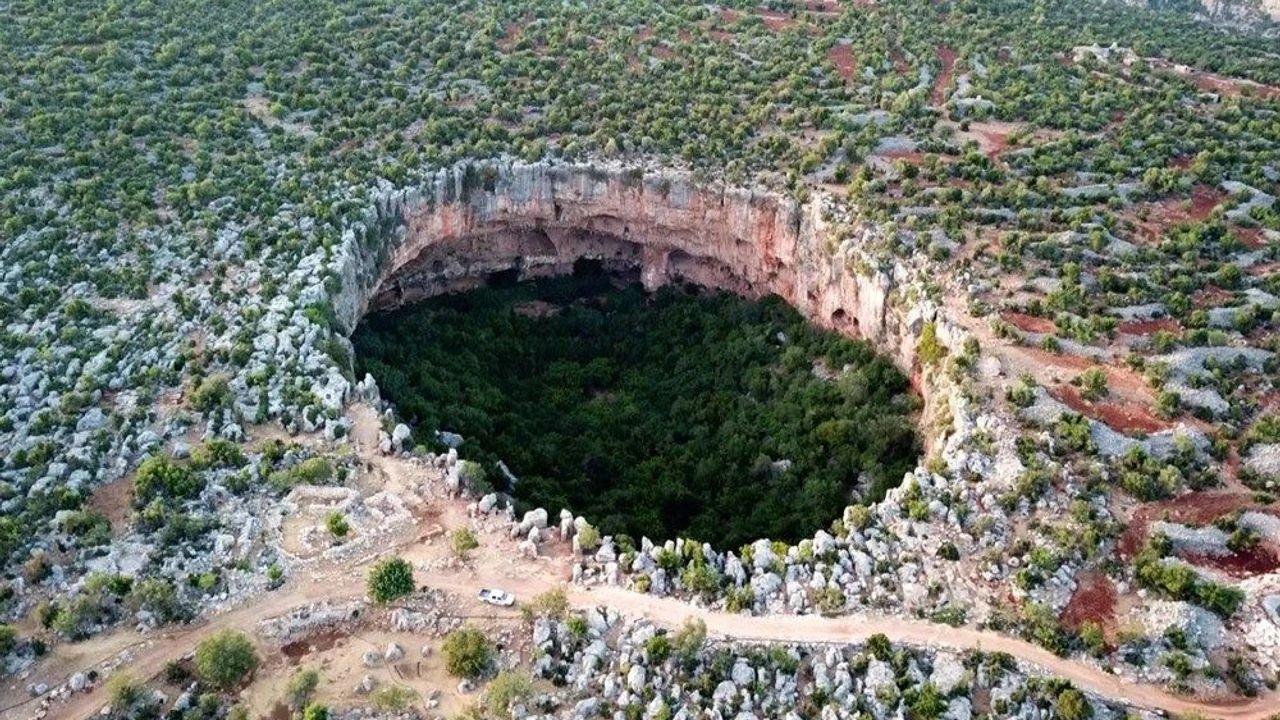
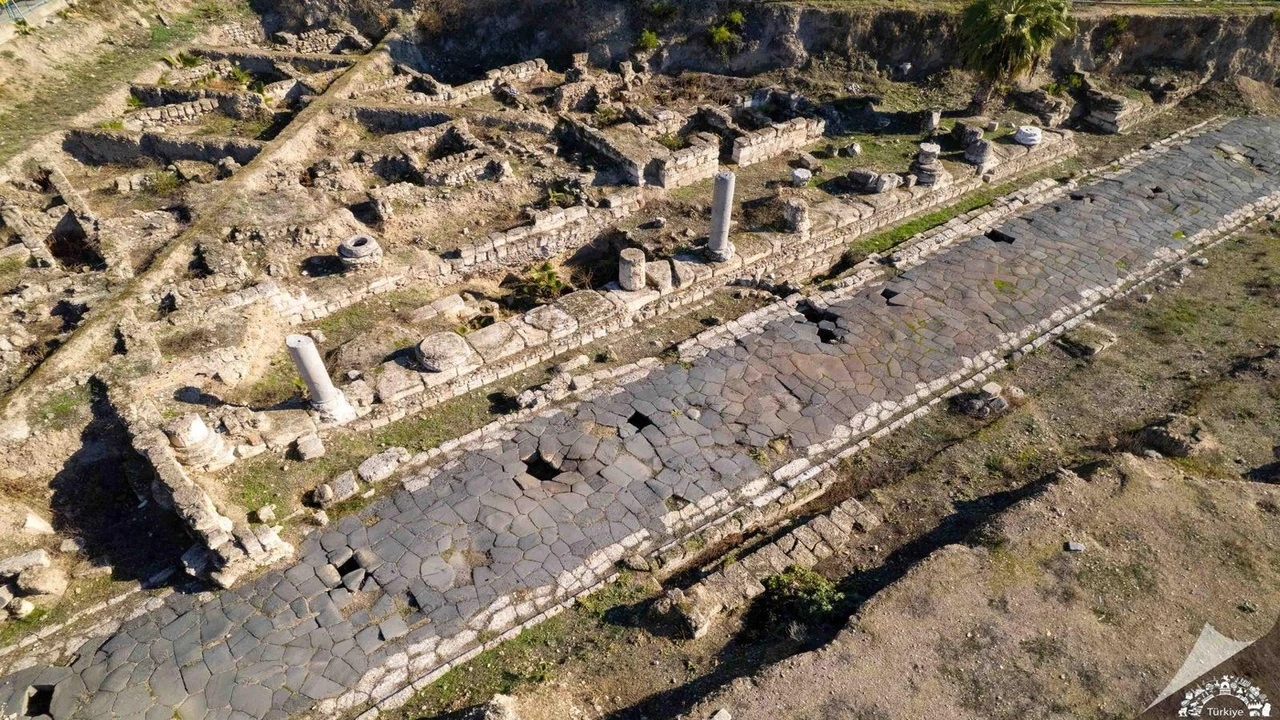
Located about 10 kilometers from the sinkholes within the Erdemli district, Kanlıdivane (Kanytelleis) is an ancient Cilician city built around a massive circular sinkhole approximately 60 meters deep. Moving from the natural wonder of the sinkholes to Kanlıdivane allows you to see how this same geological phenomenon became the heart of a human settlement. To experience this historical layer with professional guidance, you might consider our cultural tours.
A Sacred City Built Around a Precipice
In antiquity, this large sinkhole was considered sacred. Surrounding it are temples, watchtowers, Byzantine-era basilicas, and rock-cut reliefs. One of the most striking features of the city is the soldier reliefs carved into the walls of the sinkhole. As you wander through the site, you can see the remnants of both religious and civil architecture side-by-side. Since the area is quite large and the ground is rocky, it is best enjoyed at a leisurely pace with appropriate footwear.
The Origin of the Name Kanlıdivane
The origin of the city's current name is rooted in a somber local tale. Legend says that in ancient times, criminals were thrown into this massive sinkhole to be left to wild animals; it is believed the name "Kanlıdivane" (meaning "Bloody Divane") stems from this historical memory. While this is a piece of cultural folklore rather than a documented historical fact, it adds a haunting atmosphere to the city.
Nearby Attractions: Kızkalesi, Narlıkuyu, and Astım Cave
The Cennet Cehennem and Kanlıdivane route can easily be expanded into a full day of exploration by adding nearby stops. These locations are situated along the same coastline and can be visited one after another.
- Kızkalesi (Korykos): Located a few kilometers east of the sinkholes, this iconic island castle rising from the sea, along with the mainland Korykos castle, is a must-see landmark.
- Narlıkuyu: A charming coastal town known for its ancient harbor history and mosaics, Narlıkuyu is the perfect place to stop for a break at one of the many fish restaurants along the shore.
- Astım Cave: This natural cave near Narlıkuyu is known for its cool, humid atmosphere and serves as a perfect natural complement to your sinkhole adventure.
If you want to combine ancient cities and castles into a single itinerary, check out our historical city tours.

How to Get to the Cennet Cehennem Sinkholes?
The most practical way to reach the sinkholes is by private car. Travelers coming from Mersin or Antalya can follow the Mersin-Antalya coastal road to Narlıkuyu, then follow the signs for Cennet-Cehennem to reach the plateau. The drive from Mersin city center takes approximately one hour. Since it is only about 25 kilometers from Silifke center, those staying in Silifke can reach the sinkholes very quickly.
If you prefer public transport, you can take the cooperative minibuses from Silifke heading toward Narlıkuyu; however, since schedules can vary, we recommend checking return times in advance. For those arriving by bus, planning your route via Silifke or Erdemli is most efficient. Since Kanlıdivane is only about 10 kilometers from the sinkholes, you can easily combine both stops in one trip. To plan your transportation and transfers, you can compare suitable options in the tours category on Travel Tour Shop.
Best Visiting Season and Practical Tips
The ideal time to visit the Cennet Cehennem Sinkholes and Kanlıdivane is during the spring and autumn months, when the weather is neither too hot nor too rainy. The period between April–June and September–October is perfect for tackling the 452 steps and exploring the ancient city without getting exhausted by the heat. Since the region can get very hot in the summer, we recommend planning your visit for early morning or late afternoon. In winter, be careful on the steps as rain can make them slippery.
A few practical tips to make your trip easier: bring plenty of water, wear non-slip shoes, and protect yourself from the sun, especially in summer. Entry to these archaeological sites is paid, and the Museum Pass (Müze Kart) is accepted; if you don't have one, it's a good idea to check current entry fees before you go. Since shade is limited at the bottom of the sinkholes and in the ancient city, a hat and sunglasses are highly recommended.
What to Eat in Mersin? Local Delicacies
Capping off your trip with local cuisine is a highlight of any Mersin itinerary. The city's signature dish is Mersin Tantuni—spiced, finely chopped beef cooked on a specialized griddle and wrapped in thin lavaş bread. For dessert, look out for cezerye (a carrot-based sweet) and kerebiç (a traditional dessert made with walnuts). Oven-baked hummus is another local specialty that is delicious when served hot.
For seafood lovers, the restaurants along the Narlıkuyu coast near the sinkholes are famous for fresh fish. Trying the local seasonal catches is a popular way to end the day. We suggest planning your lunch break in Narlıkuyu and your dinner in Silifke or near Kızkalesi for a perfectly balanced day of flavors and views.
Accommodation and One-Day Itinerary Suggestion
For a comfortable trip, consider staying in Silifke, Narlıkuyu, or near Kızkalesi. The Kızkalesi area is a lively destination in the summer with various options ranging from pensions to hotels, while Silifke serves as a practical base due to its central location near the ancient cities and sinkholes. Choosing your accommodation based on your primary interest will help minimize driving time.
For those with limited time, here is a suggested one-day itinerary: Start early in the morning by descending into Cennet Sinkhole to see the Virgin Mary Church, then head to Cehennem Sinkhole to enjoy the view from the glass terrace. Around midday, move on to the ancient city of Kanlıdivane to explore the ruins around the precipice. After a seafood lunch on the Narlıkuyu coast, spend your afternoon exploring Kızkalesi and its surroundings. You can end your day watching the sunset along the coast. If you prefer a slower pace, you can spread this program over two days to explore the caves and ancient cities without rushing.
Frequently Asked Questions 6
Is there an entrance fee for Cennet Cehennem Sinkholes and Kanlıdivane?
Yes. Both areas are classified as archaeological sites under the Ministry of Culture and Tourism, so entry is paid and the Museum Pass (Müze Kart) is accepted. You can use your pass to enter the sinkholes, the glass terrace, the elevator, and the Kanlıdivane ancient city. If you do not have a Museum Pass, it is helpful to check current entry fees before your visit.
What is the story and legend of Mersin Cennet Cehennem?
According to legend, Zeus, the king of the gods, fought the hundred-headed dragon monster Typhon in this region and defeated him, imprisoning him in the depths of the Cehennem Sinkhole. Cennet Sinkhole gets its name from its peaceful appearance, lush greenery, and the historic church at its base. These stories are part of the local cultural heritage rather than documented historical facts.
Where are the Mersin Cennet Cehennem Sinkholes located?
The sinkholes are located in the Silifke district of Mersin, north of Narlıkuyu. They are approximately 25 km from Silifke center and 70 km from Mersin city center. You can reach them via the Mersin-Antalya coastal road through Narlıkuyu.
Is it difficult to descend the Cennet Sinkhole stairs?
Descending and ascending the 452 steep steps can be physically tiring. Therefore, it is recommended to wear comfortable sports shoes, bring water, and take breaks during the climb. For visitors with mobility issues or health concerns, the modern elevator system installed next to the sinkhole offers a convenient alternative.
How do I get to the Cennet Cehennem sinkholes from Mersin center?
By private car, you can reach them in about an hour by following the Mersin-Antalya coastal road and following the signs north from Narlıkuyu. For public transport, you can use the cooperative minibuses departing from Silifke; we recommend checking the return schedules in advance.
What local delicacies should I try on a trip to Mersin?
The city's signature dish is the spiced Mersin Tantuni, served in lavaş bread. You should also try cezerye, kerebiç dessert, and baked hummus. On the Narlıkuyu coast, fresh seasonal fish is highly recommended.