
Ma'in Hot Springs is one of those stops on a Jordan itinerary that tends to divide travelers. If you're seeking an open-air spa experience where warm, mineral-rich water cascades directly from the rocks onto your shoulders, then a half-day spent in this canyon will be the most relaxing part of your trip. However, if your ideal day involves exploring ancient ruins, archaeological sites, and mosaics, then dedicating three to four hours here might disrupt your itinerary's rhythm. That's because Ma'in isn't an ancient city; it's a thermal area best experienced by getting wet! This guide is designed to help you make that decision: what awaits you in the valley, how to get there, what to expect during different seasons, and how to plan your visit.
Quick Facts
| Topic | Information |
|---|---|
| Local Name | Hammamat Ma'in (حمامات ماعين); also known as Ma'in Hot Springs |
| Location | Madaba Governorate, Zarqa Ma'in valley; between Madaba and the Dead Sea depression |
| Elevation | 264 meters below sea level |
| Distance | Approximately 74 km from Amman, 30 km from Madaba |
| Water Temperature | 45-60 degrees Celsius at the source; some branches in the valley reach up to 63 degrees Celsius |
| Number of Springs | 109 hot and cold springs throughout the valley |
| Site Type | Not an archaeological site, but a commercially operated thermal facility and waterfall area |
| Ticket Policy | Admission and hours are managed by the facility; not covered by the Jordan Pass |
| Recommended Duration | Half-day (3-4 hours); 1 overnight stay for relaxation-focused itineraries |
| Best Time to Visit | October to April; summer midday hours can be challenging |
Who Will Love Ma'in, and Who Might Find it Challenging?
Before adding Ma'in to your itinerary, it's crucial to set clear expectations. The area operates like a thermal resort nestled at the bottom of a canyon: walking distances are short, the core of the visit revolves around getting into the water, and the main variable throughout the day is the ambient air temperature. The table below summarizes what different traveler profiles can expect here.
| Traveler Profile | What Ma'in Offers | Important Considerations |
|---|---|---|
| Seeking Thermal Waters & Relaxation | Open-air bathing under waterfalls, pools, and spa services | Limit time in hot water to short intervals |
| Canyon Views & Photography | Steep slopes, steam clouds, rock surfaces encrusted with mineral deposits | Spray and steam can challenge equipment; waterproof casing is useful |
| History & Archaeology Focused | Limited; ancient use of the valley is mostly anecdotal | Balance your itinerary with sites around Madaba |
| Families with Small Children | Warmer pool sections are suitable | Waterfall water can be scalding; children must be supervised |
| Visitors with Mobility Limitations | Pool areas are accessible, but canyon paths are not | Surfaces are wet and slippery; non-slip sandals are essential |
| Travelers with Tight Schedules | Requires a half-day | Return trip to Amman might coincide with evening traffic |
Before You Dip In: Essential Health Notes
The waters of Ma'in are rich in minerals like magnesium, calcium, and potassium, and have been used for bathing in the region for centuries. However, this tradition doesn't mean the water is a medical treatment. Prolonged exposure to hot water can be challenging for visitors with heart conditions, high blood pressure, circulatory issues, or who are pregnant. If you have a chronic health condition, it's always wise to consult your doctor before your trip. Also, note that the sulfurous water is not suitable for drinking; potable water is available separately at the site.
Can You Combine Ma'in with the Dead Sea?
Since the canyon is located on the eastern slopes of the Dead Sea depression, these two stops are close to each other, and many itineraries combine them into a single day. It's certainly doable, but remember that getting in and out of the water at both locations takes time. If you plan to combine them, dedicate the morning to one and the afternoon to the other, and allow ample time for the drive in between.
What to See and Do in the Canyon
The Main Thermal Waterfall and Pool Area
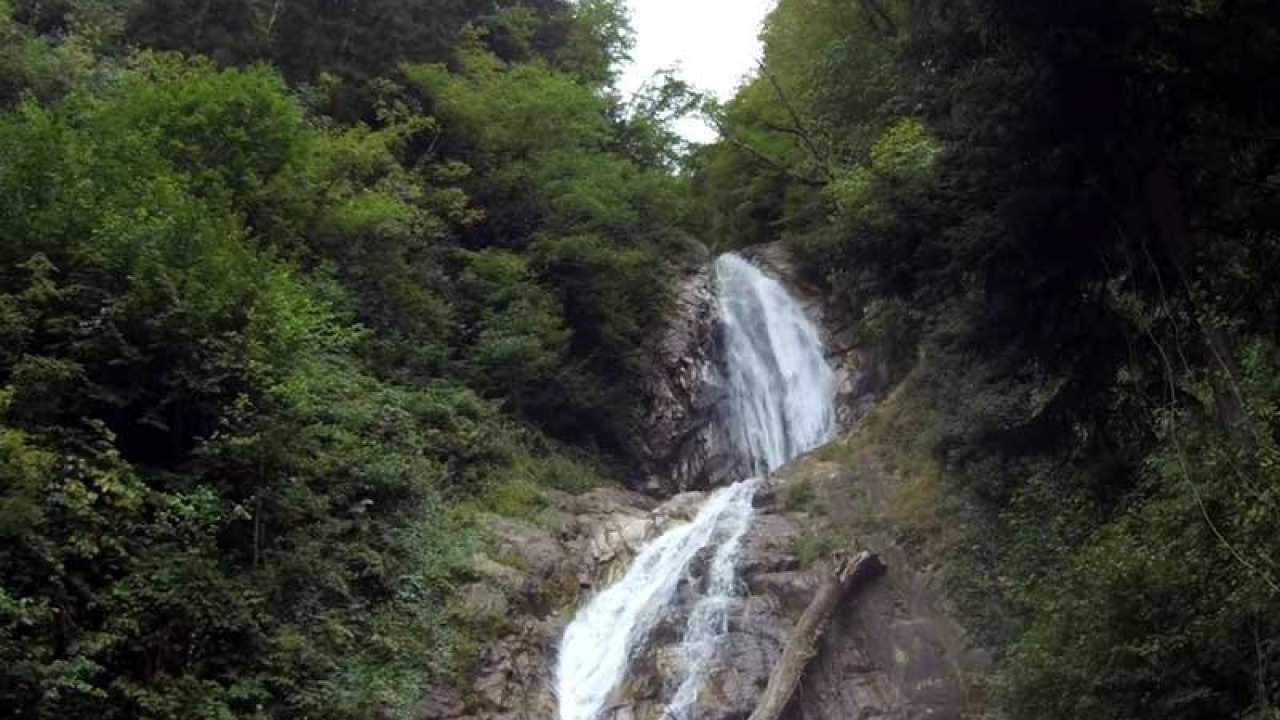
The valley's most famous feature is the hot waterfall cascading down a steep rock face. The water heats up as winter rains, falling on the Jordanian plateau, seep underground and come into contact with lava fissures. At its source, the water temperature ranges from 45-60 degrees Celsius, with some branches in the valley reportedly reaching up to 63 degrees. Standing directly under the waterfall offers a powerful massage effect, but due to its force and heat, this is an experience best measured in minutes: a few short dips are far more comfortable than one prolonged stay.
The pool sections adjacent to the waterfall are milder, making them the primary area where you can comfortably spend most of your day. The mineral crust that forms on the rocks over time becomes slippery when wet, so wearing non-slip sandals will make navigating easier. The early morning hours are both cooler and more tranquil; as midday approaches, the shade recedes, and the poolside seating areas fill up.
The Upper Valley and Cold Springs
According to the Jordan Tourism Board, there are 109 hot and cold springs throughout the valley. This mix also explains why the canyon appears so lush: reeds and clusters of trees thrive on the slopes that consistently find water in the midst of a desert climate. If you take the short paths around the main pool area and walk further up, you can discover points where the hot springs meet cooler waters.
The walking sections aren't technical, but the valley floor is prone to rapid water flow after rainfall. On rainy days, always heed the facility's warnings before venturing onto the paths; flash floods in the region's wadis (dry riverbeds) are a known risk.
Spa and Treatment Facilities
Beyond the thermal waters, the on-site facility offers services such as mud wraps and salt treatments. This section is indoors and typically operates by appointment. As the list of services and operating hours can change seasonally, it's advisable to confirm with the facility before your visit if you plan to book any treatments, to avoid disappointment. Pricing is structured based on the package type and duration; check the facility's official channels for current rates.
The Herod Narrative and the Kallirhoe Conundrum
A common phrase often found in promotional materials for the region states that King Herod bathed in these waters. The source of this narrative is the ancient historian Josephus, who recounts Herod's visit to hot springs shortly before his death, naming the place Kallirhoe. The prevailing view among researchers identifies Kallirhoe with the Ayn ez-Zara area on the Dead Sea shore, which is located at the lower end of the Zarqa Ma'in valley, distinct from today's waterfall area. Thus, the legend refers to the valley in general, not specifically to the pools visited today.
One more point: Ma'in is not on the UNESCO World Heritage List. Jordan's listed sites include Petra, Qusayr Amra, Umm er-Rasas, Wadi Rum, Umm el-Jimal, As-Salt, the Baptism Site on the Jordan River, and the Aqaba Marine Reserve. Ma'in's appeal stems not from heritage status, but from its unique geology.
Getting to Ma'in
International Travel to Jordan
Entry into the region is typically via Queen Alia International Airport (AMM), located approximately 35 kilometers from Amman. Direct flights from major international hubs usually take a few hours. A taxi ride from the airport to the city center takes 30-45 minutes; a shuttle bus service also operates every half hour between the airport and Amman's North Terminal (Tabarbour). Visa requirements vary by nationality and are updated periodically; always confirm with the Jordan Tourism Board and the official Jordan Pass website before your trip.
Descending into the Canyon from Amman and Madaba
The road to the canyon descends from the Amman plateau towards Madaba, eventually dropping below sea level. The total distance is about 74 kilometers from Amman and 30 kilometers from Madaba. Due to the winding descent, the drive from Amman takes between one and one and a half hours. The final section is narrow and steep, so it's much more comfortable to make the ascent in daylight rather than returning in the dark. The road is asphalted and passable with a standard passenger car; consider using a lower gear on the descent to minimize brake wear.
Bus, Transfers, and Rental Cars
Public transportation to the area isn't impossible. The Jordan Tourism Board states that the country's main bus operator runs services to Ma'in Hot Springs, as well as Petra and the Dead Sea. However, some of these services are weekly rather than daily, so it's essential to check the current schedule before planning your dates. For those seeking more flexibility, arranging a taxi with waiting time from Madaba or Amman is a common solution.
| Transportation Option | How it Works | Best For | Note |
|---|---|---|---|
| Rental Car | Picked up from Amman or the airport, descent via Madaba | Travelers who prefer to set their own schedule | Winding descent; daylight driving recommended |
| Bus Service | Services operated by the main provider on specific days | Budget-conscious planners | Frequency varies by season |
| Taxi with Waiting Time | Agreement for round trip from Madaba or Amman, including waiting | Visitors dedicating a half-day | Waiting time should be agreed upon in writing beforehand |
| Transfer Service | Vehicle arranged by your accommodation | Visitors prioritizing comfort | Limited capacity; book in advance |
Best Time to Visit and Ideal Hours of the Day
Ma'in can be visited year-round, but the quality of the experience changes significantly with the seasons. The determining factor isn't the water temperature – the springs are consistently hot – but rather the ambient air temperature. The cooler it is outside, the more enjoyable the experience becomes.
| Period | What to Expect in the Canyon | Note |
|---|---|---|
| December - February | Cool air, noticeable steam, low crowds | Paths can be slippery after rain; heed valley warnings |
| March - May | Mild weather, greening slopes | Spring holidays bring increased crowds |
| June - August | High temperatures in the depression, need for shade | Challenging outside of early morning hours |
| September - November | Mild weather, balanced crowd levels | Favorable period for a half-day plan |
What Time of Day is Most Comfortable?
The early morning hours offer advantages in terms of both coolness and tranquility. As the afternoon progresses, the heat reflected into the canyon intensifies, and the pool areas become more crowded. Local visitor traffic tends to peak on weekends, so if your schedule is flexible, choosing a weekday will ensure a more peaceful visit. Note that weekend days in Jordan may differ from those in your home country, so check the current working week schedule before your trip.
A Day Trip: Morning at the Waterfalls, Afternoon in the Mosaic City
Instead of dedicating an entire day solely to the canyon, combining a half-day visit with Madaba, the 'Mosaic City' on the plateau, makes for a more balanced itinerary. The following sequence is designed for travelers departing from Amman.
- Depart from Amman early in the morning and head towards Madaba; enjoy a breakfast stop on the plateau.
- After Madaba, take the canyon road and complete the descent without rushing; take short breaks at scenic viewpoints.
- Upon arrival at the site, first acclimatize your body in the warmer pool sections, then approach the main waterfall in short intervals.
- Around midday, retreat to the shade, increase your water intake, and take a rest break.
- In the afternoon, head back towards the plateau; dedicate one and a half to two hours to Madaba's mosaic sites and bazaar.
- Have dinner in Madaba before returning to Amman, or choose to spend the night on the plateau.
Dining & Cuisine: Culinary Delights Around the Canyon
Dining options within the canyon are limited, with meals largely confined to the on-site resort restaurant. The true culinary experience awaits in the settlements on the plateau, particularly in the restaurants around Madaba. The most renowned dish of Jordanian cuisine is Mansaf, a lamb dish served over rice with a fermented yogurt sauce; UNESCO recognized this tradition on its Intangible Cultural Heritage list in 2022. Mansaf is a communal meal, meant to be shared, not typically served as individual portions.
After a thermal soak, lighter options like olive oil-based meze platters or warm, chickpea and tahini-based starters might feel more refreshing than a heavy meal. To counteract fluid loss, keep water and salty, yogurt-based drinks (similar to ayran) close at hand throughout the day. Fresh mint tea is the classic regional finish. For travelers seeking similar culinary experiences in Turkey, the Gastronomy and Event Tours in Turkey category on Travel Tour Shop lists programs focused on local cuisine.
Where to Stay: Area-by-Area Options
Staying Within the Canyon
Accommodation options are available at the base of the waterfalls, but the number of facilities in the area is limited, and capacity fills up quickly. The advantage of staying in the canyon is the tranquility of the pool area after the daytime crowds disperse. The downside, however, is that evening activities are confined to the resort itself: there are no bazaars, cafes, or alternative restaurant options within the valley.
Madaba and Settlements on the Plateau
Madaba, being just 30 kilometers from the canyon, makes for a logical base. Situated on the plateau, its air is cooler than in the depression, and accommodation primarily consists of small hotels and guesthouses. Known for its stunning mosaics, the city also fulfills the cultural aspect of your visit.
The Dead Sea Coastline and Amman
The strip of resorts along the Dead Sea coastline is suitable for those wishing to continue a water-focused holiday, and it's a short drive to the canyon. Travelers prioritizing flight connections, however, might prefer to stay in Amman and visit Ma'in as a day trip. For those seeking nature and canyon-themed programs in Turkey, Travel Tour Shop's Nature and Adventure Tours in Turkey category offers a similar framework. Travelers looking to expand their regional itinerary can also benefit from the planning insights in our Egypt Travel Guide article.
Pre-Visit Checklist: Essential Tips
- Bring non-slip sandals: the wet rock surfaces, encrusted with minerals, are slippery.
- Opt for modest swimwear or shorts; the area is arranged for public use.
- Carry water and electrolyte supplements; prolonged time in hot water accelerates fluid loss through sweating.
- Leave silver jewelry at home: sulfur-rich water will tarnish silver surfaces.
- Bring a waterproof case for your camera gear; steam and spray are ubiquitous throughout the canyon.
- Shower before entering the water; avoid bringing sunscreen and heavy cosmetics into the pools.
- Bring any regular medications and, if applicable, a doctor's report.
Frequently Asked Questions 6
Where are Ma'in Hot Springs located, and how long does it take to get there from Amman?
The springs are located in the Zarqa Ma'in valley within the Madaba Governorate, 264 meters below sea level. They are approximately 74 kilometers from Amman and 30 kilometers from Madaba. Due to the winding descent, the drive from Amman takes between one and one and a half hours.
What is the water temperature, and can everyone enter?
At the source, the water temperature ranges from 45-60 degrees Celsius; some branches in the valley are reported to reach up to 63 degrees. Time spent directly under the waterfall should be limited to short intervals. Prolonged exposure to hot water can be challenging for individuals with heart conditions, high blood pressure, circulatory issues, or who are pregnant; those with chronic conditions should consult their doctor.
Is Ma'in Hot Springs covered by the Jordan Pass?
No. Ma'in is not included in the list of covered sites published on the official Jordan Pass website; admission is managed separately by the facility operating the area. Please confirm current entry conditions and hours directly with the facility.
What is the best time of year to visit?
The period between October and April is generally more comfortable, as the determining factor is the ambient air temperature, given that the springs are already hot. Between June and August, temperatures in the depression rise, making visits challenging outside of the early morning hours. On rainy days, due to the risk of flash floods on valley paths, visitors should heed the facility's warnings.
Can I visit with children?
The warmer pool sections are suitable for family use. However, the waterfall water can be scalding, so children approaching the hot flow must be supervised. As the ground is wet and slippery, wearing sandals is also essential for children.
Is it possible to reach Ma'in by public transport?
Yes, it is possible. The Jordan Tourism Board indicates that the country's main bus operator runs services to Ma'in Hot Springs, along with Petra and the Dead Sea. However, some of these services are weekly rather than daily, so the schedule should be checked in advance. Alternatively, you can arrange a taxi with waiting time from Madaba or Amman.