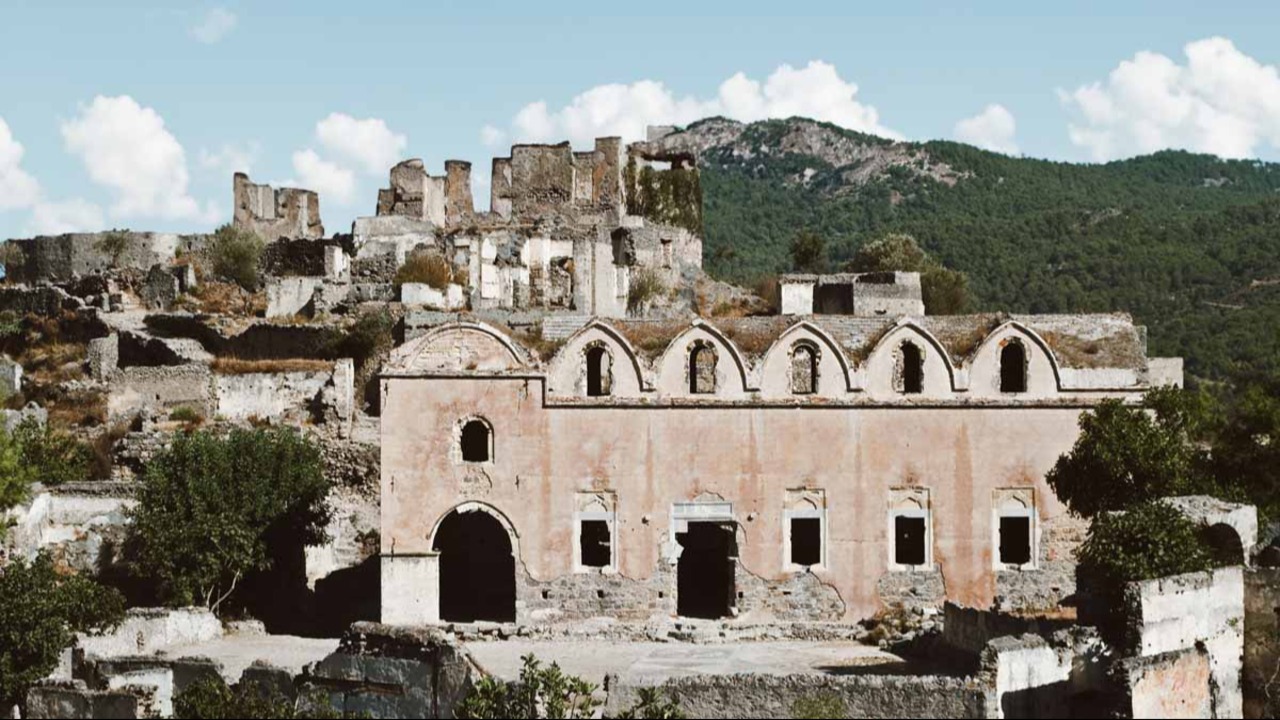

Perched on the slopes between Fethiye and Ölüdeniz, Kayaköy is one of Turkey's most evocative abandoned settlements—an open-air museum more commonly known as the "Ghost Village." Once known as Karmylassos in antiquity, this area thrived for centuries as a vibrant Greek town. However, following the population exchange of 1923, it fell into a profound silence. Today, it stands as a poignant place of memory, with over three thousand stone structures preserving the echoes of the past. With its narrow winding alleys, roofless homes, two grand churches, and a terraced layout that climbs the hillside, Kayaköy is a magnet for history buffs, photographers, and nature lovers alike.
At Travel Tour Shop, we believe in quality over quantity. We vet our tour and transfer partners rigorously, filtering out approximately 83% of providers to list only those who possess genuine local expertise and a proven track record of guest satisfaction. In this guide, we’ve compiled everything you need to know—from location and transport to historical insights and practical tips—so you can seamlessly integrate Kayaköy into your Fethiye itinerary.
Quick Facts
| Topic | Details |
|---|---|
| Location | Kayaköy, Fethiye (Muğla) |
| Ancient Name | Karmylassos / Levissi |
| Distance from Fethiye | Approx. 8 km |
| Distance from Ölüdeniz | Approx. 5 km |
| Highlights | Greek stone houses, two churches, Lycian Way connection |
| Status | UNESCO World Heritage Tentative List |
| Best For | History enthusiasts, photographers, hikers, families |
Where is Kayaköy and How to Get There?
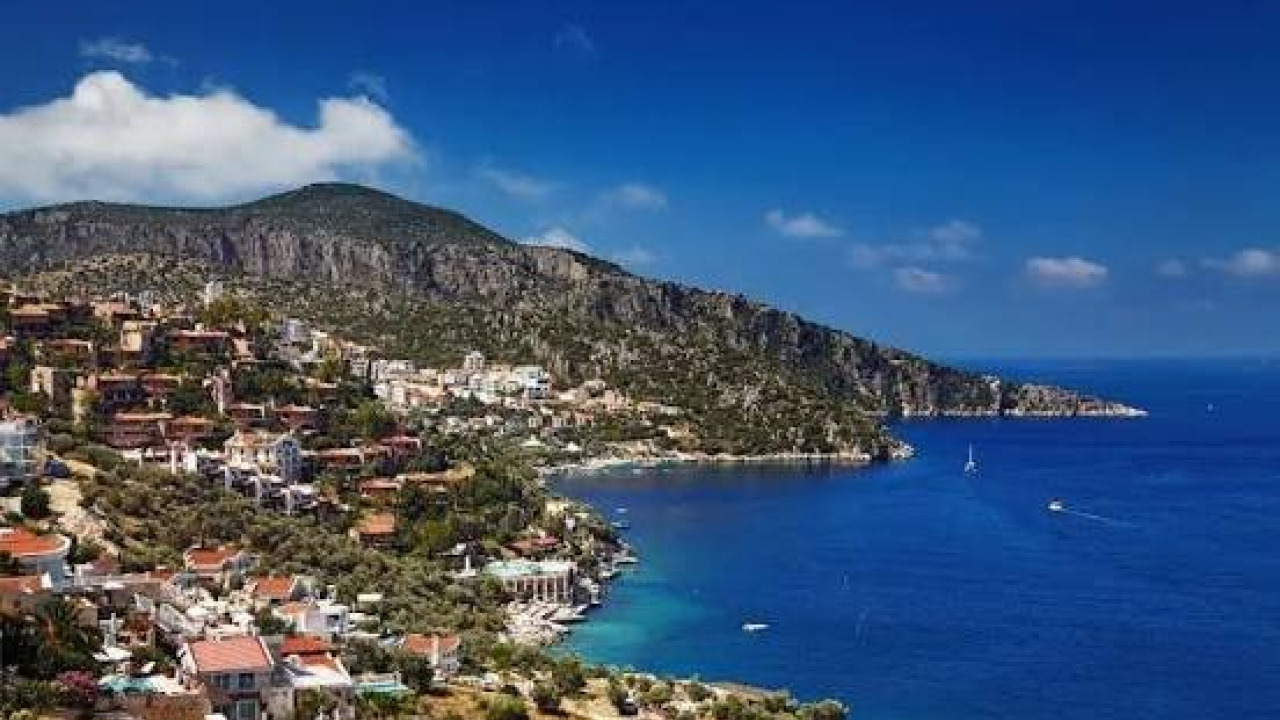
Kayaköy is a valley settlement located in the Fethiye district of Muğla, situated roughly 8 kilometers from Fethiye city center and 5 kilometers from Ölüdeniz. Its strategic location makes it an easy and rewarding addition to any Fethiye sightseeing plan. If you are traveling by private car, it is a quick 15-minute drive from the center or 10 minutes from Ölüdeniz; the road is winding but scenic, offering stunning views of pine forests and the valley.
For those preferring public transport, local dolmuş (shared minibuses) run between Fethiye and Kayaköy. While services are more frequent during the peak summer season, it is wise to check the schedules in advance during the winter months. For the more active traveler, the village is accessible by bicycle or via hiking trails starting from Ölüdeniz. If you prefer a hassle-free experience with door-to-door transfers and professional guidance, we recommend exploring the options within our Fethiye nature and adventure tours, which make it easy to pair Kayaköy with other nearby gems.
The History of Kayaköy: From Karmylassos to Ghost Village
The roots of Kayaköy stretch back to ancient times. After its early era as Karmylassos, the settlement flourished during the Byzantine and Ottoman periods as a significant Greek hub, becoming known as Levissi in more recent centuries. At the dawn of the 20th century, the village was a self-sufficient town where thousands of Greeks and a smaller number of Turks lived side-by-side, supported by its own churches, schools, fountains, and workshops.
This vibrant community came to an end with the 1923 population exchange between Turkey and Greece. Under the terms of the agreement, the Greek population migrated to Greece. The families resettled in their place did not remain permanently for various reasons, and over time, the houses were abandoned and the roofs collapsed. Today, Kayaköy is preserved as an architectural legacy and a silent witness to the shared history of two peoples. Its inclusion on the UNESCO World Heritage Tentative List further underscores its global cultural importance.
Architectural Highlights
The most striking feature of Kayaköy is the way its approximately 3,500 stone structures are terraced along the valley slope. The houses were built in a stepped fashion so that no building would block the view or sunlight of the house below it. This layout is a remarkable example of early urban planning and a reflection of the community's social harmony.
The craftsmanship of the local stonework is exceptional. Narrow, meandering streets create a natural labyrinth, dotted with fountains, cisterns, small chapels, and the ruins of school buildings. Most houses were two stories; the ground floor served as storage or a workspace, while the upper floor was the primary living area. Although the roofs and wooden elements have vanished over time, the stone walls remain largely intact, allowing visitors to feel the authentic texture of the town as they wander. This simple yet functional architecture makes a walk through Kayaköy feel like stepping back a century in time.
Top Things to See in Kayaköy
To make the most of your visit, it helps to know the key landmarks. Here are the must-visit spots that define the village's character:
- The Great Church (Panagia Pyrgiotissa): The most imposing structure and the symbol of the village. Its elevated position offers a panoramic view of the settlement, and you can still see traces of the original wall paintings and floor details inside.
- The Small Church (Taxiarhis): Located in the upper reaches of the village, this structure is more modest in scale but deeply atmospheric. As you climb higher, the valley views expand beautifully.
- Historic Greek Houses: Hundreds of stone houses line the narrow streets. Wandering among them is the best way to imagine the daily rhythms of the village's former inhabitants.
- Fountains and Cisterns: These small but vital structures reveal how the village managed its water and maintained its self-sufficiency.
- Levissi Area and Gardens: The green spaces at the foot of the village provide a peaceful spot where history and nature blend seamlessly.
The secret to experiencing Kayaköy is to slow down; the real magic lies in discovering a new detail around every corner.
Kayaköy and the Lycian Way
The Lycian Way, one of the world's most famous long-distance hiking routes, passes through Kayaköy, making the village an ideal starting point or stopover for trekkers. Trails leading from the village wind through pine forests and offer breathtaking coastal vistas, eventually connecting to Ölüdeniz and the surrounding bays. The stretch between Kayaköy and Cold Water Bay (Soğuksu) is particularly rewarding—relatively short but visually stunning.
Along the Lycian Way, you'll encounter ancient ruins, turquoise sea views, and diverse wildlife. If you're planning a hike, we recommend bringing plenty of water, wearing sturdy shoes, and using sun protection. To avoid the midday heat, start your trek in the early morning or late afternoon. For those who prefer a guided, safe, and structured experience, our trekking and hiking tours provide detailed info on routes, distances, and difficulty levels.
Activities to Enjoy in Kayaköy
Kayaköy is more than just a historical site; it is a hub for various outdoor activities. The primary activity is, of course, exploring the narrow streets on foot to soak in the atmosphere. For photographers, Kayaköy is a paradise; the roofless stone houses and valley vistas provide dramatic compositions, especially during the "golden hour" just before sunset.
Nature lovers can utilize the Lycian Way connections to explore neighboring peaks and coves. The surrounding pine forests and dirt roads are also perfect for cycling. For those seeking a blend of history and adrenaline, jeep safari routes that span the Fethiye and Ölüdeniz regions are a fantastic option. These off-road tours cover the interior of the region and its best viewpoints in a single day. You can combine a visit to Kayaköy with a wider adventure by checking out our Fethiye jeep safari tours.
Pairing Kayaköy with Ölüdeniz
Most visitors choose to visit Kayaköy and Ölüdeniz on the same day. Since they are only five kilometers apart, this is the most efficient way to plan your itinerary. A balanced plan would be to spend your cool, quiet morning exploring the streets of Kayaköy and your afternoon relaxing on the beaches or the lagoon of Ölüdeniz.
This pairing offers a perfect contrast: the silence and history of the ghost village balanced by the vibrant energy of Ölüdeniz, where you can enjoy paragliding, boat trips, and sunbathing. If you want to add a "Blue Cruise" experience to your trip, see our Fethiye boat tours guide for the best bays and routes, or get inspired by our Fethiye Butterfly Valley guide for a nature-focused stop.
What to Eat in Kayaköy?
The village cafes and local businesses in and around Kayaköy are famous for their authentic, homemade flavors. A traditional village breakfast is a highlight here—think fresh cheeses, farm eggs, olives, homemade jams, and gözleme (savory Turkish pancakes). Gözleme, cooked on a traditional griddle, is a staple found in almost every local eatery.
For lunch or dinner, look for olive oil-based vegetable dishes, appetizers made from seasonal wild herbs, and local meat specialties. As you move closer to the Fethiye center and the coast, fresh seafood becomes more prominent. Enjoying a slow lunch in a shaded garden cafe is the perfect way to wind down your exploration. Choosing local products not only enriches your culinary experience but also supports the local economy.
Best Time to Visit
While Kayaköy can be visited year-round, each season offers a different vibe. Spring is arguably the best time; the nature awakens, wildflowers bloom, and the temperature is perfect for hiking and photography. Autumn is similarly pleasant, offering mild weather and softer light, with fewer crowds than the summer peak.
Summer is the busiest season. While the village is lively, the midday heat in the shadeless stone streets can be exhausting. If visiting in summer, stick to the early morning or late afternoon, and always carry a hat and water. Winter is the quietest time, offering a serene, almost meditative experience where you can have the village nearly to yourself. Just be sure to wear sturdy shoes, as the ground can become slippery during rainy days.
Practical Tips for Your Visit
To ensure a comfortable trip, keep these practical tips in mind: - Footwear: The area is expansive, hilly, and consists mostly of stone paths. Wear comfortable, non-slip walking shoes. - Sun Protection: Shade is limited. In summer, a hat, sunscreen, and plenty of water are essential. - Timing: Allocate at least two hours to explore the village without rushing. If you are into photography or hiking, plan for a longer stay. - Sunset: The high points near the Great Church offer the most spectacular views at sunset—try to time your visit accordingly. - Respect the Site: Remember that you are in a historical heritage site. Please do not damage the structures and ensure you leave no litter behind.
Explore Kayaköy and Fethiye with Travel Tour Shop
You can easily compare and plan your visit to Kayaköy and other Fethiye highlights—including all transfers and transportation—through Travel Tour Shop. We provide clear details on tour scopes, included services, and itineraries before you book, so you can choose the option that fits you best. For those who want to combine Kayaköy with a deeper dive into the region's heritage, we recommend our Muğla cultural tours. Because our listed options are vetted based on local expertise and real guest feedback, you can plan your Fethiye holiday with complete peace of mind.
Frequently Asked Questions 5
Where is Kayaköy located?
Kayaköy is a historic settlement in the Fethiye district of Muğla. It is approximately 8 kilometers from Fethiye center and 5 kilometers from Ölüdeniz.
Why is it called the "Ghost Village"?
It earned this name because it was largely abandoned following the 1923 population exchange between Turkey and Greece. Today, the hundreds of roofless stone houses create a haunting, deserted atmosphere.
How do I get to Kayaköy?
By private car, it is a 15-minute drive from Fethiye center or 10 minutes from Ölüdeniz. Local dolmuş buses also operate during the summer. For more convenience, you can book hotel transfers and guided tours.
What are the main attractions in Kayaköy?
The Great Church, the Small Church, the historic Greek stone houses, narrow alleys, and ancient cisterns are the main highlights. The village also connects to the Lycian Way hiking trail.
When is the best time to visit?
Spring and autumn are ideal due to the mild weather and smaller crowds. Summer is the peak season (best visited early or late in the day), while winter offers the most peaceful and quiet experience.